Findlay Recovery Center
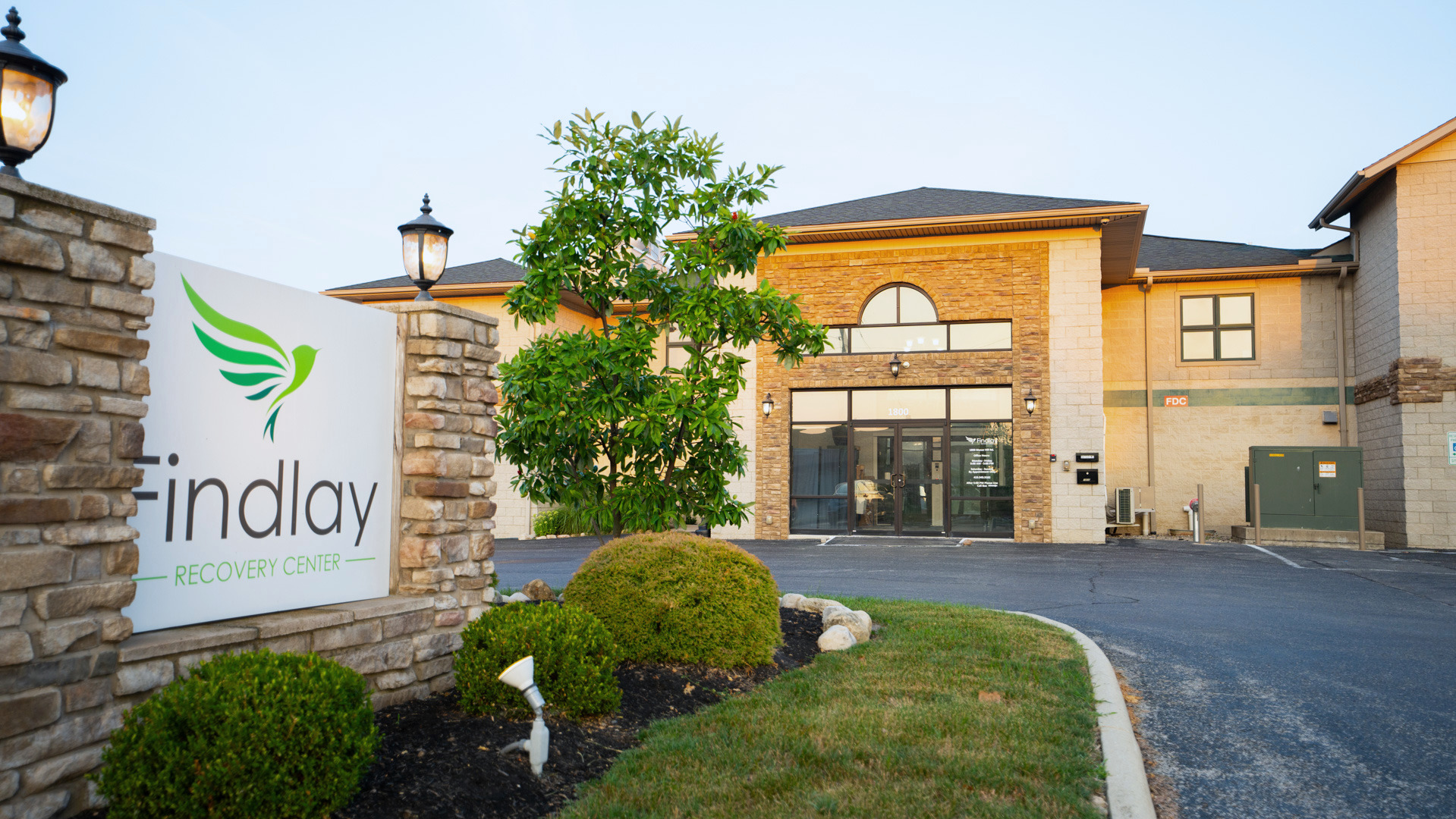
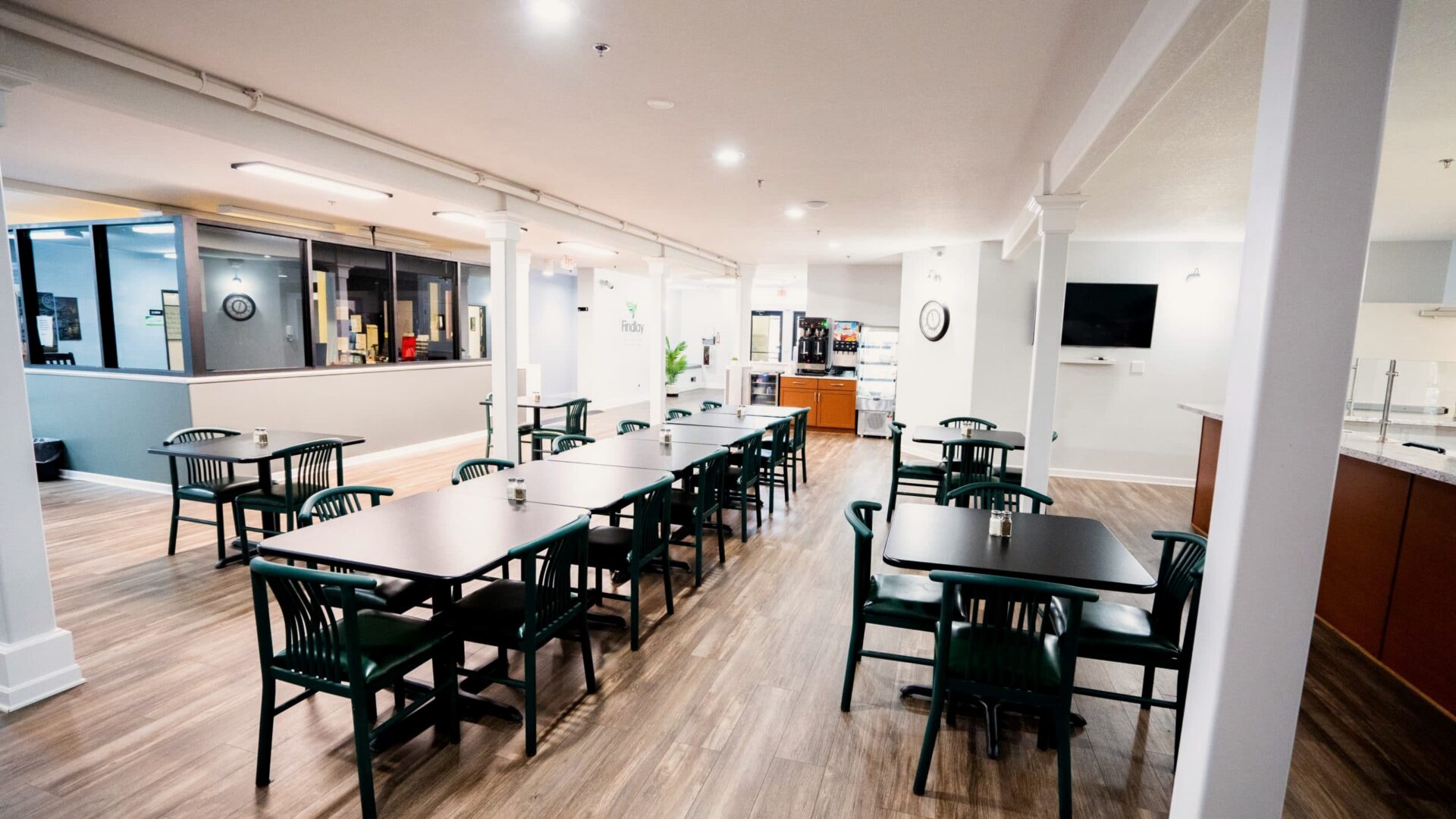

Findlay Recovery Center 3 photos



Comparison facts and sources
Findlay detox and residential substance-use treatment campus with assessed continuing-care planning. A specific section of the current IOP page says no onsite IOP and describes referral to an external provider, despite broader wording elsewhere. Confirm the provider and location for PHP and other step-down services. · 1800 Manor Hill Road, Findlay, Ohio 45840; 855-605-2135.
- Published fee information
- Quote required
- Before admission
- The IOP page contains broad program wording alongside an explicit no-onsite-IOP qualification. Confirm the accepting provider and location for each step-down service. Exact admission suitability, duration, authorization, fees and taxes remain individual.
- Continuing care
- Individualized continuing-care planning may involve PHP, external IOP, outpatient treatment, family-service coordination and alumni support. The current IOP transition section explicitly says Findlay does not offer IOP onsite; confirm receiving-service acceptance, location, appointments and separate costs.
Source record · October 19, 2026
October 19 scoped official-source review makes the explicit no-onsite-IOP limitation and external handover clear despite conflicting broad wording. Earlier duration, clinical and fee records remain as dated; individual costs and all other fields are not comprehensively reverified..
Luxury rehab comparison · Fees and inclusions · Selection methodology
Findlay Recovery Center is a substance-use and mental health treatment provider at 1800 Manor Hill Road in Findlay, Ohio. Its residential campus serves people seeking treatment for alcohol and drug addiction and co-occurring mental health needs.
The provider describes detoxification, residential treatment, partial hospitalization, outpatient care, medication-assisted treatment, mental health services and aftercare. A specific section of its IOP page says it does not currently offer IOP on-site and instead coordinates external treatment, despite broader wording elsewhere. Confirm the location and accepting provider for every proposed step-down service; placement follows assessment.
Findlay publishes 1-855-605-2135 and is open around the clock. Its admissions team verifies private-insurance benefits, but coverage, deductibles and client responsibility depend on the plan; no standard bundled fee or tax schedule was found on the reviewed official pages.
The Findlay campus combines residential care with shared amenities
The provider’s campus description identifies a residential setting in Findlay with semi-private rooms, televisions, shared lounge and library space, a salon and spa, meals, and wellness activities. These are features of a communal treatment environment. A private-room or one-client model should not be inferred from the site’s use of luxury-style amenity descriptions.
Before arranging a stay, establish room sharing, accessibility, dietary arrangements, and which amenities are available within the actual clinical schedule. A person may use an amenity differently during withdrawal and later in treatment. Ask how any health limitations are accommodated and whether optional services carry separate charges. The campus description also says the team can help identify another treatment option when Findlay is not a suitable match. That assessment matters more than an advertised same-day admission. Travel should follow confirmation of suitability, a place, and the practical arrangements for arrival.
Residential treatment is an assessed level of support
The residential program page describes living at the facility while receiving structured addiction treatment and support. It identifies circumstances such as difficulty managing in the current home environment, a previous unsuccessful treatment episode, and co-occurring concerns as reasons to consider a more intensive setting. Those examples guide an assessment rather than determine eligibility on their own.
Ask what the residential plan is intended to accomplish and how the team reviews whether that level remains appropriate. The schedule should distinguish individual appointments, group sessions, recovery education, and time outside formal treatment. Clarify the actual medical and nursing arrangements, particularly if physical health needs are part of the referral. A residential setting should not be assumed to have the same capabilities as every hospital. The planned transition is equally important: identify which ongoing clinical needs will remain after the stay and which provider will take responsibility for them, rather than treating a discharge date as the end of care.
Detox requires an individual medical assessment
Findlay’s detox program describes supervised withdrawal management, monitoring, and a treatment plan based on the person’s history and current condition. The page discusses several substances, but that list does not mean every person needs detox or will follow an identical timetable. Withdrawal support and the longer therapeutic program have different purposes.
Explain current use, previous complications, prescriptions, and physical or psychiatric conditions during the assessment. The clinical team should determine the suitable setting and how any needs beyond its capabilities will be handled. Someone already receiving medication treatment should discuss continuity rather than stop it in preparation for admission. As stabilization progresses, ask how the next level of treatment is selected and when the person can participate in groups or other activities. A general estimate for withdrawal symptoms is not an individual discharge prediction. The handover should preserve both medical follow-up and support for the concerns that brought the person into care.
Medication treatment has several different roles
The medication-assisted treatment page discusses medication alongside counseling, addiction education, skills work, and planning for recovery. It covers medicines used for opioid and alcohol use disorders and describes individualized selection by the medical team. An educational list of medications should not be interpreted as a guarantee that every medicine is dispensed onsite.
Distinguish support during acute withdrawal from a continuing prescription for an ongoing condition. If a person already has a prescriber or receives treatment through another program, ask how records and medication arrangements will transfer. Clarify who reviews effects and concerns, how refills are handled, and what happens when the person changes levels of care. The proposed plan should be explained in terms the patient can understand, including monitoring and alternatives. Avoid making treatment decisions from general website descriptions of how a medicine works. Continuing, starting, or changing medication belongs with the treating clinician and the individual’s assessed needs.
PHP involves a daytime commitment and a separate evening environment
Findlay’s partial hospitalization information describes intensive daytime therapy with participants returning home or to a living arrangement afterward. It discusses group, individual, and family work and planning for later care. The term PHP describes the clinical intensity; it does not itself include an overnight residential bed.
For a proposed PHP placement, obtain the current treatment address, schedule, accepting service, and arrangements outside program hours. This is especially important when moving from the Manor Hill Road residential campus or traveling from another city. Ask how medical and psychiatric needs are followed and what support is available in the evening. A person needs a workable way to attend and an appropriate place to stay, not merely an available daytime slot. The provider’s broad program descriptions should be translated into an actual admission plan. Confirm which services Findlay itself supplies and whether any part is coordinated through another organization before relying on a seamless same-campus transition.
The IOP page explicitly describes an external transition
A specific section of Findlay’s intensive outpatient page says the center does not currently offer an onsite IOP and instead helps people find an appropriate external outpatient provider. Other parts of that same page use broader language suggesting an IOP offering. The explicit location qualification is therefore important when planning care.
Do not book on the assumption that IOP will take place at the residential campus. Ask which organization would provide it, whether it has accepted the referral, where sessions occur, and what the first appointment will be. The receiving service may have separate assessments, insurance requirements, and scheduling options. Findlay’s role in coordinating the transition should include a clear handover of the treatment plan and relevant records with consent. If the person will need housing or medication follow-up during IOP, establish those arrangements separately. A referral pathway can support continuity, but it is different from an onsite service under one admission.
Outpatient plans need a named provider and realistic attendance
The outpatient care page discusses individual and group counseling, medication-related support, CBT, and relapse-prevention work. It emphasizes attending treatment while continuing to live outside the facility. Because Findlay’s service descriptions contain different statements about step-down arrangements, the exact outpatient provider and location should be confirmed for the proposed plan.
Regular appointments need to fit the person’s life without reducing the support below what is clinically appropriate. Work through travel time, employment, caregiving, and a suitable place to live. Ask how the frequency is reviewed and which clinician responds when symptoms or substance use suggest that more help is needed. If medication appointments are separate from therapy, include both in the timetable. Outpatient care provides an opportunity to discuss what happens between sessions and practice skills in daily situations. It should not be presented as identical to residential supervision simply because both settings use some of the same therapeutic approaches.
Co-occurring treatment should connect psychiatric and addiction care
The dual-diagnosis page describes addressing substance use and mental health concerns together through individual and group treatment, with medical involvement when medication may be appropriate. It discusses trauma, mood, and anxiety-related difficulties. A condition appearing in the wider website menu does not establish that every acute presentation can be treated at this campus.
Share previous evaluations, current prescriptions, recent hospital care, and any outside clinicians involved. Ask which professional will assess psychiatric needs and how changes will be communicated across the team. The plan should explain what can be managed within the proposed setting and when a different service is needed. For example, difficulties with sleep or concentration may require a broader review rather than being attributed immediately to one diagnosis. Discuss the approach to difficult therapeutic work and how it is paced. The goal is an integrated clinical plan, with follow-up arranged for both substance use and mental health needs after the residential phase.
Family support should distinguish education from confidential treatment
Findlay’s family therapy service describes work on communication, relationships, and the effects of substance use on the household. The page discusses both joint sessions and separate support for relatives. These can be useful for different purposes and should not be treated as automatic access to everything discussed in the patient’s therapy.
Agree who will participate, what information can be shared, and the goals for each conversation. Topics might include boundaries, practical arrangements after discharge, or how to discuss concerns without taking over another person’s treatment. Family members may need their own support as well. Joint work should account for safety, consent, and the wishes of those involved; reconciliation is not an appropriate automatic goal for every relationship. Ask how relatives living elsewhere can participate and whether support continues after the stay. A clear plan helps distinguish a family educational session, a clinical appointment involving the patient, and separate counseling for a supporter.
The FAQ gives useful details about duration and the clinical day
The current FAQ describes typical programs of twenty-one to thirty days, while noting a focus on comprehensive treatment rather than detox alone. It gives 9 a.m. to 3 p.m. as the clinical day and describes supervised access to phones and laptops outside interference with treatment. These details are planning guidance, not an individual length-of-stay or unrestricted work-access guarantee.
Discuss what work responsibilities are realistic during the proposed level of care. Staff supervision, the treatment timetable, and clinical needs may limit device use. The FAQ also says spouses or partners cannot attend treatment together, while family therapy can still be arranged. Clarify that distinction before planning a joint admission. Ask how employment documentation and case-management needs will be handled, including what information may be shared and with whom. The program’s support with paperwork does not itself decide an employer’s leave policy or guarantee a particular benefit.
Insurance verification does not establish a fixed price
The admissions page offers an insurance-verification form and says private insurance may cover up to all treatment costs. That is a conditional marketing statement, not a guarantee for a particular policy or service. The choices available in a form also should not be read as proof that every listed type of coverage is accepted.
Request a benefits explanation for the actual level of care, expected duration, and billing provider. It should distinguish authorization from an estimate, identify deductibles or coinsurance, and explain costs that may remain outside coverage. If the plan involves an external IOP, another outpatient service, or separate accommodation, obtain those arrangements individually. A standard bundled cash fee is not established by the reviewed admissions page. Before committing, ask for the written personal estimate, what it includes, and how charges change if the clinical recommendation changes. This provides a more reliable basis for planning than assuming a percentage applies to the entire recovery pathway.
Recovery housing is an optional aftercare arrangement
The aftercare and sober living page says Findlay helps people find recovery housing in Ohio when that option is appropriate. It distinguishes sober living from addiction treatment and discusses a structured household, peer support, and practical accountability. This is a referral and planning role, not confirmation that every graduate receives a bed owned or staffed by Findlay.
Ask for the proposed home’s operator, address, rules, room arrangements, charges, and transport to clinical appointments. Clarify medication policies and what assistance is available if someone becomes unwell or needs a higher level of care. Housing supervision should not be confused with inpatient nursing. A person returning to their own home may instead need outpatient appointments and a reliable daily routine. Either route should include a plan for ongoing treatment and reassessment when needed. Alumni contact can complement that plan, but it does not replace the work of a prescriber, therapist, or receiving clinical service.
Official provider information reviewed October 19, 2026. The dedicated IOP page explicitly says no current onsite IOP despite broader wording elsewhere. Confirm the receiving service, location, eligibility, schedules, and all individual charges.
Sources
Sources checked October 17, 2026.