Fellowship Hall


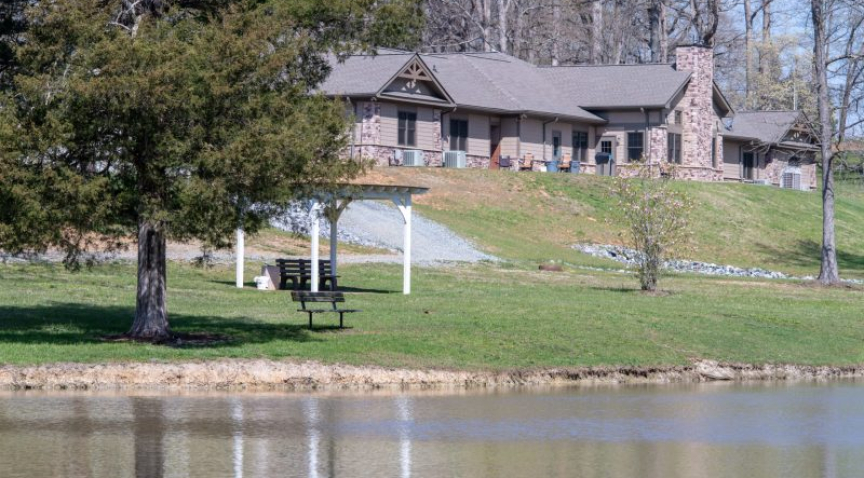
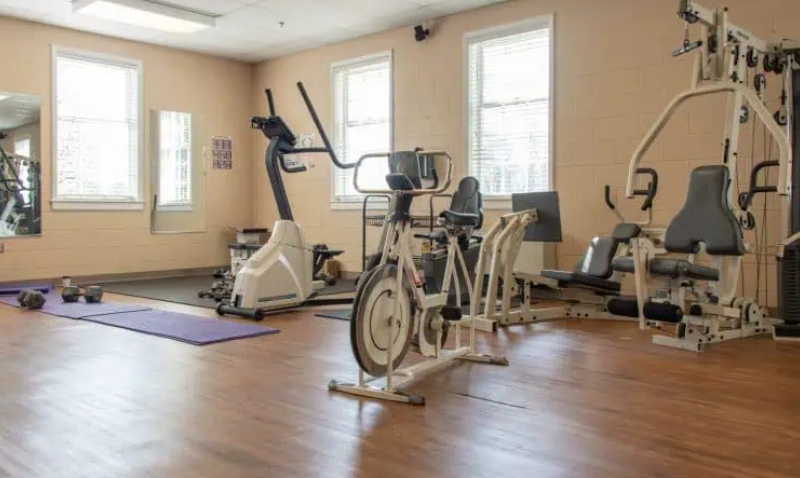
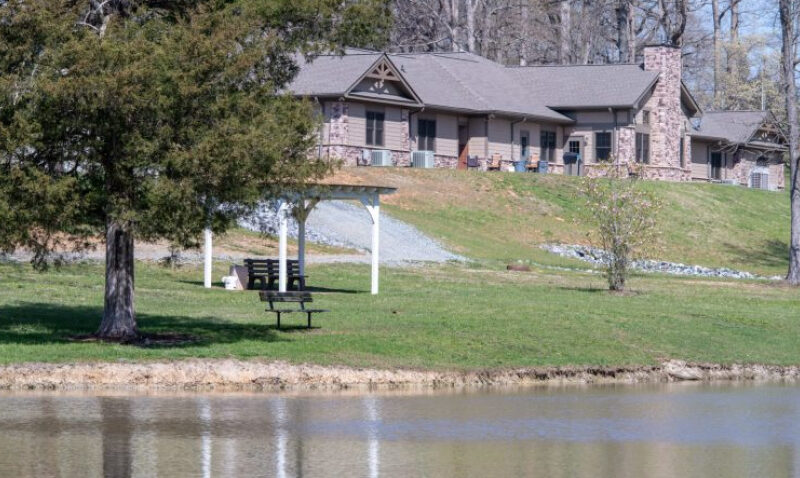
Fellowship Hall 3 photos

Comparison facts and sources
Private, not-for-profit 96-bed specialty hospital for adults aged 18 and older, with medical detox, residential treatment, partial hospitalization, intensive outpatient and extended-care options in Greensboro. · 5140 Dunstan Road, Greensboro, North Carolina 27405
- Published fee information
- Quote required
- Before admission
- Published lengths are planning averages or program descriptions, not guarantees. The current FAQ gives both four- and six-week PHP descriptions; the cost page gives PHP 20–30 and IOP 37–45-day averages, while the dedicated IOP page describes eight weeks and 24 sessions. Confirm the current personal calendar and extended-care duration. Adult-only means 18 and older; the young-adult track is part of adult care.
- Continuing care
- Continuing care and alumni support extend recovery beyond discharge; Fellowship Hall describes aftercare and recreational support during the first year after discharge.
Source record ·
Official-source review on October 19, 2026 covers differing PHP and IOP duration descriptions. Confirm the current program calendar and individual recommendation directly; price and coverage information retain their separately stated review date..
Luxury rehab comparison · Fees and inclusions · Selection methodology
Fellowship Hall is an adult-only addiction-treatment provider at 5140 Dunstan Road in Greensboro, North Carolina. Its current continuum includes medically monitored detoxification when needed, residential treatment, partial hospitalization, intensive outpatient care and continuing support for substance-use and co-occurring mental-health concerns.
The provider describes a 30-day primary residential program, PHP whose current duration requires confirmation and an average 16–30-day stay for its women’s lodge. Other options include extended care and a 7–14-day DUI program. Actual placement and length depend on assessment and individual needs.
Fellowship Hall says it is in network with many major insurers but does not accept Medicaid or Medicare. Cost varies with services, stay length and verified benefits. A donor-funded partner referral program may help some uninsured people referred by eligible partners; it is not a general scholarship guarantee.
Preparing for residential treatment in Greensboro
Fellowship Hall’s residential treatment page asks people to arrive prepared for about 30 days, while explaining that the clinical recommendation can be shorter or longer. The program combines individual and group therapy, medical care, activity therapy, family work, and Twelve Step education. It also addresses mental-health concerns alongside substance use. The provider identifies programs for men, women, and young adults, with an additional track for professionals.
This is a structured addiction-treatment setting rather than a stay organized primarily around leisure or unrestricted work. A prospective guest should discuss the presenting concerns, previous treatment, and any responsibilities that affect time away. Ask how the initial recommendation will be reviewed and what a transition to another level of care would involve. The published 30-day starting point is useful for planning, but neither that figure nor the choice of a particular track guarantees a fixed discharge date or an identical schedule for every guest.
Medical detox when the assessment indicates a need
The detox description says the medical team assesses withdrawal-management needs at admission. Fellowship Hall gives a typical period of 5–7 days with ongoing registered-nurse monitoring. It also says participation in therapeutic programming depends on physical health during this phase. The intended sequence is to support a transition into further treatment as the person becomes able to participate.
A proposed admission should explain whether detox is needed and how it relates to the estimated residential stay. Ask whether the first cost estimate covers both phases and what happens if the clinical recommendation changes. People taking prescribed medications should give the medical team a complete list and discuss continuation before arrival. The public program summary does not provide an individual medication plan or establish that every medical presentation can be managed on campus. The assessment, rather than a standard number of days, determines the appropriate starting point.
The women’s program and Kiser Lodge
The dedicated women’s program page describes trauma-informed substance-use treatment in Kiser Lodge, separate from the men’s residential building. It lists individual therapy, women’s groups, clinical support, and a weekly DBT group. The lodge has shared rooms, communal spaces, a game room, and an outdoor patio. A private room can be requested for an additional fee, so private occupancy should be confirmed rather than assumed.
The provider also describes support from an eating-disorder specialist when needed during substance-use treatment. It explicitly distinguishes that support from a separate eating-disorder program. Someone whose primary need is specialized eating-disorder care should therefore discuss suitability directly with the assessing team. For those considering the women’s residential program, useful questions include the assigned room, the current group schedule, how trauma-related concerns enter the plan, and any support needed around family responsibilities. The individual recommendation determines which services are appropriate during the stay.
What a day on campus can involve
The campus page provides a sample residential schedule with breakfast, a community meeting, educational work, group therapy, activity time, and evening recovery meetings. It says guests meet their individual counselor twice weekly for 50 minutes. These are useful planning details, although the current personal timetable should be confirmed. The published schedule includes both therapeutic commitments and periods of free time rather than continuous individual treatment.
The campus has distinct residential and outpatient spaces. Its Alumni and Outpatient Center houses family programs, PHP, IOP, recovery groups, and outpatient counseling. Outdoor features include a wooded meditation trail and gardens, while the center includes a gymnasium and basketball court. Someone with mobility or accessibility needs can ask which buildings their program uses and how movement between them is supported. Photographs and recreational facilities help explain the environment, while the actual weekly schedule gives the clearest view of treatment time.
Understanding the PHP schedule
Fellowship Hall’s partial-hospitalization page describes a Monday–Friday schedule from 9 a.m. to 3 p.m. It presents PHP as structured day treatment, often after residential care and before a less intensive outpatient arrangement. The program includes individual and group work, case management, life-skills support, and activities such as yoga, music, art, and mindfulness. The page also describes weekly access to a therapist and psychiatrist.
Participants return home or to an appropriate living arrangement outside program hours. This makes transport, the evening environment, and the receiving schedule important parts of the decision. The dedicated page specifies the weekly pattern without fixing a universal total duration. Ask admissions to confirm the recommended number of weeks and the criteria for moving to IOP. A full weekday treatment schedule may still affect work and caregiving substantially, even though PHP does not include a residential overnight stay.
IOP and the later outpatient options
The outpatient page describes an eight-week IOP with 24 sessions, subject to individual need. The stated pattern is three group sessions totaling nine hours each week, one individual session weekly, and a weekly family group. In-person and virtual options are offered, including daytime and evening sessions. The program follows a Twelve Step framework and includes monitoring of alcohol and drug use.
After IOP, the provider describes an Early Recovery Group that begins with a 12-week commitment and can continue for up to two years. It also offers traditional outpatient counseling for residential-program graduates and family members who completed the four-day family program. Those services have their own eligibility and scheduling arrangements. Confirm the current delivery format, total program calendar, attendance expectations, and payment terms for the particular option. Access to virtual IOP should not be interpreted as automatic approval for every location or every clinical need.
A dedicated program for family members
The family program page distinguishes a four-day therapy program from a monthly education workshop. The four-day program runs Monday–Thursday, 9 a.m.–5 p.m., and combines individual, joint, and group work with education. It addresses communication, boundaries, understanding substance use, and family members’ own support needs. One family member of a residential participant may attend without charge; additional participants pay tuition.
The separate education workshop is open to family and community members and has its own fee. Continuing Family Early Recovery Group options are also described, with weekly participation and a stated expectation of attending Al-Anon or Nar-Anon. These are organized programs rather than unrestricted visiting hours. Before relatives arrange travel, confirm the appropriate program, available dates, consent requirements, and what each person is expected to attend. Family support can be part of the stay while still requiring its own schedule, accommodation, and financial planning.
Communication rules and duration questions to settle
The current FAQ says ordinary visits are not permitted during treatment, while family involvement takes place through its organized programs. It describes access to facility landlines after the first seven days, with personal cell phones stored during the stay. Personal computers and other smart devices are also restricted. These rules matter if a guest expects to work remotely or remain continuously available to family.
The FAQ contains both four-week and six-week descriptions of PHP. That difference needs a current program-specific answer rather than selecting one figure as a universal duration. Confirm the proposed calendar alongside the weekly schedule and financial authorization. Fellowship Hall also says its program is not tied to a particular religion, although Twelve Step recovery has a spiritual component. Discuss how that approach, the communication rules, and the daily commitments fit the person’s needs before deciding on admission.
The professionals track and return-to-work planning
The professionals program is described as a week-long specialized group track addressing the pressures of professional life and the stigma associated with substance-use treatment. It includes a panel with professionals in recovery and additional small-group work led by a medical provider. Published topics include burnout, stress reduction, self-care, workplace risks, and returning to work. The provider also describes working with professional monitoring organizations.
This track is a component of treatment, not a statement that the entire admission lasts one week. People subject to professional monitoring should clarify how the track fits their overall plan and what communication they authorize. Ask what documentation can be provided and which requirements must be agreed with the relevant organization. Participation should not be presented as a guarantee of license retention, professional clearance, or a particular employment outcome. Its practical value is the focused discussion of work-related concerns alongside the broader clinical program.
The separate self-pay DUI program
Fellowship Hall’s DUI program page describes a short residential option of 7–14 days for people facing DUI charges. Participants take part in the standard residential therapeutic program, including education, groups, and individual counseling. The provider says this option is self-pay only. Anyone needing medical detox or wishing to use insurance must instead enroll through the full treatment program described on that page.
A completion letter is available after successful participation. That is documentation from the treatment provider, not a promise about a court’s decision or a substitute for legal advice. A prospective participant should confirm the clinical recommendation, exact stay, cost, and attendance requirements with Fellowship Hall, while discussing any legal requirements with their attorney or the relevant court. The shorter program should not be assumed to meet the needs of someone who requires a more extensive assessment, withdrawal management, or continuing residential treatment.
Insurance authorization and financial assistance
The cost page says charges depend on the treatment plan, services, length of stay, and insurance reimbursement. Fellowship Hall does not accept Medicaid or Medicare. It verifies benefits before admission, but explains that insurer authorization follows the initial medical assessment. A benefit check and an authorized course of treatment are therefore different stages.
The same page gives average lengths of 20–30 days for PHP and 37–45 days for IOP. Confirm how these figures relate to the current program calendar before using them for work leave or budgeting. Ask for expected out-of-pocket costs, room supplements, and the process if recommended treatment exceeds authorized days. The donor-funded Partner Program operates through specified North Carolina agencies and treatment programs for eligible referrals. Fellowship Hall explicitly says it does not offer direct scholarships outside that arrangement. Someone seeking assistance should establish the referral route and eligibility rather than assume a general grant is available.
Continuing contact after discharge
The alumni page describes a continuing-care contact schedule beginning the day after discharge, followed by check-ins at one week, one month, and intervals through the first year. The Alumni Coordinator uses those conversations to ask how the person is doing and identify potentially helpful resources. This provides a specific description of follow-up contact, distinct from a promise of unlimited clinical treatment.
Before leaving, clarify how the coordinator will reach the person, what to do if contact details change, and which clinical appointments need to be arranged separately. Alumni activities, peer meetings, counseling, and medication management serve different purposes. Their availability and costs should be clear in the discharge plan. The provider also discusses collecting outcomes information, but a published marketing summary or individual testimonial cannot establish the result any new guest will experience. The useful planning focus is the actual follow-up schedule and the support available when needs change.
Reviewed against Fellowship Hall’s official pages on October 19, 2026. Current pages use differing PHP and IOP time frames; confirm the individual program calendar, admission recommendation, room arrangement, insurance authorization, and costs directly.
Sources
Official provider pages checked October 7, 2026: Greensboro campus and contact; age, medical monitoring, insurance and program guidance; current levels and duration examples; cost and insurance information.