Excel Treatment Center

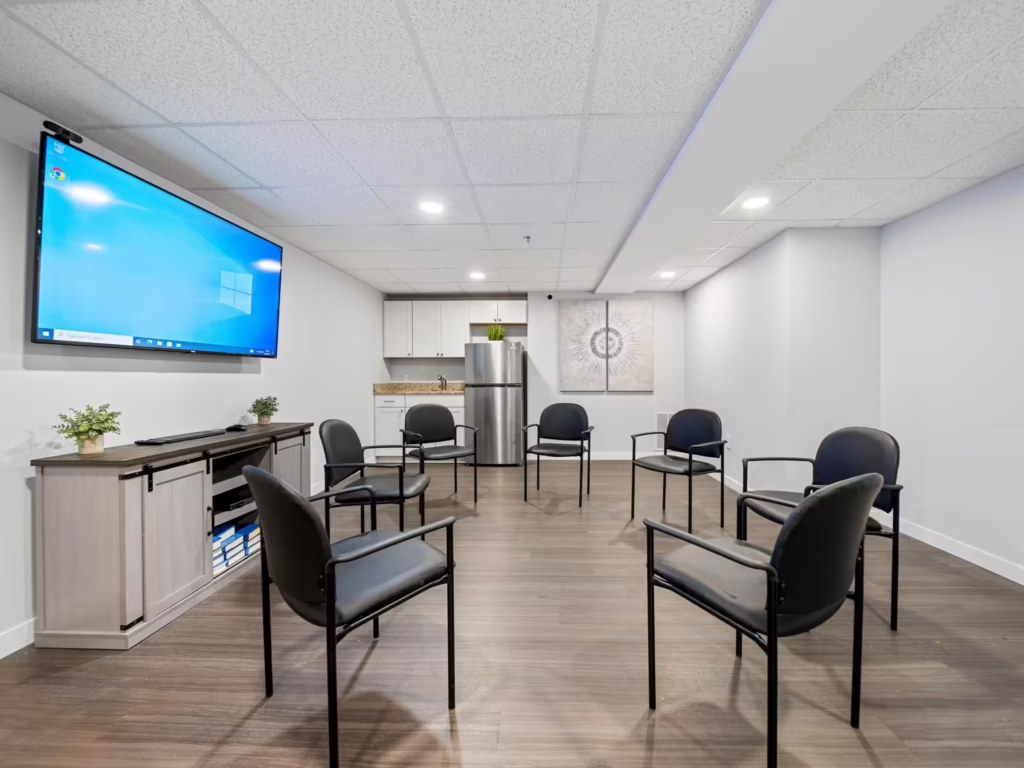

Excel Treatment Center 3 photos



Excel Treatment Center in Dover, New Jersey, provides treatment for substance-use disorders, primary mental-health conditions and co-occurring diagnoses. Its core published levels include partial hospitalization, intensive outpatient and standard outpatient care.
Program scope
Excel lists medication-assisted treatment, individualized therapy, family support and aftercare alongside its outpatient programs. Its website also describes arranging withdrawal-management and inpatient options, including through residential partners; prospective clients should confirm whether a recommended service is delivered at the Dover site or by another facility.
Partial care is a full daytime commitment
Excel’s PHP or partial care program describes approximately six hours a day, five days a week. Clients return home or to separate recovery housing afterward. The page lists individual and group work, progress reviews, and optional family involvement.
Ask which days and appointments are required, whether transport is available for the actual route, and what support is needed outside sessions. PHP does not include an overnight clinical bed. A proposed course should identify its review points and accommodation arrangements rather than relying on a general program-length range.
Published IOP hours need clarification
The dedicated IOP page describes six to 30 hours weekly and encourages attendance six days a week. The PHP comparison instead describes IOP as roughly three three-hour sessions. These descriptions need confirmation against the actual cohort being offered.
Request the current timetable, required days, and individual appointments before arranging work or school commitments. The IOP page describes people living locally and a connection with Milestone House for those needing housing. That does not establish that accommodation is included in the clinical program or suitable for every applicant.
Standard outpatient care is less intensive
The outpatient program describes a typical starting pattern of one session a week lasting about an hour, with scheduling adjusted to individual needs. It is presented as ongoing support for people who do not need residential supervision or the greater commitment of IOP. Individual counseling, groups, and educational or complementary activities appear within the wider service description.
Ask which of those services the proposed appointment actually includes and how often each is scheduled. A general list of therapies should not be interpreted as all being delivered during one weekly hour. The page discusses flexibility around employment and other responsibilities, but practical help such as transport or childcare should be confirmed directly. The plan should also explain who reassesses the level of care if needs change. Continued outpatient participation is not dependent on fitting a rigid description of a particular recovery stage, and the website does not set one fixed completion date for everyone.
Detox takes place at a partner facility
The current detox page expressly says Excel does not provide detox on site. It describes assessment, placement at a licensed New Jersey partner, and coordination back to Excel when appropriate. The inpatient page also refers to facilities Excel works with, although parts use broader language about its own residential and detox programs. Obtain the receiving provider’s identity rather than interpreting that wording as an inpatient unit at the Dover address.
Ask where withdrawal care will occur, which team is medically responsible, and how transfer and records are coordinated. The partner sets the clinical timeline; a general estimated duration should not determine medication changes or a departure date. Costs and insurance approval should be checked for each provider separately. A later PHP, IOP, or outpatient placement at Excel depends on assessment and arrangements. The connection between services does not by itself establish one combined bill, immediate availability, or a guaranteed transition.
Medication care should identify the actual prescriber
Excel’s medication-assisted treatment page describes combining medication with counseling and behavioral care. It discusses both substance-use treatment and medication for accompanying psychiatric symptoms. Those are related clinical responsibilities, but they are not the same prescription decision or a universal regimen.
Before starting a program, ask which medicines can be managed through Excel, which require another service, and who will coordinate existing prescriptions. The person should receive individualized advice from a qualified prescriber about benefits, risks, monitoring, and continuation. A website list of medication names does not establish that every option is dispensed at the Dover site or appropriate for each diagnosis. Likewise, the duration of medication treatment should not be inferred from the length of PHP or IOP. Confirm how medication reviews fit around therapy sessions and how continuity will be maintained during transfers. Do not independently stop or change prescribed treatment to meet an assumed program requirement.
Psychiatric consultation informs the treatment plan
The psychiatric consultation description considers medical history, mental health symptoms, physical health, and social or family circumstances. Excel presents the consultation as part of understanding the person’s needs and selecting appropriate treatment. It does not establish that one assessment will resolve every diagnostic uncertainty.
Bring relevant prior evaluations, an accurate medication list, and information about earlier treatment. Ask who conducts the assessment, what follow-up is planned, and how conclusions will be discussed with the client and existing clinicians. A broad list of psychiatric conditions on the page should not be treated as proof that every severity can be managed in outpatient care. The receiving team needs to explain its capabilities and any recommended outside assessment. The useful outcome is a clear plan connecting the identified concerns with specific appointments and responsibilities, including what to do if symptoms change between visits or a higher level of support becomes necessary.
Telehealth requires a defined remote care arrangement
The telehealth service describes remote assessment and therapy as an alternative or addition to in-person visits. Excel says a licensed professional evaluates the client’s history and needs before recommending a suitable approach. The page contains pandemic-era context, so its description should not be assumed to establish the current format of every program.
Ask which services are presently offered remotely, where the client may be located during appointments, and whether any in-person visits remain necessary. Confirm the platform, session length, privacy arrangements, and how to contact the team if the connection fails. Remote therapy is not an automatic substitute for withdrawal monitoring or continuous clinical supervision. It is also useful to establish whether the same clinician follows the person across in-person and online appointments. Benefits and charges should be checked for the actual remote service, rather than assumed from coverage for an office visit or another level of care.
Aftercare planning connects treatment with everyday needs
The continuing-care page describes case managers, counselors, and therapists working with clients near the end of treatment to plan what follows. Areas for review include housing, employment, continuing clinical support, and whether a different level of care is needed. Milestone House is named among the recovery-housing connections.
Ask for actual appointments and contacts, rather than a general assurance that support continues. If housing is proposed, clarify the residence, occupancy, rules, charges, and relationship to ongoing treatment. The provider’s long-term commitment language does not establish that every future appointment or housing expense is included in the original fee. Peer meetings and alumni activities should also be distinguished from scheduled clinical follow-up. A useful transition plan explains who reviews medications, how emerging difficulties are assessed, and who helps arrange another service if necessary. Continuing care can support a transition without guaranteeing that relapse or further treatment needs will never occur.
Case management coordinates agreed goals and referrals
The case management model describes engagement, assessment, goal setting, implementation, monitoring, review, and an eventual closing discussion. Its emphasis is on understanding how clinical and practical issues interact and arranging relevant services. The page says family or friends may contribute information with the client’s permission.
Ask whether a case manager is assigned within the proposed program and which tasks that person will handle. The plan might distinguish arranging a referral from directly providing therapy, prescribing, or housing. Agree on a few specific priorities and how progress will be reviewed, especially when appointments involve outside providers. Coordination should not be mistaken for a guarantee of employment, financial assistance, or completion of every referral. Before the relationship ends, request the ongoing contacts and any unfinished actions. That makes the service’s role understandable and helps avoid a gap in responsibility when moving from intensive treatment to less frequent appointments.
Family sessions have their own schedule and goals
Excel’s family therapy page describes sessions lasting approximately 45–90 minutes, usually every one to three weeks, with at least three sessions suggested. Its stated focus includes communication, trust, boundaries, and understanding how substance use affects relationships. This is a published description to discuss with the assigned therapist, not a guaranteed schedule for every treatment plan.
Ask who participates, whether sessions are online or in person, and how consent and individual privacy are handled. Family involvement should be planned around the client’s needs and relationship safety. Joint work should not be presumed appropriate where someone feels unsafe, and it does not require a promise of reconciliation or forgiveness. Clarify the fee, expected review points, and arrangements for relatives who need their own support. A session count also should not be confused with the client’s overall program duration or an unlimited entitlement to future family therapy.
Admission and financial review are separate steps
The admissions page offers a benefits check and describes assessment followed by intake documents, consent, and financial agreements. Excel says it works with many insurers, but the individual plan and the service being requested determine the relevant coverage discussion. No single published figure establishes the cost of every program.
Ask for a written estimate that identifies therapy, psychiatric appointments, testing, and any other expected charges. If a partner facility or recovery house is involved, obtain its separate terms as well. Clarify authorization requirements, personal responsibility, and the review process when treatment length changes. Supplying insurance information is not the same as clinical acceptance or approval of every service. Before making arrangements, obtain the actual first appointment, receiving address, documents required, and contact for unanswered questions. The general admissions guide should not be used to infer an overnight stay at Dover when the accepted service is outpatient care.
The local recovery community is an additional resource
The provider’s description of its approach connects clinical care with Milestone House and the Good Bean Cafe, described as nearby recovery-community resources. It discusses opportunities for social connection and, where available, employment within that community. These activities are separate from the clinical work of an outpatient appointment.
Ask which community options are currently active and relevant to the person’s interests. Participation in a cafe, peer activity, or housing community does not establish ongoing medical supervision or a guaranteed job. Someone with suitable housing and an existing support network may need a different combination of resources. The useful question is how the agreed treatment plan fits into everyday life: travel to appointments, relationships, work or study, and access to support outside sessions. Local connections can be part of that plan, while the responsible clinical professionals and the actual treatment schedule remain clearly identified.
Provider information reviewed October 19, 2026. Confirm the current Dover program, published timetable differences, partner-facility arrangements, clinical responsibilities, and individual financial terms with Excel.
Contact and payment
The center is at 58 N Sussex Street, Dover, NJ 07801 and lists 973-352-0845 for help. Excel works with many insurance providers and private payment; exact benefits, any government-plan participation, program length and out-of-pocket cost require individual verification.
Official sources: Excel Treatment Center, contact, treatment programs, continuing care and insurance guidance. Official sources checked October 13, 2026.