Columbus Springs Dublin



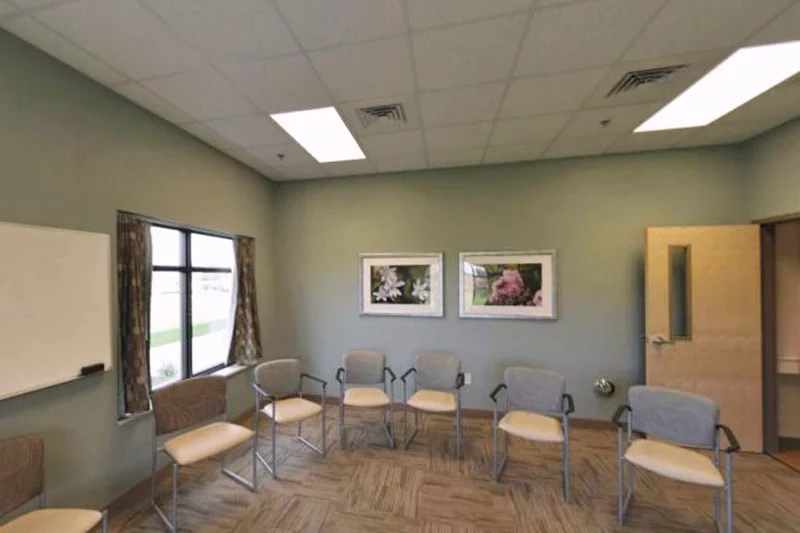
Columbus Springs Dublin 3 photos


Comparison facts and sources
Dublin behavioral-health hospital providing 24-hour inpatient mental-health and addiction care, medically supervised detox, and assessment-led PHP and IOP step-down services. Columbus Springs Changes is a separate Dublin outpatient clinic at 6810 Perimeter Drive. · 7625 Hospital Drive, Dublin, Ohio 43016
- Published fee information
- Quote required
- Before admission
- This profile is for the 7625 Hospital Drive inpatient hospital. Columbus Springs Changes at 6810 Perimeter Drive is a separate outpatient clinic, even though network program pages describe both facilities.
- Continuing care
- Discharge planning begins during inpatient care. PHP can follow inpatient stabilization or detox, IOP can follow PHP, and the clinical team arranges follow-up with community providers for continued recovery.
Source record · October 15, 2026
Provider-published information checked October 15, 2026. Confirm the recommended level of care, exact length, Hospital Drive versus Changes location, insurer authorization and itemized patient responsibility before admission.
Luxury rehab comparison · Fees and inclusions · Selection methodology
Dublin hospital campus
Columbus Springs Dublin is a behavioral-health hospital at 7625 Hospital Drive in Dublin, Ohio. It treats mental-health and substance-use conditions and accepts walk-ins 24 hours a day. The separate Columbus Springs Changes outpatient clinic is not this hospital campus.
Levels of care
The current Dublin campus page lists emergency mental-health services, inpatient psychiatric treatment, outpatient mental-health treatment, medical detoxification, inpatient substance-use treatment and outpatient substance-use treatment. Partial hospitalization and intensive outpatient programs are available, with telehealth offered for marked outpatient services.
Insurance and costs
Columbus Springs says it is in-network with most major insurers and may work with other plans out of network. Patient cost depends on coverage, deductible, coinsurance, service and independent-practitioner charges. The provider publishes a Dublin price list for uninsured estimates but says it is not a guaranteed patient total, so obtain a program-specific estimate before admission.
Confirm the hospital or outpatient address before traveling
The Dublin campus page identifies the behavioral health hospital at 7625 Hospital Drive and says walk-ins are accepted around the clock. It lists inpatient mental health and substance-use programs, detox and linked outpatient services. Marked outpatient services have a telehealth option.
Ask the admissions team where the assessment and proposed treatment will take place. A service appearing within the same provider’s program list does not mean every appointment occurs at the hospital address. This matters for transportation, visiting and any transition from overnight care to scheduled outpatient sessions. Confirm whether an assessment is in person, by telephone or by video, and whether that arrangement applies to assessment only or to the treatment itself. Have current medication and insurance information available so the team can direct the inquiry to the right service and explain the next step.
Changes is a separate adult outpatient clinic
The Columbus Springs Changes location page lists 6810 Perimeter Drive, Suite 100B, Dublin. It describes outpatient programs for adults with mental health and substance-use concerns, including PHP and IOP. The published location hours are Monday through Friday, 9 a.m.–3 p.m., with an assessment contact for people age 18 and older.
Those office hours do not necessarily describe the precise attendance requirements for every program. Ask which sessions you would attend, how long each day lasts and whether an approved virtual format is available. Plan for travel and the support needed between visits. The clinic listing should not be interpreted as overnight accommodation or continuous medical monitoring at home. If the team recommends moving from the hospital to Changes, confirm the receiving clinician, start date and any separate insurance authorization before considering the transition arranged.
Emergency assessment includes a medical safety check
For a medical emergency or suspected overdose, call 911. Columbus Springs’ emergency mental health information describes adult services for people age 18 and older who need urgent psychiatric or substance-use assessment. The process includes identification, basic information, vital signs and a mental health assessment when medically appropriate.
The provider says people whose vital signs indicate a medical condition requiring treatment are transferred to a local emergency department before returning for psychiatric assessment after stabilization. This is an important distinction when deciding where to seek immediate help. Describe current symptoms and safety concerns directly rather than treating a routine online inquiry as emergency care. The assessment then informs a recommendation, which may include inpatient stabilization or another level of support. The availability of emergency assessment does not mean that all medical emergencies can be treated within a behavioral health hospital.
Inpatient psychiatric care focuses on safety and stabilization
The inpatient mental health description explains that a psychiatric and physical evaluation considers safety, stability and ability to function. Treatment may include group therapy, regular psychiatric review, medication and other activities. The page describes semi-private rooms and begins discharge planning from the start of the stay.
Ask the team to explain the immediate goals, how progress is reviewed and which changes would support a safe discharge. Discuss current medicines and any difficulties with previous treatment. If substance use is also present, clarify how withdrawal and psychiatric needs will be managed together. Family visitation is described as available, but the current unit arrangements and patient preferences should be confirmed. A hospital program is best compared through its clinical capabilities, care plan and transition arrangements; an attractive room or recreational area cannot establish whether the service matches the person’s current level of need.
The initial mental health assessment can lead to different recommendations
The mental health overview describes assessment of symptoms, experiences and previous behavior, followed by medical-team review. The provider says recommendations may include inpatient or outpatient care. Its description also includes psychiatric input, group treatment, family education and other activities within a personal plan.
Use the assessment to explain what daily life currently looks like: sleep, self-care, work or school, relationships and the help already available. Bring previous treatment information where possible and distinguish a confirmed diagnosis from a concern that still needs evaluation. Ask why the suggested setting is appropriate, what alternatives were considered and what the next review will assess. A comprehensive program list is useful for identifying possibilities, but the recommendation should be specific enough to explain the expected goals and responsibilities for the individual. Ask who to contact if symptoms change before the planned start.
Detox length depends on the clinical assessment
The detox page describes inpatient withdrawal monitoring with medication when appropriate. Assessment includes substance-use and medical history, current symptoms and other factors that affect the treatment plan. The provider explicitly says there is no single typical detox period; its example of up to ten days for some alcohol or benzodiazepine cases is not a limit for every person.
Tell the team about previous withdrawal complications and all current prescribed or nonprescribed substances. Ask how medication decisions and any medical complications will be handled. The page describes participation in therapy as people stabilize and possible referral to further treatment. Clarify whether the next step would remain inpatient, move to outpatient care or require another service. The aim of planning is continuity: a predicted detox duration should not replace assessment of medical stability or the need for further psychiatric and substance-use support.
Inpatient substance-use care continues beyond withdrawal management
The inpatient substance-use program describes assessment, detox when needed, and continued therapy. Its services include support groups, family meetings, activities and education. It also describes care for people who have substance-use concerns alongside acute mental health symptoms.
Ask which parts of the proposed stay address medical stabilization and which focus on continuing treatment. The provider says inpatient duration is individualized, so clarify how the team will explain progress and make discharge decisions. Discuss the home environment and the practical support available after leaving. A discharge recommendation may include outpatient treatment and community groups; identify the specific program and the arrangements actually made. This helps distinguish ongoing clinical care from an informal suggestion to seek support later. If alcohol or drug use has affected work or family responsibilities, raise those needs early enough for them to be considered in planning.
PHP offers structured treatment without overnight hospital care
The partial hospitalization description presents PHP as an option after assessment or following inpatient stabilization when 24-hour monitoring is no longer needed. It emphasizes small-group psychotherapy, medication management when necessary and selected individual or family counseling. The page gives an approximate two-to-four-week program example.
Ask for the actual attendance schedule and receiving location, because a program name alone does not establish daily hours. Discuss how transport, work and support at home will fit around treatment. The plan should also identify what to do if symptoms become difficult to manage outside sessions. A transition from the hospital to PHP should include medication instructions and the next clinical appointment. The published duration is a guide to the program’s structure, while the actual course depends on the person’s needs and progress. Confirm whether a later IOP step is proposed or only one possible option.
IOP provides a different intensity of outpatient support
The IOP description addresses people who need more support than individual counseling alone and some people moving from a more intensive setting. Group topics include recognizing warning signs, managing emotions, communication, problem-solving and relapse prevention. Individual or family counseling and medication management may be included when indicated.
The page describes an approximate four-to-six-week course, but the current days and hours should be confirmed for the selected program. Ask how treatment goals will be measured and who will manage ongoing prescriptions. If working or studying, verify the schedule before committing rather than assuming that every IOP is an evening program. At completion, the provider describes arranging community follow-up. Ask which appointments are booked and what support is available while waiting for them, so that the end of structured attendance does not leave uncertainty about continuing care.
Outpatient addiction treatment requires a workable home plan
The outpatient substance-use page describes care for people who do not need inpatient treatment or crisis stabilization. It considers the home environment and whether detox has been completed or is unnecessary. Its program examples describe PHP on five days a week for up to six hours a day, and IOP on three to five days with approximately three-hour sessions.
These are provider program descriptions, so obtain the current schedule for the service recommended to you. Discuss how medication appointments, family meetings and recovery support fit into the attendance plan. Explain any barriers to returning home safely or keeping appointments. The provider’s wider one-to-three-month outpatient range reflects variation across programs rather than one fixed requirement. The practical decision is whether the proposed intensity and home support match the person’s assessment, with a clear route to more care if needs change.
Prepare for the stay and the discharge conversation
The preparation guide asks patients to bring current medications, including over-the-counter products and inhalers, plus five sets of suitable clothing. Laundry is available. Some electrical personal items are stored and used only under supervision. Confirm the current packing rules and any arrangements for medical equipment before arrival.
The guide also explains team responsibilities: medical staff coordinate treatment and discharge decisions, nurses administer prescribed care, and therapists or social workers help connect the patient, family and team. Before discharge, a therapist reviews the plan and questions about medications and follow-up. Use that meeting to confirm where the next appointment occurs, who will prescribe and what information you should take home. Alumni support is described as available to people completing treatment, but its current format and schedule should be checked separately from professional follow-up appointments.
The published price list is not a personal bill estimate
The insurance and payment page describes benefits verification and help from a financial counselor. It publishes separate price information for Dublin and Columbus Springs East. The provider cautions that listed prices are estimates for specified services and may omit complicating factors or independently billed practitioners.
Ask about the actual recommended program, network status, deductible, coinsurance, authorized days and additional professional charges. The public list is not presented as the amount an insured patient will owe. If moving from inpatient care to PHP or IOP, confirm whether a new authorization or different billing arrangement applies. Keep a written explanation of the expected costs and whom to contact about changes or questions. Financial clarification should support access to the appropriate care, while an urgent medical or safety concern requires immediate assessment rather than waiting for a routine quotation.
Provider-specific information reviewed October 19, 2026 against the linked official sources. Confirm the hospital or outpatient location, current schedules, clinical eligibility and personal coverage directly.
Sources and verification
Columbus Springs Dublin official campus page and official insurance and payment information, checked October 10, 2026. This profile summarizes provider-published information and is not an independent clinical assessment.