Driftwood Recovery
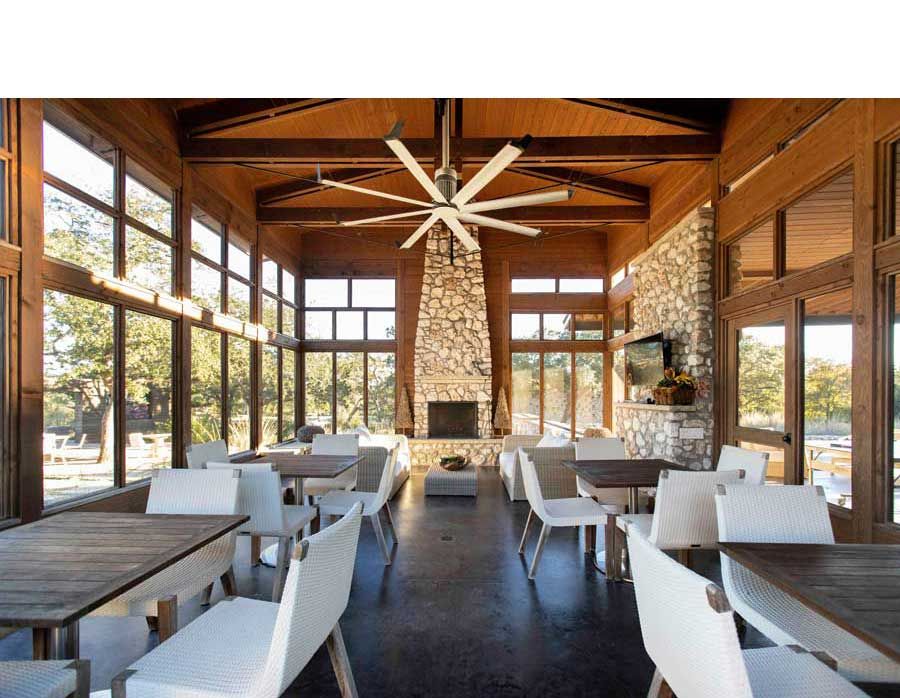


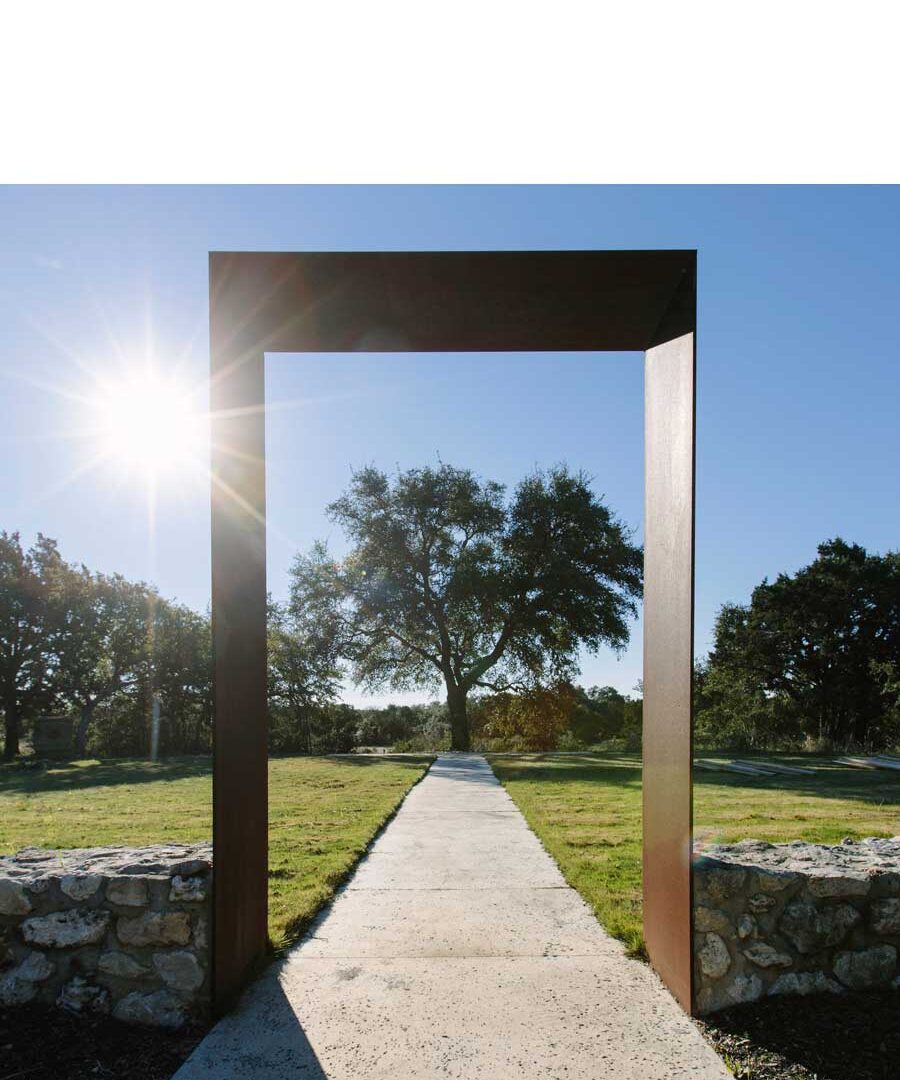
Driftwood Recovery 4 photos




Comparison facts and sources
Austin-area residential addiction and co-occurring-disorder campus with step-down through partial hospitalization, sober living, intensive outpatient care and community integration. · 1905 Elder Hill Road, Driftwood, Texas
- Published fee information
- Quote required
- Before admission
- The continuum contains distinct residential, PHP, sober-living and IOP components; not every component is included in every admission.
- Continuing care
- Discharge planning can transition clients into community integration, supportive sober living and intensive outpatient programming when appropriate.
Source record ·
Provider-published information checked October 14, 2026.
Luxury rehab comparison · Fees and inclusions · Selection methodology
Driftwood Recovery provides residential treatment for adults with addiction, co-occurring mental health concerns and chronic pain in the Texas Hill Country. Its main campus is at 1905 Elder Hill Road, Driftwood, TX 78619.
The published pathway includes medical detoxification or stabilization and assessment, residential treatment, community integration, and family and alumni support. Later stages may involve partial hospitalization, intensive outpatient or outpatient care and supportive housing at separate properties, including Riverside House and Grad House.
Treatment plans are individualized and may include individual and family therapy, psychiatric care, wellness activities and practical support for returning to daily life. Admissions: +1 512-759-8327.
Ask admissions for a written program-specific fee, insurance terms and expected duration. The provider describes an individualized sequence of care rather than one preset residential stay.
A treatment pathway with several distinct stages
Driftwood’s program overview separates stabilization and assessment, residential treatment, community integration, and continuing family or alumni support. Later care can include partial hospitalization, intensive outpatient treatment, standard outpatient work or supportive housing. This matters when comparing an offer: the Driftwood name covers a sequence of services rather than one residential package with every stage automatically included.
The residential program serves adults with addiction, co-occurring concerns and chronic pain. A proposed pathway should identify where the person will begin, what the initial assessment is intended to resolve and how the next placement will be chosen. It should also distinguish clinical services from accommodation. A family budgeting for a residential admission needs to know whether a subsequent period in supported housing is anticipated and separately charged. Driftwood describes its approach as adaptable, so a brochure’s sequence is best treated as a map of available resources rather than a commitment that every person follows every stage.
Assessment can be a service in its own right
The stabilization and assessment page describes an average assessment period of seven to ten days. That figure refers to the evaluation process; it should not be presented as the universal length of detox or the full residential stay. The provider says assessment may take place alongside treatment or as a standalone service.
The published assessment can draw on cognitive and personality testing, substance-use history, trauma history, nutrition, medical information and physical wellness. Led by the psychology team, it is intended to clarify the formulation used in treatment planning. For someone with previous assessments, the useful questions are which records can be reviewed, what new questions need answering and what written feedback will be provided. Ask how recommendations are communicated to the person and any referring clinician, with consent. If the assessment is booked independently, clarify what happens at its conclusion and whether a recommendation for further treatment creates a separate admission decision and cost.
Residential therapy, relationships and chronic pain
Driftwood’s residential description places individual and family therapy within a shared therapeutic community. Its attachment-oriented approach emphasizes relationships, practical coping and wellness. The page also identifies chronic pain among its areas of focus, with psychological, medical and physical-wellness input considered together.
This combination is relevant to someone whose substance use and pain history have become difficult to separate. It does not establish that every pain condition can be managed at the campus or that a particular treatment will remove pain. A prospective resident should ask how existing pain diagnoses, medication history and outside specialists will be incorporated into the assessment. Clarify which services are provided by the core residential team and which would require an outside consultation. The provider describes individual plans rather than a uniform therapy schedule. A useful proposal therefore explains the main goals of admission and the expected mix of individual sessions, group participation, family work and physical activity for that person.
Medical oversight within the residential plan
The published biography of medical director Rey Ximenes, MD describes responsibility for medical services, an initial assessment and ongoing weekly consultations. His provider-listed focus includes pain management. This identifies a medical role within the program without establishing that every service mentioned in a professional biography will form part of an individual admission.
For a person arriving with several prescriptions or an existing pain specialist, ask who reconciles medication records and how the team communicates with the usual prescriber. A written plan should explain the responsibilities of the residential medical team and any outside clinician. It is also useful to distinguish scheduled medical consultations from the route for an unexpected health concern. The biography includes a broad range of approaches, but availability, clinical appropriateness and any additional cost need to be discussed separately. Choosing the program should rest on an agreed care plan rather than assuming that a long list of practitioner interests is a guaranteed treatment menu.
Wellness work that can continue beyond the campus
Driftwood identifies Ryan Potter as director of wellness. His role includes developing health and fitness programs and helping residents establish individualized routines. The provider’s emphasis is on activity that can be sustained, which is a useful distinction from treating the stay as a short, intensive fitness experience.
A prospective resident can discuss current activity levels, pain-related limits, confidence about exercise and what equipment or space will be available after returning home. Those details help make a residential routine practical outside the treatment setting. Ask how the wellness team coordinates with medical and therapy staff, especially when pain or physical limitations are part of the admission. An individualized activity plan should identify what is appropriate now and what can be reviewed later, without requiring the resident to keep pace with other members of the community. The published wellness role also offers a clear person or department to contact about accessibility and adaptations before travel.
Community integration and the South Congress program
The community integration page identifies the South Congress, or SoCo, location as an intensive outpatient setting with psychotherapy and vocational counseling. It also describes Riverside House as supportive housing in Austin. These are practical next-stage resources, distinct from sleeping at the main residential campus.
The program focuses on developing daily routines, community connections and a meaningful role through work, volunteering or education. A person stepping down from residential care should clarify the exact combination being recommended: the treatment location, accommodation address, weekly clinical schedule and support available outside appointments. Housing and outpatient treatment should not be treated as interchangeable services. Ask whether transport is arranged between them and how responsibility is divided when an issue arises at home rather than during a session. The provider says community-integration work can feature across levels of care, so preparing for everyday responsibilities may begin before the move into a less intensive setting.
What is different about Grad House
Driftwood describes Grad House as a more independent stage than Riverside House. The published expectations include maintaining sobriety, holding a meaningful role and demonstrating the ability to function with greater independence. It is therefore a specific supported-living option with readiness criteria, rather than an automatic destination for everyone who completes residential treatment.
Residents considering this stage should ask how those criteria are assessed and what support remains available once they move. Practical details include expectations around work or study, household responsibilities, appointments and contact with the Life Integration Team. The provider describes support being available as needed, which is different from continuous residential clinical supervision. Clarify the accommodation agreement and any separate clinical arrangements before committing to a move. The point of this stage is to practice a more self-directed routine, so the proposed level of independence needs to match the person’s circumstances, available support and progress rather than simply the number of days already spent in treatment.
The Life Integration Team and everyday responsibilities
Driftwood’s Life Integration Team description focuses on putting treatment work into practice outside the residential setting. The provider describes working with clients who have completed residential care and demonstrated a period of sobriety, helping them develop meaningful activities and maintain new routines in the wider community.
This makes the team’s role different from another block of residential therapy. The practical work concerns how recovery fits alongside ordinary responsibilities and relationships. Ask which goals will be addressed, how contact is scheduled, and what support can continue if the person returns to another city. A plan might need to coordinate treatment appointments with employment, education or family commitments; the actual tasks should be agreed rather than inferred from the program’s broad description. It is also important to know when the Life Integration Team’s involvement ends and which local services take over. That makes the transition reviewable and avoids treating ongoing support as an undefined promise.
The Courageous Family Program
The Courageous Family Program gives loved ones their own structured work alongside the resident’s treatment. Published topics include communication, boundaries, self-care, community support, and education about addiction and chronic pain. The program also offers families an opportunity to understand something of the treatment experience.
That is more specific than simply inviting relatives to visit. It creates a place to discuss patterns of interaction and what practical support will look like after the stay. A family should ask who can participate, how the program relates to individual family sessions, and whether remote participation is available when travel is difficult. The resident’s consent and the clinical team’s judgment remain relevant to information sharing and joint work. Participation should not be assumed to require reconciliation with every relative or to resolve longstanding relationships in a single event. Before booking travel, confirm the dates, format, accommodation arrangements and any charge for the family program.
The main campus and continuing alumni connections
Driftwood’s provider overview describes its flagship residential setting as 85 acres in the Texas Hill Country. It distinguishes that campus from Riverside House, Graduate House and the wider integration team. The same overview describes alumni chapters in several US cities and continuing resources for former clients and families.
The extent of the grounds helps explain the residential setting, but it does not establish private-room occupancy or exclusive use of the property. Confirm the actual room and shared-space arrangements for the proposed stay. For a person returning far from Texas, the alumni network may offer a connection beyond the campus; ask which groups are currently active and accessible. An alumni relationship should be separated from scheduled professional care, particularly if medication, therapy or a higher level of support will still be needed. Driftwood’s description allows different combinations of services over time, so the aftercare plan should identify the specific resources being arranged rather than relying on the breadth of the network alone.
Insurance verification and costs across the pathway
The provider offers an insurance-verification process that collects plan and policy details. The existence of this form does not establish a particular insurer’s network relationship or the benefits available under an individual policy. Request a written explanation of the proposed clinical services and the estimated personal responsibility.
Driftwood’s several treatment and housing stages make the scope of that estimate especially important. A residential authorization should not be assumed to include later accommodation, outpatient appointments or integration support. Ask for separate figures where those components are recommended, and clarify how an extension or change of level will be approved. The estimate should distinguish the provider’s charge from any reimbursement expected from an insurer. If treatment begins before a later stage is decided, agree on how the next financial decision will be communicated. That gives the client and any payer a usable plan while preserving the clinical team’s ability to recommend a different sequence when appropriate.
Additional details were reviewed against publicly indexed official Driftwood Recovery pages on October 19, 2026. Program availability, individual suitability, accommodation and financial terms should be confirmed directly.
Official sources checked October 5, 2026: Provider overview and contact; Levels of care; Residential program; Insurance verification. Availability, suitability, coverage and charges should be confirmed directly with the provider.