David Lawrence Centers


David Lawrence Centers 2 photos
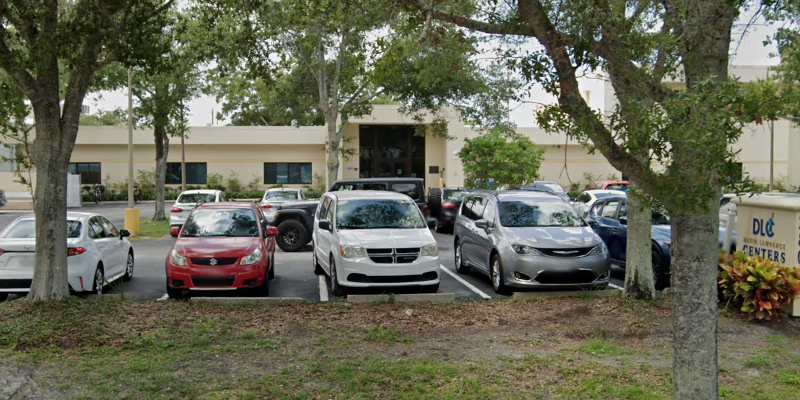
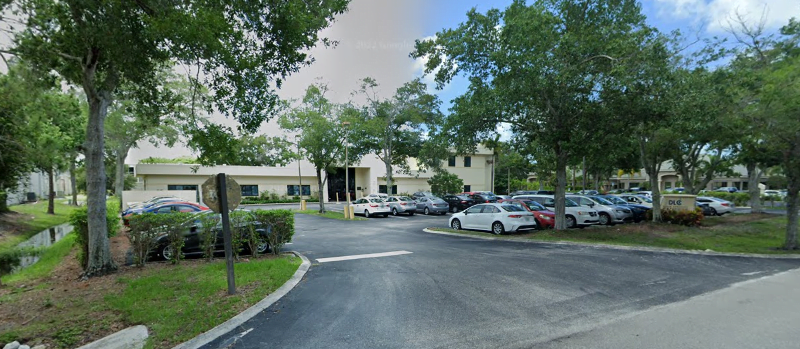
Comparison facts and sources
Multi-location nonprofit behavioral-health network. The Naples Bathey Lane campus includes detox, crisis care and the separate 18-bed Crossroads adult residential substance-use program; outpatient and virtual services are distinct. · Naples and Collier County, Florida, United States
- Published fee information
- Quote required
- Before admission
- Crossroads is an 18-bed adult residential program typically lasting 2 to 5 weeks. Detox, outpatient and crisis-service durations are program-specific. The detox page gives conflicting 12-bed and 15-bed descriptions. DLC’s FAQ limits its Medicare contract to outpatient services and says Medicare and certain Medicaid plans do not cover its residential or inpatient services; verify the actual program and policy.
- Continuing care
- Aftercare and recovery-support services are available, but the provider does not publish one universal duration; planning depends on program and individual need.
Source record · October 19, 2026
Reviewed October 19, 2026: Crossroads and detox program scope, the conflicting published detox capacity, and program-specific Medicare/Medicaid guidance. Confirm the receiving service, suitability, available beds, coverage and complete individual costs..
Luxury rehab comparison · Fees and inclusions · Selection methodology
Provider overview
David Lawrence Centers for Behavioral Health is a nonprofit provider serving Southwest Florida. It offers mental-health and substance-use care for adults, children and teens through its Naples main campus, other service locations and eligible virtual care; services must be matched to the correct program and site.
Treatment and locations
The Bathey Lane campus provides 24-hour crisis access, inpatient detoxification and the Crossroads adult residential program. The wider provider offers outpatient and intensive outpatient substance-use care, aftercare, recovery support and behavioral-health services. Residential care includes individualized planning, daily group and individual therapy, wellness activities and recovery meetings. Outpatient programs are not the same as the residential campus.
Access, insurance and costs
General information and urgent help are available at 239-455-8500, with the behavioral-health crisis line at 239-352-4357 and Crossroads residential at 239-354-1428. DLC says it accepts most insurance plans and offers a household-income sliding scale for people without coverage. Crossroads is an 18-bed adult residential program that typically lasts 2 to 5 weeks, depending on individual needs. Detox and outpatient duration, benefits, eligibility and patient costs require program-specific confirmation.
Using the correct location and contact route
The official contact directory identifies the main campus at 6075 Bathey Lane in Naples, the Horseshoe Drive service location in Naples, and a separate Immokalee location. These are different service addresses within the organization. A referral should identify where an assessment or treatment will occur, rather than simply naming David Lawrence Centers and leaving the person to choose a campus.
The directory distinguishes general inquiries from urgent help and lists a dedicated Crossroads residential contact. Its online contact form is intended for general questions, with a response that may take two to three business days. It should not be used for an urgent clinical situation or to send unnecessary sensitive health information. For planned care, ask the access team to confirm the program, appointment location, documents needed, and transport arrangements. People traveling from outside Collier County should establish eligibility and the actual admission plan before booking accommodation or arranging a transfer.
Assessment access and the meaning of published charges
The access and financial FAQs describe walk-in clinical assessments during Access Center business hours, with registration also available through the virtual service. Assessments may take one and a half to two hours. Same-day assessment is a goal rather than a guarantee, so calling ahead is sensible.
The FAQ distinguishes a minimum USD 45 payment due for a same-day self-pay assessment from a stated USD 195 initial clinical assessment fee without insurance. These figures should not be treated as interchangeable full treatment prices. Ask how any income-based discount and remaining balance apply to the proposed visit, and bring the requested identification, insurance, referral, and financial documents.
The same FAQ says DLC contracts with Florida Medicaid and Medicare for outpatient services, while Medicare and certain Medicaid arrangements do not pay for its residential or inpatient services. Eligibility and personal responsibility therefore need confirmation for the exact program, even when a payer is listed elsewhere on the organization’s website.
Crisis services are distinct from a planned residential stay
The emergency mental health service describes around-the-clock crisis support for adults and children, including acute assessment and stabilization. It identifies 239-352-4357 as its 24-hour help line and directs people needing emergency assistance to 911. The page says emergency care is available regardless of ability to pay. These arrangements are different from selecting a scheduled residential substance-use admission or booking an outpatient appointment.
A person in an immediate behavioral health crisis should use the urgent route rather than wait for a routine online inquiry to be answered. For someone already receiving care elsewhere, the referring professional can clarify the appropriate assessment or transfer process. Families should ask the crisis team about age-specific placement, contact arrangements, and the next stage of care after stabilization. Emergency assessment determines immediate needs; it does not automatically mean that a person will enter Crossroads, require a particular length of stay, or qualify for every service in the wider network.
Medical detox and the published capacity discrepancy
The inpatient detox page describes continuous medical and nursing support, daily medical review, and medication when clinically appropriate. It says the detox setting is adjacent to the residential campus and describes walk-in access subject to medical triage. Suboxone is named as an available treatment where appropriate; that is not a promise that every person will receive the same medication or follow the same withdrawal schedule.
The page contains conflicting capacity figures: its introduction refers to 12 beds, while its accommodation description refers to 15 adult beds in five three-person rooms. Confirm the current unit configuration and availability directly instead of treating either figure as a guaranteed bed count. Ask how medical needs, other prescriptions, pregnancy where relevant, and previous withdrawal complications affect admission. A detox episode also needs a plan for subsequent treatment and medication follow-up. The adjacent residential program is a separate stage whose suitability, availability, and funding should be established individually.
What Crossroads residential treatment involves
The Crossroads residential description identifies an 18-bed adult program and a typical two- to five-week stay, adjusted to individual needs. It outlines a structured day running from morning to evening, with individual and group work, recovery education, medical medication management, and psychiatric consultation when needed. Its educational modules cover addiction, thoughts and feelings, relationships, ongoing recovery, and balanced daily routines.
Accommodation is described as shared and gender-specific. The program is tobacco-free, with nicotine-replacement support available, and personal phones or other electronic devices are stored during treatment. The page also describes Sunday family visits and arrangements intended to accommodate parents of young children. Confirm current visiting and communication rules before admission. Some activities, including animal-assisted experiences, depend on eligibility and the treatment plan. The practical comparison is the actual clinical schedule and support offered to the individual, rather than assuming every activity appears in every resident’s week or that a published typical duration determines discharge.
Outpatient programs have different schedules and purposes
The outpatient directory describes several pathways. Its substance-use intensive outpatient program combines counseling and psychoeducational groups, with six to eight weeks given as an average that depends on individual need. The separate Pathways to Healing program serves adults aged 18 and older with mental health or substance-use concerns and lists a Monday-to-Friday schedule from noon to 5 p.m., including lunch and snacks.
The directory also describes an adult substance-use group with evening sessions and a clinically determined seven- to 16-week duration. Those schedules should not be combined into a single DLC outpatient package. Ask which pathway is recommended, how many appointments are required, and how medication management or other services fit into it. Outpatient care assumes a workable plan for the hours spent away from the service. Discuss transport, responsibilities at home, and who to contact if symptoms increase between sessions, especially when stepping down from a more intensive setting.
Virtual care is offered within a Florida service boundary
The Virtual Care Center describes behavioral health services for people of different ages in Florida, including support for depression, anxiety, trauma, grief, relationship concerns, and substance use. It specifies that telehealth is available to Florida residents, with any exceptions dependent on applicable local rules. A website accessible from another state does not establish that clinicians can treat a person there.
Before arranging online care, confirm the person’s physical location during appointments, age eligibility, and whether the recommended service can be delivered remotely. Ask how any necessary physical examination, laboratory work, or medication follow-up will be coordinated. A private space, reliable connection, and an agreed plan for urgent help are practical parts of deciding whether online sessions are workable. Virtual therapy can preserve access while reducing travel, but it does not provide an overnight bed or continuous observation. The appropriate setting should be reviewed if the person’s medical or safety needs change during treatment.
Hope Home is recovery housing with separate admission terms
Hope Home is presented as structured sober living for adult men near the main Naples campus. It offers peer support, house meetings, recovery activities, and opportunities to work with a recovery coach. Residents may come from Crossroads, outpatient care, or another treatment setting. This is a housing and recovery-support service, rather than another name for medical detox or the residential clinical unit.
The page publishes approximate starting rates of USD 22 per day for a shared room and USD 29 for a private room, subject to change. Those are housing rates, not a universal DLC treatment fee. Confirm room availability, deposits, house rules, clinical appointments billed elsewhere, and the current application criteria. The provider describes background screening and expectations for cooperative sober living. A transition plan should establish how residents will obtain medication, attend treatment, travel to appointments or work, and receive additional help if peer-supported accommodation is insufficient for their current needs.
Veteran services include outpatient care and coordination
The veterans service page describes collaboration with Home Base Florida and Warrior Homes of Collier County. It separates peer-oriented case management, outpatient treatment, and a veterans’ treatment court pathway. Case managers help connect people with medical and mental health services, benefits, and housing resources. These functions can be important even when someone does not need an overnight clinical admission.
DLC says outpatient care delivered through its Home Base Florida collaboration is available at no cost to veterans or military families. Confirm eligibility, the services covered by that arrangement, and the referral process; it should not be generalized to every DLC program or every expense. The page also describes specialized PTSD training for its clinicians. A treatment court service has its own legal and referral context and is not a general admission route for all veterans. Ask which team will coordinate care with existing clinicians and how family participation, continuing appointments, and practical support will be arranged.
Plan-specific insurance and income-based discounts
The insurance page lists a range of commercial and public arrangements, including Medicare Part B, Florida Medicaid, and several named insurers. It explicitly says that benefits depend on the policy and the service provided. It also describes discounts for essential services based on family size and income, with staff available to discuss a financial plan.
For a proposed admission, ask billing staff to identify the exact program and professional services being authorized, the deductible or copay, and any charges outside coverage. Out-of-network benefits and income-based discounts should be confirmed rather than presumed. If a person moves from detox to residential care, or from residential to outpatient treatment, the funding arrangement may need another review. Obtain a written estimate that separates clinical care from any housing or other expenses. A broad insurance list is useful for beginning that conversation, but it does not replace verification of the individual’s benefits and remaining financial responsibility.
Compare Florida treatment options, care for co-occurring conditions, and alcohol treatment pathways.
Sources and verification
official provider home page; Crossroads residential program; inpatient detox; official contacts and locations. Checked October 16, 2026. Provider-published information; not an independent clinical assessment.