Coral Shores Behavioral Health


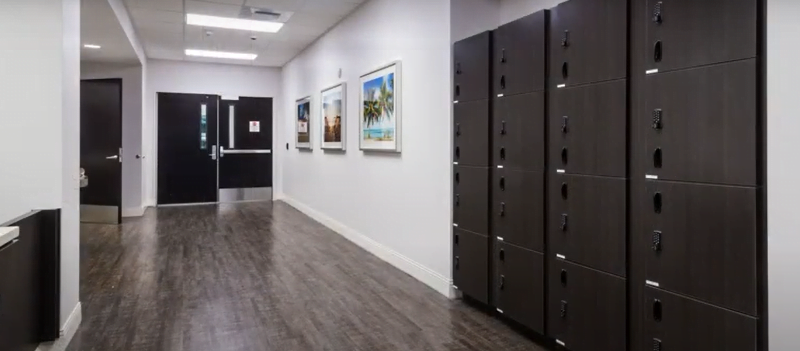
Coral Shores Behavioral Health 3 photos


Comparison facts and sources
Stuart behavioral-health hospital providing inpatient and outpatient care for adolescents, adults and older adults. Adult PHP/IOP and adolescent IOP are offered through Branches; this campus should not be represented as a general residential addiction center. · 5995 SE Community Drive, Stuart, Florida 34997
- Published fee information
- Quote required
- Before admission
- Program, age group, schedule, payer participation and personal responsibility must be confirmed directly. Current official pages do not support assuming a fixed inpatient stay or a stand-alone medical-detox program.
- Continuing care
- Coral Shores describes a continuum from inpatient care to PHP or IOP through Branches, with outpatient therapy supporting emotional stability, sobriety and relapse prevention; the clinically appropriate step-down plan is individualized.
Source record · October 15, 2026
Provider-published information checked October 15, 2026. Confirm inpatient criteria, program, benefits, authorization, estimate and any separate professional bills directly with Coral Shores.
Luxury rehab comparison · Fees and inclusions · Selection methodology
Coral Shores Behavioral Health is an inpatient and outpatient psychiatric facility at 5995 Southeast Community Drive in Stuart, Florida. It provides age-specific mental-health and co-occurring substance-use services for adolescents aged 12–17, adults and older adults. Eligibility and level of care are determined through a confidential assessment.
Inpatient and outpatient services
Published services include intensive inpatient psychiatric care, dual-diagnosis treatment for co-occurring mental-health and alcohol or drug problems, and outpatient partial-hospitalization and intensive-outpatient programs. The adult PHP runs Monday to Friday from 9am to 1pm; adult IOP runs from 9am to noon three days per week. A separate hybrid after-school IOP serves adolescents aged 12–17. These schedules do not establish a standard inpatient length of stay.
The provider does not publish a universal cash price. Program fit, payer participation, authorization and personal costs should be confirmed directly with admissions.
Adult inpatient care focuses on psychiatric needs
Coral Shores describes its adult services for people aged 18 and older whose mental-health difficulties interfere with daily life, work, or relationships. Its intensive inpatient programming is part of a psychiatric treatment pathway. The adult overview explains that the services offered depend on diagnosis, medical history, and the person’s limitations, rather than on a standard package selected in advance.
Alongside treatment, the provider describes recreational activities such as basketball, yoga, music, and art, and support for difficulties with sleep or appetite. These activities sit within the clinical program; the admission decision still depends on the level of care required. Discharge work includes setting practical goals and coordinating additional support, which may involve referrals for housing or food resources. Such referrals should be distinguished from accommodation or financial support supplied by the hospital itself. Ask how the receiving team will connect the inpatient plan with appropriate care after discharge.
Co-occurring treatment addresses both sets of concerns
The dual-diagnosis program is described for people experiencing mental-health problems together with alcohol or drug use. Coral Shores identifies behavioral therapy, medication when appropriate, and support groups among the possible components. Its inpatient approach includes work on recognizing difficulties, managing symptoms, and preparing for ongoing recovery.
For a prospective patient, the key question is how both the psychiatric presentation and substance use will be assessed together. Give the admission team an accurate history of recent substance use, earlier treatment, prescribed medication, and current symptoms so it can determine the appropriate setting. The dual-diagnosis description does not by itself establish a fixed detox protocol, a standard stay, or suitability for every withdrawal risk. Ask which clinical team will oversee each part of the plan and what follow-up is recommended. A transition to another service should reflect the person’s needs at discharge, rather than an assumed sequence applied to every patient.
Teen assessment and family preparation
The adolescent overview identifies ages 12–17 and describes support for mental-health concerns and substance-use disorders. Examples include mood disorders, trauma, self-harm, impulsive behavior, and substance-related difficulties. The provider describes coordinated evaluations involving psychiatrists, nurses, and therapists, with the actual treatment plan determined by the young person’s presentation.
Family and caregiver education is a specific part of the published approach. Before discharge, the team describes meeting with parents or guardians to discuss continuing needs, usually with the young person present, while also allowing separate caregiver conversations. Discharge planning may include outpatient therapy referrals and community resources. Families should ask how the plan will address school, supervision, existing clinicians, and the practical arrangements for attending follow-up care. The program’s stated age range does not establish admission suitability on its own, and the content of family meetings should be confirmed for the individual young person and their circumstances.
The adolescent inpatient setting is structured
Coral Shores describes a secure adolescent unit with a daily therapeutic structure. The published program includes individual and group activities, art and music therapy, recreation, and access to a gymnasium. These are elements of an inpatient setting where the young person stays at the facility while receiving treatment.
The inpatient page also discusses family contact, including visiting opportunities on designated days, daily calls, and mail. Families should confirm the current arrangements for the assigned unit and how contact fits the treatment plan. A published visiting description is not a guarantee that every visit can take place regardless of clinical circumstances. When a less intensive level becomes suitable, the hospital identifies its adolescent outpatient program as one possible next step, including telehealth for eligible participants. Ask whether a follow-up appointment has actually been arranged and whether that program is appropriate for the young person’s needs after discharge.
MedPsych considers psychiatric and medical complexity
The MedPsych program is described for older patients whose psychiatric difficulties occur alongside medical needs. Coral Shores gives examples such as oxygen dependency, incontinence, and catheter care, while also discussing emotional challenges associated with grief, chronic pain, or changing health. The service should therefore be assessed against both the person’s psychiatric presentation and the specific medical support required.
The published program includes nursing care, medication management, therapeutic activities, nutritional input, and family involvement in planning a safe transition. This is a hospital treatment pathway, and the page does not establish that every medical condition can be managed or that admission provides indefinite residential support. Ask which records the receiving team needs, what equipment or assistance it can accommodate, and what would require treatment elsewhere. Discharge planning should address the next care setting and the support available there, including any ongoing medical appointments or assistance that the person will still require.
Branches PHP provides weekday treatment
The partial hospitalization program is offered through Branches, a service of Coral Shores. Its dedicated page publishes a Monday–Friday schedule from 9 a.m. to 1 p.m., with in-person or hybrid telehealth participation. It describes group therapy, individual and family counseling, regular psychiatric appointments for medication monitoring, and lunch.
PHP is intended for people who need substantial daytime support while spending the rest of the day outside the program. Before enrolling, clarify the attendance format, transport, home support, and how any individual appointments fit the schedule. The page includes medical detox among services that may be available, but does not explain the exact withdrawal-care arrangements in that statement. Anyone needing that support should ask which setting and monitoring level are appropriate before assuming that a daytime program can meet those needs. The published weekly timetable also does not establish a fixed number of treatment weeks or an inpatient length of stay.
Adult IOP has a shorter weekly commitment
The adult intensive outpatient program is also offered through Branches. Coral Shores publishes treatment from 9 a.m. to noon on three days each week, delivered in person or through a hybrid telehealth schedule. The program addresses mental-health concerns and co-occurring substance-use difficulties, with regular psychiatrist contact for medication monitoring.
This timetable can be compared with PHP’s five-day commitment when the clinical team is considering an appropriate level of support. It should not be chosen on convenience alone: ask how symptoms, safety, home circumstances, and the ability to attend will be assessed. Obtain the actual group days and confirm whether individual appointments create additional time commitments. If IOP follows an inpatient stay, establish who will receive the discharge information and when the first appointment will occur. The weekly hours describe the program’s structure, while the duration and pace of transition remain individual decisions.
Adolescent IOP is scheduled after school
The dedicated adolescent outpatient page describes IOP for ages 12–17 on Tuesdays, Wednesdays, and Thursdays from 4 p.m. to 7 p.m. This schedule is designed around school attendance and differs from the adult morning program. The provider describes a multidisciplinary team and work on concerns such as anxiety, relationships, boundaries, grief, anger, and co-occurring difficulties.
Families should confirm whether the proposed place is in person, virtual, or hybrid and how the young person will participate consistently after the school day. Ask about communication with existing clinicians, the role of caregivers, and what happens if the current level of support becomes insufficient. The page also describes connections to community resources, including food or housing assistance when needed. Those are referral arrangements, so eligibility and availability must be established with the receiving service. Participation in IOP does not itself confirm that another organization will provide accommodation or financial help.
Admission starts with an assessment
Coral Shores describes confidential mental-health assessments available through its admissions department at any time. The admissions page distinguishes this initial process from diagnosing a patient: the team can help identify an appropriate plan or facility, and contacting it does not create an obligation to enter treatment.
On arrival, the published process includes interviews, paperwork, and an assessment of whether inpatient criteria are met. Staff also discuss which belongings are permitted on the unit. Prospective patients and families should be ready to explain the immediate concern, prior care, current medications, and any practical obstacles to treatment. Ask what further medical or clinical information is needed before admission is confirmed. An assessment may lead to a recommendation for a different level of care or another provider. For an urgent medical emergency, use emergency services rather than waiting for a routine website inquiry to be answered.
Visits depend on the assigned unit
The visitor guidance publishes different visiting days for the Beaches, Palms, Harbor, and Dunes units. It asks visitors to arrive early for identification and check-in, and ordinarily allows two visitors at a time. Because the relevant schedule depends on the unit, families should confirm the patient’s current arrangements before traveling.
The hospital also describes clinical reasons why visits may be limited, including a need for rest or privacy. Personal belongings are restricted, visitors are escorted, and items intended for a patient must first be reviewed by staff. The guidance generally identifies visitors aged 12 and older, with younger children considered individually through advance approval. These requirements are useful when planning family support, especially for relatives traveling with children. Confirm both the visiting window and any approval needed, rather than relying on a general facility timetable or bringing unapproved items to the unit.
Prepare documents and a limited packing list
The hospital asks arriving patients to bring identification, an insurance card, emergency contacts, a current prescription list, and any relevant guardianship or medical power-of-attorney documents. Its clothing list is deliberately limited, including three outfits, sleepwear, and shoes without laces. Clothing with belts, drawstrings, or similar items is restricted.
Tobacco products and electronic cigarettes are not permitted. The page says nicotine patches may be provided on the treatment team’s recommendation, so any related need should be discussed during admission. Families can use the packing guidance to prepare essentials without sending valuables or unsuitable items. Confirm the current list with the hospital and ask how necessary medical equipment or other individual needs should be handled. Bringing a medication list helps the clinical review; it is not an instruction to change or discontinue prescribed treatment before speaking with the appropriate clinician.
Financial assistance and separate bills need clarification
Coral Shores directs financial questions to its Business Office. The published process includes checking benefits, estimating patient responsibility, and assessing possible payment arrangements or charity care. These options depend on a financial assessment; the hospital explicitly says there are no standard discounts.
The financial page also explains that practitioners may bill separately from the facility and may participate in different insurance networks. Potential separate bills include the treating psychiatrist or other physician, consultations, anesthesia, and ambulance services. Request an individualized estimate and ask which professionals and services it includes. A listed insurer or a successful benefit check does not resolve every possible charge. If financial assistance is needed, establish the application requirements and the decision before treating assistance as approved. The hospital’s general pricing information is useful background, while the expected cost for a particular admission depends on the care actually provided and the person’s own arrangements.
Telehealth availability is program-specific
Coral Shores lists tele-assessments, adult PHP, adult IOP, and adolescent IOP among its telehealth services. Its guidance says eligibility depends on the person’s medical or behavioral-health condition, geographic location, and the treating provider’s decision. It describes video access through a phone, tablet, or computer.
Confirm the proposed format for the actual program, including whether any visits must occur in person and whether the connection can be used from your location. A private place to participate, a suitable device, and a clear schedule are practical issues to resolve before starting. Ask separately about insurance coverage and personal charges for remote care. Telehealth can change how an eligible appointment is delivered, but it does not convert an outpatient program into overnight monitoring or establish that every clinical need can be handled remotely. The receiving team should explain the plan if symptoms or support needs change.
Linked official information was reviewed on October 19, 2026 using provider-page text available through the web search service. Confirm the receiving age-specific program, current attendance or visiting schedule, medical suitability, benefits, and individual charges directly.
Official information: programs by age, dual-diagnosis care, partial hospitalization, intensive outpatient care and admissions. The facility lists 772-403-4000. Sources checked on October 10, 2026.