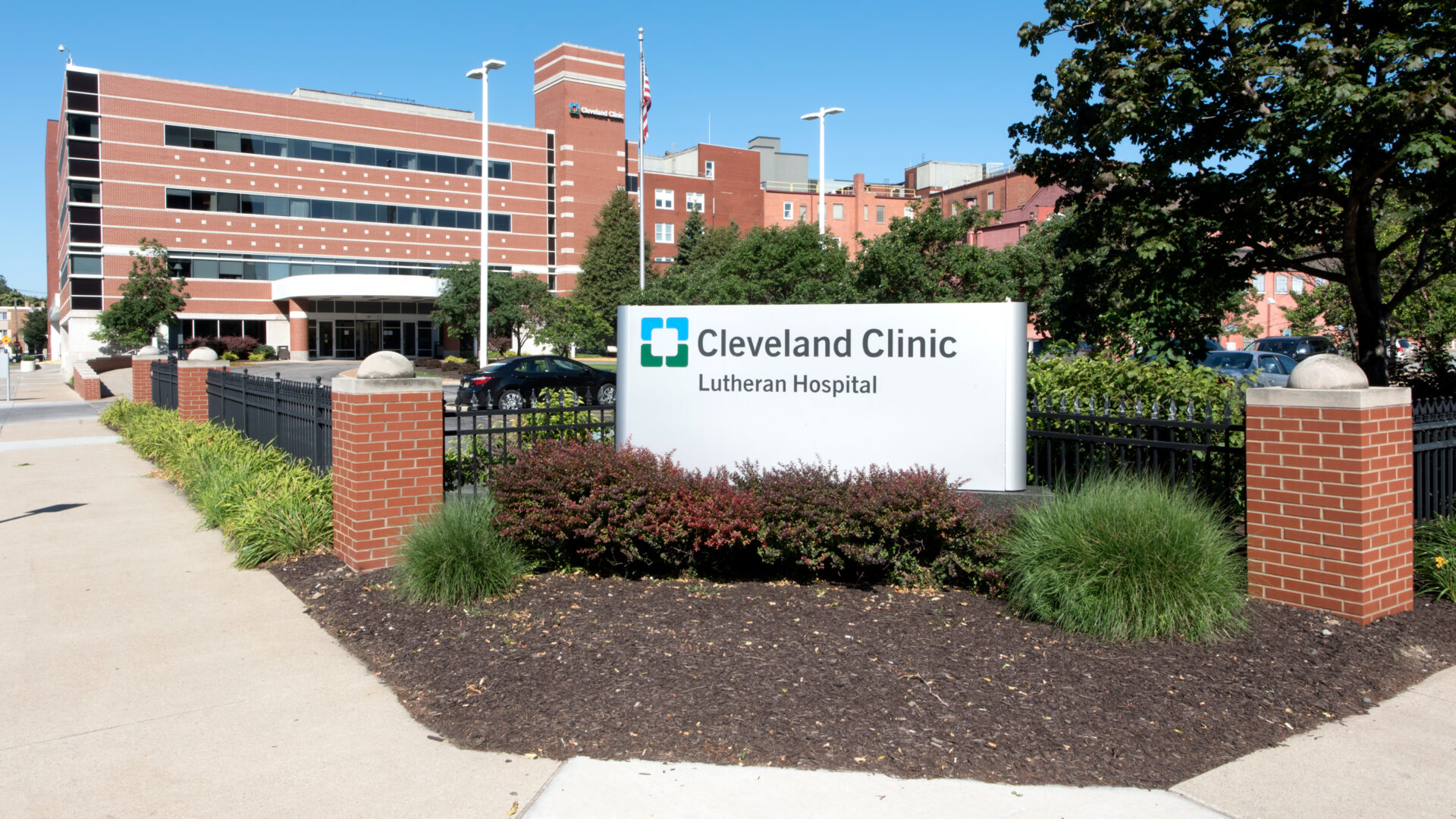
The center provides assessment and individualized inpatient or outpatient care for alcohol and drug dependence. Current official information describes medically supervised detoxification, medication support, cognitive and behavioral therapies, intensive outpatient programming, family support, 12-step participation, relapse prevention and ongoing follow-up. Residential programs and sober housing are possible external or onward options that the care team may advise, not accommodations operated by this profile.
Cleveland Clinic reports an average inpatient detox stay of 3.8 days. Outpatient treatment and aftercare schedules vary by track; the team should confirm the timetable appropriate to the patient’s assessed needs. Lutheran Hospital’s ADRC is at 1730 West 25th Street, Cleveland, OH 44113, with scheduling at 216-425-7411. Akron General’s outpatient ADRC is at 3600 W. Market Street, Suite 102, Akron, OH 44333, phone 330-436-0950. Financial counselors can discuss insurance, but benefits and patient costs require confirmation.
Starting with the Lutheran Hospital service
The Lutheran Hospital ADRC page describes a hospital-based addiction service involving addiction psychiatry, counseling, nursing and a twelve-step component. It is the relevant local service to contact when a proposed plan concerns treatment at Lutheran, rather than assuming that the same admission arrangements apply across the Cleveland Clinic health system.
The page lists weekday assessment hours from 8 a.m. to 5 p.m. and separate visiting arrangements. Those are different functions: assessment availability does not establish an inpatient visiting time or confirm that a bed is available. Ask the local team which assessment route to use, what information it needs and whether a medical or psychiatric evaluation must occur before a proposed transfer. The page also identifies financial support staff who can help with payment questions. Families can use that contact to distinguish the treatment recommendation from authorization and cost. Confirm current assessment and visiting hours directly, especially when arranging transport or requesting time away from work; a published schedule is not an individual appointment confirmation.
Akron General is a separate outpatient location
The Akron General outpatient ADRC is at 3600 West Market Street, Suite 102. Its assessment includes a face-to-face interview covering medical, emotional, behavioral and family circumstances. That location’s description should not be treated as an inpatient accommodation offer or merged with the Lutheran Hospital admission process.
Akron describes intensive outpatient programming three to four days per week, with daytime and evening options, followed by weekly aftercare. It also describes assessment for medication-assisted treatment for people enrolled in its IOP when clinically appropriate. Participation in counseling does not mean that a particular medication will be prescribed or that everyone needs the same prescribing plan. Ask how clinical eligibility is determined, who provides medication follow-up and what the actual weekly schedule will be. The location-specific timetable is particularly important for a person comparing a Cleveland group with an Akron group. A general health-system description cannot replace confirmation of the address, format, available group and current admission requirements for the service being considered.
Assessment looks beyond the substance being used
Cleveland Clinic’s substance-use treatment guide describes an evaluation of the substances used, their amounts and duration, effects on daily life, mental-health concerns and other medical conditions. A physical examination or laboratory testing may be part of the assessment. The purpose is to develop an individual plan rather than assign everyone to the same treatment intensity.
The published care team can include primary-care clinicians, addiction psychiatrists, psychologists, counselors, advanced-practice clinicians and social workers. Treatment may involve medication, cognitive or behavioral therapies, groups and family support, with the combination determined by need. The guide also distinguishes hospital treatment from care that allows a person to return home after appointments. It mentions residential services or sober housing as options the team may advise, rather than establishing that this ADRC profile operates those accommodations. Ask who will coordinate care when more than one clinician or outside service is involved. A clear plan should identify responsibilities, the next appointment and how existing mental-health or medical treatment will continue.
IOP schedules and aftercare differ by track
The ADRC program page lists a four-day virtual IOP running Monday through Thursday for five weeks, followed by six to eight weeks of weekly aftercare. Its separate five-day IOP runs Monday through Friday for four weeks and specifies at least eight weeks of aftercare. These are distinct published tracks. Ask which is offered at the receiving location and confirm the current timetable before arranging time away from work or family.
Check insurance at the relevant Ohio location
Cleveland Clinic’s accepted-insurance information distinguishes plans, services and locations. A health system’s relationship with an insurer does not establish benefits for every program, clinician or type of appointment. Confirm the proposed addiction service and any authorization requirements with both the provider and the insurer.
As reviewed on October 19, 2026, the page also describes ongoing Anthem Blue Cross Blue Shield negotiations. It says certain Ohio employer-sponsored and Medicare Advantage arrangements could become out of network on January 1, 2027 if an agreement is not reached, while explaining that nothing changes at present. This is a conditional future issue, not a confirmed termination or a reason to assume current appointments are uncovered. Anyone planning care across that date should request the latest position for their exact plan. The page contains other location-specific qualifications, so a familiar insurer name should not replace a benefits check. Ask what is covered, what must be authorized and what responsibility remains if the recommended level of care changes.
Financial assistance depends on the applicable policy
The financial-assistance page separates policies for different Cleveland Clinic locations. It explicitly warns that a policy intended for one group of facilities does not necessarily apply to every facility in the system. For treatment in Northeast Ohio, use the relevant Ohio information and ask a patient financial advocate to identify the policy that covers the proposed services.
The Ohio table lists an income ceiling of 400% of the federal poverty level, subject to the program’s uninsured or qualifying insurance-limitation criteria. Some patients must cooperate with screening for available public benefits as part of the assistance process. The page also identifies providers whose charges may fall outside an assistance policy. A family should therefore clarify both the qualifying services and separately billed professionals. The presence of an income table is not automatic approval or a promise of free treatment. Request the current application, required documents and a written explanation of the decision. If insurance is not being used, the page also points to requesting an estimate. An estimate and financial-assistance approval serve different purposes and should be reviewed separately.
Billing methods and payment arrangements
Cleveland Clinic’s payment-options page describes viewing statements and paying through MyChart, with telephone payment also available. Patients who prefer paper statements can change their billing preference rather than assuming that every bill will arrive by post. Keeping access to the relevant statement is useful when asking a billing representative to explain a charge.
The page directs people without accepted coverage or with self-pay questions to patient financial advocates and identifies alternative financing arrangements for those who need help paying a bill. These are billing resources, not a promise that a particular payment plan will be offered or that clinical care has been authorized. Before agreeing to an arrangement, ask which account it covers, whether other professional bills are expected, what payments are due and whom to contact about an error. A plan for paying a balance should be distinguished from a reduction of that balance through insurance or financial assistance. Confirm the terms directly with the responsible billing service rather than relying on a directory estimate.
Standard charges are different from a personal estimate
The hospital-charges page provides separate files for hospitals including Lutheran and Akron General. It explains that standard charges, negotiated rates and estimated self-pay figures are different measures. A patient’s responsibility can depend on the insurer’s agreement, deductible, copayments and services actually received.
The current page dates most charge files to June 29, 2026 and notes that charges can change. A charge file should not be turned into a single rehabilitation-package price without knowing the treatment plan. The provider directs patients to an estimator or a financial advocate for an individual estimate. Ask which hospital and service the estimate covers, what assumptions were used and whether it includes all expected parts of care. The published list also includes other hospitals and rehabilitation facilities; their rates do not establish the price of ADRC treatment. Use the correct facility’s information, then confirm the personal estimate. A published charge and an estimate are planning information, not a guarantee that the final bill or insurer payment will match them.
Raising a concern and protecting patient privacy
Cleveland Clinic’s Ombudsman Office describes a liaison role between patients and the people providing their care. It encourages discussing a concern with the caregiver or supervisor first, then contacting a patient representative if the concern remains. The office addresses matters involving care, staff and the experience of an appointment or hospital stay.
The page distinguishes these concerns from questions that are better directed to admissions, billing, medical records or another specialist department. It lists separate contacts for Lutheran Hospital and Akron General, which can help an inquiry reach the relevant service. If someone contacts the office on another patient’s behalf, the provider requires authorization before investigating clinical concerns and may need power-of-attorney or guardianship documents. A relative’s concern does not automatically remove the patient’s privacy rights. Ask which authorization is needed and use the office’s approved process. The published role is to listen and help seek a resolution where possible, not to guarantee a particular clinical decision, reimbursement or outcome.
Official Cleveland Clinic sources reviewed October 19, 2026. The two ADRC locations and their program schedules remain distinct. Confirm current admissions, clinician responsibility, coverage and personal costs for the proposed service.