Charles River Recovery
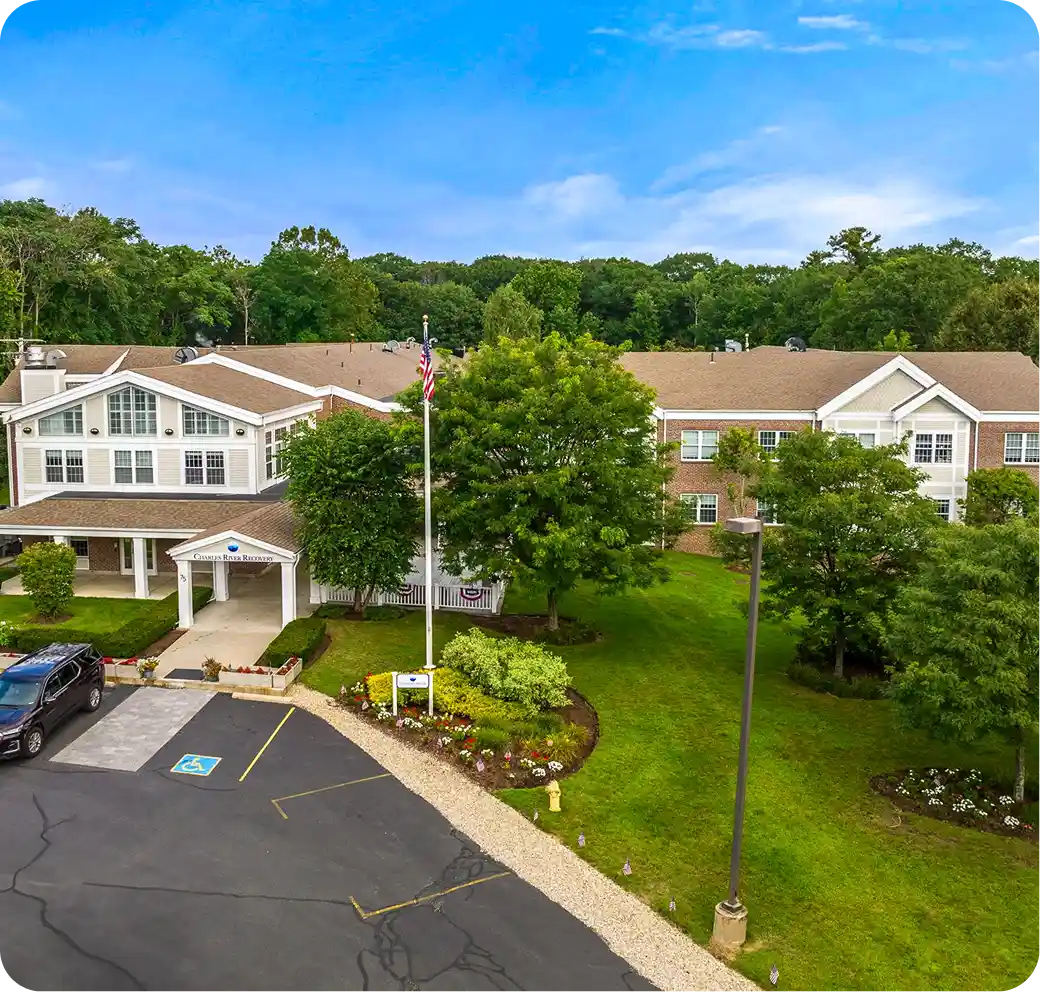
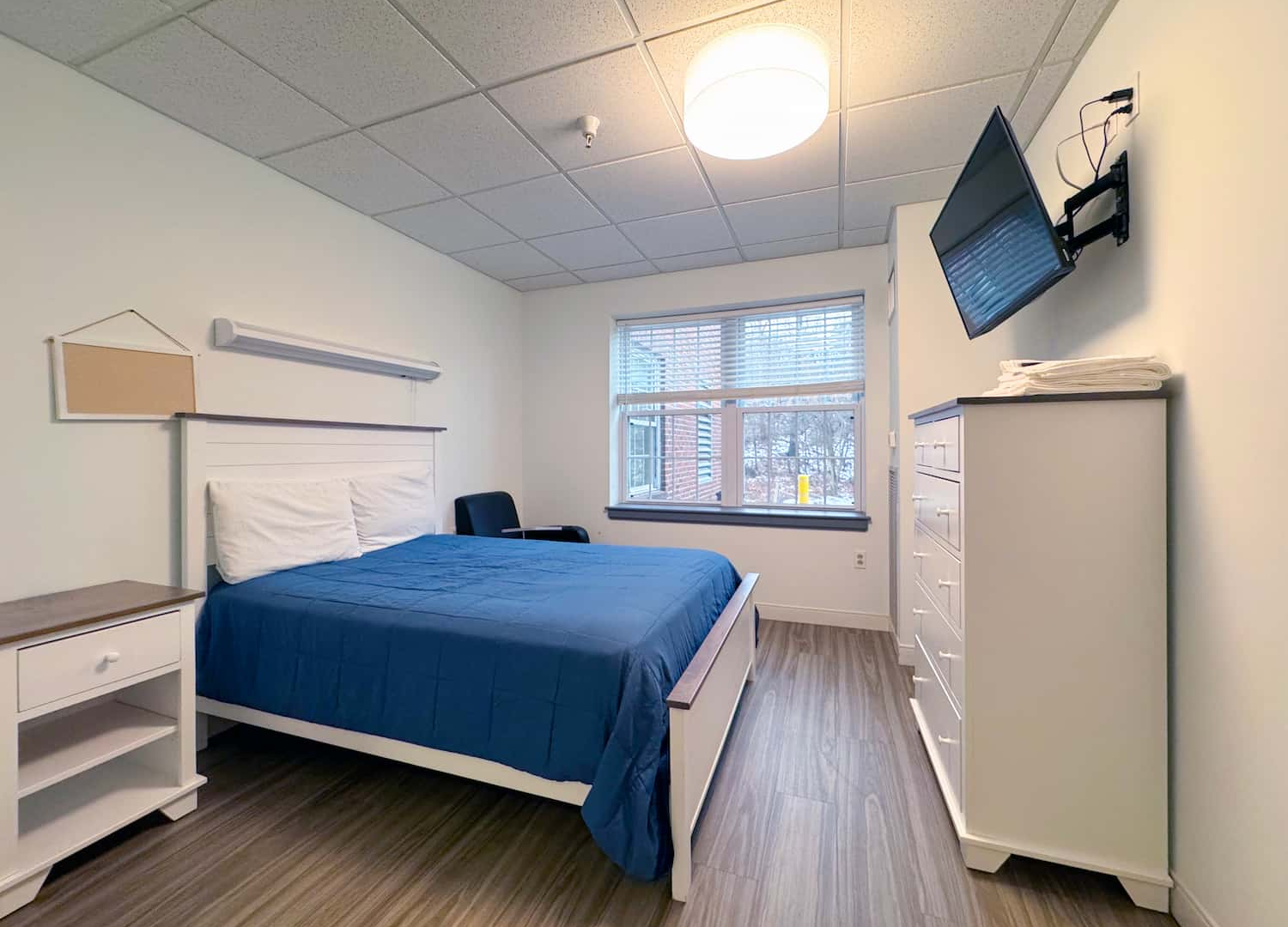

Charles River Recovery 3 photos


Comparison facts and sources
Weston addiction-treatment campus providing medically managed detox, residential SUD care, PHP/day treatment, evening IOP, integrated dual-diagnosis support and alumni services. PHP participants return home or to sober living at night, and IOP is an evening outpatient level rather than residential accommodation. · 75 Norumbega Road, Weston, MA 02493, United States.
- Published fee information
- Quote required
- Before admission
- This review verifies current provider-published identity, address, level-of-care distinctions, residential/PHP/IOP durations, alumni support and insurance-verification process. It does not guarantee coverage, establish a fixed rate, determine minimum age or independently verify current license or accreditation status.
- Continuing care
- Aftercare planning begins before formal treatment ends. The provider advertises an alumni program with weekly groups, post-discharge text, telephone and email follow-up, in-person and virtual recovery meetings, community and sober events, milestone recognition and continued resources if relapse occurs.
Source record · October 16, 2026
Current provider pages for contact, residential, PHP, IOP, alumni support and insurance checked October 16, 2026.. No independent current accreditation or license-status review was completed in this field pass.
Luxury rehab comparison · Fees and inclusions · Selection methodology
Provider overview
Charles River Recovery is an addiction-treatment provider at 75 Norumbega Road, Weston, Massachusetts 02493. Current provider pages describe medically managed detox, residential substance-use treatment, partial hospitalization/day treatment, evening intensive outpatient care and integrated support for co-occurring mental-health conditions.
Residential substance-use treatment is generally 28–30 days in a 24-hour supportive setting with daily clinical check-ins, group therapy, weekly individual counseling, recovery skills, clinical education and case management. The provider says the recommended level and duration are individualized through assessment.
PHP is a full weekday program whose participants return home or to sober living at night; it typically lasts 4–12 weeks. Evening IOP runs three to four evenings weekly and typically lasts 6–12 weeks. These outpatient lengths and living arrangements should not be represented as residential accommodation.
Aftercare planning begins before treatment ends. The alumni program advertises weekly groups, post-discharge follow-up by text, phone and email, in-person and virtual recovery meetings, community events and milestone support.
Admissions are available 24/7 at 844-441-0455. Charles River Recovery says it accepts most insurance plans and offers benefit verification, but coverage, authorization, copays and final responsibility remain plan-specific. No universal provider cash or weekly rate was found. Ask for a dated written estimate covering the recommended level, duration, accommodation, meals, medication, transport, taxes and outside services.
What an admission assessment needs to establish
The Charles River Recovery admissions page describes round-the-clock admissions contact, assessment, and help preparing for arrival. Its practical guidance includes bringing identification, insurance information, and prescriptions in their original containers. The purpose of that preparation is to help the team understand the person’s current needs and determine an appropriate level of care, rather than assuming every caller should enter the same program.
Explain recent substance use, current mental health symptoms, medical conditions, prescriptions, and any previous treatment or withdrawal complications. Ask which information must be reviewed before travel and whether any urgent concern requires assessment elsewhere. The packing guidance also places limits on particular personal belongings and electronic devices, so confirm the current rules rather than assuming unrestricted work access. If transportation is discussed, clarify how it is arranged and who is responsible for it. A useful admission plan identifies the destination, expected first-day process, and person to contact if the situation changes. This is especially relevant when a family is coordinating a transfer from another provider or helping someone who cannot organize those details independently.
Alcohol detoxification and clinical monitoring
Charles River Recovery’s alcohol detox information describes continuous clinical monitoring and medication management where appropriate. The immediate purpose is assessment, withdrawal management, and stabilization. The appropriate approach depends on the individual’s history and current condition; an advertised detox service does not establish that everyone needs the same medication, duration, or sequence of treatment.
Tell the assessing clinician about previous seizures, severe withdrawal, recent medical care, and all prescribed or nonprescribed substances. Ask who provides medical oversight, how changes in symptoms are evaluated, and what would require transfer to a different setting. It is also important to discuss the next treatment decision while stabilization is underway. Completing withdrawal management does not by itself address the full pattern of alcohol use or any co-occurring condition. The next step may involve residential care or a supported outpatient plan, depending on assessment. Severe confusion, seizures, or rapidly worsening symptoms require emergency medical care rather than waiting for a routine admissions response. Medication choices and any stopping schedule should be determined by the treating clinician, not inferred from a general program description.
Residential addiction care and co-occurring needs
The current residential program page describes residential substance use treatment, generally lasting twenty-eight to thirty days, with integrated attention to co-occurring mental health concerns. Its schedule includes daily clinical check-ins, groups, weekly individual counseling, education, case management, and wellness time. Although the page’s address contains “mental-health-program,” the service described is specifically residential substance use care; that address should not be used to infer a separate mental-health-only residential admission.
Ask how the team assesses psychiatric symptoms and which professional coordinates that part of treatment. It is also useful to understand how the weekly schedule changes when medical needs, fatigue, or symptom severity affect participation. The published duration is a general description, not a guaranteed completion point. Discuss how progress is reviewed, what would support discharge, and what could justify a different level of care. A strong residential plan connects the immediate treatment work with the environment the person will return to. That includes practical questions about housing, follow-up appointments, prescriptions, and support rather than viewing the residential stay as an isolated event.
Partial hospitalization and the hours outside treatment
Charles River Recovery’s partial hospitalization program is a daytime level of care with a full weekday schedule. The provider describes individual and group work, skills practice, family involvement where appropriate, and coordination around medication or psychiatric needs. Its information gives a typical program range of four to twelve weeks, subject to the individual plan. Patients return home or to separate sober living accommodation outside program hours.
The decision therefore needs to account for more than the treatment timetable. Discuss whether the person has a stable place to stay, dependable transport, and support when the center is not providing sessions. If separate accommodation is recommended, ask who operates it and how its costs, rules, and staffing differ from those of the clinical program. Also establish how appointments are coordinated when other healthcare providers remain involved. A daytime program can offer substantial structure without providing overnight supervision. Before stepping down from residential care, clarify the signs that would trigger reassessment and the next contact if attendance becomes difficult. These arrangements make the transition more practical than relying only on the program’s weekly intensity.
Evening intensive outpatient treatment and daily responsibilities
The provider’s intensive outpatient program information describes an evening option intended to fit alongside work, study, caregiving, and life at home. The published outline generally involves three to four evenings weekly over a course that can extend six to twelve weeks. It combines a regular treatment structure with the opportunity to practice skills in the person’s usual environment between sessions.
Confirm the actual days, start and finish times, attendance expectations, and individual appointment arrangements before making commitments. An evening schedule can still be demanding when travel, medication reviews, and other responsibilities are included. Ask how the team responds to missed sessions or worsening symptoms, and whether psychiatric appointments take place within or outside the advertised group hours. Someone comparing this program with partial hospitalization should ask what clinical differences support the recommendation, not simply choose the more convenient schedule. The home environment and ability to participate consistently remain important. If continuing from another Charles River level of care, clarify how the treatment plan and relevant records move with the person so that the transition preserves useful information and clear responsibility.
The separate mental health outpatient pathway
Charles River Recovery also publishes a dedicated mental health outpatient description covering partial hospitalization and intensive outpatient care. It identifies depression, anxiety, bipolar-spectrum conditions, trauma-related symptoms, OCD, and co-occurring substance use among the concerns assessed. The described model includes therapy, skills work, and access to psychiatric evaluation and medication management. This outpatient pathway should be distinguished from the residential substance use program.
For someone whose primary concern is mental health rather than addiction, ask which pathway the assessment recommends and how its schedule and peer group are organized. Establish how existing clinicians will be involved and who will take responsibility for prescriptions during the program. If symptoms have become too difficult to manage with weekly appointments, discuss the reasons a more intensive outpatient setting may help and the circumstances that would require greater supervision. The list of conditions does not mean every presentation can be treated safely at the same level. A clear recommendation should explain how current functioning, safety, and available support relate to the proposed plan, rather than relying on a diagnosis label alone.
Alumni support and the clinical discharge plan
The Charles River Recovery alumni program describes continuing contact, group opportunities, and in-person or virtual meetings. Its information also discusses events and ways for graduates to stay connected with the recovery community. These resources can provide familiar relationships after a structured program ends, but the current meeting calendar and participation process should be confirmed directly rather than inferred from an older event announcement.
Ask how graduates enroll, which meetings suit someone living farther away, and how to contact the relevant coordinator. Separate those community opportunities from prescribed clinical follow-up. A group meeting or alumni event should not be assumed to replace individual psychotherapy, psychiatric care, or medication review recommended at discharge. It is helpful to leave with two practical lists: scheduled healthcare appointments and the additional community resources available. If a person experiences renewed substance use or worsening symptoms, clarify how they can request reassessment. The value of ongoing connection lies partly in having a realistic route back to appropriate support, rather than treating participation in an alumni network as a guarantee that further treatment will never be needed.
Benefit verification and financial responsibility
The provider’s insurance verification page offers a way to begin reviewing a patient’s benefits. That is a preliminary administrative step, not a published all-inclusive price or a guarantee that every level of treatment will be funded. Detoxification, residential treatment, and outpatient care can involve different authorizations and different personal costs even when the same provider delivers them.
Request a written estimate tied to the specific recommended program and insurance policy. It should explain the deductible, coinsurance or copayment, any authorization limits, and services that may be billed separately. Ask how the estimate will be updated if the clinical plan changes or an insurer approves fewer days than originally expected. Where separate accommodation, transport, or outside appointments are involved, identify those expenses explicitly. A self-paying patient should obtain equivalent clarity about charges and the effect of a shorter or longer stay. Comparing providers is easier when each estimate refers to the same level of care and makes clear what happens after discharge. The clinical recommendation should remain distinct from assumptions about which option an insurance plan will ultimately approve.
Medical leadership and day-to-day responsibility
The current Charles River Recovery team page identifies medical, operational, and outreach roles. Its Medical Director biography lists internal medicine and addiction medicine credentials. That information helps establish the provider’s stated leadership structure, but it does not mean every patient’s routine appointment will be with the medical director. Individual professional appointments elsewhere also should not be presented as institutional affiliations of the treatment center.
Ask who will perform the initial medical assessment, who manages psychiatric concerns, and which clinician coordinates the ongoing plan. Clarify the arrangements for coverage, urgent questions, and communication between medical staff and therapists. A family member may also need to understand which contact handles logistics and which can discuss treatment with the patient’s permission. Keeping those roles clear avoids relying on an outreach or admissions contact for a clinical decision they are not responsible for making. The useful comparison is the actual access and coordination offered within the proposed program, supported by a current team description, rather than the length of a biography or the number of organizations mentioned in it.
Source check: Official Charles River Recovery service pages reviewed October 18, 2026. Residential substance use treatment and primary mental health outpatient services are distinguished; schedules and coverage require individual confirmation.
Sources and verification
Official contact page; official residential page; official PHP page; official IOP page; official alumni page; official insurance page. Checked October 16, 2026. This summary reflects provider-published information, not an independent clinical assessment or coverage guarantee.