Castle Craig
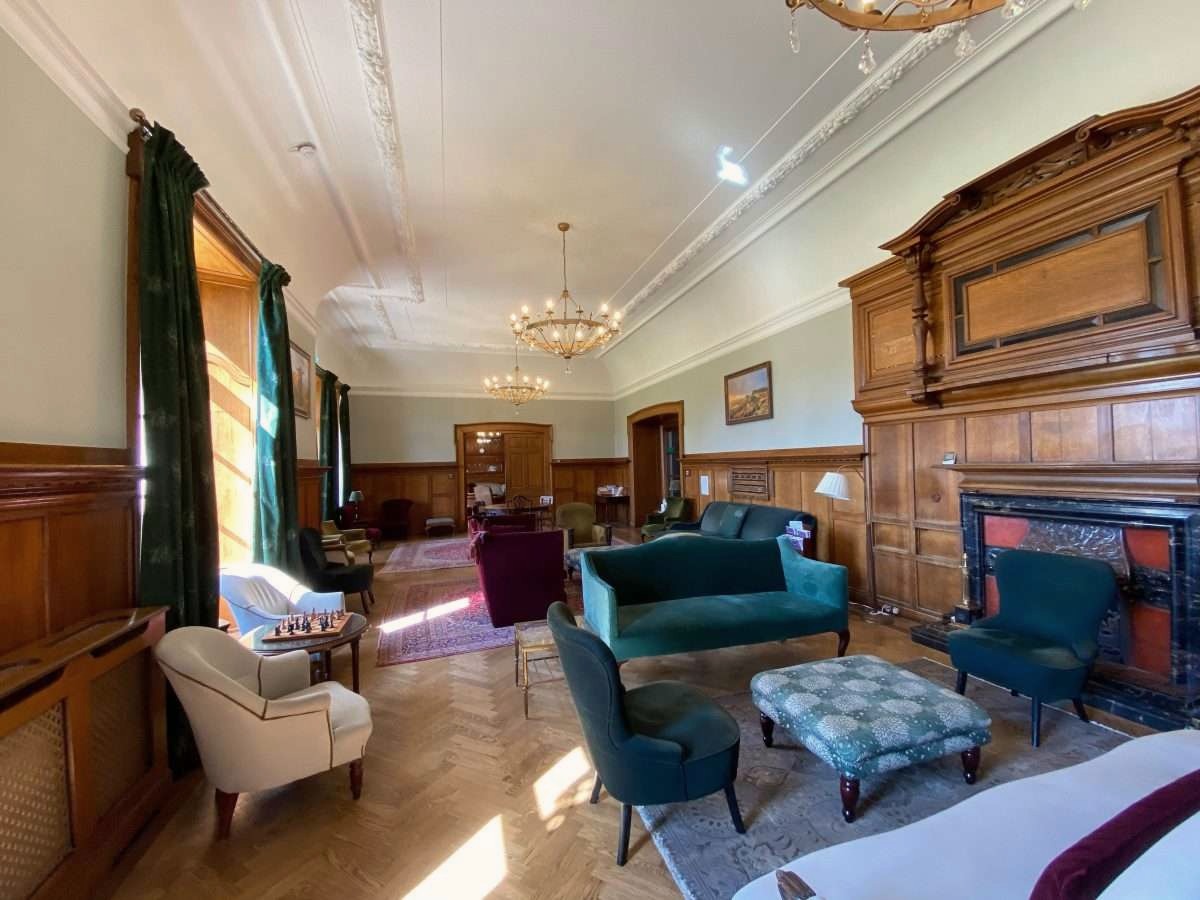

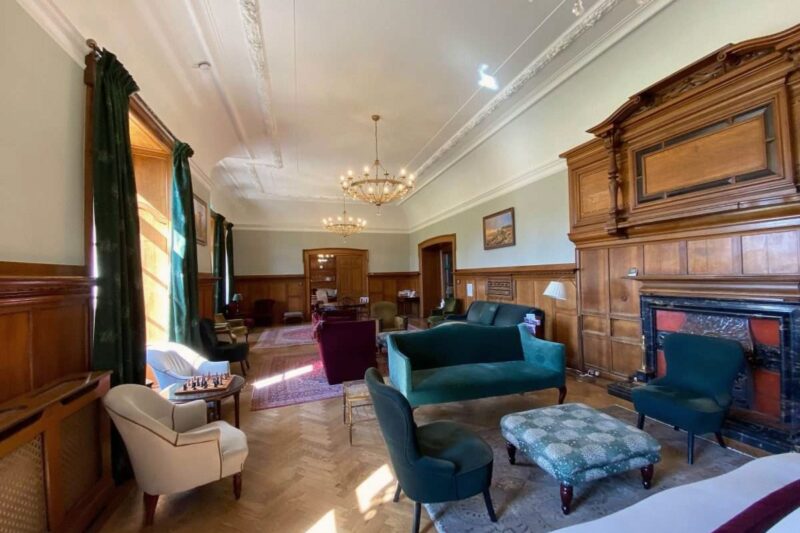
Castle Craig 2 photos

Comparison facts and sources
Residential addiction treatment with medically managed detox and 12 Step-based therapy · Blyth Bridge, West Linton, Peeblesshire, Scotland EH46 7DH
- Published fee information
- Quote required
- Before admission
- The published cost figures are a general UK market range, not a fixed Castle Craig tariff. Program duration is individualized after assessment.
- Continuing care
- The program price includes continuing care after discharge, with structured aftercare support for up to 12 months. The provider also describes an online continuing-care service through CATCH Recovery.
Source record · 2026-10-14
Provider-published information checked October 14, 2026. The provider states regulation by Healthcare Improvement Scotland and ISO 9001 accreditation by Intertek; independent verification was not completed in this scoped review.
Luxury rehab comparison · Fees and inclusions · Selection methodology
Provider overview
Castle Craig provides residential addiction treatment near West Linton, Scotland. Its program combines medical detox, psychological therapy and continuing support after discharge.
Treatment and setting
The published program includes consultant-psychiatrist-supervised detox, individual and group therapy, 12-step facilitation, family work, accommodation and meals. The provider distinguishes a free online recovery group available for twelve months from structured twenty-four-week continuing-care packages, whose inclusion depends on the funding arrangement.
Admissions and costs
The cost depends on the recommended program, length of stay and clinical needs. The UK-wide price ranges shown on its website are not a fixed Castle Craig quotation. Funding routes include private payment, insurance and limited publicly funded placements. The provider states that payment is required in full before treatment and that it does not offer payment plans.
The Scottish Borders campus and residential environment
The facilities description places Castle Craig in an eighteenth-century country house within fifty acres of private parkland near Blyth Bridge. It describes spaces for medical assessment, individual and group therapy, communal dining, quiet relaxation and fitness. The property includes gardens and outdoor areas as well as indoor clinical and residential rooms. The setting therefore combines a shared therapeutic community with places for private reflection.
The page presents private bedrooms, but the actual room arrangement should be confirmed in the admission offer. Ask which building you would stay in, whether any accommodation options depend on funding, and how accessibility requirements will be met. Photographs of the estate do not explain the amount of clinical contact or the suitability of a particular room. Someone choosing Castle Craig for its rural setting should also discuss transport, visiting arrangements and the practical implications of being away from ordinary home services.
A case manager and pre-admission clinical review
The admissions guidance describes an initial conversation, assignment of a case manager and a telephone assessment covering substance use, mental health and personal circumstances. It states that the center accepts people aged sixteen and older, subject to assessment. Medical information from the person’s general practitioner helps the team evaluate physical health before arrival. The case manager also provides preparation information and helps coordinate transport.
The provider says rapid admission can sometimes be arranged when records and paperwork are available, rather than promising that every person can start immediately. Ask what has been reviewed, whether any further medical assessment is needed and who confirms suitability. A relative can begin an inquiry, but the person seeking care needs to participate in the assessment. Clarify age-specific arrangements when the prospective patient is under eighteen, and agree how existing clinicians will remain involved in the transfer of care.
Admission guidance also describes limits on phone use, with some flexibility for individual circumstances. If regular contact with family or work is necessary, discuss those arrangements before booking and use the preparation pack to plan what to bring.
How the abstinence-based model shapes treatment
The treatment-model page describes an abstinence-based program combining medical care, psychological treatment, a therapeutic community and 12-step facilitation. It lists two individual therapy sessions each week, group work and psychoeducational workshops, with additional approaches selected for assessed needs. Morning and evening 12-step sessions are intended to help patients understand recovery principles and connect with mutual-aid fellowships.
This is a meaningful program characteristic when comparing Castle Craig with a service using a different recovery framework. Ask how the model relates to your preferences, previous experience and clinical goals. An abstinence-based philosophy should not be interpreted as instructions to stop appropriate prescribed medication without medical review. The same page describes psychiatric medication assessment and individualized planning. Establish the balance of individual sessions, groups and specialist work in the proposed schedule, and how that balance is reconsidered as the team learns more about your response.
Detoxification at Kirkurd House
The detox information identifies Kirkurd House as the dedicated unit for medically managed withdrawal. It describes continuous nursing support, medication decisions based on individual circumstances and progression into the residential treatment program after stabilization. The page distinguishes withdrawal management from the psychological and behavioral work needed to address addiction beyond the immediate period of physical dependence.
Ask the clinical team which monitoring is appropriate for the substances and health concerns involved, and how current prescriptions will be reconciled. Previous withdrawal complications, other medical conditions and recent treatment are relevant information to provide. The published distinction between medically assisted and medically managed care should lead to a concrete explanation of what Castle Craig proposes for the individual. Confirm how the detox phase affects the overall schedule and quote, and who decides when it is appropriate to move into the next part of treatment.
The focal therapist and access to specialist work
The therapy overview says each patient is assigned a focal therapist who helps plan sessions, monitors progress and prepares continuing care. Available approaches include CBT, DBT, EMDR, trauma and grief work, family counseling and complementary activities. It distinguishes individual, group and family formats, and notes that additional sessions depend on clinical recommendations and therapist availability.
The focal-therapist role provides a useful point of responsibility to clarify before admission. Ask how often you will meet, how specialist referrals are made and how different clinicians communicate. The complete therapy list should not be read as a promise that every method will be included in a particular stay. If a specific intervention influenced the decision to attend, confirm whether it is recommended and available. Discuss preferences about group participation and how the team will assess treatment fit, including what happens if an approach is uncomfortable or unhelpful.
Mental health treatment alongside addiction care
Castle Craig’s dual diagnosis page describes assessment and treatment of mental health concerns occurring alongside drug or alcohol addiction. It identifies psychiatric evaluation, psychological assessment and integrated planning, with depression, anxiety and trauma-related concerns among the examples. The emphasis is on understanding both parts of the presentation within the residential addiction program.
This should be distinguished from assuming that Castle Craig is a general mental health residence for every primary diagnosis. Explain the actual reason for seeking care and ask whether the center can meet those needs, especially when substance use is not the main concern. If several conditions are present, clarify who treats each one, which medication reviews are included and which services may need another provider. A useful plan identifies how psychiatric and addiction care remain connected after discharge, rather than treating the residential stay as the endpoint for all ongoing health needs.
Different forms of aftercare have different durations
The continuing-care page distinguishes the free Friday online Recovery Club group, available for twelve months after treatment, from structured twenty-four-week packages delivered through CATCH Recovery. It says self-funding patients have structured continuing care included, while patients using other funding routes may need to purchase it separately. Package options combine online individual therapy or coaching with group sessions; some in-person appointments cost extra.
The provider also describes a meeting before discharge to arrange the receiving therapist and initial sessions. Confirm exactly which package is included in your admission offer, the session numbers, scheduling and any additional costs. A reference to twelve months of aftercare should not be interpreted as twelve months of unlimited individual therapy. The discharge plan should connect these services with any local medical care, prescribing or community support needed, particularly when returning to another country or an existing clinical team.
Obtaining a Castle Craig quote instead of a market estimate
The cost page lists UK-wide private-rehab ranges, then explains that Castle Craig’s actual price depends on the recommended program and duration. Its described package includes medical detox when needed, individual and group therapy, 12-step work, family sessions, accommodation, meals and continuing support. The page states that payment is required in full before treatment and that the center does not offer payment plans.
Use an individualized written estimate for the decision, rather than apply the countrywide daily or monthly figures to every admission. Ask which room and clinical services are covered, how any extension is priced and which continuing-care package applies to the funding route. If the estimated course changes after assessment, request an updated explanation of the costs. Private payment, insurance and limited publicly funded places involve different arrangements; a potential funding route does not establish eligibility or a guaranteed start date for a particular person.
Insurance authorization and continuing-care costs
The insurance guidance advises contacting the insurer first to confirm addiction-treatment cover and authorization, then supplying the relevant details to Castle Craig. The admissions team describes submitting a funding request and coordinating with the insurer. It also requests medical history and may seek additional information when there are co-occurring or physical health concerns.
The page distinguishes initial residential cover from possible extensions and aftercare; these are not automatically funded in the same way. It says continuing care is often outside insurance cover and may require separate payment. Confirm the authorized program, duration, patient contribution and any limitations directly with the insurer. An accepted insurer name does not mean every policy pays for every service. If you are seeking reimbursement from an overseas payer, clarify the approval and documentation process before arrival, including what happens if the clinical team later recommends a longer or different course.
Published governance and routes for raising concerns
The clinical-governance page describes inspection by Healthcare Improvement Scotland, ISO 9001:2015 quality-management certification, clinical audits and risk-management procedures. It links to a November 2024 inspection report and other supporting documents. The provider also explains that patient and family feedback can inform service planning through meetings, surveys and other participation arrangements.
These documents offer a more concrete basis for questions than a general quality claim. Check the date and scope of the relevant report, and ask how any concerns identified were addressed. Registration or certification should not be treated as a guarantee of an individual’s treatment result. Before admission, establish how to raise a clinical concern, request a review or obtain information about a complaint. A clear route matters when decisions about treatment, medication, privacy or discharge need explanation during a residential stay.
Additional provider information checked October 18, 2026. Details are attributed to Castle Craig; clinical suitability, current availability and funding require individual confirmation.
Source and verification
Sources: Castle Craig cost and funding information; continuing-care information; current contact and address details. Checked October 5, 2026. Confirm the current program, clinical suitability and full costs directly with admissions.