Canopy Pines Recovery Center
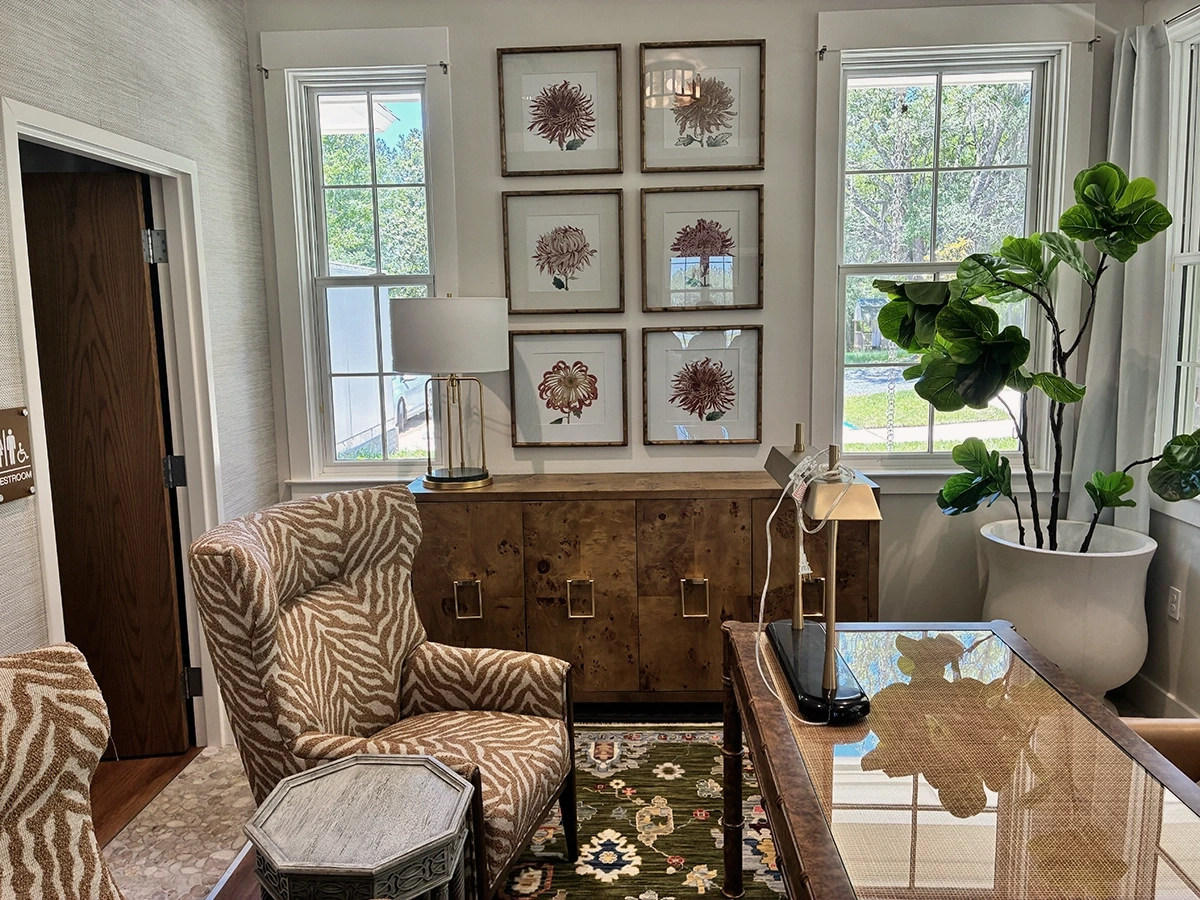
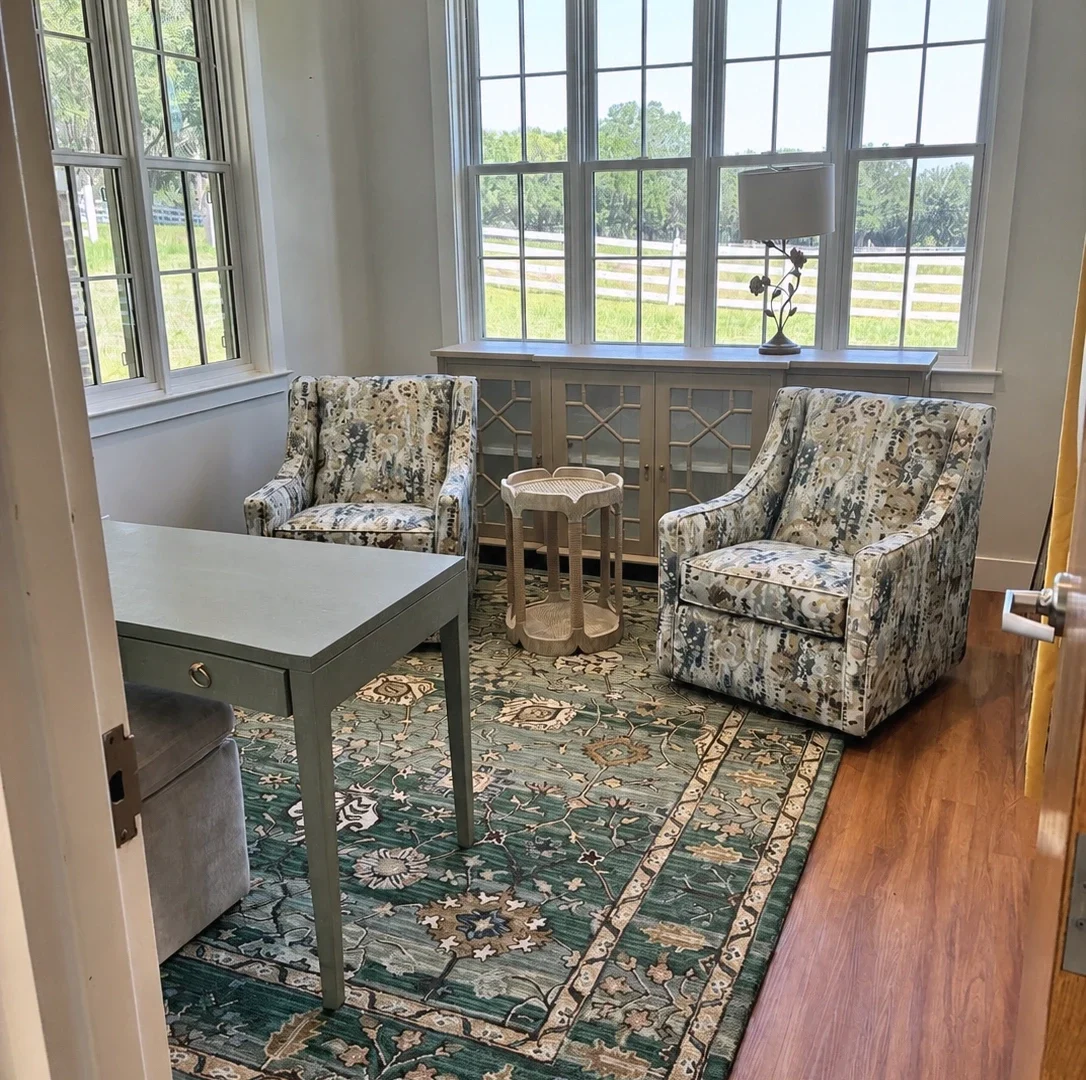
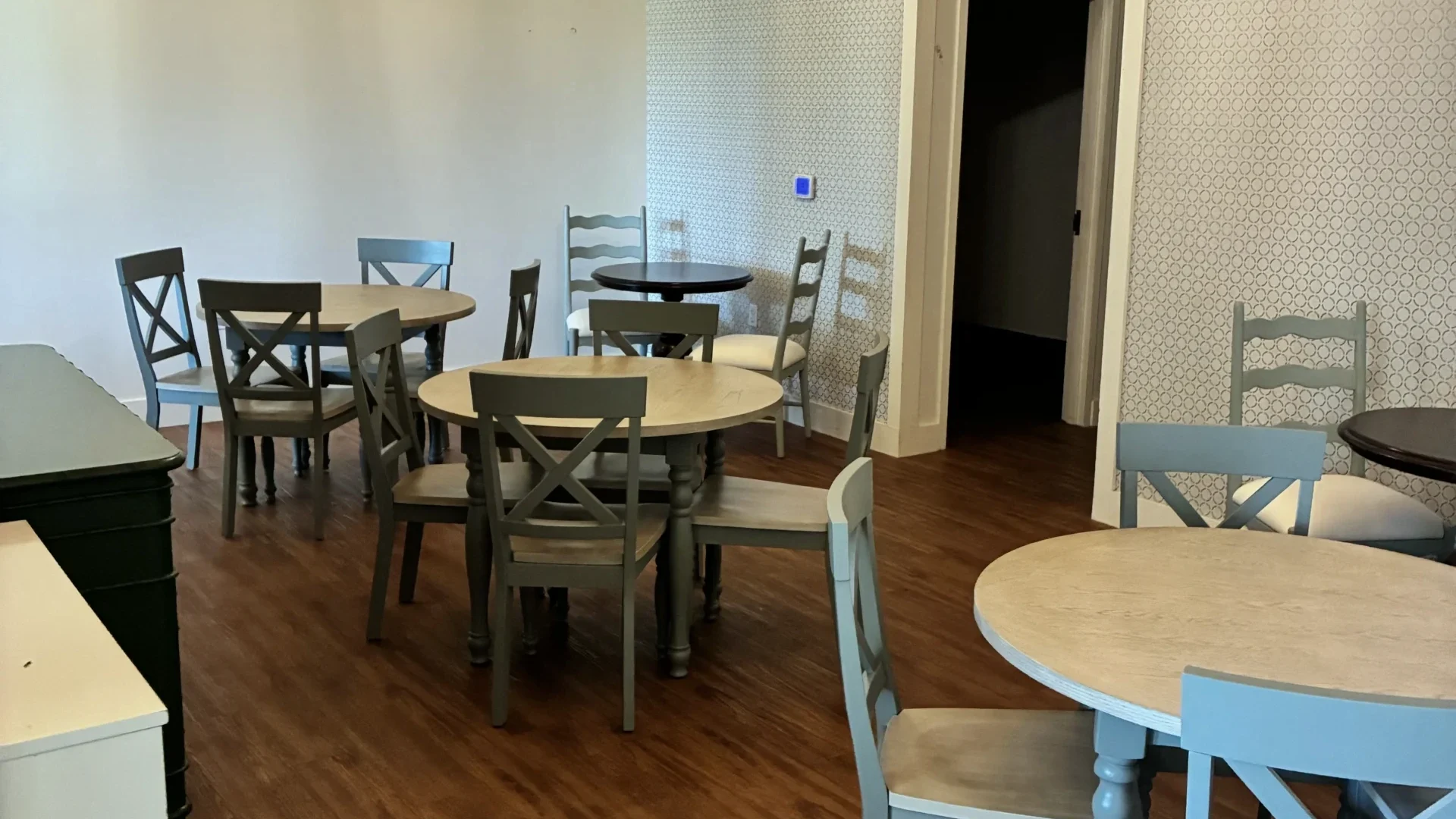
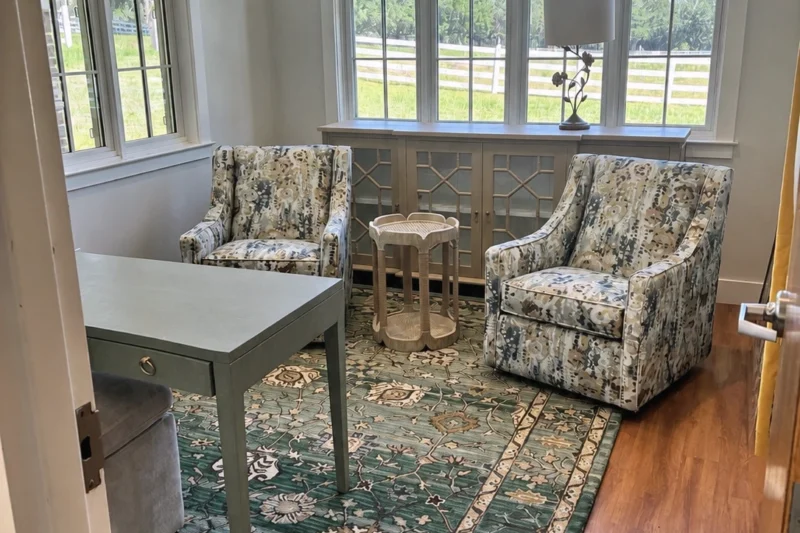
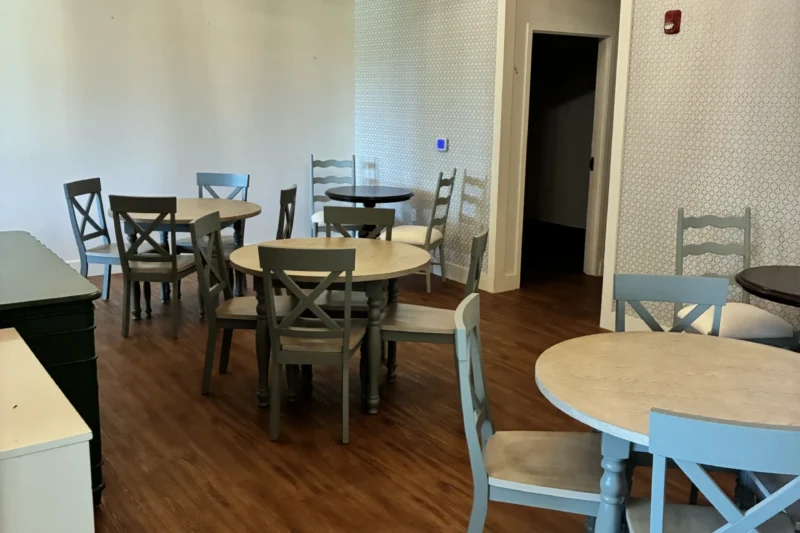
Canopy Pines Recovery Center 3 photos
Comparison facts and sources
Women-only addiction and primary mental health treatment at the current Canopy Pines campus outside Tallahassee. People seeking former Canopy Cove eating-disorder care should verify the current program and its eligibility directly. · 13305 Mahan Drive, Tallahassee, Florida 32309; women-only 30-acre campus
- Published fee information
- Quote required
- Before admission
- Women only. Confirm the receiving level of care, actual clinical eligibility, program availability, room and bathroom arrangement, current phone and visiting rules, duration, coverage and personal costs. Virtual IOP requires the appropriate Florida location, safe participation environment and clinical assessment; it is not overnight supervision or crisis care.
- Continuing care
- Before discharge, the clinical team builds an individualized step-down plan that may include PHP, intensive outpatient or virtual IOP, an outpatient therapist, prescribing provider, medication management and peer-support resources.
Source record · October 19, 2026
Reviewed October 19, 2026: the current Canopy Pines care levels, published program-duration ranges, adult Florida virtual IOP limits and resident-policy details. Confirm individual suitability, availability, accommodation, current rules, insurance authorization and complete costs.. Confirm the current facility license and permissions for the proposed level of care, and the treating clinicians’ professional registrations, with the provider.
- Current treatment scope and psychiatric assessment
- Medical detox and individualized duration
- Residential program and duration range
- Day treatment and overnight arrangements
- Adult Florida virtual IOP scope and course
- Current resident and communication policies
- Clinical admission process
- Individual payment options
Luxury rehab comparison · Fees and inclusions · Selection methodology
Canopy Pines Recovery Center is a women-only addiction and primary mental-health treatment provider on a 30-acre campus outside Tallahassee, Florida. It is the current provider at this profile’s address and is distinct from the former Canopy Cove eating-disorder program; the legacy profile slug is retained.
Current levels of care
- On-site medically supervised detoxification
- Women-only residential treatment
- Partial hospitalization
- Virtual intensive outpatient care for eligible women in Florida
- Trauma-focused and dual-diagnosis treatment
Treatment is psychiatrist-led and individualized according to ongoing clinical assessment rather than one fixed schedule. Canopy Pines says it works with most major commercial insurance providers and offers self-pay. Admissions verifies benefits and explains expected costs before admission; confirm eligibility, authorization and personal cost directly.
Discharge planning
Before discharge, the clinical team builds a step-down plan that may include partial hospitalization, intensive outpatient or virtual IOP, an outpatient therapist, a prescribing provider, continued medication management and peer-support resources.
Start with the current Canopy Pines program
The current program overview describes women-only treatment on a thirty-acre property outside Tallahassee. It identifies substance-use and primary mental health care, with assessment determining the proposed treatment. Detox and residential services are described on the same property, with continuity of the clinical team through those stages when both are appropriate.
The page discusses a psychiatric evaluation to establish symptoms, history, medication needs, therapy priorities, and the level of support required. This is different from selecting a fixed retreat package. A person seeking help primarily for mental health should explain that clearly, including whether substance use is part of the concern.
Ask which service would accept the patient, what it can manage, and whether any needs require another setting. The provider’s broad treatment list does not establish that every clinical presentation is suitable for residence. This profile concerns the present Canopy Pines service; someone seeking the former Canopy Cove eating-disorder program should verify the current program’s actual scope. Confirm acceptance, the responsible team, and the individual plan before making travel or financial commitments.
Medical detox is based on assessed withdrawal needs
The medical detox page describes on-site nursing around the clock, monitoring, psychiatric evaluation, and medication management when indicated. It gives a typical five-to-ten-day range while emphasizing that medical indicators determine the actual duration. That is a program description, not an instruction about how long an individual should withdraw or when medication should change.
The provider says not every woman needs detox before residential care. The admission assessment considers whether supervised withdrawal is necessary. Explain recent substance use, previous complications, current prescriptions, and relevant medical conditions so the team can determine the appropriate starting point.
Early days are described as quieter, with rest and support prioritized and introductory clinical work added as the person becomes able to participate. The page describes transition into residential treatment on the same property when appropriate. Ask how that decision is made, what the next stage includes, and how funding is handled. Staying on one campus can simplify a handoff, but it does not establish that every patient needs the same sequence or length of treatment.
Residential treatment combines several appointment types
The residential program describes women living on the property while receiving psychiatric care, medication management, individual therapy several times a week, and daily groups. It also includes family work when appropriate, mindfulness activities, and scheduled equine-assisted sessions. These elements should be discussed as an individual clinical plan, rather than assumed to occur at identical frequencies for every resident.
The provider gives a usual thirty-to-ninety-day range and says clinical progress determines duration. Ask how progress is reviewed, which goals matter for discharge, and how the recommended stay relates to insurance authorization and the quote. A typical range is not a requirement to complete ninety days or a promise that thirty will be enough.
Explain relevant co-occurring symptoms and previous treatment so the team can plan care together. Confirm the actual bedroom and bathroom arrangement, accessibility, dietary needs, and communication rules before arrival. The rural setting and photographs do not establish exclusive accommodation. When comparing services, distinguish individual appointments, group treatment, recreation, and time for rest so that the real clinical schedule is clear.
PHP requires a safe arrangement outside program hours
The partial-hospitalization page describes intensive daytime treatment while participants return home or to supportive housing afterward. In its description of Canopy Pines’ approach, it specifies at least twenty hours of coordinated programming each week when that level is clinically appropriate. The actual timetable and receiving arrangement require confirmation.
Published components include individual and group therapy, medication management, treatment of co-occurring concerns, and planning for a lower level of care. A day-program label does not establish overnight nursing, a reserved room, or an acute hospital service. Housing and clinical attendance are separate practical questions.
Ask where sessions occur, which days are required, and whether any suggested housing is operated by the provider or another organization. Confirm acceptance, costs, transportation, and support between sessions. Some women may enter after residential care, while others may be assessed as suitable without that earlier stage. The decision should reflect medical and psychiatric stability, the home environment, and the support needed. Work or caregiving commitments should be compared with the confirmed schedule rather than an assumption that outpatient care has only a small time commitment.
The virtual IOP is for eligible adult women in Florida
The virtual intensive outpatient page describes a program for women eighteen and older who can participate from Florida. It publishes an eight-to-twelve-week course involving individual therapy, groups, and psychiatric sessions, with prescribing support when appropriate. Clinical intake determines whether the remote format and intensity fit the person’s needs.
Sessions are delivered over Zoom, requiring reliable internet and a quiet, private place to attend. The page describes virtual IOP as a possible step after residential or day treatment, or as a starting option when a higher level is unnecessary. Those routes are alternatives considered during assessment, not a universal sequence.
The provider identifies dangerous withdrawal, acute crisis, and an unsuitable home environment as reasons a different starting point may be needed. Ask about the weekly schedule, attendance expectations, clinician availability, and the plan if connection fails or symptoms increase. Confirm current location and licensure requirements before joining or traveling during treatment. The published course length does not guarantee an individual result or unlimited clinical access between online appointments.
Family sessions are distinct from visits
The family program page describes therapist-led work with defined goals, timed within the resident’s treatment plan. It discusses education, communication, boundaries, and preparation for life after residence. A family appointment is clinical work; it should not be confused with an ordinary visiting period or a general update from staff.
The provider says communication with designated relatives follows the woman’s consent and the clinical plan. Clarify who can receive information, which support people may participate, and what happens when a relationship is unsafe or involvement would be unhelpful. The resident’s preferences and the purpose of the session should be understood.
Families who cannot travel are directed to discuss alternatives with admissions. Ask whether remote participation is available, what is included, and how sessions are scheduled around other responsibilities. Supporters can also explain practical concerns about the return home, including childcare, living arrangements, or the help they can realistically provide. A useful family plan addresses those circumstances without promising that difficult relationships will be resolved during one stay or that relatives must take responsibility for every aspect of recovery.
Continuing care is planned during the stay
The aftercare description says planning begins during residential treatment rather than being left to the final days. The woman works with her therapist and clinical team to identify outpatient needs, suitable providers in her home community, peer support, and individual warning signs or triggers to discuss in treatment.
The page describes referrals that take account of location, insurance, and clinical needs. Ask which appointments have been accepted and which remain recommendations. A list of names does not establish that a prescriber has agreed to take over medication management or that a therapist has an available appointment.
Discuss how the plan fits work, caregiving, transport, housing, and relationships after discharge. If virtual IOP or PHP is suggested, confirm eligibility, timing, and costs separately. The provider invites contact if someone returns to use or needs help deciding the next step, but that should not be interpreted as a guaranteed readmission or round-the-clock outpatient monitoring. Before leaving, establish who remains responsible for care, how to obtain medication, and where to seek urgent assessment if needs increase.
Admission involves both clinical and financial decisions
The admissions guide describes an initial conversation, benefits verification, a clinical intake by telephone or in person, and confirmation of a start date. The team asks about substance use, mental health concerns, and whether medical detox may be needed. A call begins the process; it does not itself establish suitability or reserve a place.
Be ready to share current prescriptions, medical information, previous treatment, and the concerns that need attention now. If another service is referring the patient, ask how records and direct clinical communication will be handled. The receiving team should explain what it can provide and whether any assessment is still required.
Once a placement is agreed, request the current packing list, medication-arrival instructions, electronic-device policy, and details of the first day. Explain any necessary equipment or access requirement before traveling. The page describes visits as part of the clinical plan rather than unrestricted access. Confirm those arrangements for the actual program. Financial questions and the clinical decision should both be clear, including the proposed level of care, authorization, arrival time, and responsible contact.
Commercial coverage and self-payment require a quote
The payment page says Canopy Pines works with major commercial insurance plans and offers self-payment. It describes cost as depending on treatment length and the clinical services required, rather than a single preset package. The site does not publish a universal fee for every admission.
Ask the provider and insurer about the exact plan, network status, authorization, deductible, copayments, and uncovered services. A statement about accepting commercial insurance does not settle a particular member’s coverage. If care moves from detox to residence or outpatient treatment, confirm each stage and any separate housing or transport costs.
For self-payment, request a written estimate showing the expected services, payment timing, and what could change the total. Ask about medication, laboratory work, outside appointments, and other personal expenses rather than assume all are included. The provider invites a discussion when affordability is a concern, but this does not promise a subsidy or free place. If documentation for employment leave is needed, ask what the team can supply and confirm eligibility through the appropriate workplace process.
Travel should follow confirmed acceptance
The out-of-state admissions page identifies the campus on Mahan Drive in Tallahassee and describes help coordinating ground transportation. It names Tallahassee as the nearest airport and also discusses longer travel from Jacksonville or Atlanta. Verify the destination, pickup arrangements, and actual journey before booking rather than rely on an approximate travel-time description.
The page says a member of the admissions or clinical team meets the arriving woman and introduces the property, daily routine, and staff. Family can accompany her through the arrival process. Ask what records, medication information, and belongings are needed and who will be the contact if travel changes.
Coordinate arrival with clinical acceptance and the agreed funding arrangements. Transportation assistance does not automatically establish that the journey is included in the treatment price or suitable for someone needing medical supervision. If transferring from another facility, the referring team should help determine the appropriate arrangement. The provider handles requests to leave for a family emergency individually; discuss significant obligations before admission and understand how they may affect the treatment plan.
Check the current phone and visiting rules
The detailed resident FAQ describes no personal-cell-phone access during the first week, with facility calls subject to staff arrangements. Afterward, it describes a daily thirty-to-forty-five-minute phone period tied to clinical clearance and participation. This is more specific than a general statement that families can remain in contact.
The same page describes no visits during the first seven days, followed by approved Sunday visits from 4 to 5 p.m. It requires consent and clinical approval, along with an orientation for visitors. Confirm the current rules for the actual placement before relatives book travel or expect an unscheduled visit.
The FAQ also sets out house routines, belongings restrictions, medication handling, and routes for raising concerns. Discuss work, parenting, accessibility, or other essential communication needs during intake. Medication and equipment instructions should come from the receiving clinical team, especially if different pages describe packing differently. The daily timetable illustrates a structured residence; it should not be mistaken for a guarantee that every activity or individual appointment occurs at the same time for every woman.
Official current Canopy Pines program, admissions, payment and resident-policy pages reviewed October 19, 2026. Typical detox, residential and virtual IOP durations are distinct. Confirm individual clinical fit, room arrangements, current policies, Florida virtual eligibility, availability and complete costs. This review does not imply continuity with the former Canopy Cove program.
Related guides: trauma and PTSD care and co-occurring mental health and substance-use treatment.
Official sources
Checked October 15, 2026: provider overview, levels of care, residential treatment, admissions and benefits verification, payment options and treatment and discharge planning.