Boca Recovery Center


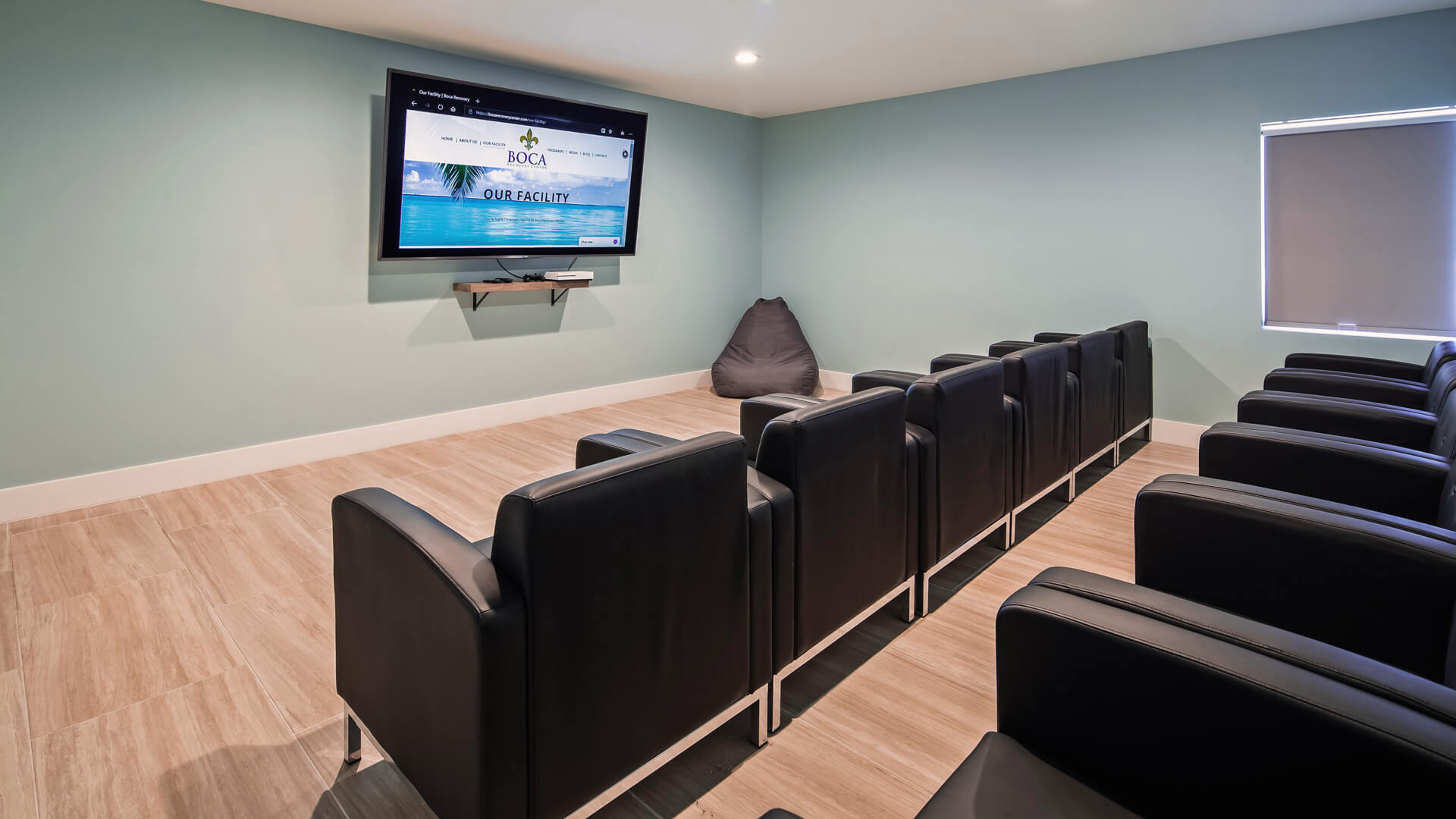
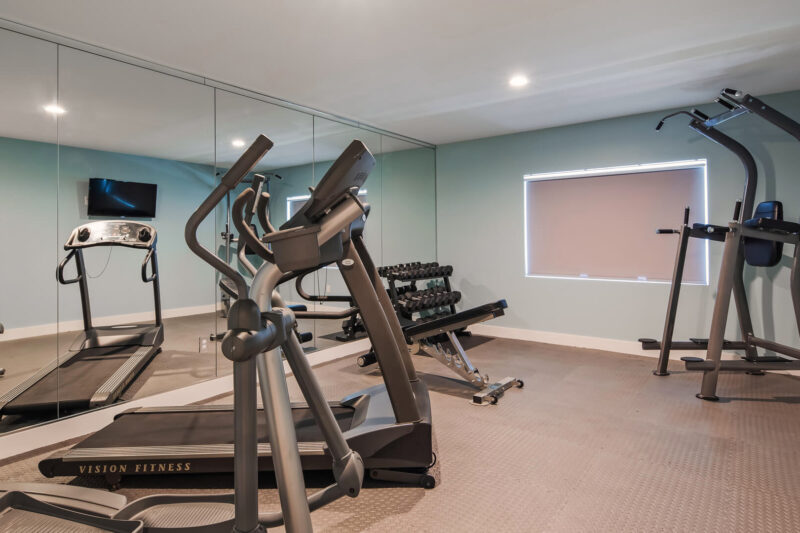
Boca Recovery Center 3 photos

Comparison facts and sources
Multi-state network focused on medical detox, residential addiction treatment and medication-assisted treatment. Its IOP page says intensive outpatient and outpatient programs are delivered through partner referrals; confirm the provider and location for each step-down service. · United States network with current facilities in Florida, Indiana, Massachusetts and New Jersey
- Published fee information
- Quote required
- Before admission
- This profile represents a network, not one campus. Location, level of care, length and payer participation must be confirmed for the selected facility.
- Continuing care
- Post-residential support can include connections to local counseling, medication management and support groups; the exact step-down plan is individual and location-specific.
Source record ·
Outpatient delivery reviewed October 19, 2026. Pricing information was reviewed October 14, 2026; confirm current services, coverage, and personal costs..
Luxury rehab comparison · Fees and inclusions · Selection methodology
Boca Recovery Center is an addiction treatment organization with locations in Florida, New Jersey, Indiana and Massachusetts. This is a network overview: services and admission criteria must be checked for the selected facility.
The provider advertises medical detox, residential rehabilitation, medication-assisted treatment and referrals for outpatient continuing care, with support for co-occurring mental health concerns. Published treatment locations include Pompano Beach, Englewood, Galloway, Bloomington, Huntington and Springfield. Its Ventnor City address is a corporate and admissions hub, not an inpatient treatment campus.
Admissions can be reached at +1 800-516-4357. The provider offers insurance verification and program-specific admissions guidance.
Request the exact campus address, age eligibility, level of care, likely duration and a written cost estimate. Confirm insurance benefits and patient charges for that campus; services, accommodation and coverage should not be assumed identical across the network.
Choose a treatment campus before planning travel
Boca Recovery Center’s location directory describes a network across Florida, Indiana, New Jersey, and Massachusetts. The listed settings have different functions. Pompano Beach, Bloomington, Huntington, Galloway, Englewood, and Springfield are treatment destinations; the directory separately identifies corporate offices in Boca Raton and Fort Wayne. A network inquiry should therefore lead to a specific proposed facility, rather than an assumption that the nearest address provides the required care.
Ask admissions to identify the campus, level of treatment, and expected transfer arrangements in writing. For example, a person choosing between Indiana and New Jersey needs to understand where assessment, overnight accommodation, medication appointments, and eventual continuing care will occur. The directory describes different amenities and room arrangements at individual facilities. Confirm accessibility, room availability, and any travel assistance for the selected location before making arrangements. A network description cannot establish that every service or accommodation is available at every address.
Boca Raton and Ventnor have administrative roles
The Boca Raton page identifies that location as a corporate office and explains that treatment facilities are separate. Its surrounding treatment and amenity descriptions should be clarified with the actual receiving campus. Similarly, the Ventnor City page describes a corporate and admissions hub that connects people with treatment in Galloway or Englewood. The Galloway accommodations discussed on that page are not evidence of inpatient bedrooms at the Ventnor office.
These distinctions matter when arranging a family visit, medical transfer, or airport pickup. Ask for the physical admission address and the name of the team expecting you. If you are choosing care close to home, check the actual journey to treatment rather than the distance to the administrative office. The same question should be answered again if the proposed plan changes from one facility to another during the assessment process.
Pompano Beach publishes individual treatment timelines
The Pompano Beach program combines medical detox and residential addiction treatment. Its FAQ describes detox as typically around 10 days and residential care as approximately 20–30 days, while explicitly making the timetable dependent on medical, clinical, and personal factors. Those figures describe the provider’s guidance for this facility; they are not a promised length of treatment or a universal schedule for the network.
The same page states that Suboxone is used for both stabilization and maintenance when appropriate. Someone already receiving medication for opioid use disorder should therefore discuss continuity with the clinical team before admission rather than assume that every patient must discontinue medication during a short stay. Ask how the proposed plan will be reviewed, who will explain changes, and what arrangements will support the next stage of care. This conversation is particularly useful when coordinating time away from work, family responsibilities, and appointments with a clinician at home.
Bloomington distinguishes medication services from coordination
The Bloomington facility’s medication FAQ identifies Suboxone, naltrexone, and acamprosate among its treatment options. It expressly says that the center does not dispense methadone but can coordinate that service when the treating team considers it necessary. This is an important distinction for a person whose current care depends on medication supplied through another program.
Before a transfer, ask how existing prescriptions and the current prescriber’s records will be reviewed, which services occur at the center, and which require an outside arrangement. The provider describes medication as part of an individualized plan with therapy and ongoing support, rather than a separate universal prescription package. It also discusses cultural, religious, dietary, and treatment preferences. Explain any relevant needs during assessment and ask the receiving team what it can provide. A general statement of inclusive care should be followed by a practical agreement about the supports needed during this particular admission.
Springfield separates on-site nursing from on-call clinicians
The Springfield program describes medical detox and residential care with nurses always on site and physicians and nurse practitioners available on call around the clock. On-call medical availability does not mean that every professional is physically present throughout each shift. Ask how overnight concerns are assessed, when a prescriber can review a problem, and what circumstances would require transfer to another medical setting.
The facility describes an individualized daily plan that can include individual therapy, groups, educational activities, meals, medication times, and supervised breaks. Its discharge guidance also discusses a personalized continuing-care plan and possible connections with virtual therapy. Request the actual appointments, contact details, and arrangements relevant to your home location before leaving. A referral, an alumni connection, and an ongoing clinical appointment serve different purposes; clarify which have been arranged and which still require a separate assessment, booking, or payment agreement.
Medical detox begins with assessment and stabilization
Boca’s medical detox description presents withdrawal management as an assessed stage of treatment, followed by planning for further addiction care. The published process includes reviewing substance use and health history, monitoring symptoms, and considering medication support according to clinical need. It should not be interpreted as a fixed medication protocol that every person receives.
During the assessment, explain current medications, previous withdrawal experiences, other health conditions, and treatment already in place. Ask the receiving team what level of monitoring it can provide and how it decides that a person is ready to move to the next stage. The duration and setting need to follow that assessment. Completing an initial withdrawal-management episode also leaves practical decisions about therapy, medication follow-up, and support at home. Ask how those next steps will be organized before discharge, especially if the proposed residential program is at a different location or requires another admission decision.
Residential treatment includes a plan for daily life and discharge
The residential treatment overview describes living at a facility while following an individualized program of therapy and recovery-related activities. Structured days combine clinical work with meals, personal time, and activities. Individual and group sessions have different roles, so ask what a typical week contains and how often a clinician reviews the treatment plan with the patient.
A useful residential plan should explain the reasons for the recommended level of care and the goals used to review progress. It should also address the return to everyday life. Boca discusses ongoing counseling, medication support where appropriate, and community resources after residential treatment. Ask which arrangements the facility will make directly and what you will need to organize with another provider. The setting and amenities may affect comfort, but they do not by themselves answer whether the proposed treatment intensity, clinical skills, and discharge arrangements fit the person’s needs.
Intensive outpatient care is arranged through partners
Boca’s dedicated IOP page says its centers do not run intensive outpatient or outpatient programs in-house. When appropriate, the team refers patients to partner programs near home. That specific statement should guide questions about broader website descriptions of a treatment continuum.
Ask for the receiving provider’s name, location, and intake requirements. The partner completes its own assessment; its schedule, medication arrangements, and insurance agreement need separate confirmation. Before leaving residential care, establish who will make the referral, when the first appointment is expected, and whom to contact if the proposed service cannot accept the referral.
Family involvement is planned around the clinical situation
The family treatment page describes an assessment of whether family participation is appropriate and how sessions should be organized. Depending on the situation, work may involve the whole family, selected relatives, or meetings without the identified patient. The stated aims include improving communication, understanding the effects of substance use, and working through practical problems.
Ask who will be invited, what the sessions are intended to address, and how confidentiality and consent will be handled. Relatives may have different needs and levels of readiness, so participation should be discussed with the treating clinician rather than assumed from the program name. A family meeting can also help clarify realistic plans for communication and support after discharge. It should not be treated as a promise of reconciliation, permission for unrestricted access to clinical information, or a requirement to return to an unsafe relationship or living arrangement.
Assessment determines the proposed facility and plan
The admissions process starts with discussion of treatment goals, medical and psychiatric concerns, and financial circumstances. The team then recommends a facility and plan, discusses the proposal, and helps coordinate arrival. Ask what still needs clinical approval before booking travel. Assistance with employment paperwork does not itself establish eligibility for leave or benefits.
Bring questions about existing care, accessibility, and communication needs to this conversation. Ask who will explain the plan on arrival and how a change in clinical needs would affect the destination or expected stay. Keep the agreed facility and admission contact details available to everyone helping with travel.
Request the current packing and device rules
The packing list recommends original labeled prescriptions, identification, insurance cards, and about a week’s clothing. It lists tablets and laptops as prohibited, while the admissions FAQ describes supervised device access after the initial phase, usually around 48–72 hours. Confirm the rule for your specific campus before packing or promising work availability. Discuss medication supplies with the admission team; the packing guidance notes that pharmacy orders can take several days. Written, current instructions can prevent avoidable difficulties on arrival.
Costs and assistance require an individual agreement
The payment information describes insurance, private payment, flexible payment plans, and possible financial assistance or scholarships. Its network-level insurance statement includes Medicare and Medicaid, but this does not establish coverage of every program, facility, or individual admission. Ask for verification against the precise proposed service and the patient’s own plan.
Request an estimate that separates treatment charges, accommodation where applicable, medication costs, and any outside services. Clarify deductibles, copayments, authorization requirements, and responsibility for services delivered after transfer to another provider. If assistance is proposed, ask how eligibility is decided, what it covers, and whether repayment or other conditions apply. A scholarship application is not confirmation of an award. The written financial agreement should also explain how a longer stay, a change of care level, or an earlier discharge would affect the expected cost, rather than relying on a general statement that insurance is accepted.
Official sources checked October 5, 2026: Provider overview; Current facility directory and office roles; Residential treatment; Admissions and payment options. Availability, suitability and charges should be confirmed directly with the provider.