BlueSky Behavioral Health
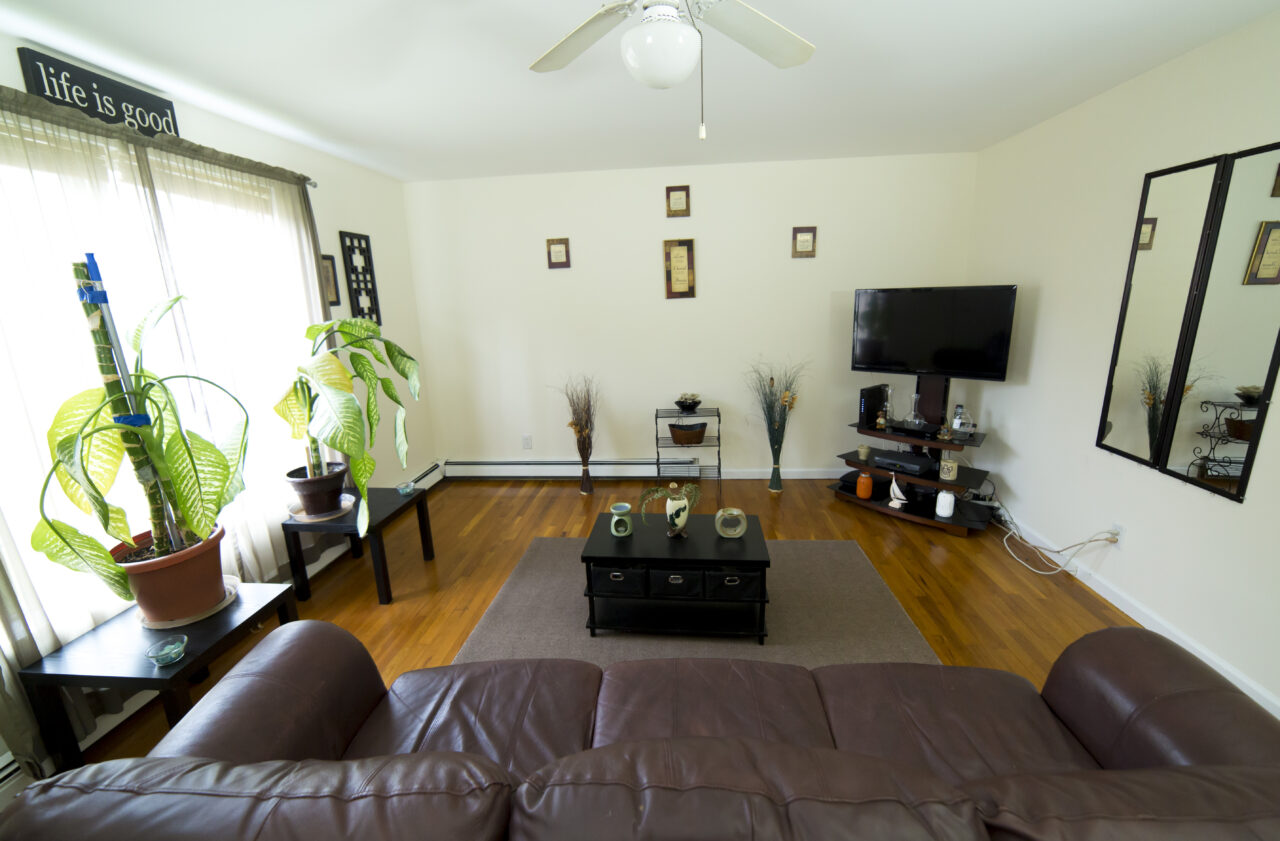

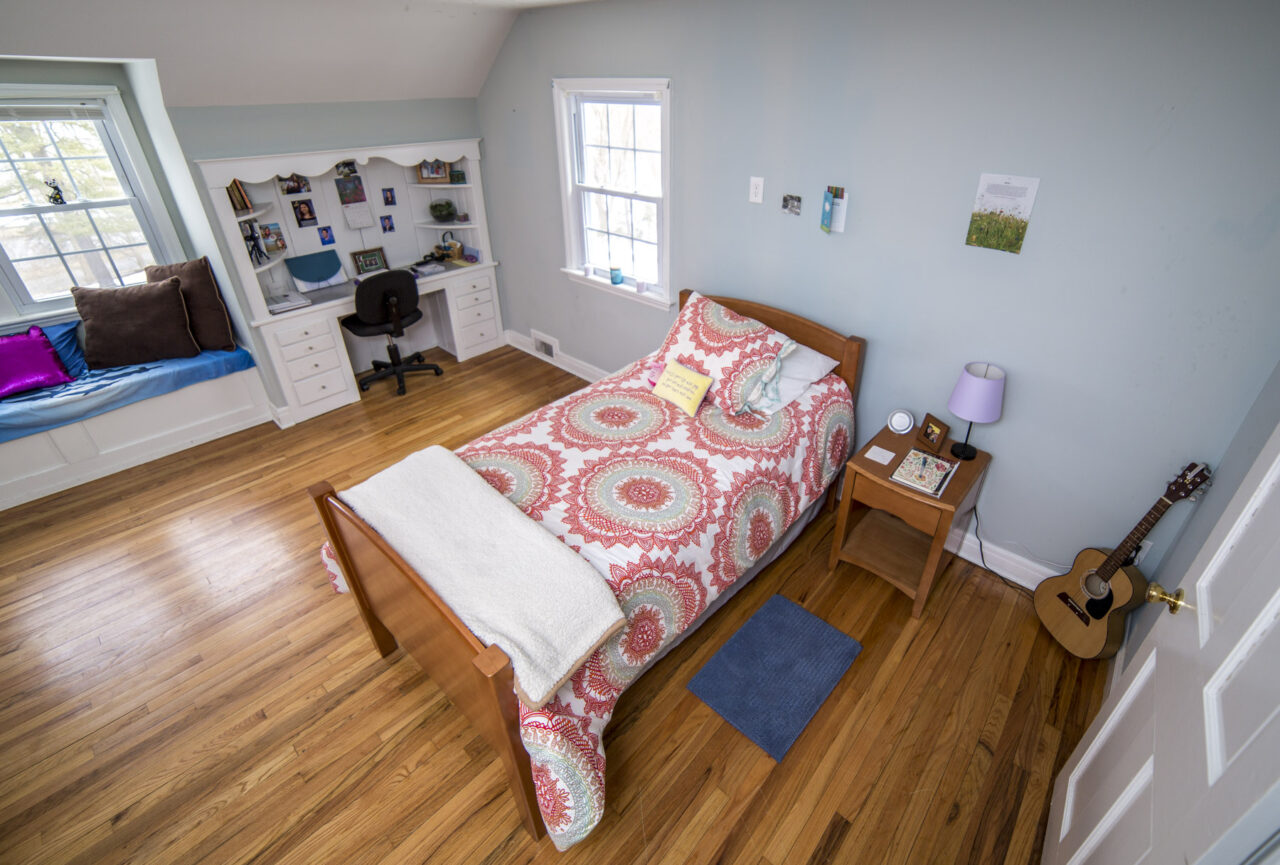
BlueSky Behavioral Health 3 photos

BlueSky Behavioral Health is an adult mental-health provider in Danbury, Connecticut. Its current programs include partial hospitalization, intensive outpatient and weekly outpatient care, plus an Enhanced Treatment Program with therapeutic furnished apartments. BlueSky describes this housing as supportive independent living rather than residential treatment.
The provider treats depression, anxiety and panic, trauma and PTSD, bipolar disorder, schizophrenia, personality disorders and dual-diagnosis conditions. Its PHP runs Monday to Friday with at least four therapeutic groups daily; PHP and IOP may include individual therapy, medication management, nursing support, DBT, EMDR and family work. The evening IOP publishes nine treatment hours per week, while total time in care remains individual.
BlueSky’s starting point is mental-health care
The BlueSky provider overview describes care for mental-health concerns, including complex or co-occurring presentations. Its Danbury clinic offers structured daytime care, while its Enhanced Treatment Program combines clinical attendance with help practicing skills outside appointments. People may seek the enhanced program from beyond the immediate Connecticut area.
This model needs to be understood in relation to the person’s current needs, rather than assumed from the word recovery in the website address. Explain the symptoms, existing diagnoses, current treatment and practical difficulties that are prompting the inquiry. Ask which program is being recommended, how much time is spent at the clinic and what support is available at other times. A program with housing and coaching is not automatically an inpatient hospital or a medical-detox unit. The admission discussion should establish the actual clinical and practical support being offered before travel or accommodation is arranged.
The clinic combines group work with individual clinical care
The mental-health services page describes individual and group therapy for adults, medication management and specialized approaches selected for a person’s needs. It lists options including DBT, EMDR, exposure and response prevention, and neurofeedback. The team reviews progress and may connect clinical work with case management and practical support.
A list of available approaches does not show which ones will be used in a particular plan. Ask the clinician to explain the main goals, the proposed therapy and how progress will be evaluated. Someone already working with a therapist or prescriber should clarify whether that relationship continues and who coordinates changes. Different needs may require different appointment frequencies or a different level of care. The useful comparison is the actual mix of clinical time, skills practice and follow-up, rather than the number of therapy names appearing on a provider’s website.
Daytime PHP and IOP require regular attendance
The PHP and IOP page describes PHP attendance Monday through Friday, with at least four therapeutic groups per day, individual therapy twice weekly and weekly medication management. Its IOP description gives three to five clinic days weekly and individual sessions once or twice a week according to the plan. Nursing support is also described within the clinic’s services.
Clarify the exact track and timetable during assessment. These commitments are more substantial than a single weekly counseling appointment, even though the person is not admitted to a hospital bed. Ask whether medication reviews and individual sessions occur within or outside the group timetable, and how missed attendance is handled. The provider’s general FAQ uses a different IOP day range, so obtain the current individual schedule directly. Work, transport and home support should be planned around the recommended attendance rather than assuming that all daytime tracks have identical hours.
Enhanced treatment uses supported independent living
The Enhanced Treatment Program describes furnished apartments arranged through participating rental agents alongside treatment at the clinic. BlueSky explicitly distinguishes this arrangement from residential treatment. The program connects clinical care with help in daily living, such as managing routines, transportation, shopping, meals and education or employment goals.
Ask for a clear description of both parts of the arrangement: the clinical program and the accommodation. Relevant questions include who manages the tenancy, what charges are separate, whether bedrooms or common spaces are shared and what support is available outside clinic hours. Apartment living involves opportunities to practice independence, but suitability still requires assessment. The presence of furnished housing does not establish that nurses or medical specialists are continuously present there. Before committing, understand the responsibilities expected of the resident, the role of the coaching team and the plan if more intensive clinical care becomes necessary.
Life coaching has a distinct role from clinical treatment
The life-coaching page says enhanced-program clients are assigned a life coach, therapist and clinical schedule. Coaches support goals, case management and the use of skills in everyday situations. The provider describes its coaching team as available around the clock, with assigned coaches reachable during their shifts and other staff available when needed.
That describes coaching availability, not continuous access to the same individual or a promise of 24-hour medical staffing. Ask what the response arrangements are, which needs coaches can assist with and how clinical concerns reach the appropriate professional. A useful service plan might address routines, appointments, work or study goals and transport, with the client helping define priorities. Clarify how often progress is reviewed and how the coach and therapist communicate. Understanding these responsibilities makes it easier to distinguish practical support from psychotherapy, prescribing or urgent medical assessment.
Arrival planning includes transport and everyday supplies
The arrival guidance describes an interview with the clinical director before admission. For enhanced-program clients, it outlines furnished apartments, an initial shopping trip and help with transportation. Staff may assist people coming from a hospital or residential program, and scheduled transport can connect housing with treatment, appointments or practical activities.
Confirm what will actually be arranged for the person’s arrival and what needs to be organized independently. Ask about pickup eligibility, luggage, food and initial spending needs. The guidance generally permits electronics, subject to the individual’s circumstances and treatment participation. It also describes possible vehicle access after time in treatment; this should be confirmed rather than assumed from arrival. Recreation examples illustrate the kinds of community activities that may be offered, not a guaranteed weekly itinerary. The priority is a workable plan for reaching the clinic, obtaining necessities and participating in the recommended care.
Housing rules preserve participation and shared-space expectations
The program FAQ explains that residents can leave for ordinary activities while informing staff, and that phones or computers are permitted when they do not interfere with treatment. It distinguishes immediate-family visits on the property from meeting friends elsewhere. It also describes restrictions on new clients using a personal vehicle and on smoking inside.
Ask for the current written rules and how individual needs are considered. The housing model involves independence, but it is still connected to an organized treatment program. Clarify how staff are informed of absences, what happens when a person misses a scheduled session and how visitors or service-animal requirements are handled. The packing information identifies some supplied household items and other necessities residents must obtain themselves. Those details matter when estimating practical costs. Confirm the current arrangement for the actual apartment instead of assuming that all locations have identical equipment, access or visitor policies.
The evening IOP publishes a nine-hour weekly schedule
The evening IOP page lists sessions on Monday, Tuesday and Wednesday from 5:30–8:30 p.m. It describes group work using CBT and DBT alongside individual therapy and medication management. The page retains an older launch-date reference, so the timetable and current enrollment need confirmation.
Nine group hours a week is a schedule, not the total number of weeks in treatment or the full time commitment for every participant. Ask how individual appointments are arranged, whether they are additional to the evening sessions and who determines the expected course. Evening attendance may fit some work or education schedules, but the clinical team still needs to assess suitability. Clarify what support is available outside those sessions and how this track differs from daytime IOP or enhanced treatment. An evening program listing should not be interpreted as automatic eligibility for accommodation or continuous supervision.
DBT is described through both individual and group work
The DBT page describes work on mindfulness, managing emotions, tolerating distress and communicating effectively. At BlueSky, it connects these skills with individual sessions, diary cards, skills groups and opportunities to practice between appointments. The page also describes activity-based groups and planning for situations outside the clinic.
Ask how DBT would be used for the person’s goals and whether the proposed plan involves a full structured program or selected skills within broader care. A diary or group exercise is useful only when its purpose and follow-up are understood. The clinician can explain how observations from everyday situations inform the next session and what support is available when practicing a new skill is difficult. Published descriptions of DBT’s benefits are not a forecast of an individual response. The relevant questions concern the actual therapist, group schedule, learning needs and method of reviewing progress.
Co-occurring needs require a coordinated assessment
The co-occurring-disorders page uses a broad description that includes overlapping mental-health or personality-related difficulties, sometimes with substance dependence. It identifies individual therapy, groups and medication management as parts of its approach. This wording is broader than using dual diagnosis only to mean one mental-health condition alongside a substance-use disorder.
Describe the person’s actual diagnoses and current symptoms rather than relying on the label alone. Ask which needs the proposed program can address together, who coordinates treatment and whether an outside specialist is needed. The team should also understand current substance use and any withdrawal or urgent medical concerns before deciding on an outpatient plan. A provider’s willingness to assess complex presentations does not establish that every combination can be safely managed in its apartments or clinic. A clear recommendation explains the receiving setting and the reasons it matches the individual’s current needs.
Trauma services are selected within the broader plan
The trauma-treatment information lists individual and group work, medication management, DBT skills, EMDR and community referrals where needed. It also describes trauma groups that may involve a therapy dog. These are stated options within the provider’s clinical services, rather than a promise that every person will receive the same combination.
Ask how the clinician assesses readiness, what goals are appropriate at the current stage and how the person can discuss comfort or concerns about a particular approach. Existing treatment relationships and practical support outside sessions should be considered in the plan. If an animal-assisted activity is relevant, explain allergies, fears or other access needs in advance. Before joining a group, ask the facilitator to explain participation expectations, how personal disclosures are handled and what individual support is available.
TMS involves a separate clinical evaluation
BlueSky’s TMS information describes an in-office treatment option for depression after evaluation by its clinical team. The page gives an example course of approximately five sessions weekly over several weeks, usually under 30 minutes per session. That outline is separate from the hours of PHP, IOP or life coaching.
Ask the evaluating clinician about suitability, the proposed course, expected benefits, risks, alternatives and how response will be monitored. The provider’s description of a non-medication procedure should not be taken as an instruction to stop existing prescriptions or psychotherapy. Those decisions belong in the individual’s care plan. Practical questions include appointment availability, transport, insurance authorization and how TMS visits would combine with other treatment. A general service-area list does not show that equipment is available at a separate clinic in each named town, so confirm the actual receiving address.
Insurance and apartment charges need separate clarification
The insurance and payment page names several commercial insurers and explicitly states that BlueSky does not accept Medicare or Medicaid. It does not provide a universal package price for every treatment and housing arrangement. A listed insurer therefore needs to be checked against the person’s exact policy and proposed services.
Request a written explanation of the clinical charges, any authorization requirements and expected personal payments. For enhanced treatment, ask separately about apartment rent, coaching, transport, food and other living costs, including which are included and which are not. This prevents a clinical benefit estimate from being mistaken for approval of the entire living arrangement. Also ask how costs change when attendance decreases or treatment ends. The financial conversation should identify the responsible payer and the actual agreement, rather than assume that every service carrying the BlueSky name is covered on the same terms.
Official BlueSky Behavioral Health information reviewed October 19, 2026. Confirm current schedules, the assessed clinical pathway, housing and coaching arrangements, individual eligibility and written financial terms. Older program notices and differing general schedule examples should be reconciled directly with the receiving team.
The clinic is at 52 Federal Road, Suite 2A, Danbury, CT 06810 and lists 888-822-7348. BlueSky names several private insurers and states that it does not accept Medicare or Medicaid; benefits, patient cost and any therapeutic-housing charge require individual verification. Sources: provider overview, PHP and IOP, enhanced treatment, insurance and payment and contact page, checked 2026-10-13.