Black Bear Lodge provides residential treatment for substance use and co-occurring mental health concerns in Sautee Nacoochee, northern Georgia. It is part of Foundations Recovery Network.
The provider lists drug and alcohol detox, residential care and family support. Admission includes an assessment of treatment needs and medical suitability; people requiring urgent medical care or acute psychiatric hospitalization may need a different setting.
The mailing address is 310 Black Bear Ridge, Sautee Nacoochee, GA 30571. The provider gives 32 Dawn Way as the address for manual GPS navigation. Admissions: +1 706-909-9811.
Fees depend on clinical needs, recommended length of stay, specialist services and payment arrangements. Admissions offers insurance verification and private-payment information. Confirm age eligibility, the proposed duration and an itemized quotation before admission.
Start with the assessed substance use treatment need
The program overview describes care for adults with substance use disorders and co-occurring mental health concerns. An individualized plan considers substance use, medical history, mental health needs, and recovery goals. The provider lists detoxification and residential treatment alongside a wider range of continuing-care options. Those options should be discussed as a proposed care pathway, rather than assumed to be identical services delivered in the same setting.
For someone comparing Black Bear Lodge with other facilities, the key question is which part of that pathway is appropriate now. A residential environment may be relevant when substantial structure is needed, while another applicant may need outpatient care or a hospital assessment. A reference to depression, anxiety, or trauma within dual-diagnosis care does not establish admission for every primary psychiatric condition. Ask the clinical team to explain what they can manage on this campus, what would require another service, and how the recommendation accounts for previous treatment and current risks.
Medical detox takes place on the campus
The medical detox description states that patients remain on campus with medical oversight and continuous monitoring. It describes medication support when clinically appropriate and says many people complete this phase in approximately seven to ten days. The provider also makes clear that timing depends on the substance involved, medical history, and individual needs.
That estimate should not be treated as a home withdrawal plan or a guaranteed endpoint. The receiving team needs to know about current prescriptions, recent substance use, previous withdrawal complications, and existing health conditions before deciding what care is suitable. Ask how medication is reviewed during detox and how ongoing treatment will be coordinated after stabilization. Completing detox does not establish that all longer-term care is finished. The program description anticipates a next level of treatment when appropriate, so the initial plan should explain both the immediate monitoring and the likely transition, including circumstances that would require hospital-level medical support.
Residential care is described as a nonhospital setting
The residential program page distinguishes Black Bear’s mountain-based residential environment from a hospital. Patients live on site with continuous support while participating in treatment. The provider describes an individualized plan that may include individual and group therapy, medication support, family programming, experiential activities, and discharge planning. It also describes a same-campus transition from detox when clinically appropriate.
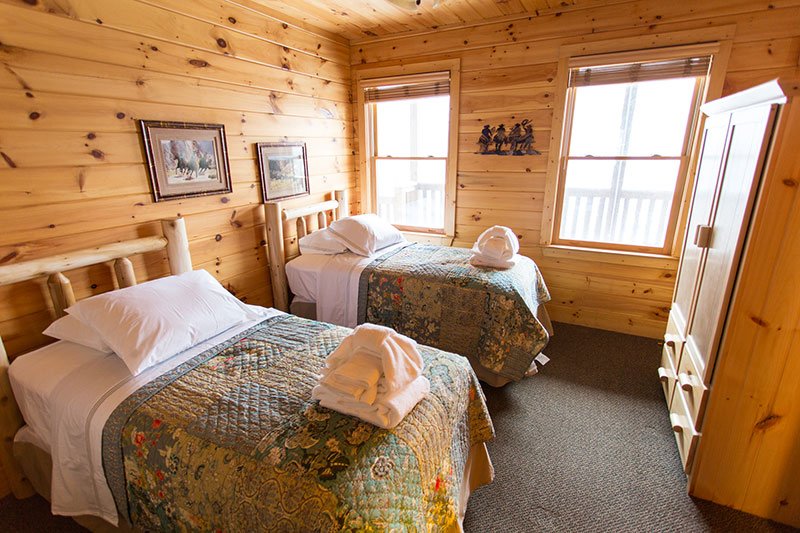
Residential length is based on clinical needs and review, rather than one fixed package for everyone. Ask what a typical week would contain for the proposed admission, how often individual sessions would occur, and which services are included in the quoted rate. The page describes cabin-style accommodation, meals prepared on site, recreation, and outdoor activities. Those features do not establish a private room or guarantee access to every activity during withdrawal or illness. Confirm room occupancy, accessibility, and how the treatment team adapts the daily routine to the person’s health and ability to participate.
Individual counseling and group work have different roles
The counseling overview describes private individual sessions with licensed clinicians alongside clinician-led groups. Group topics include triggers, emotional regulation, communication, and relapse prevention, while individual work addresses the person’s history and goals. Published approaches include cognitive behavioral therapy, dialectical behavior therapy, motivational interviewing, and other methods selected according to the treatment plan.
A list of approaches does not mean each patient receives every method or that a full specialist protocol is provided at a fixed frequency. The provider explicitly says individual therapy frequency depends on clinical needs. Ask which approaches would be used, who would deliver them, and how progress would be reviewed. Someone with a substantial trauma history may also want to discuss readiness, pacing, and whether the program provides a particular trauma-focused treatment or primarily uses trauma-informed principles. These distinctions help compare the proposed clinical work with a general description of a supportive therapeutic environment.
PHP is day treatment with separate overnight arrangements
Black Bear’s partial hospitalization page describes intensive daytime treatment for adults who do not need continuous residential care. A proposed plan may include individual and group work, psychiatric evaluation, medication management when appropriate, and relapse-prevention planning. The provider describes PHP as a possible transition after residential treatment or an initial level of care when assessment supports it.
The overnight environment is a material part of that decision. The page describes returning home or to supportive accommodation outside programming hours, so PHP should not be assumed to include the same accommodation and supervision as a residential admission. Confirm current availability, the location of sessions, daily attendance requirements, and the housing arrangement before committing to a step-down plan. Also establish how medication and urgent concerns are handled outside treatment hours. The fact that PHP appears in the advertised continuum does not settle whether a particular applicant is eligible, whether a place is open, or which components their insurer will authorize.
Outpatient follow-up needs a confirmed receiving service
The outpatient and continuing-care guidance discusses personalized recommendations and referrals before discharge, with ongoing therapy, support groups, alumni activities, and community resources among the possible supports. It describes outpatient care as relevant for people who can live safely outside a continuously supervised setting and remain engaged in treatment while managing everyday responsibilities.
When IOP or another outpatient service is recommended, ask which organization and address will provide it. The broad continuum descriptions do not resolve the delivery location or availability of every follow-up service. A useful plan includes an accepted referral, a first appointment, the expected weekly commitment, and arrangements for medication and records. Someone returning to another state also needs a service that can actually treat them where they will live. Compare the practical accessibility of the plan with the intensity recommended by the clinical team, rather than assuming that a list of outpatient options automatically provides a seamless transfer.
Family Information Night is education, not family therapy
The family program page makes a useful distinction between its psychoeducational Family Information Night and separate clinical family therapy. The education program is described for relatives and support systems of current patients, delivered through Zoom on Wednesdays from 5:30 to 7 p.m. Eastern time. Its four-week rotating curriculum allows participants to join at different points.
Topics include understanding addiction, boundaries, preparation for life after treatment, and support for family members themselves. This four-week rotation is an education schedule, not a prescribed residential stay. Confirm the current meeting arrangements and eligibility with staff, especially if a supporter lives outside Georgia or cannot attend the usual session. If family therapy is needed, ask whether it is included in the individual’s plan and how consent and participation are agreed. Attending an educational session does not by itself authorize access to someone’s clinical information or guarantee a family therapy appointment.
Verify the individual insurance plan
The insurance and payment page lists several commercial insurers and TRICARE East among the plans the provider works with. It describes a benefits review covering deductibles, authorization requirements, and expected personal responsibility. Those published names are useful starting points for inquiry, but they do not guarantee coverage for a specific person, service, or length of stay.
Request verification for the actual proposed level of care and ask whether each relevant provider is in network. Confirm which services need prior authorization, how additional days are reviewed, and what charges could remain if a service is not covered. If a transfer to PHP, IOP, or an outside clinician is planned, check those arrangements separately. The provider also discusses private-payment options. A decision to pay privately should still be accompanied by an itemized explanation of the proposed services and potential additional costs, rather than relying on a general assurance that treatment can be arranged.
The cost discussion should follow the proposed clinical plan
Black Bear’s cost guidance does not establish one universal residential price. It describes charges as dependent on the person’s clinical needs, recommended duration, and coverage. Someone asking for a “30-day price” may therefore receive an estimate that changes once assessment identifies detoxification, additional medical needs, or a different treatment recommendation.
Ask for a written estimate tied to the actual proposed plan, including accommodation, clinical appointments, medication-related charges, and any separately arranged services. Clarify the process for approving extensions or changes and who will explain revised personal costs. If insurance is being used, distinguish the provider’s estimate from the insurer’s authorization; both affect the financial decision. If travel or follow-up accommodation is needed, include those costs in the comparison. The most useful figure is the expected total for the assessed pathway, with the remaining uncertainties clearly identified, rather than an unrelated industry price or a universal stay assumption.
Alumni support provides continued connection
The alumni program describes a coordinator, community events, volunteer opportunities, and an app with recovery resources and an events calendar. Published examples include meetings, celebrations, educational workshops, and activities that help former patients remain connected. Confirm which options are currently operating and whether remote participation is available if the person returns home outside Georgia.
Alumni involvement is distinct from a clinical follow-up appointment. It may help someone find peers and stay informed about recovery activities, but the page does not establish continuous medical monitoring or an emergency response service. Before discharge, clarify which needs should go to the alumni team and which require the treating clinician, prescriber, or another service. A person who does not want to use an app should ask about other ways to stay connected. The ongoing plan should reflect their preferences and support needs, without assuming that community participation replaces recommended therapy or medication follow-up.
Sober living is arranged through other providers
The recovery-housing guidance explicitly says Black Bear Lodge does not operate sober-living facilities. Its team can help identify housing as part of an aftercare plan, and the page points readers toward external recovery residences. A housing recommendation should therefore be treated as a separate placement with its own operator, rules, fees, and availability.
Before accepting a referral, establish the home’s address, occupancy arrangements, staffing, medication policies, and connection to outpatient care. Confirm whether transportation is included and how a resident obtains help if their condition changes. Ask which charges relate to housing and which relate to clinical treatment, since they may be billed by different organizations. A supportive residence does not automatically provide medical detoxification, psychiatric treatment, or continuous clinical supervision. The discharge plan should explain why the proposed environment matches the person’s current needs and how professional follow-up will continue alongside the housing arrangement.
The mountain setting has practical implications
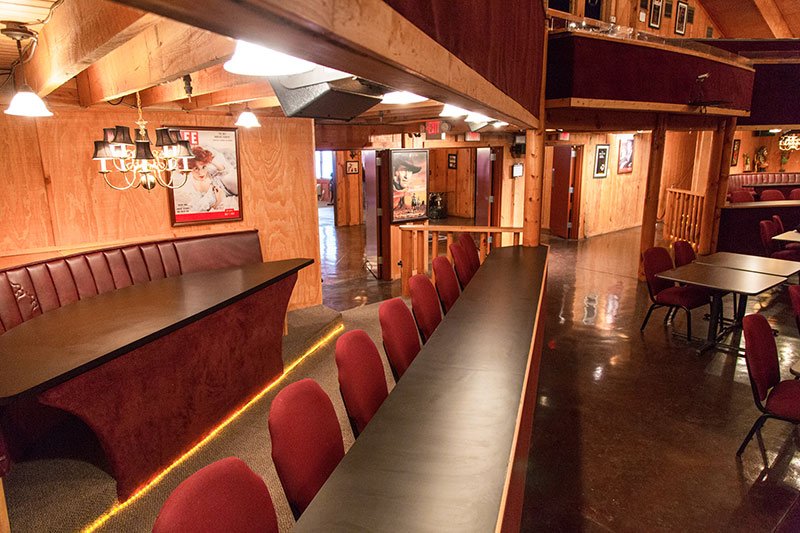
The campus overview describes wooded grounds and cabin-style accommodation in Sautee Nacoochee. The property originated as a mountain retreat, and the current setting offers a different daily environment from an urban hospital or outpatient office. That setting may be relevant to someone seeking distance from familiar routines, but it should be considered alongside the actual clinical plan.
Ask about the distance between accommodation and treatment rooms, terrain, accessible routes, room sharing, and arrangements during poor weather. Someone who needs frequent outside appointments should establish how those visits would be managed before admission. Families planning to visit should confirm the applicable rules and timing rather than assume a leisure-resort model. Travel directions should also be checked directly, particularly where the mailing address and navigation instructions differ. The aim is to understand how the campus will work for the individual’s health, mobility, privacy, and practical responsibilities, not simply whether its scenery is appealing.
Program distinctions were reviewed through official indexed provider pages on October 19, 2026; direct access was restricted. Confirm current availability, the delivery location of each care level, personal costs, and the clinical plan with Black Bear Lodge.
Compare other providers in Georgia and explore our alcohol addiction treatment guide.