Betty Ford Center Rancho Mirage
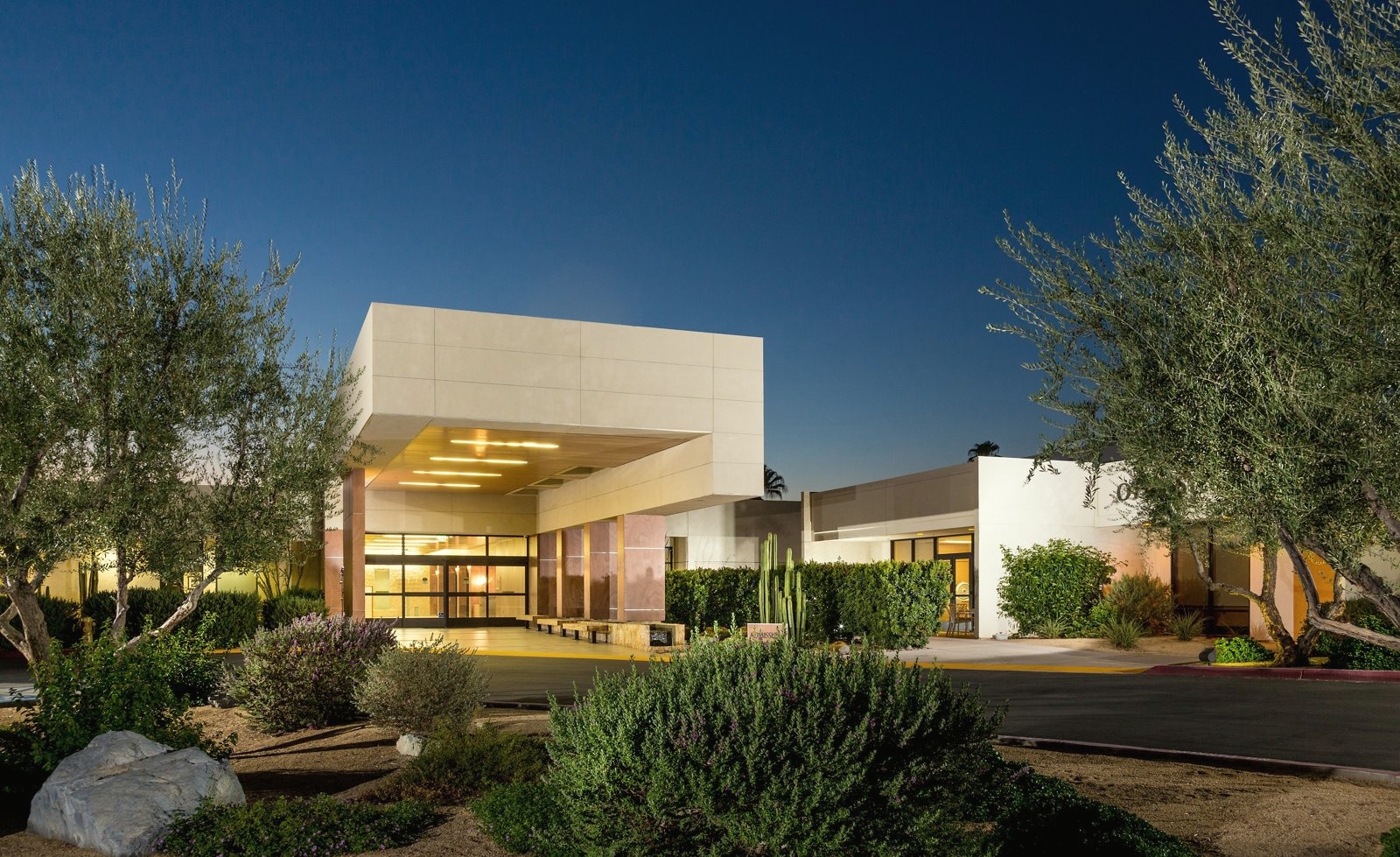


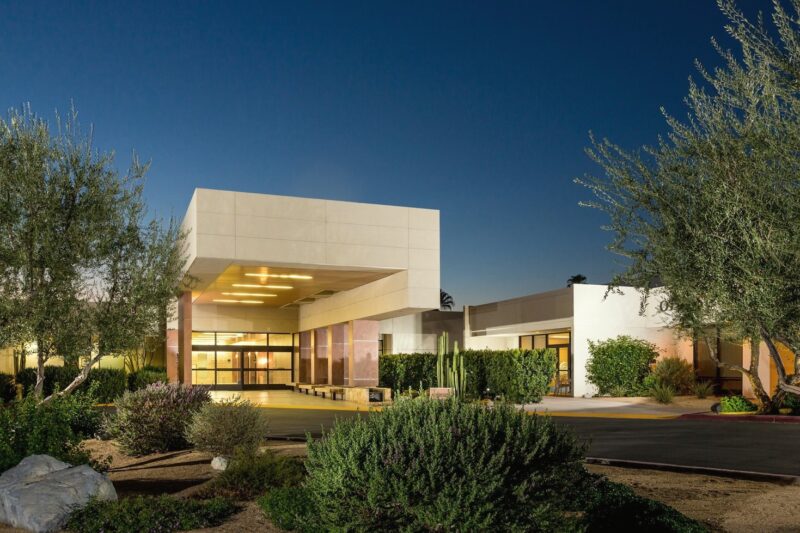
Betty Ford Center Rancho Mirage 3 photos
Comparison facts and sources
Adult Hazelden Betty Ford campus offering medically supported withdrawal management, residential treatment, PHP/day treatment, IOP, standard outpatient groups, virtual care and integrated co-occurring mental-health services. Family programs and recovery support are separate companion services. · 39407 Vista Del Sol, Rancho Mirage, CA 92270, United States
- Published fee information
- Quote required
- Before admission
- This review verifies current Rancho Mirage campus identity, adult scope, levels of care, program intensity, payer guidance and fee boundaries. It does not guarantee admission, coverage, financial aid, duration or a final patient price.
- Continuing care
- Discharge planning is individualized. Follow-up may include lower-intensity outpatient or virtual care, recovery coaching and monitoring, alumni services, family education, support groups and counseling.
Source record · October 16, 2026
Current provider campus, residential, outpatient, insurance and patient-aid pages checked October 16, 2026..
- Current Rancho Mirage campus identity, address, phone, adult scope and services
- Current residential model, milestone-based duration and discharge planning
- Current PHP, IOP and outpatient schedules and milestone-based duration
- Current California insurance, Medicare/Medicaid, financing and cost guidance
- Current limited patient-aid eligibility and program-specific assistance
Luxury rehab comparison · Fees and inclusions · Selection methodology
Betty Ford Center is Hazelden Betty Ford’s addiction and mental-health treatment campus in Rancho Mirage, California. The campus serves adults aged 18 and older; it should not be confused with the organization’s other US locations.
Current official information describes medically supported withdrawal management, residential care, partial hospitalization or day treatment, intensive outpatient care, standard outpatient groups, virtual services, and integrated support for co-occurring anxiety, depression and trauma. Residential length is based on individual clinical milestones rather than a fixed 28-day model. Hazelden Betty Ford describes PHP as 25–30 hours per week, IOP as three hours a day on four days per week, and standard outpatient groups as typically 90 minutes once weekly, subject to program and state availability. Family services and recovery support are available but are distinct from admission to adult treatment.
Planning a stay at the Rancho Mirage campus
The Betty Ford Center campus page provides local arrival instructions, visitor guidance, and phone rules. It asks for confirmation of travel details before admission and recommends allowing flexibility if the stay changes. Obtain the current arrangements directly before booking flights, including transportation and the place to check in.
The published communication policy permits phones in patients’ rooms outside programming, with restrictions elsewhere to protect confidentiality and reduce distraction. Visiting is scheduled rather than unrestricted. These details matter if work, caregiving, or family contact must continue during treatment. Ask what exceptions can be considered and how urgent messages reach the team. The setting is a shared clinical community, not a private vacation residence. Confirm the assigned accommodation, accessibility arrangements, and current visitor rules, and distinguish services included in treatment from nearby hotel arrangements for relatives.
Medical withdrawal care at this location
The organization’s detox guidance describes supervised withdrawal management, monitoring, and symptom support. Rancho Mirage is a campus with medical detox services, unlike some locations in the same network. The assessment should establish whether withdrawal care is needed and how other medical or mental health concerns affect the plan.
Explain the substance-use history, current prescriptions, and any previous severe withdrawal symptoms. Ask which professionals supervise care, what medical limits apply, and how an outside transfer is arranged if needed. Do not interpret a typical number of days as a requirement to finish at a predetermined point. Before moving to the next stage, clarify the medication plan and who becomes responsible for follow-up. Detox focuses on stabilization; the subsequent treatment plan should address the person’s continuing needs and daily risks. These should be discussed together while remaining clearly distinct parts of care.
Residential care is organized around clinical progress
The residential program description combines individual counseling, group work, psychiatric care, education, and wellness support. The provider says length is determined by clinical milestones rather than a fixed 28-day formula. Ask how those milestones are defined for the specific admission and how the patient participates in reviewing progress.
A sample weekly schedule can show the difference between individualized appointments, clinical groups, peer activities, and general recreation. Discuss the frequency of psychiatric review and how medication changes are communicated. If the person has received treatment before, ask what the assessment suggests doing differently this time. Accommodation quality may contribute to comfort, but it does not establish whether the program can address a particular condition. A useful plan states the goals, the services intended to meet them, and the circumstances in which another specialist or more intensive setting would be recommended.
Day treatment and intensive outpatient options
The outpatient information lists Rancho Mirage among its California locations and distinguishes day treatment from intensive and lower-intensity outpatient services. Those formats involve different weekly commitments. Confirm the actual program, current timetable, and balance of individual and group appointments rather than relying only on the network’s general schedule.
For a local resident, assess whether transport, work, and the home environment support reliable attendance. For someone traveling to California, ask whether accommodation is available, separately charged, or arranged independently. Housing and clinical treatment should have clearly stated responsibilities, especially outside program hours. If stepping down from residential care, identify the first outpatient appointment before discharge and confirm how records and prescriptions follow the person. The plan should also explain what happens if the lower-intensity schedule is insufficient or if symptoms increase between appointments.
Telehealth when returning home or living farther away
The virtual-care page describes online addiction treatment, mental health care, family services, and recovery support, while warning that not all services are available nationally. California is among the listed states. A person who travels to Rancho Mirage and then returns elsewhere needs confirmation of the specific service’s geographic eligibility.
Ask whether sessions must be attended from the state of enrollment and what happens during travel. Confirm the platform requirements, privacy arrangements, and availability of individual and group work. Remote access can reduce travel, but it does not remove the need for a suitable care level or a plan for in-person assessment when necessary. Before discharge, establish which clinician will provide follow-up and how local medical needs are handled. A virtual option is most useful when it fits the person’s actual home situation, schedule, and ability to take part confidentially.
Separate mental health services from addiction admission
The mental health services page lists standalone assessments, counseling, groups, and medication coordination, including statewide California telehealth. That is a different route from entering the Rancho Mirage residential addiction program with a co-occurring condition. A general list of diagnoses should not be treated as confirmation that every condition can be managed at every level of care.
Ask whether the main concern calls for standalone mental health treatment, integrated addiction care, or another service. Explain current symptoms and existing treatment so the team can advise on fit. Clarify who provides psychiatric or prescribing support and whether appointments are on campus, virtual, or through another provider. If the person’s needs change during treatment, ask how the plan is revised and how an outside referral is arranged. This makes the choice depend on the actual clinical service rather than the reputation of the broader organization.
Family workshops and support for younger relatives
The family program includes educational workshops, group coaching, individual family coaching, and support for children or teenagers affected by a loved one’s substance use. Rancho Mirage is listed as an in-person workshop location, while many other options are virtual. Ask which format is available during the planned stay and whether advance registration is required.
Clarify cost and age eligibility for each service. A children’s support program is not the same as admitting a child to adult treatment, and family coaching may occur without the patient present. Relatives may have their own needs around trust, communication, boundaries, or self-care. Discuss whether joint meetings are appropriate and how consent governs information sharing. If relatives live elsewhere, identify a way for them to participate that is practical and clinically useful. Family involvement should be purposeful, rather than assumed to be the same as visiting the campus.
Use the California insurance list carefully
The insurance page instructs readers to select the state where treatment will occur and notes that arrangements differ by facility. Its California list therefore provides a starting point for Rancho Mirage verification, not a guarantee that every service is covered. The detailed Minnesota Medicaid exception does not establish equivalent coverage for a California admission.
Ask the financial advocate to verify the exact policy, treating facility, care level, and authorization requirements. Separate the expected patient contribution from charges that depend on later decisions or an insurer’s review. If treatment moves from residential care to an outpatient program, confirm the new benefit arrangements. A written estimate should identify noncovered services, medication costs, accommodation charges where applicable, and payment terms. Do not assume that a plan appearing on a list eliminates deductibles or that a benefits discussion guarantees payment of every claim.
Financial assistance and a realistic budget
The patient aid policy describes assistance based on financial need, clinical admission criteria, available resources, and the particular program. It is a separate question from insurance authorization. If help is needed, ask what documents are required and when a decision can be made before committing to travel or treatment.
Clarify whether the proposed support is a discount, financial assistance, or financing that must be repaid. Include transportation, family lodging, and continuing care in the overall budget where those costs fall outside the clinical agreement. Ask how fees change if the stay is extended or shortened and whether an aid award covers later outpatient services. A nonprofit designation does not imply unlimited assistance. A written financial plan makes it easier to assess whether the recommended care is workable without confusing a general funding option with a confirmed award.
Interpreting treatment outcomes and rankings
Hazelden Betty Ford’s outcomes page describes research and follow-up across its treatment organization. Such information can be useful, but a network-wide result is not automatically a Rancho Mirage-specific result or a prediction for an individual. Different measures also answer different questions: reported sobriety, cravings, satisfaction, and quality of life are not interchangeable.
Ask which population a result covers, when follow-up occurs, how many former patients respond, and whether people who leave early are included. If a comparison with other treatment is quoted, ask how comparable the groups and measurement methods are. Rankings and testimonials may describe reputation or individual experience without establishing clinical fit. Assess the proposed treatment team, services, and continuing plan alongside the available research. The goal is to understand the evidence and its limits rather than turn a favorable headline into a guarantee.
Connecting with support beyond the campus
The alumni network describes chapter meetings, events, online resources, and opportunities to connect with people from several Hazelden Betty Ford locations, including Rancho Mirage. Before leaving, ask how to find a suitable local or online group and whether an introduction can be arranged.
Alumni activity is distinct from a scheduled clinical appointment. The discharge plan should separately identify therapy, medication follow-up, and any paid coaching or monitoring service. Discuss how the person can seek further help if needs increase, rather than relying on a meeting calendar alone. Some people prefer a small or virtual introduction before joining a wider community, and those preferences can be discussed. A practical continuing plan should fit the place where the person will live, their responsibilities, and the support they are willing and able to use consistently.
Provider information reviewed October 18, 2026. Confirm the current Rancho Mirage program, care level, accommodation, scheduling, and financial terms directly with Hazelden Betty Ford.
The official campus address is 39407 Vista Del Sol, Rancho Mirage, CA 92270, and the 24-hour admissions number is 1-866-831-5700. California in-network options vary by facility and benefit plan; the provider says Medicare and most Medicaid policies are not accepted, while limited patient aid and financing may be available. No universal cash rate is published, so coverage, authorization, self-pay cost, taxes and inclusions require an individual written estimate. Sources: Rancho Mirage campus, inpatient treatment, outpatient treatment, insurance and patient aid, checked October 16, 2026.