Better Tomorrow Treatment Center
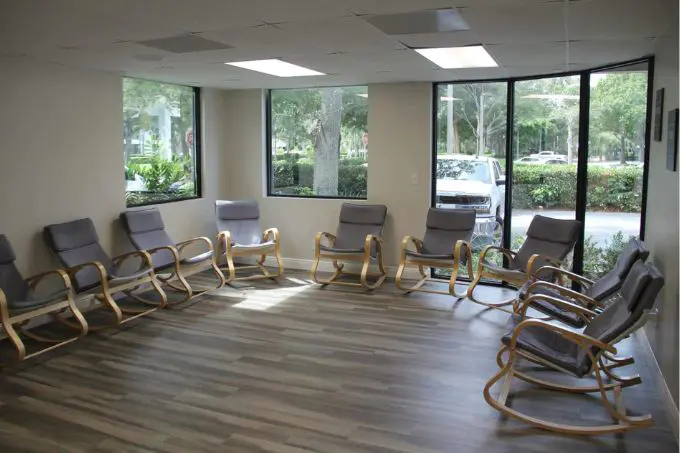


Better Tomorrow Treatment Center 3 photos

Comparison facts and sources
Outpatient substance-use and co-occurring mental-health care through PHP, IOP and standard outpatient phases; medical detox is coordinated with separate partner facilities. · Outpatient clinical campus at 901 Northpoint Parkway, Suite 400, West Palm Beach, Florida; optional supportive housing is separate.
- Published fee information
- Quote required
- Before admission
- This review does not establish admission, clinical eligibility, insurance authorization, housing availability, included services, taxes or final client responsibility.
- Continuing care
- Discharge and aftercare planning plus an alumni program for continuing connection and support.
Source record · October 19, 2026
Clinical service descriptions reviewed October 19, 2026. Pricing information was reviewed October 17, 2026; confirm current services, coverage and personal costs..
Luxury rehab comparison · Fees and inclusions · Selection methodology
Better Tomorrow Treatment Center is an outpatient substance-use and co-occurring mental-health provider at 901 Northpoint Parkway, Suite 400, in West Palm Beach, Florida. Its current program structure lists partial hospitalization (PHP), intensive outpatient (IOP) and standard outpatient care. Optional supportive housing is separate from the clinical campus.
Medical detox is not provided on site. Better Tomorrow says it arranges admission with dedicated partner detox facilities when needed, then provides PHP, IOP and outpatient treatment after medical stabilization. Its current guidance describes a typical partner-detox stay of about 4–7 days, depending on clinical need, and recommends 60–90 days across all three outpatient phases when possible.
Published services include individual and group therapy, CBT, DBT, EMDR, motivational interviewing, medication management, family programming, yoga, discharge planning and alumni support. The provider says it works with many PPO-style insurance plans and offers self-pay terms; benefits, deductibles, out-of-pocket costs, housing and external-detox charges require direct confirmation.
An outpatient program with a staged treatment structure
The program-structure guide describes screening before admission, orientation during the first week and an individualized treatment plan. It recommends five treatment days weekly during the first two weeks, followed by reassessment and a possible reduction to three group-treatment days. Progress determines the next step.
Discuss which stage is being proposed for you and how its schedule fits your current needs. The orientation includes assessments, introductions and optional housing arrangements; housing is not automatically part of every admission. The guide also describes planning for work, education, living arrangements and continuing care. Ask when those discussions begin and who coordinates them. A staged model is most useful when the criteria for moving between stages are clear, rather than treating attendance alone as proof that someone is ready for less support.
Medical detox takes place with separate partner providers
The detox guidance expressly describes withdrawal treatment through partner programs, followed by PHP or IOP at Better Tomorrow. Its typical four-to-seven-day detox example can be longer depending on the substances involved, health history and clinical assessment. Its broader recommendation of 60–90 treatment days covers the outpatient phases, rather than one continuous detox stay.
When detox is recommended, establish the name and address of the accepting facility, its medical capabilities and who arranges transfer afterward. Confirm the two admissions separately, including what happens if stabilization takes longer than expected. Obtain separate cost and insurance information for the detox provider and subsequent outpatient care. A coordinated referral can connect services, but it does not mean that the same building, staff or billing arrangement applies throughout the treatment pathway.
PHP provides daytime treatment without overnight clinical supervision
The partial hospitalization description places PHP between more intensive care and less frequent outpatient appointments. Clients receive structured daytime treatment and return home or to sober living afterward. The page describes group work, individual sessions, education, treatment planning and medication management when clinically appropriate.
PHP suitability depends partly on what happens outside treatment hours. Explain whether the person can remain safe overnight, access medication and reach help if symptoms worsen. The provider identifies medical instability, significant withdrawal and safety concerns as reasons another setting may be needed first. Request the actual timetable, including the individual-session arrangement and how progress is reviewed. The page gives a variable duration of several weeks or longer, rather than one fixed stay. If accommodation is being considered, discuss it as a separate living arrangement; attending a hospital-level day program does not establish round-the-clock hospital care at the residence.
IOP needs a timetable that works outside the treatment room
The intensive outpatient overview describes treatment while living at home or in sober housing, including group work, recovery skills, wellness activities, progress review and continuing-care planning. It presents IOP both as a step down after more intensive care and as a possible starting point for someone assessed as sufficiently stable.
Obtain Better Tomorrow’s actual current days and session hours before relying on a general description of IOP. Discuss work, school, caregiving and transportation, along with the support available during evenings and weekends. The relevant question is whether the planned amount of contact fits both the clinical need and the person’s ability to attend. Agree on how to report a return to substance use, missed sessions or worsening symptoms. Those events may prompt reassessment of the plan or a different care level; a flexible schedule should not be mistaken for an absence of clinical expectations.
Standard outpatient care supports the return to daily responsibilities
The outpatient program page describes OP as following intensive outpatient treatment. Published components include psychiatric care, individual therapy, family involvement and group therapy one or two times weekly. The program also identifies support with work, education, legal matters, medical needs and housing during the transition.
Clarify which of those services would be part of the individual plan and which involve referral or coordination with another organization. Someone returning to employment may need an appointment schedule that can continue beyond the first week back. A student may need help coordinating treatment with classes rather than assuming an academic service is provided directly. Discuss the expected length of outpatient follow-up, review points and responsibility for medication appointments. OP is continuing clinical care, while practical support helps address circumstances surrounding recovery. Neither a service list nor a transition into OP guarantees that every external need has already been resolved.
Co-occurring symptoms are assessed alongside substance use
The dual-diagnosis page describes coordinated treatment planning for substance use and mental health concerns. It discusses symptoms, previous treatment, trauma or stress patterns and available support. Medication management may be included after assessment, without promising a particular medication or result.
Bring information about previous diagnoses, current prescriptions and what changed before or after substance use increased. A symptom mentioned on a webpage is not a diagnosis, and the team’s assessment should distinguish current needs from a general condition list. The provider says people who are medically unstable, in withdrawal or unable to remain safe without supervision may need stabilization elsewhere before outpatient care. Ask who provides psychiatric follow-up and how communication with an existing clinician is handled. A useful plan explains how both concerns will be reviewed during the transition through PHP, IOP and standard outpatient treatment.
Therapy choices should connect with specific treatment goals
The therapy overview lists motivational interviewing, CBT, DBT, EMDR, trauma-related work and couples therapy. It says the combination depends on the person’s history, needs and response. This is a menu of possible approaches, rather than a promise that every person will receive every therapy.
Ask the clinician to explain why a particular approach is being proposed, how sessions will be delivered and how progress will be discussed. Someone considering trauma-focused work should clarify preparation, pacing and available support between sessions. Couples work raises separate questions about whether joint sessions are suitable, what consent is required and how each person’s privacy is handled. The name of a method is only one part of comparing care: the clinician’s relevant training, the actual appointment frequency and the connection to the individual’s goals matter as well. These details are best settled during treatment planning, not inferred from a broad therapy list.
Supportive housing has its own location, rules and charges
The housing description discusses recovery residences in Palm Beach Gardens and the surrounding region, connected with outpatient treatment. It describes shared living areas, kitchens, outdoor space, pet-friendly options and pools at selected homes. Availability and amenities differ by house, so those features should not be assumed for every placement.
Request the exact residence address and the route to the West Palm Beach clinical office. Confirm room occupancy, staff availability, transport, house expectations, medication arrangements and separate housing charges. It is particularly useful to understand what happens if someone needs more clinical support or returns to substance use. The housing page presents general expectations but does not settle every home’s policy. Supportive accommodation should not be treated as an on-site detox unit or continuous medical supervision. A person requiring those services needs an assessment of an appropriate care setting before a housing reservation is considered.
Family involvement can include support for relatives themselves
The family program encourages interaction with the patient’s therapist and describes guidance and referrals for relatives. It also discusses family members seeking their own counseling or peer support, such as Al-Anon, Nar-Anon or CoDA. These are presented as possible resources rather than a requirement that every relative follow the same approach.
Ask what family contact is available during the proposed treatment phase, whether sessions can be remote and how participation is arranged with the patient’s permission. A relative may want general education while the patient prefers to keep some clinical information private. Discuss those boundaries directly. Family members can also seek help for their own needs without waiting for the patient’s treatment to reach a particular milestone. The program description does not provide a fixed family-session calendar or guarantee repaired relationships; the practical goal is an agreed form of communication and support that is appropriate for those involved.
Alumni support should be distinguished from continuing clinical care
The published alumni description emphasizes staying connected after treatment, receiving encouragement and participating in a recovery community. It describes ongoing contact and activities but does not set out a fixed current event timetable or a specified number of clinical appointments.
Before discharge, ask how to join, how contact is maintained and which activities are currently available. Someone returning outside South Florida should clarify whether any participation can continue remotely. Keep alumni contact details alongside the separate appointments for therapy, psychiatry or other care that remain necessary. Peer connection can be one part of a broader plan, but it is not the same service as a scheduled clinical review or an urgent response line. It also helps to know whom to contact if the person wants to return for an assessment later. Those arrangements should be confirmed directly rather than assumed from an invitation to remain involved.
The first call leads to clinical review before travel is arranged
The admissions guide describes an initial phone assessment, a free benefits verification without an obligation to enroll, and review by the clinical director. Following approval, staff coordinate arrival and explain intake. Initial care includes psychiatric and biopsychosocial assessments used to develop the treatment plan.
Prepare a concise account of the current concern, medical history, previous treatment and any immediate safety issue. If traveling, confirm whether arrival is first at a partner detox facility, the outpatient office or an arranged residence. Ask what documents and belongings are needed and whether a transport arrangement has actually been accepted. The guide describes coordination with airports and other transport links, but an individual itinerary and its costs require direct agreement. A conversation or completed insurance check does not by itself establish admission approval. Wait for the clinical decision and clear arrival instructions before treating the proposed plan as a confirmed placement.
Insurance information should be matched to each part of the plan
The insurance-verification form requests identifying and policy information so the team can follow up. That is the beginning of a benefits discussion, rather than a published all-inclusive treatment price or an individual coverage decision.
Request the expected personal cost for the proposed outpatient level, and ask whether authorizations or cost sharing change during the transition between PHP, IOP and OP. Keep the separate partner-detox and optional-housing arrangements visible in the financial discussion. Identify which organization would bill for each service and whether any fee is outside the health plan. If choosing self-pay, ask for written terms describing the services, attendance period, cancellation rules and any additional charges. Accurate contact and policy details help the team respond, but final clinical eligibility, insurer approval and personal responsibility still need to be confirmed before proceeding.
Sources
- Official program structure and address
- Official detox-partner and duration guidance
- Official therapies overview
- Official insurance verification
- Official contact page
Sources checked October 17, 2026.