Beachside Rehab

Beachside Rehab 3 photos

Comparison facts and sources
Private South Florida addiction and mental-health provider with a West Palm Beach inpatient campus and a separate Hutchinson Island outpatient center. · Inpatient: 1101 54th Street, West Palm Beach, Florida 33407; outpatient: 4005 North Highway A1A, Hutchinson Island, Florida 34949
- Published fee information
- Quote required
- Before admission
- The West Palm Beach inpatient campus and Hutchinson Island outpatient center are distinct. PHP and IOP should not be represented as inpatient wards.
- Continuing care
- Case management, discharge planning and step-down outpatient care are described; the individual continuing-care plan depends on clinical need.
Source record · October 14, 2026
Provider-published information checked October 14, 2026. Confirm site, level of care, accommodation, program eligibility and payer authorization directly with Beachside Rehab.
Luxury rehab comparison · Fees and inclusions · Selection methodology
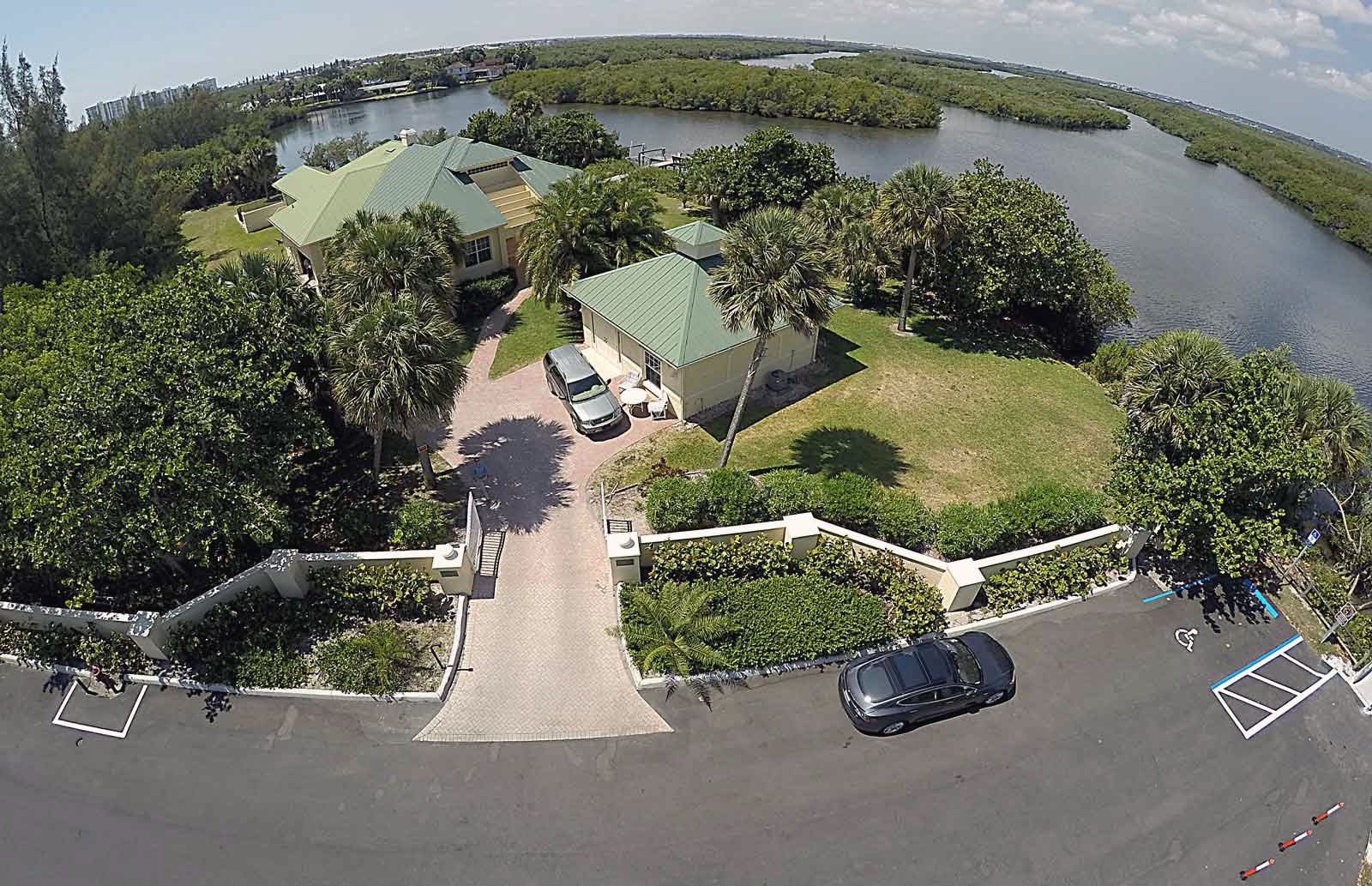
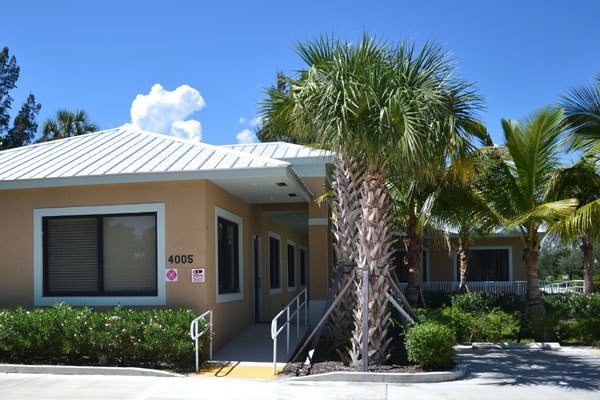
Beachside Rehab is a private mental-health and addiction treatment provider in South Florida. Its inpatient campus is at 1101 54th Street in West Palm Beach, while its outpatient center is at 4005 North Highway A1A on Hutchinson Island; services and accommodation should be confirmed for the intended site.
Beachside lists medically supervised detoxification, inpatient residential care, partial hospitalization, intensive outpatient care and standard outpatient care. The inpatient program provides round-the-clock support on a five-acre campus, while the Hutchinson Island site provides non-residential PHP and IOP. Current outpatient guidance describes PHP as six or more hours per day, five to seven days a week, and IOP as three to five days a week for three to four hours per day.
Beachside accepts insurance and offers benefit verification. Its public rates page asks private clients to contact admissions about rates and payment plans; no universal self-pay price was found on the checked official pages.
Mental health treatment has a distinct place in the program
Beachside’s mental health program describes inpatient care in West Palm Beach for people seeking help with psychiatric and emotional difficulties. This is relevant to someone whose primary concern is mental health, rather than assuming every admission must begin with an addiction-focused plan. The provider describes assessment, personalized treatment, and support within a residential environment.
Ask which clinical pathway is being proposed and what findings support that recommendation. A condition listed on a website does not establish that every presentation can be managed safely at the same level. Explain current symptoms, physical health needs, prescriptions, recent hospital care, and any existing treatment. The plan should identify who evaluates psychiatric concerns, who manages medication, and how the therapeutic schedule is adapted to the person. If substance use is also present, clarify how both parts of care are coordinated. The purpose of the assessment is to determine a suitable setting and treatment approach, rather than treat a comfortable environment or a broad condition list as proof of individual clinical fit.
The West Palm Beach inpatient setting
The inpatient program description presents a five-acre campus with continuous support and medical supervision. It lists amenities including a pool, garden, labyrinth walk, pickleball court, and wellness activities. These details help describe daily life during a stay, while the actual clinical plan determines the balance of therapy, medical appointments, activities, and rest.
Request a sample schedule for the proposed program and clarify the room arrangement offered. A private campus does not necessarily mean a private bedroom or exclusive use of the facilities. Ask about accessibility, permitted belongings, contact with family, and the rules governing activities while someone is newly admitted or medically unstable. Wellness services should be understood in relation to the treatment plan rather than assumed to be necessary or available on demand. It is also useful to establish which services are included in the quoted stay and which require additional arrangements. The residential environment and clinical support should be evaluated together, without treating amenities as evidence that a particular psychiatric or substance use need can be managed there.
Detoxification and the transition into further treatment
Beachside’s medical detox page describes an initial physical examination and an individualized withdrawal-management plan. It presents detox as a possible bridge into the inpatient program. The assessment should establish whether withdrawal management is required and what support is appropriate; it should not be assumed that every substance use history calls for the same detox procedure.
Provide an accurate account of recent use, prescriptions, previous withdrawal complications, and physical or psychiatric conditions. Ask who is responsible for medical oversight, what monitoring is available, and what would require transfer to another setting. A general description of detox cannot determine an individual’s safe withdrawal timetable or medication needs. Also clarify what happens after stabilization: whether the person moves into residential care, another service, or a supported outpatient plan. That decision should be based on clinical needs rather than automatically follow a fixed package. If urgent symptoms arise before admission, seek appropriate medical assessment rather than waiting for routine placement. The treatment proposal should explain both immediate safety arrangements and the next stage of care.
PHP and IOP describe different outpatient commitments
The dedicated outpatient treatment page describes partial hospitalization as six or more clinical hours daily on five to seven days weekly. It describes intensive outpatient treatment as three to four hours daily on three to five days weekly. These are published typical schedules, subject to the person’s plan, and should be distinguished from overnight residential care.
Confirm the exact program, attendance days, appointment location, and current timetable. A more intensive daytime schedule does not establish continuous clinical supervision in the evenings. Someone considering outpatient care needs a suitable living arrangement, transportation, and a plan for support outside sessions. Ask whether psychiatric reviews or individual appointments occur within the stated hours or require additional visits. It is also helpful to understand how progress is reviewed and what would prompt a change in level. The page includes broader scheduling descriptions as well, so a written personal timetable is more useful than relying on one generic label. If moving from inpatient treatment, confirm the first outpatient attendance date before assuming continuity is automatic.
The Hutchinson Island center is nonresidential
Beachside’s Hutchinson Island page specifically identifies an outpatient center offering PHP and IOP for mental health and addiction concerns. It describes individual and group therapy, therapist and case-manager reviews, and planning for care after the more structured phase ends. This should remain distinct from the West Palm Beach inpatient campus.
Ask where the proposed appointments will take place and whether a transition between programs also involves a change of location. That affects travel, housing, family involvement, and the feasibility of continuing work or study. If separate accommodation is suggested, identify its operator, staffing, rules, and costs rather than assuming it forms part of the outpatient center. The clinical plan should explain how the person receives support outside scheduled treatment and whom to contact when difficulties arise. Before completing PHP or IOP, obtain the next appointments and any relevant local referrals. A nonresidential program can provide substantial clinical structure while still requiring a workable plan for daily life beyond the treatment sessions.
Individual therapy, groups, and trauma-related work
The counseling and therapy overview describes assessment-based planning, individual sessions, group work, trauma-related treatment, and relapse-prevention skills. It also identifies separate contact with a doctor, therapist, and case worker. These roles address different parts of care and should not be combined into a single estimate of individual therapy time.
Ask which appointments are included in the proposed level and how often they occur. A general group schedule on a therapy page may describe a different program from the outpatient timetable being offered. For trauma-related concerns, clarify how readiness is assessed and which approach is recommended for the person’s symptoms and history. A named therapy should come with an explanation of its purpose, alternatives, and review process, rather than a promise that all trauma will be resolved during a fixed stay. It is also useful to understand how skills practiced in groups connect with daily situations and continuing treatment. The relevant comparison is the actual plan and clinical contact, not simply the number of modalities appearing on the website.
Medical and clinical responsibilities within the team
The current Beachside team page identifies Dr. Barnell Phillips as psychiatrist and medical director and describes Olivia Nieves as overseeing clinical programming across detox, residential, PHP, and IOP. It also lists nursing, therapy, compliance, and other responsibilities. These are provider-published roles, which help frame questions about the proposed care rather than independently establish every credential or staffing assignment.
Ask who will carry out the individual psychiatric assessment, serve as primary therapist, and coordinate the overall plan. A leadership biography does not mean that clinician personally provides every routine appointment or is continuously present at a residence. Clarify how coverage works, how the medical and therapy teams share information, and which contact handles concerns between sessions. With the patient’s permission, existing clinicians may also need to participate in planning. The practical value of the team information is a clear account of responsibility and access. It should not be interpreted as a guarantee that a particular staff member, appointment frequency, or treatment result applies to every admission.
Insurance approval must match the proposed pathway
Beachside’s insurance page offers a benefits review and lists major insurers. The useful next step is verification for the person’s actual policy, program, and location. Broad insurance language should not be treated as confirmation that all services, all days, or every clinician will be covered without a personal contribution.
Request an estimate explaining authorization, network status, deductible, coinsurance, and any separately billed services. Ask whether detox, inpatient care, and later outpatient treatment require different approvals. If accommodation accompanies outpatient treatment, establish whether it is outside the clinical benefit. The estimate should also explain what happens if insurance authorizes fewer days than the team recommends or if the treatment plan changes. A patient may need to distinguish the clinical decision about appropriate care from the insurer’s funding decision. Written confirmation is more useful than relying on an insurer logo or a verbal suggestion that treatment is likely to be covered. It also makes comparison with another provider’s offer more meaningful.
Private rates and the complete treatment estimate
The rates and fees page asks private-paying patients to contact admissions about current charges and payment plans. It does not publish one universal cash price for the full range of Beachside services. The page also identifies the West Palm Beach inpatient and Hutchinson Island outpatient addresses, reinforcing the need for a location-specific proposal.
Ask for an estimate in US dollars naming the level of care, expected period, accommodation if applicable, and included appointments. Clarify medication, investigations, outside clinicians, transport, personal expenses, and any optional wellness services. If the proposal includes more than one treatment stage, distinguish the cost of each and the agreement governing transitions. Review the terms for deposits, changes in duration, and early departure. A daily residential charge and an outpatient program fee describe different arrangements and should not be compared without their inclusions. The aim is to understand the complete proposed care and the patient’s responsibilities, while leaving the appropriate clinical duration to assessment and review.
Source check: Official Beachside Rehab pages reviewed October 19, 2026. Inpatient and outpatient sites remain distinct. Confirm the current personal schedule, accommodation, clinical eligibility, insurance authorization, and written fees.
Sources
Official provider pages checked October 10, 2026: inpatient campus, contact details and program overview; inpatient program and amenities; Hutchinson Island outpatient center; PHP and IOP schedules; insurance verification; private rates guidance.