Avenues Recovery Center
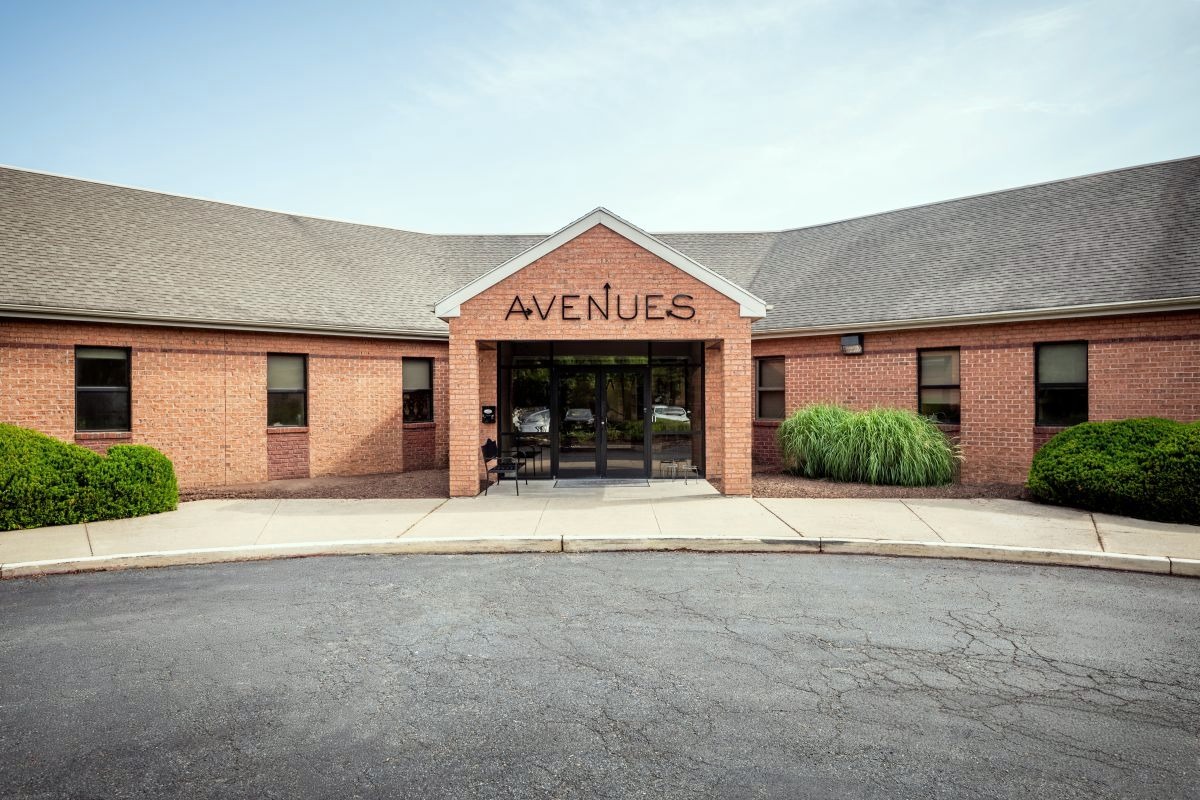
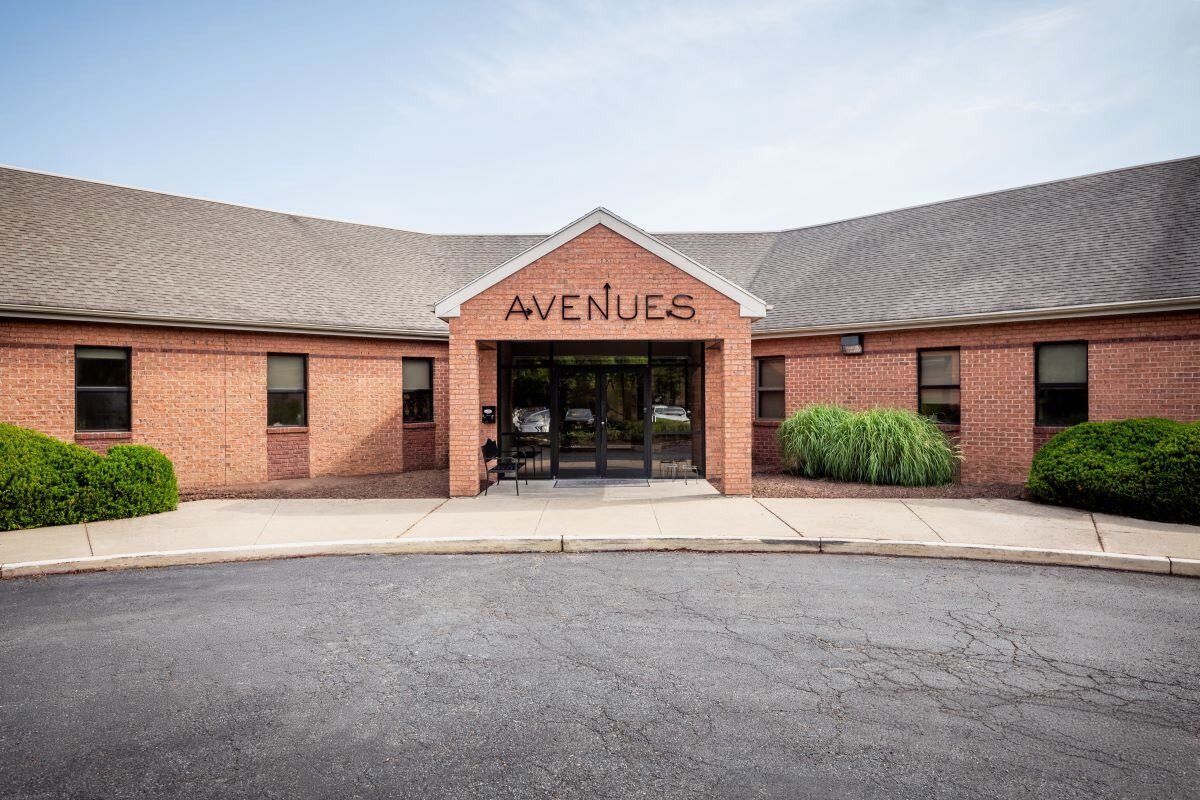
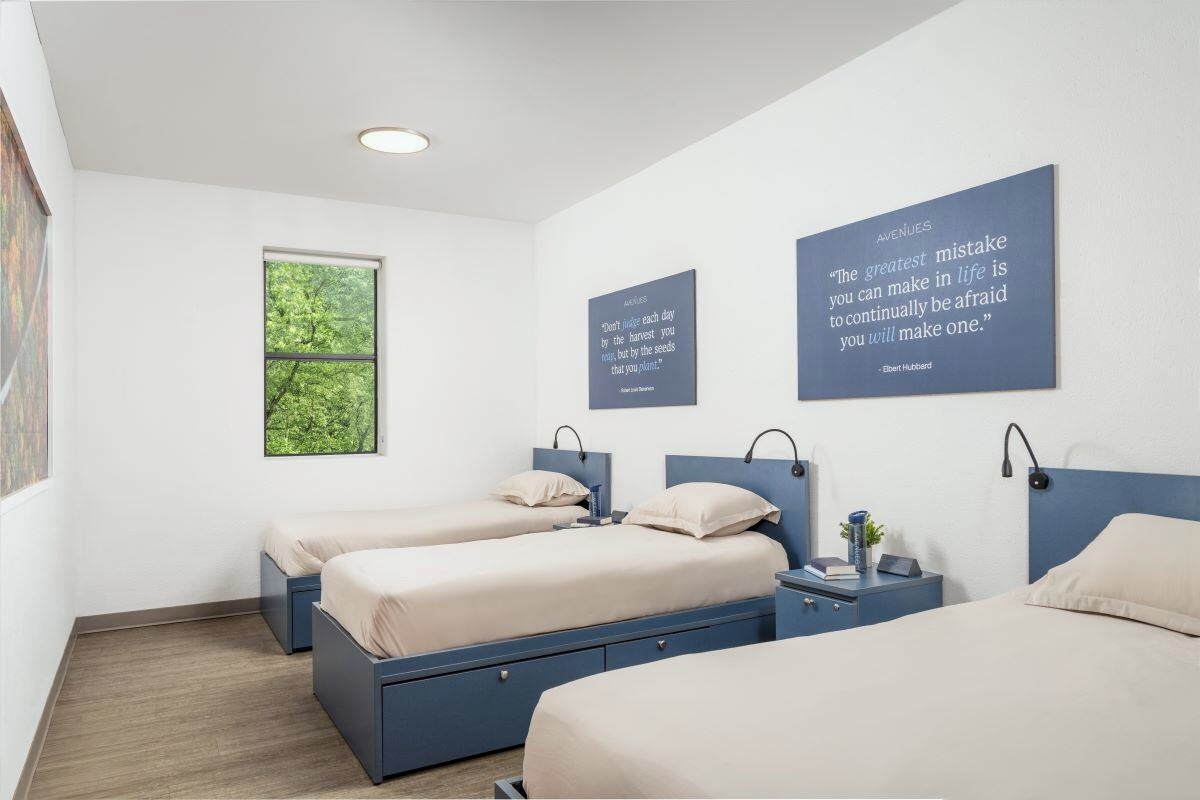
Avenues Recovery Center 3 photos


Comparison facts and sources
Adult Cambridge campus in the Avenues national network, providing medical detox and residential addiction treatment in a 104-bed facility, with weekly post-treatment outpatient support. · 821 Fieldcrest Road, Cambridge, Maryland 21613
- Published fee information
- Quote required
- Before admission
- This profile is the Cambridge Eastern Shore campus. Maryland network pages distinguish it from Prince Frederick, and services or amenities published for another Avenues location are not assumed to occur here.
- Continuing care
- The Cambridge page offers weekly outpatient therapy for post-treatment clients and an alumni program; Avenues describes alumni support, counselor check-ins, events and an online recovery network as ongoing support for life.
Source record · October 14, 2026
Provider-published information checked October 14, 2026. Confirm program availability, length, insurance authorization, personal cost and any step-down location directly with Avenues Recovery Center at Eastern Shore.
Luxury rehab comparison · Fees and inclusions · Selection methodology
This profile covers Avenues Recovery Center at Eastern Shore, the provider’s Cambridge, Maryland campus at 821 Fieldcrest Road. Avenues identifies this location as a 104-bed drug-and-alcohol detoxification and residential treatment center; other Avenues campuses offer different levels of care.
Treatment and payment
The Eastern Shore campus lists medically supported detoxification, residential care, co-occurring-disorder treatment, medication-assisted treatment, individual and group therapy, family work, weekly outpatient care and continuing alumni support. The campus accepts private pay and most insurance plans, including several commercial plans, TRICARE, VA Community Care and Maryland Medicaid through Optum; eligibility and personal costs require verification. No standard cash price or fixed program length is published for this campus.
The Cambridge campus and its shared setting
The Eastern Shore campus page describes a 104-bed facility with bedrooms, en-suite bathrooms, a kitchen and cafeteria, clinical offices and group rooms. Published amenities include a gym, basketball court, outdoor areas, lounges and an on-site laundromat. These details describe a communal treatment environment rather than a one-client residence. An en-suite bathroom does not establish that a bedroom is private, so confirm the room arrangement being offered.
The campus lists individual and group therapy, family work, 12-step meetings and activities such as art, music, yoga and meditation. Ask how those elements fit into an ordinary week and which are included in the person’s plan. The published recreational facilities can help someone understand daily life, but they do not indicate how much individual clinical time they would receive. If mobility, diet, sleep or another practical need affects participation, discuss it before arrival. A campus description and a proposed individual treatment schedule answer different questions.
Keep Eastern Shore distinct from the Maryland network
Avenues’ Maryland overview describes two treatment facilities within the wider national organization. It presents a pathway involving assessment, detox when needed, residential treatment, outpatient work and continuing support. This profile is anchored to the Cambridge Eastern Shore campus; a Maryland-wide description should not be used to move another facility’s rooms, staffing or program arrangements into this record.
When speaking with a central admissions team, name Eastern Shore and ask where the proposed care would actually take place. If another Maryland site is recommended, request the reason and its separate practical details. The same applies to later treatment: remaining within the Avenues network does not necessarily mean remaining in the same building. Record the receiving address, care level and contact for each planned stage. This is especially helpful for families arranging visits or transportation, and for a person hoping to return to a particular community after residential care. The individual plan should make those locations clear.
Ask how detox assessment and transition work
Avenues’ drug-detox description identifies a pre-detox risk assessment, medical monitoring, symptom management and planning for a subsequent residential program. These are network descriptions of the process. The Eastern Shore campus separately identifies medical detox as one of its services, but admission and the appropriate withdrawal plan still require an assessment of the individual.
Provide an accurate account of recent substance use, existing prescriptions and previous medical or withdrawal concerns through the channel admissions requests. Ask who reviews that information and what must be established before travel. Clarify the arrangements for moving from detox into further care, including whether the next phase has been recommended and accepted. A general description of a smooth transition is not a confirmed bed reservation or a fixed sequence for every person. The relevant questions are what the medical team proposes, how progress is reviewed and what happens if the person needs a different service. Do not use a program page to choose a medication or withdrawal timetable independently.
Separate residential duration from marketing examples
The residential program page describes care for adults aged 18 and older. It discusses stays of about a month as a general example while also describing longer courses, including several months or more for some people. Those ranges do not establish an Eastern Shore package length or the duration that an insurer will authorize for a particular admission.
Ask how the team will recommend the initial plan, how often it will review progress and what would justify extending or changing the level of care. If work leave, caregiving or travel arrangements depend on a date, explain that constraint and distinguish an estimate from a confirmed discharge plan. Residential care means living at the treatment facility while following its program, so also ask what activities and outside responsibilities can realistically continue. The useful comparison is between the proposed clinical plan, setting and support available to the individual. A general month-long example or a promotional success statement cannot make that decision.
Discuss co-occurring needs in the actual assessment
Avenues’ dual-diagnosis program describes addressing substance use alongside mental health concerns through assessment and an individualized plan. Its network explanation includes a review of mental health history and treatment by clinicians working with both areas. Eastern Shore’s own service list also includes psychiatric care and dual-diagnosis treatment.
That scope is relevant when someone already receives mental health care, but it should not be read as acceptance of every diagnosis, acuity or combination of needs. Ask who will review the existing treatment, what information is needed from current clinicians, and how medication decisions and follow-up would be coordinated. A list of conditions in educational articles is not the same as a specific residential program’s admission criteria. If the person needs a service beyond the campus’s capabilities, clarify how that would be identified and what referral would follow. The aim is a treatment plan that accounts for both areas, without assuming that a broad program label settles clinical fit.
Clarify family involvement and admission rules
The Avenues FAQ distinguishes a mixed-gender adult program from shared admission for a couple. It says sleeping arrangements and many groups are separated by gender, and that spouses cannot receive treatment simultaneously at the same Avenues center. That admission rule is separate from offering family or couple counseling as part of a person’s treatment.
The FAQ also says each facility has its own visiting policy, with contact with loved ones guided by the personal counselor. Ask Eastern Shore for the current arrangements before scheduling a visit. Discuss who the client wants involved, the purpose of family sessions and how updates will be shared. Practical packing guidance should likewise be confirmed locally; the FAQ’s suggestion to pack for two weeks is a packing example, not the length of treatment. A family can prepare more effectively when admission rules, visits, counseling and expected communication are discussed separately, rather than inferred from a general statement that family participation is welcome.
Identify the receiving service if PHP is proposed
The network’s partial hospitalization page describes a structured daytime program for people living at home or in sober housing outside treatment hours. It presents PHP as a transition that can continue therapeutic work while allowing more independence than residential care. The dedicated page describes a substantial daytime commitment, so PHP should not be treated as a single occasional appointment.
For an Eastern Shore client, first establish whether PHP is actually recommended and where it would take place. The Cambridge profile’s clearly described weekly outpatient service is not automatically the same program as the network’s PHP. Request the receiving location’s exact hours, weekly attendance and admission arrangements. Ask where the person would sleep and how they would reach sessions, especially if a nearby housing option is proposed. A network pathway can explain possible next steps, but the plan needs to name the service, location and schedule rather than assume that every level exists at the original residential campus.
Consider IOP alongside work and daily responsibilities
Avenues’ intensive outpatient description presents a lower-intensity stage than PHP, with therapy alongside a return to everyday responsibilities. It discusses support with employment, including resumes, applications and interview practice. It also describes daytime and evening possibilities within the network. Those possibilities should be checked for the actual receiving service rather than treated as a guaranteed Cambridge timetable or an employment offer.
If IOP is recommended, ask for a weekly schedule and identify the time needed for individual appointments as well as groups. Explain any shift work, school or caregiving responsibilities so that the team can discuss a workable arrangement. The network gives general duration examples but says treatment is tailored and changes when a client is ready for the next level. Confirm the expected review process and financial authorization. A less intensive schedule still involves a meaningful treatment commitment; it should be chosen through assessment and practical planning, not only because it appears easier to fit around work.
Distinguish weekly outpatient care from sober housing
The Avenues outpatient overview separates PHP, IOP and weekly therapy for people who have completed more intensive treatment. It also explains that Avenues works with sober-living organizations rather than operating its own sober-living homes. The Eastern Shore page similarly describes partnerships with step-down apartments, alongside its weekly post-treatment outpatient service.
If both treatment and housing are suggested, ask which organization provides each and obtain the separate arrangements. A residence may have its own agreement, costs, rules and availability; it should not be assumed to be a room included in the campus treatment fee. Confirm the clinician or team responsible for ongoing appointments and how they coordinate with other support, with the person’s consent. Someone returning home will have different practical needs from someone moving into a partner residence. The goal is to make the continuing-care arrangement explicit, including where care happens and which obligations belong to the resident, treatment provider or housing organization.
Use alumni connection as one part of continuing support
The alumni program lists periodic counselor check-ins, weekly group meetings, outings, community involvement and private online groups. It describes a social and support network for former clients while they continue their post-residential care. These published activities are more useful for planning than treating the page’s promotional recovery claims as a prediction for an individual.
Before discharge, ask which local meetings and events are currently available, how to join the relevant group, and whom to contact if circumstances change. Clarify how alumni contact differs from a scheduled clinical appointment and whether any particular service has a separate cost. If the person will live outside the area, ask which forms of connection remain practical. The alumni community can be written into a wider plan alongside continuing treatment, primary care and other agreed support. A lasting connection with the organization should not be interpreted as unlimited free therapy, automatic readmission or a guarantee of a particular outcome.
Official Avenues pages checked October 19, 2026. This profile covers Eastern Shore in Cambridge; network PHP, IOP and housing information is labeled separately. Provider marketing outcomes and generic insurance promises are not treated as individual predictions or approvals.
Official information: Eastern Shore campus and Maryland locations. The campus lists 410-673-4600 and AdmissionsMD@avenuesrecovery.com. Address, capacity, care levels and payment guidance were rechecked on October 10, 2026.