Valley Hope of Atchison
Comparison facts and sources
24-hour residential addiction treatment for adults aged 18 and older, with on-site medically monitored detox, MAT, family care and continuing support. Outpatient, PHP and telehealth programs advertised elsewhere in the Kansas network are not attributed to this campus. · 1816 N 2nd St, Atchison, KS 66002, United States
- Published fee information
- Quote required
- Before admission
- This review verifies current Atchison identity, residential-only campus scope, on-site detox, MAT, accommodation, program content, typical minimum duration, payer guidance and fee boundaries. It does not guarantee admission, insurance authorization, final cost or total duration.
- Continuing care
- Case management, discharge planning, return-to-work assistance, life-skills and relapse-prevention planning, lifelong alumni services and recovery support are available.
Source record · October 16, 2026
Current provider Atchison, Kansas locations and payment pages checked October 16, 2026..
Luxury rehab comparison · Fees and inclusions · Selection methodology
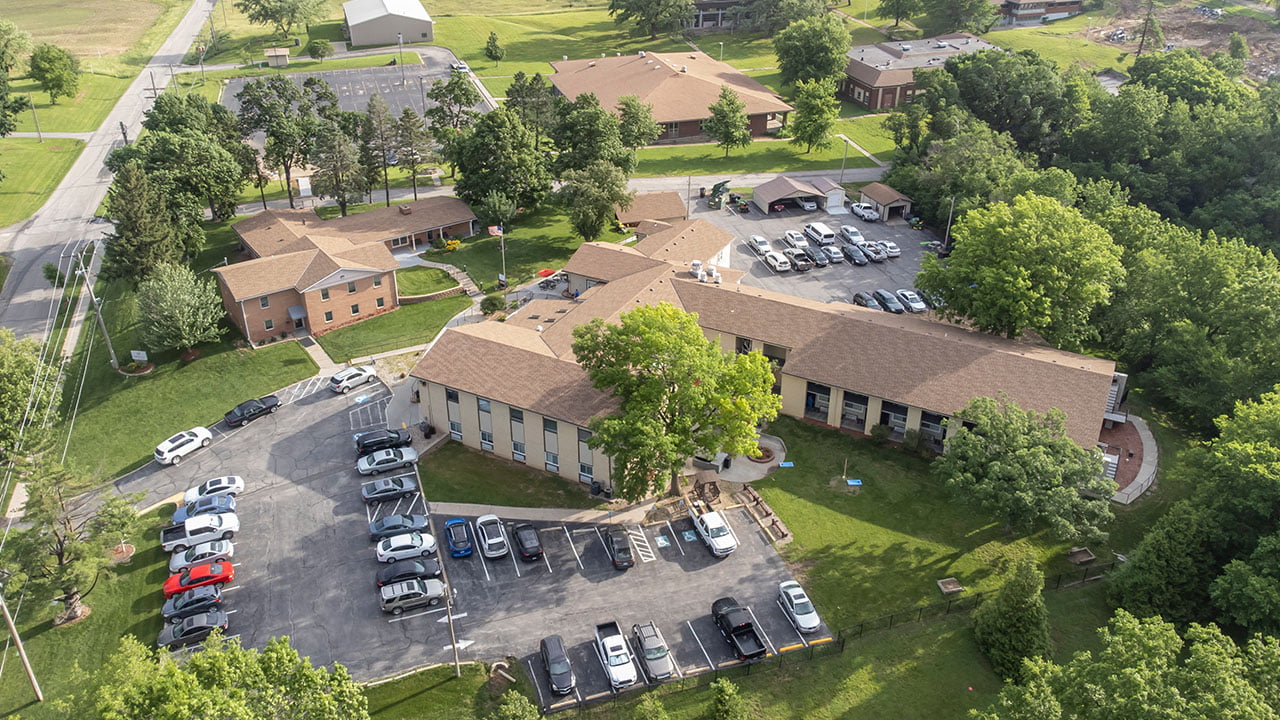
Valley Hope of Atchison is a 24-hour adult residential addiction-treatment campus in Atchison, Kansas. The campus treats adults aged 18 and older and provides on-site medically monitored detox, medication-assisted treatment and residential care. Valley Hope’s outpatient, PHP and telehealth programs are offered at other Kansas locations and are not attributed to this campus.
Current campus information describes individual and group therapy, more than 40 hours of weekly programming, 12-Step sessions, family and spiritual care, case management, life-skills training, relapse-prevention planning, return-to-work assistance and lifelong alumni support. Accommodation is described as semi-private. Residential length is individualized; the provider generally recommends at least 30 days, with longer care when clinically appropriate.
The Atchison campus provides adult residential care
The current Atchison campus page identifies residential treatment for adults 18 and older, on-site medically monitored detox, and medication-assisted treatment. It describes semi-private living, more than 40 hours of weekly individual, group, and 12-Step programming, and support with discharge and return to work. Its general recommendation of at least 30 days is qualified by clinical needs and progress, rather than presented as a guaranteed stay.
This information is useful when comparing the campus with a service delivered through daytime appointments. Residential treatment involves living at the facility while participating in care. Ask whether that level is recommended now, how accommodation is arranged, and what medical needs can be managed there. The wider Valley Hope network has other levels of care, but a network program should not automatically be attributed to the Atchison address. Confirm the location for every proposed transition.
Residential treatment combines several kinds of support
Valley Hope’s residential-program description combines individual counseling, groups, education, spiritual care, and planning for life after treatment. It describes a treatment approach informed by 12-Step work alongside clinical methods such as cognitive behavioral therapy and motivational interviewing. A case manager may help organize continuing care, community support, or housing referrals according to the person’s needs.
Ask how those elements will be selected for you and which concerns should receive individual attention. The same group timetable may support people working toward different goals, so it is useful to understand your own priorities and review points. Discuss any difficulty with group participation, learning, communication, or religious language before assuming the model will fit. A residential program’s range of activities is not a promise that every person receives every service. The relevant question is how the agreed plan addresses the reasons you are seeking treatment.
Withdrawal planning should account for the whole medical history
The medically monitored detox page describes individualized planning based on substance use, medical history, withdrawal risks, and overall health. It discusses clinical supervision, medication where appropriate, assessment, and preparation for the next level of treatment. The provider gives three to seven days as a common example while explaining that timing depends on the person and substances involved.
Provide a complete account of current use and prescribed medicines, including previous withdrawal problems or recent health changes. The clinical team should decide what monitoring and treatment are appropriate; a webpage’s average should not be used to plan unsupervised withdrawal. Ask whether detox and residential care can be coordinated at Atchison in your circumstances and what would require a different medical setting. Once stabilized, identify the ongoing plan for substance-use treatment rather than treating the end of withdrawal as the end of care.
The first assessment is a placement decision
The admissions-process page describes a free, confidential initial assessment and around-the-clock admissions support. It says the process averages about 24 hours from the first call to beginning treatment across the organization. That is an operational average, not a guarantee of a bed, clinical acceptance, or insurance authorization at a particular campus on a particular day.
Use the conversation to explain immediate concerns, prior treatment, relevant health conditions, and practical barriers to getting help. Ask what needs to happen before travel, which records are required, and who will confirm the admission date and location. If another hospital or clinician is arranging the referral, establish how information and responsibility will transfer. A treatment recommendation and a confirmed admission are different steps. Knowing who will contact you next, and what to do if circumstances change while waiting, makes the process easier to follow.
Daily participation should connect to personal goals
The admissions FAQs describe a typical inpatient day with individual counseling, classroom-style learning, small groups, family work, 12-Step studies, recreation, and time for reflection. These activities are meant to provide a structure for treatment. The exact daily plan and readiness to participate should be discussed with the Atchison team, particularly during the early part of admission.
Bring questions about what you will be expected to do between sessions and how the staff will help when a topic feels difficult to understand or discuss. Useful goals can involve managing situations associated with use, repairing daily routines, or preparing for responsibilities after discharge. Ask how progress will be reviewed and what adjustments are possible if a particular approach is not helping. The number of scheduled hours is one part of understanding a program; it does not by itself describe the amount of individual clinical attention.
Co-occurring concerns need an integrated assessment
Valley Hope’s co-occurring-disorders guidance describes treatment that considers mental health alongside substance use. Possible elements include individual and group therapy, medication support, family education, cognitive behavioral therapy, motivational interviewing, and attention to trauma. This remains an addiction-treatment context; it should not be assumed to provide every form of primary psychiatric or specialist medical care.
Tell the admissions team about established diagnoses, current symptoms, past hospitalizations, and ongoing prescriptions or therapy. Ask whether the residential setting can safely meet those needs and how existing clinicians will be involved. A diagnostic label alone does not explain the required level of supervision or the support available after discharge. Clarify which issues the campus will treat directly, which may need outside consultation, and how any referrals will be arranged. The aim is a coherent plan, with responsibilities understood across the professionals involved.
Spiritual care includes room to discuss personal beliefs
The spiritual-care page describes a chaplain team at residential centers and an approach that considers different worldviews, including religious, atheist, and agnostic perspectives. It discusses spiritual assessment, personal values, 12-Step work, and educational sessions. Daily chapel services are described as optional. That specific choice should not be confused with a claim that every element of the broader treatment program is optional.
If faith, spirituality, or past experiences with religious settings affect your comfort, raise them during the referral conversation. Ask how the team adapts its language and activities to individual beliefs and which parts of the program are expected. For some people, meaning, grief, guilt, or belonging may be useful topics; others may prefer different language. A clear discussion helps establish whether the approach is acceptable without treating spiritual participation as a measure of personal worth or a guarantee of recovery.
Family sessions and visits have different purposes
The Family Care Program describes counselor-arranged sessions on campus or by video, with weekend programming at selected residential facilities. The published model includes workshops, group work, and supervised visiting. Workshops are described for participants 16 and older, while younger children’s visits require clinical approval and appropriate arrangements. Confirm what is currently offered at Atchison rather than assuming a network example sets the local schedule.
Decide with the treatment team which people the patient wants involved and what each meeting should address. Communication, boundaries, practical support, and preparation for returning home may require different conversations. An ordinary visit is not automatically a therapy session, and a relative’s involvement does not remove the patient’s privacy choices. Ask about remote participation if distance or work makes travel difficult. Clarify approval and timing before bringing children or arranging accommodation for a family weekend.
Veteran and military-family needs deserve specific discussion
The Veteran and Military Services description emphasizes care that recognizes military experience and support for family members. It describes individual and group family work, including virtual sessions when relatives cannot attend in person. This can be relevant when treatment involves distance from home, deployment-related family strain, or other circumstances that make ordinary participation difficult.
Explain the service-related concerns you want the program to understand, alongside your substance-use and medical history. Ask which services are available at Atchison, how referrals are coordinated, and what authorization is needed if using a military or veterans’ funding route. Veteran status alone should not be treated as confirmation of payment or an individual treatment plan. Also clarify how work, duty, or family communications are handled with appropriate permission. The useful outcome is a service-specific plan that respects both clinical needs and the person’s wider responsibilities.
Obtain a written cost plan before assuming coverage
The payment-options page describes private insurance, location-dependent Medicaid participation, self-pay rates, possible upfront-payment discounts, and payment or financing arrangements. It says costs vary with the level of care, length of treatment, and individual needs, and that payment is usually arranged before or at admission. A general statement about accepted insurance is therefore only the start of a benefits check.
Ask the financial team to identify the covered service, authorization requirements, expected patient responsibility, and what happens if treatment continues longer than initially planned. The estimate should separate relevant clinical, accommodation, medication, and outside-provider charges. If financing is considered, review repayment terms and any added cost before agreeing. Confirm the policy for changes or early departure. A published example or a quoted daily amount should not be turned into a universal total for the entire residential and continuing-care pathway.
Alumni resources should complement the discharge plan
The alumni network describes local coordinators, events, peer connection, and the free CHESS Connections app. The app’s advertised features include peer messaging, goal tracking, reminders, and a route to urgent support. These resources are different from continuing psychotherapy, prescribing, or physical supervision. Confirm how to access the Atchison-area network and what the app’s support route actually provides.
Before leaving residential care, identify which follow-up appointments are clinical necessities and which community activities you want to add. Keep the relevant contact details and a plan for responding if symptoms worsen or substance use resumes. Events and digital tools may help maintain connection, but they should not be treated as a guaranteed emergency response or a substitute for assessment. The strongest discharge plan makes the next appointments, living arrangements, practical supports, and routes back to care explicit.
Compare U.S. treatment options and co-occurring treatment considerations.
Provider-published information reviewed October 19, 2026. Confirm current admission, schedules, services, and funding directly.
The campus is at 1816 N 2nd St, Atchison, KS 66002 and lists 24-hour admissions at 913-367-1618. Valley Hope accepts most private insurance plans, while Medicaid coverage varies by location; discounted self-pay rates and payment plans may be available. No universal price is published, so benefits, patient cost, currency, taxes, inclusions and payment terms should be confirmed in writing. Sources: Atchison campus, Kansas locations and payment options, checked October 16, 2026.