Addiction Recovery Institute of America (ARIA)


Addiction Recovery Institute of America (ARIA) 3 photos


Comparison facts and sources
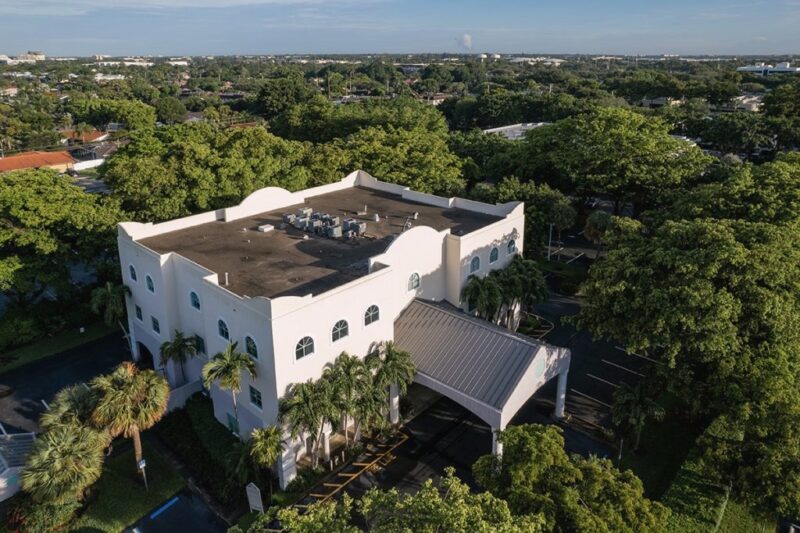
West Palm Beach addiction-treatment facility with detox, residential and non-residential PHP/IOP pathways; outpatient care does not itself include living at the clinical facility. · 950 Evernia Street, West Palm Beach, Florida 33401; 844-973-2611.
- Published fee information
- Quote required
- Before admission
- Published program durations are guidance, not personal guarantees. General IOP and PHP weekly-hour examples do not establish an individual ARIA schedule. Confirm age eligibility, medication services, telehealth availability, housing arrangements and coverage directly.
- Continuing care
- The residential service describes continuing aftercare and referrals for sober living after primary treatment. Confirm the chosen follow-up provider, schedule and costs.
Source record · October 19, 2026
Official program descriptions reviewed October 19, 2026. General treatment-model examples are distinguished from confirmed program arrangements; personal eligibility, schedules and financial terms require verification..
Luxury rehab comparison · Fees and inclusions · Selection methodology
The Addiction Recovery Institute of America, known as ARIA, provides drug and alcohol treatment in West Palm Beach, Florida.
Levels and duration
The provider lists medically supervised detoxification, residential treatment and intensive outpatient care. Its homepage describes detox as beginning at five or more days and residential treatment as lasting up to 30 days; individual recommendations may differ after assessment.
Published program lengths are planning descriptions
The ARIA program overview identifies its West Palm Beach address as 950 Evernia Street and lists several levels of addiction care. It labels detox as five or more days, residential treatment and PHP as up to thirty days each, and IOP as sixty or more days. These descriptions concern different services and should not be combined into a compulsory itinerary for every patient.
Ask which level is recommended after assessment, what the initial goals are, and when the plan will be reviewed. Moving between levels may change the daily schedule, living arrangements, clinical support, and insurance authorization. The published durations do not establish a guaranteed personal stay or a single bundled price. Someone considering treatment away from home should also identify the exact location for each stage. ARIA’s pages discuss several places it serves, but this profile concerns the West Palm Beach service. Confirm any proposed transfer or offsite arrangement independently before making travel commitments.
Residential care includes living at the treatment facility
The residential-program page describes onsite living with around-the-clock support and supervision. It lists individual, group, and family therapy, alongside approaches such as cognitive behavioral therapy and dialectical behavior therapy. The provider also describes aftercare planning and referrals for sober living after the primary treatment period.
The residential setting can therefore be compared with outpatient care using the actual support available throughout the day and overnight. Ask about the therapeutic schedule, medical and nursing arrangements, room allocation, and the criteria for moving to another level. A general therapy menu does not establish that every intervention is appropriate for every person or included at the same frequency. The page acknowledges that residential treatment is not suitable for everyone. Assessment should explain why it is recommended in the individual case. A later sober-living referral is a separate housing arrangement, so clarify its operator, charges, rules, and relationship with ongoing clinical appointments.
Detox assessment should establish the current medical need
The detox description identifies medically supervised withdrawal management and discusses how withdrawal risks differ with the substance, pattern of use, health history, and other circumstances. It specifically addresses serious risks associated with alcohol, benzodiazepine, and barbiturate withdrawal. It also explains that completing detox does not by itself complete addiction treatment.
Provide an accurate account of recent use, prescribed medicines, previous withdrawal complications, and current health concerns. The clinical team should establish whether detox is needed, where it can be managed, and how the subsequent treatment plan will be arranged. Broad promotional statements about detox should not replace that individual assessment or be interpreted as a requirement for everyone seeking outpatient care. Do not change prescribed treatment independently in preparation for admission. Ask about medication continuity and who will coordinate with existing clinicians. Immediate medical danger requires emergency care rather than waiting for a routine inquiry to be answered. The practical goal is an appropriate, assessed transition into care.
PHP provides daytime structure without an inpatient bed
The PHP page describes intensive daytime treatment while participants return home or to sober living afterward. It identifies group and individual work, treatment planning, appropriate family involvement, and support for co-occurring mental health concerns. The page discusses a general twenty-plus-hour model, rather than publishing one confirmed attendance schedule for every ARIA participant.
Obtain the actual days, hours, location, and appointment arrangements for the proposed course. The environment outside sessions is part of the decision: ask how transport, housing, medication follow-up, and support between visits will work. PHP can be considered as a step down or when greater outpatient structure is appropriate, but it does not provide the overnight supervision of residential treatment. If current withdrawal or psychiatric needs require round-the-clock monitoring, the team should identify a suitable higher level first. A reference to medicines in a general program article is also not confirmation that a particular medication service is available onsite; establish the actual prescribing and dispensing arrangements directly.
IOP must fit the support available between appointments
The intensive outpatient description presents IOP as a bridge between more intensive treatment and everyday life. It includes group and individual therapy, family-support options, case management, and relapse-prevention planning. The page’s reference to a general minimum of nine weekly hours for adults explains an IOP model; it is not a personalized ARIA timetable.
Ask for the actual weekly attendance requirements and how individual appointments fit into the schedule. ARIA identifies a stable living environment, reliable attendance, and the ability to remain safe between sessions as relevant considerations. It also notes that severe withdrawal risk, daily medical-monitoring needs, or an unsafe home environment may require another setting. Those distinctions are more useful than choosing by program name alone. Someone stepping down from PHP should understand what support changes and which clinician continues medication or psychiatric follow-up. A person entering from standard outpatient therapy should discuss why additional structure is being recommended and how progress will be reviewed.
Standard outpatient care is the least intensive listed pathway
The outpatient-program page describes care for medically stable people who can live outside a residential setting. Scheduled individual and group sessions address substance use, coping, and relapse prevention. The page distinguishes this service from IOP, PHP, and residential treatment and describes telehealth participation when appropriate and available.
Clarify how often appointments occur, which are individual or group sessions, and how the team coordinates with any outside therapist or prescriber. Standard outpatient care can support ongoing treatment after another program, but the appropriate starting point still depends on assessment. Ask what happens if attendance becomes difficult or symptoms and substance use worsen between visits. The plan should identify who responds and when a different level of care may be considered. Living at home is a practical arrangement, not evidence that support needs have ended. Transport, work, caregiving, and a reliable place to participate in remote sessions should be considered alongside the clinical schedule.
Individual therapy and continuing support have different roles
The individual-therapy description lists approaches including CBT, DBT, motivational interviewing, acceptance and commitment therapy, and trauma-informed care. It also describes aftercare involving alumni connection, support groups, and continued therapy. These components serve different purposes and should be specified in the individual’s plan.
Ask which approach the therapist recommends for the concerns identified at assessment and how goals will be reviewed. An individual appointment offers a setting for personal issues that may not be suitable for group discussion. A list of therapeutic methods does not mean every method will be delivered, or that any one approach guarantees recovery. For the period after a primary program, identify the next therapist or prescriber, appointment dates, medication arrangements, and costs. Alumni activities and peer groups may complement this support, but they are not equivalent to scheduled clinical treatment. The provider’s broad promises about avoiding relapse should not be treated as predictions of an individual outcome.
Family and couples work should be planned around consent and safety
The family-therapy page describes individual, group, family, and couples sessions following an intake interview. Its stated goals include communication, understanding family patterns, managing conflict, and supporting everyday coping. It also describes services for relatives who may need their own individual support.
Agree who the patient wants involved, the purpose of each meeting, and what information can be shared. Family members can have needs separate from the patient’s treatment, and a joint session is not automatically the appropriate response to every relationship problem. Ask how the team assesses safety, handles boundaries, and offers alternatives when joint work is unsuitable. References to children in family services do not establish that minors can enter ARIA’s adult addiction programs or stay in residential accommodation. Clarify age eligibility, attendance arrangements, remote options, and any separate charges. A useful family plan can address practical support after treatment without requiring reconciliation or unlimited access to confidential appointments.
Telehealth availability should be confirmed for the specific service
The ARIA overview says many outpatient and aftercare services are available through telehealth. It describes a range from detox and residential care to nonresidential treatment, with the course tailored to individual needs. Remote appointments belong to the relevant outpatient or follow-up service; they should not be interpreted as a replacement for onsite medical monitoring when that is required.
Ask which parts of the proposed program can be attended remotely, whether the option is available from the state where the patient will physically be located, and how clinical suitability is assessed. Confirm the platform, privacy arrangements, session times, and procedure if technology fails or urgent concerns arise. Someone returning home after treatment should establish these details before leaving West Palm Beach. A general statement that telehealth exists does not settle an individual’s eligibility, insurance coverage, or ability to participate across state lines. The plan should also identify any appointments, tests, or medical care that must take place in person.
The first-responder program describes occupation-focused support
The first-responder service describes individual therapy, attention to co-occurring concerns, and peer groups composed of first responders. It presents several treatment levels so the recommended setting can reflect clinical needs and practical circumstances. These are provider descriptions of a specialized pathway, not proof that every participant receives an identical schedule.
Ask whether the occupation-focused groups are currently running and which level of care is appropriate. Discuss how work-related stress, sleep, trauma symptoms, and substance use will be assessed without assuming a particular diagnosis from the person’s job. A worker who needs documentation for an employer or professional body should clarify what the program can supply and obtain any necessary consent arrangements. Completing treatment does not itself establish fitness for duty or guarantee an employment decision. Keep clinical goals, peer support, and occupational requirements distinct. The provider’s broader claims about first-responder statistics are not needed to determine whether the actual service fits an individual’s situation.
Insurance review should produce program-specific financial information
The payment resource directs people to discuss insurance benefits, covered services, covered days, and any conditions attached to payment. It also mentions possible private-pay arrangements and assistance options. Its general discussion of insurance programs does not establish that ARIA participates in every plan or that every applicant qualifies for assistance.
Request a review for the actual proposed treatment level and billing provider. Clarify authorization, deductibles, copayments, uncovered services, and what changes when moving between levels. Obtain separate terms for any sober-living arrangement and ongoing care after discharge. If financial assistance or a payment plan is offered, ask for the eligibility criteria and written terms rather than assuming availability. General insurance percentages should not be used to predict an individual’s bill. The reviewed resource does not supply a universal price for an entire treatment course. A written estimate and a policy-specific benefit discussion are more useful than inferring affordability from a carrier name or general financing suggestions.
Published team roles are a starting point for clinical accountability
The team directory lists clinical supervisors, therapists, nursing roles, and an alumni coordinator. It identifies SharLandria Washington as a clinical supervisor and Carl Heights as director of nursing. The directory also includes a role specifically associated with Boca Raton, so it should not be treated as a roster of staff assigned exclusively to West Palm Beach.
Ask who will provide the person’s therapy, medical assessment, medication follow-up, and care coordination at the actual receiving location. Clarify availability during residential care and the arrangements outside scheduled outpatient sessions. A title on a website does not establish a staffing ratio, a guaranteed appointment frequency, or independent verification of professional credentials. The patient should know how to contact the assigned team and how to raise a concern during treatment. For continuing care, identify the person responsible for alumni communication separately from the clinician responsible for treatment. This makes the organizational information more useful without assuming every listed staff member will be involved.
Official ARIA information reviewed October 19, 2026. Confirm current program availability, age eligibility, schedules, medication services, receiving location, housing arrangements, and individual costs directly.
Contact and payment
ARIA lists 950 Evernia Street, West Palm Beach, FL 33401 and telephone (844) 973-2611. It offers insurance verification and names several commercial carriers, but benefits and client costs depend on the plan. No universal weekly price is published.
Official source: ARIA. Official source checked October 18, 2026.