Anabranch Recovery
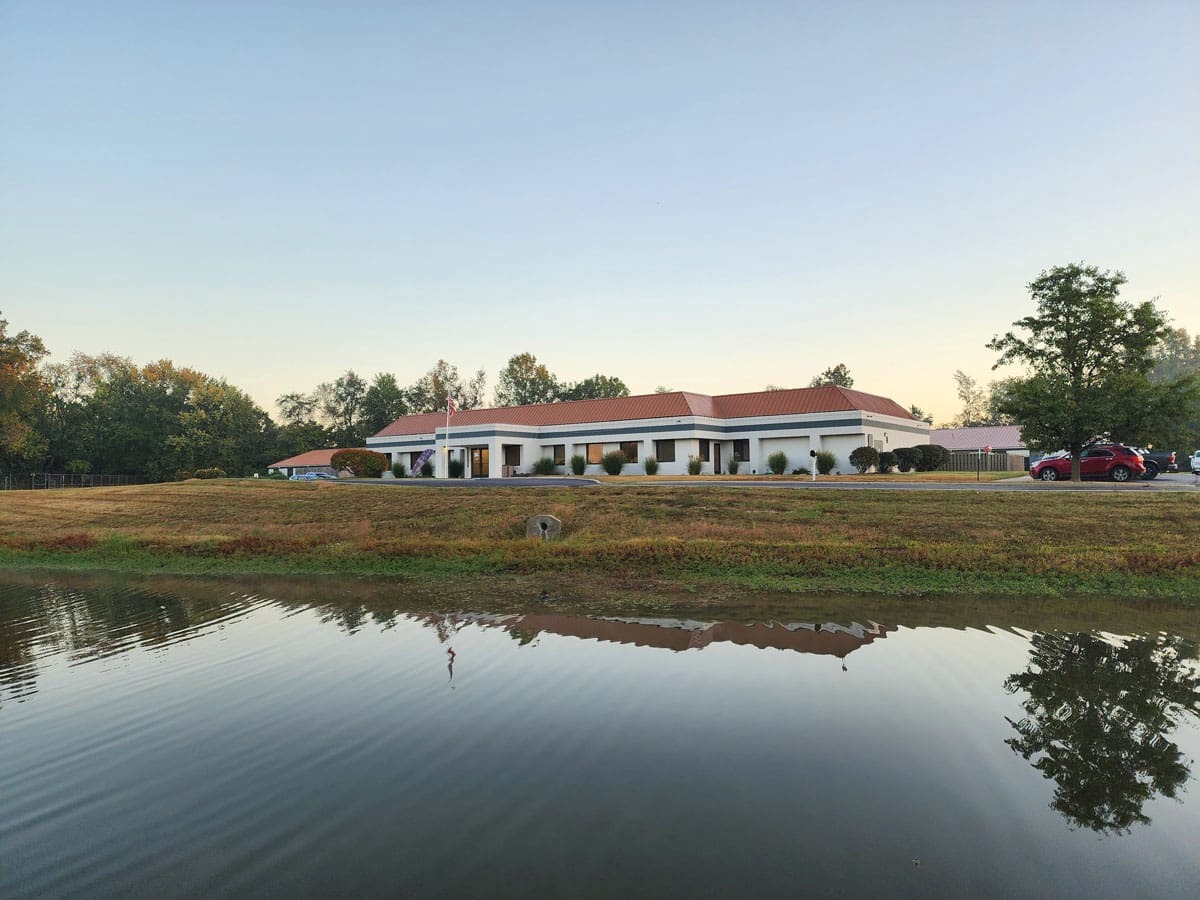


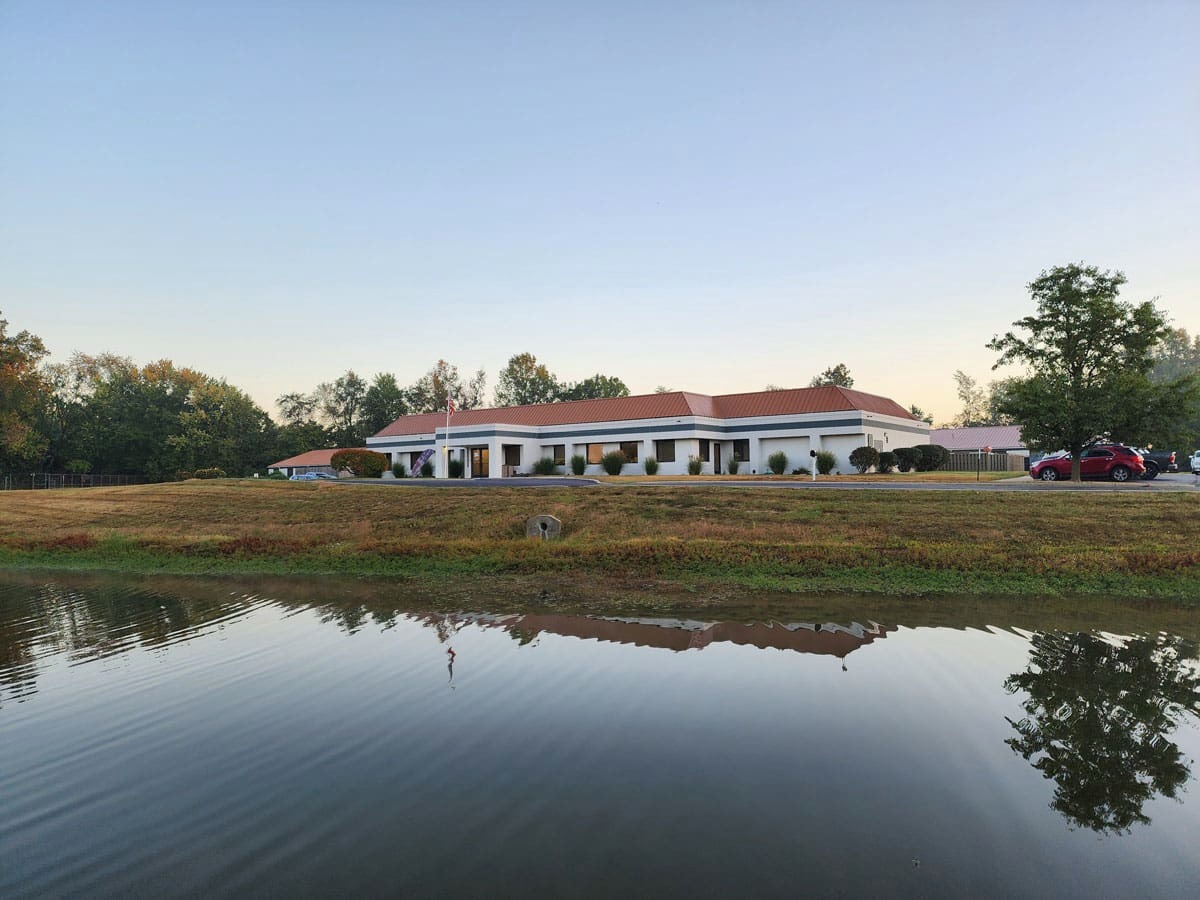
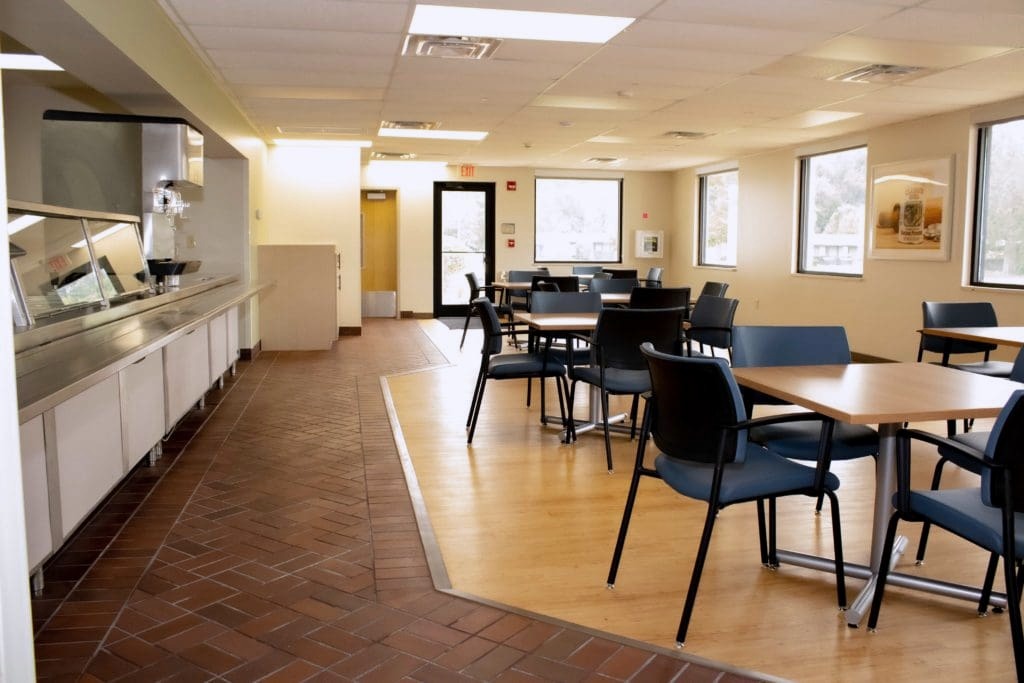

Anabranch Recovery 6 photos





Comparison facts and sources
An 81-bed adult substance-use treatment center providing medically supervised detoxification and 24-hour residential care at 1400 East Crossing Boulevard, with separate outpatient services at 4001 Wabash Avenue, Suite 4. · 1400 East Crossing Boulevard, Terre Haute, Indiana 47802, United States.
- Published fee information
- Quote required
- Before admission
- The in-person IOP page contains conflicting Medicare statements. Current eligibility and payer participation require direct confirmation for each care level. Admission suitability, medical necessity, exact duration, fixed price, taxes and final patient responsibility remain individual.
- Continuing care
- Discharge planning may include ongoing therapy, recovery support and community resources. The provider also offers an alumni program for people who complete treatment.
Source record · October 19, 2026
Official in-person IOP insurance wording reviewed October 19, 2026. Medicare statements conflict and require direct program-specific confirmation. Existing program descriptions and individual financial terms should be checked for the proposed admission..
- Official center overview, residential address and contact
- Official 81-bed adult detox and residential program
- Official residential and outpatient locations
- Official in-person IOP schedule and 6–12-week duration
- Official insurance verification
- Official alumni program
- Official in-person IOP page with conflicting Medicare statements
Luxury rehab comparison · Fees and inclusions · Selection methodology
Anabranch Recovery Center provides substance use and co-occurring mental health treatment in Terre Haute, Indiana. Its residential campus is at 1400 East Crossing Boulevard, while its outpatient office is at 4001 Wabash Avenue, Suite 4.
Current programs include detoxification, residential treatment, in-person and virtual intensive outpatient care, virtual partial hospitalization, treatment during pregnancy, Tactical Recovery for veterans, active-duty military and first responders, and alumni support. Placement and length of care depend on assessment and individual needs.
Anabranch publishes (888) 909-2415 and says it accepts most major insurance. The provider does not publish a standard weekly fee or one universal program duration.
After residential treatment, continuing care may include outpatient therapy, community recovery support and Anabranch’s alumni program.
An adult substance use program with a shared residential setting
The provider’s overview describes Anabranch as an eighty-one-bed treatment center for adult men and women, with detox and residential care supported by nursing and clinical staff around the clock. It identifies the center as part of Summit Behavioral Healthcare. The published capacity describes the facility, not current vacancies, room occupancy, or a guarantee of admission.
Ask what accommodation is being offered, which clinical unit would receive the person, and how the daily program is organized. A shared treatment center is a different experience from a private one-client residence. Discuss accessibility, dietary needs, sleep concerns, and the support required during the proposed level of care. The center’s stated purpose is to help people return to everyday life after treatment. That makes planning for the transition important from the beginning: establish how ongoing medical, psychiatric, and practical needs will be followed rather than judge the program only by its residential setting or advertised capacity.
Residential and outpatient treatment use two Terre Haute addresses
The locations page separates the residential center at 1400 East Crossing Boulevard from the outpatient office at 4001 Wabash Avenue, Suite 4. Both are in Terre Haute, but they are different destinations. An outpatient recommendation should not be interpreted as continuing appointments inside the residential building.
When arranging a transition, confirm where the assessment, first group, and individual appointments will take place. Ask who coordinates the handover and how transport will work. If the person is returning home after residential care, consider the distance to the outpatient office and the number of journeys required each week. Someone staying elsewhere needs a separate accommodation plan rather than an assumption that outpatient enrollment includes a bed. Keep the address and program name together in appointment information shared with family or another clinician. The fact that services share an organization can support coordination, but it does not remove the need for a confirmed receiving service, schedule, and practical travel arrangements.
Detox planning is individualized rather than automatic
The detox page describes a physician-led physical examination, health history, and substance-use assessment, followed by a plan addressing individual withdrawal risks. It gives five to seven days as a typical detox period for many clients. The program overview explicitly states that not everyone entering Anabranch needs detoxification.
Explain current prescriptions, previous withdrawal complications, recent substance use, and other health conditions before arrival. Ask which monitoring and medical capabilities are available for the assessed needs, and how care beyond those capabilities would be arranged. A published substance list does not determine an individual withdrawal plan or guarantee that every presentation is suitable for this setting. Do not stop or change prescribed treatment to prepare for admission without discussing it with the treating clinician. Detox and longer-term substance use treatment have different purposes. Confirm the recommended next stage as stabilization progresses rather than assume that a typical number of days fixes the entire treatment pathway.
Residential care combines therapy with assessment of co-occurring needs
The residential page describes a medical and psychiatric assessment, individual and group therapy, family sessions with the patient’s permission, and medication management when appropriate. It discusses mental health concerns such as depression, anxiety, and trauma alongside substance use. Its general thirty-to-ninety-day range is a planning description, not a required stay for every person.
Ask how the assessment connects to the actual weekly schedule and which clinician is responsible for each part of care. Previous psychiatric treatment, current prescriptions, and outside professionals should be part of that discussion. The page mentions recreation, mindfulness, yoga, and possible outdoor activities. Confirm what is currently available and appropriate for the person’s physical and clinical needs rather than assume every activity is included. Family participation should have agreed goals and information-sharing boundaries. As treatment progresses, ask how readiness for a lower level of care is reviewed and what arrangements will maintain support afterward. A therapeutic menu does not establish identical care or outcomes for everyone.
In-person IOP has a clear schedule but conflicting Medicare wording
The in-person IOP page places sessions at the Wabash Avenue office on Tuesdays, Wednesdays, and Thursdays from 9 a.m. to noon. It describes a six-to-twelve-week course depending on readiness, with group and individual work, psychoeducation, medication management, and psychiatric care. Participants return home after treatment.
The same page contains inconsistent insurance statements: it first includes Medicare, then says no Medicare. It also describes Medicaid restrictions. Do not treat either Medicare sentence as a resolved coverage decision; have the provider and payer confirm the actual program and benefits before starting. Ask for the current timetable, how individual appointments fit the group hours, and what criteria guide progression or discharge. A published duration range does not replace ongoing clinical review. Transport, employment, and home support should be considered alongside the recommendation. The program offers more structure than ordinary outpatient visits, while remaining different from living at the residential center with overnight support.
Virtual IOP is an evening program with practical privacy requirements
The virtual IOP page describes sessions on Tuesdays, Wednesdays, and Thursdays from 5:30 to 8:30 p.m. It identifies an Indiana telehealth program using assessment, individual counseling, groups, education, and ongoing review. Confirm the current time zone and schedule when arranging participation, particularly when travel or work changes the person’s location.
Remote attendance requires more than an internet connection. The provider highlights a secure, private environment where a participant can engage in sessions. Discuss interruptions, shared living space, suitable equipment, and what happens if the connection fails. Ask how medication-related appointments and any in-person needs are handled, and which clinician responds when more support is required. Family involvement may be part of the plan, with a clear purpose and agreed privacy boundaries. Telehealth reduces travel but does not provide residential observation or make every level of clinical need suitable for home-based care. Assessment should determine whether the format and the person’s environment are workable together.
Virtual PHP is a separate program to confirm in detail
The virtual PHP description identifies a home-based program with individual and group therapy, using approaches such as CBT, DBT, and motivational interviewing. It describes clinical assessment and individualized planning, with remote social and wellness activities alongside treatment. The reviewed page does not establish a fixed daily or weekly timetable.
Ask for the actual hours, attendance requirements, clinical contacts, and expected duration before comparing it with evening IOP. The provider describes availability across Indiana; confirm eligibility based on where the person will physically participate rather than assume the program can be used from any state. Discuss privacy, technology, medication follow-up, and the plan if symptoms worsen or an in-person assessment becomes necessary. The page mentions payment plans and scholarship opportunities, but eligibility and availability require individual confirmation. A virtual format changes where sessions occur; it does not establish that all clinical needs can be managed remotely or that support outside scheduled hours is identical to residential care.
Pregnancy programming needs an individual medical and prenatal plan
The pregnancy program page describes a twenty-eight-day residential program and says the center accepts expectant mothers up to thirty weeks of pregnancy, with later stages considered individually. It also describes coordination with community partners and sober-living services after treatment. These are provider-published program parameters, not automatic admission approval.
Discuss the pregnancy stage, prenatal clinician, medical history, current medications, and substance use through the clinical assessment. Ask how obstetric care, appointments, transport, and urgent medical needs will be coordinated, and which services occur outside the treatment center. The page’s broad detox wording should not be read as a guarantee of safety or a requirement that every pregnant person discontinue an existing treatment. Medication decisions and any withdrawal-management plan require the treating professionals’ review. Confirm what happens if pregnancy-related needs exceed the center’s capabilities. The aftercare discussion should also identify the receiving services and practical support rather than assume that a housing referral is an approved placement.
Tactical Recovery has specific support and authorization questions
The Tactical Recovery page describes detox and residential support for veterans, active military personnel, and first responders, with assessment and trauma-informed treatment. Anabranch attributes development of the program to collaboration with PsychArmor. It also describes family education and planning for support in the person’s home community.
Ask what the dedicated programming adds to the general residential schedule and how it addresses the individual’s experience without assuming that every participant has the same diagnosis or history. Confirm which clinicians provide trauma-focused work and how it is paced alongside substance use treatment. The page describes Bridge Care when a veteran needs care while awaiting a VA service, but explicitly requires proper authorization. That is not a blanket promise of VA funding or immediate placement. Identify the authorizing party, accepting location, covered services, and planned transition. Family education and contact after discharge can support the plan, but they should remain separate from an assumption of unlimited clinical care or guaranteed readmission.
Alumni events provide connection rather than a clinical schedule
The alumni page describes involvement after treatment and illustrates a gathering with a guest speaker, food, music, games, and peer contact. That example shows the social character of an event; it does not establish how often future activities occur or which clinical services a former patient will receive.
Before discharge, ask how to receive current event information, whether activities are suitable for someone living farther away, and who handles alumni inquiries. Keep that community connection alongside a separate plan for counseling, prescriptions, or other ongoing treatment. A person may value peer contact while still needing regular appointments with a clinician. Confirm any participation costs and practical arrangements rather than infer them from photographs of a previous gathering. If circumstances change, identify the route back to a clinical assessment. Alumni activities can help maintain contact with the organization and other participants, but a social invitation is not a substitute for a confirmed follow-up appointment or a plan for urgent needs.
Benefits verification should cover each part of the proposed pathway
The insurance-verification page says Anabranch accepts most major plans and offers an individual benefits review. It does not publish a universal bundled price for detox, residential, in-person IOP, and virtual treatment. These services should be identified separately when discussing authorization and personal financial responsibility.
Request a written estimate naming the program, billing provider, expected duration, and any services outside the quoted amount. Ask how deductibles, copays, coinsurance, or additional clinical needs affect the estimate. If the plan involves more than one level of care, establish how benefits are reviewed during the transition and whether a new authorization is required. A general statement of insurance acceptance does not resolve program-specific restrictions or a contradiction elsewhere on the site. The provider’s review and the insurer’s confirmation should be reconciled before treatment begins where practical. Also clarify transport, personal expenses, and any independent housing charges so the full pathway is understood without assuming that all costs are included.
Official Anabranch information reviewed October 19, 2026. Residential and outpatient locations, program schedules, pregnancy assessment, Tactical Recovery authorization, and individual costs require confirmation. The in-person IOP page contains unresolved Medicare wording.
Sources
- Anabranch Recovery Center official website
- Anabranch treatment programs
- Anabranch locations
- Anabranch insurance verification
- Anabranch alumni program
Sources checked October 17, 2026.