Alta Mira Recovery

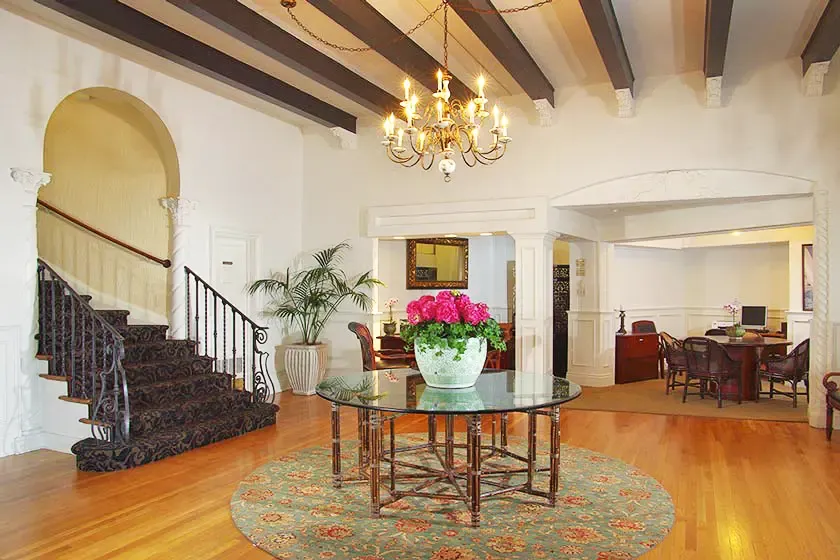

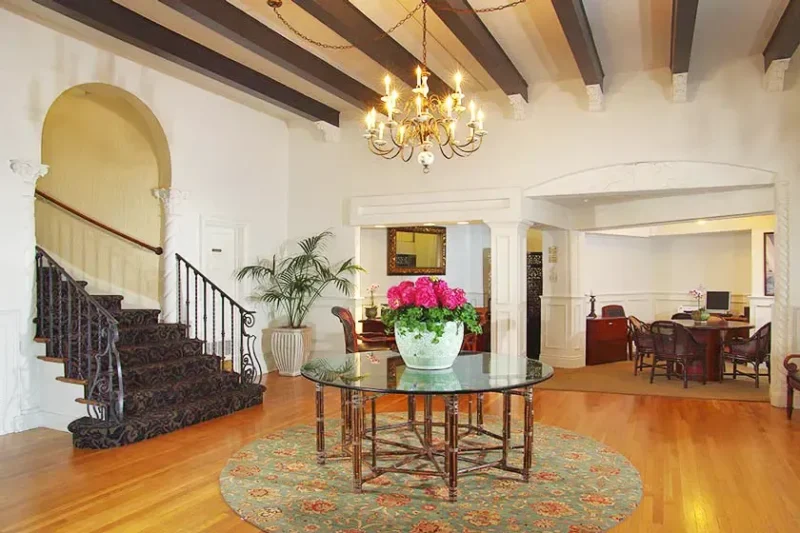
Alta Mira Recovery 3 photos


Comparison facts and sources
Residential addiction and co-occurring mental-health treatment · 125 Bulkley Avenue, Sausalito, California, United States
- Published fee information
- Quote required
- Before admission
- A new client is asked to commit to 30 days; shorter assessment/stabilization services and longer individualized stays may be available. Final cost and coverage require written verification.
- Continuing care
- Continuing care and alumni support are included in the individualized program and designed to support the transition from residential care.
Source record · 2026-10-14
Provider-published information checked October 14, 2026. Independent facility-level licensing verification was not completed in this targeted review.
Luxury rehab comparison · Fees and inclusions · Selection methodology
Comparisons featuring this provider: Best Luxury Depression Treatment Centers · Best Luxury Alcohol Rehab Centers · Best Luxury Trauma & PTSD Treatment Centers.
Provider overview
Alta Mira Recovery is an adult residential treatment center in Sausalito, California, for substance use disorders and co-occurring mental health conditions.
Treatment and setting
The current program includes medically supervised detoxification, residential treatment, psychological and medical assessment, individualized therapy, family programming and continuing-care planning. Alta Mira asks new residential clients to commit to at least 30 days; a separate assessment and stabilization service may be shorter when clinically appropriate. The historic Sausalito campus offers private and shared accommodation.
Admissions and costs
Alta Mira states that its residential program is all-inclusive and accepts most insurance, with in-network arrangements for Kaiser Permanente and TriWest. No standard cash price is published; ask admissions to verify benefits and provide a written estimate for the proposed program and room.
What the residential treatment program involves
Alta Mira’s Transformational Recovery Program combines individual therapy, daily groups, diagnostic assessment, and preparation for life after residence. The published schedule includes at least two individual sessions each week with a primary therapist. Group work addresses recovery principles, emotional skills, relationships, and awareness of physical responses to stress. Psychological and neuropsychological assessment helps the team consider diagnoses, strengths, and recommendations for continuing care.
The program also describes intensive workshops, experiential outings, and several forms of community peer support, including 12-step, SMART Recovery, and other recovery groups. These elements provide different ways to engage with treatment rather than a single compulsory interpretation of recovery. The individual plan should identify the main clinical goals and how the available approaches will address them. A person with previous treatment experiences can discuss what was helpful, what remained unresolved, and which changes the Alta Mira team proposes for this admission.
A separate ten-day assessment and stabilization option
The assessment and stabilization service is a distinct ten-day option for people seeking an initial evaluation or medically supported detoxification separately from the minimum thirty-day residential program. Its core elements include medical assessment, psychiatric evaluation, diagnostic clarification, a psychosocial assessment, and individual meetings with an assigned therapist. Limited psychological testing may be included when appropriate.
The service concludes with a report describing clinical impressions, recommendations, and resources for subsequent care. With permission, the team can gather information from relatives and outside professionals. Additional sessions and participation in groups depend on clinical suitability and the individual’s choice. This service is useful to distinguish from an agreement to complete the full residential course: its purpose includes determining which next level of care is appropriate. Before admission, establish what the assessment will cover, who receives the final report, and how any extension or transfer would be arranged.
Medical support during the initial withdrawal phase
The detoxification program description sets out round-the-clock support and an individualized medical protocol. Alta Mira states that clients receive a history and physical examination within twenty-four hours and a psychiatric evaluation within forty-eight hours of admission. Its consulting addiction medicine physician, nurse practitioner, and addiction psychiatrist contribute to the initial review and ongoing care.
The provider describes private detox rooms and coordination of additional medical services when necessary. This is a residential medical support model; the appropriate setting still depends on the person’s actual health and withdrawal risks. Admissions needs an accurate account of recent substance use, prescribed medication, previous withdrawal complications, and other treatment. The assessment should establish whether Alta Mira can provide the required support and whether outside medical services are needed. The duration and medication plan belong to that clinical review, rather than being inferred from a standard stay length or accommodation category.
Therapies are selected for the person’s treatment goals
The clinical therapy guide describes cognitive behavioral therapy, dialectical behavior therapy, motivational approaches, acceptance and commitment therapy, and selected trauma-focused work. The provider uses these approaches in individual sessions, groups, and practical opportunities during the residential day. Its DBT material covers emotional regulation, distress tolerance, relationships, and additional topics such as problem-solving and sustainable routines.
Exposure-based work or EMDR may be incorporated when clinically appropriate. The guide specifically connects EMDR availability to suitability and sufficient time within the treatment episode. A list of therapies therefore describes the program’s resources, rather than a promise that every resident receives every modality. During treatment planning, it is useful to identify which difficulties are being addressed in individual therapy, which skills are practiced in groups, and how progress will be reviewed. This keeps the plan focused on the person’s needs instead of the length of a therapy menu.
Wellness services and activities have defined inclusions
The wellness and experiential program describes yoga, guided meditation, personal training, massage, acupuncture, and selected activities around the Bay Area. The provider lists one weekly massage or acupuncture session as included for residents, with additional sessions available for a fee. Physical therapy may be arranged when indicated and carries an additional charge.
Published examples of outings include kayaking, hiking, sailing, museums, and other group experiences. These are examples of the program’s activity range, with the actual schedule shaped by availability and clinical participation. The stated purpose is to practice recovery skills and reconnect with interests outside substance use. Someone with mobility limitations, pain, or particular concerns about an activity should discuss adaptations with the team. The written financial proposal should also distinguish included wellness sessions from optional extras, especially when an all-inclusive description appears elsewhere on the website.
Family involvement extends beyond visiting
The family program includes an initial family assessment, communication with the primary therapist, and therapy sessions when appropriate. The provider describes weekly updates and options for relatives to participate in person or remotely. These arrangements require the patient’s participation and the relevant permissions for sharing information.
Alta Mira also offers a three-day educational and therapeutic family program, with repeat attendance possible as treatment progresses. Subjects include understanding addiction, family patterns, boundaries, and supporting recovery after the residential stay. Family therapy and educational programming serve a different purpose from a social visit: they help participants understand their own roles and prepare for changes at home. Relatives living outside California can plan around the actual dates, format, and expected involvement. The treatment team should explain which meetings are recommended for that family and how the work will feed into the continuing-care plan.
Continuing care is planned from the beginning
Alta Mira’s continuing-care model begins during residential treatment. The team works with the client, referring professionals, and family members to identify support after discharge. Recommendations may include an intensive outpatient program, individual or couples’ therapy, psychiatric care, recovery coaching, peer groups, sober housing, or other resources suited to the person’s circumstances.
The breadth of these options makes the specific discharge plan important. A recommendation for an outside service should identify the provider, expected start date, location or remote format, and responsibility for arranging payment. Some people return to an established clinical team; others need a new network near home. Continuing-care planning also needs to account for the practical return to work, family commitments, and situations that may challenge recovery. Alta Mira’s own alumni activities can support that transition while separate clinical appointments and any prescribed treatment continue through the professionals named in the plan.
Alumni support includes online groups and return workshops
The alumni program describes weekly online groups, regular contact after discharge, and quarterly themed workshops called tune-ups. The published workshops run over two days and provide opportunities to reconnect with staff and other alumni. The provider also offers the CaredFor community app and a route to request help finding therapists, psychiatrists, and other resources near home.
These options give former residents several ways to remain connected, including those who live outside the Bay Area. Group timetables and workshop dates should be confirmed against the current calendar. A return workshop is different from a new residential treatment episode, and an alumni check-in is different from a scheduled medical or psychotherapy appointment. During discharge planning, identify which alumni services the person intends to use and how they complement ongoing clinical care. The most useful plan turns general availability into manageable appointments and contacts that fit daily life.
Accommodation and everyday routines at the campus
The admissions FAQ lists double rooms with a shared bathroom, private rooms with a private bathroom, and larger private suites. It describes a full residential day with community meetings, therapy, education, meals, wellness activities, and recovery meetings. The published timetable is an illustration rather than an individual appointment schedule.
The same guidance explains that access to phones and computers is managed to balance personal or business needs with treatment. Prospective residents should agree on any essential work contact before arrival. Packages require clinical approval, and food or drink deliveries are restricted. Special dietary needs can be discussed with the culinary team. These arrangements affect the practical experience of staying at Alta Mira: the appropriate room, access to essential communication, and any dietary or accessibility needs should be clear in the admission plan, alongside the proposed clinical services and length of stay.
Bringing a pet requires a specific approval process
Alta Mira’s pet policy offers pet-friendly accommodation for clients in private rooms. The provider directs prospective residents to an admissions advisor for approval. This is a defined accommodation option, so the general statement that the center welcomes pets should not be treated as automatic acceptance of every animal or room arrangement.
Someone considering this option can discuss the animal’s needs, the proposed room, and responsibility for daily care while treatment takes place. It is also sensible to establish what happens during appointments or outings and whether any additional requirements or charges apply. These details are particularly relevant for residents traveling to California. The clinical priority remains the person’s ability to participate in care, with the accommodation decision made in advance. Written confirmation helps avoid arriving with a pet before the team has agreed that the arrangement is workable for the resident and campus.
The admission review connects clinical records with practical plans
The admissions process begins with a preliminary phone assessment covering current symptoms, reasons for seeking treatment, medical history, and previous care. Alta Mira then reviews relevant clinical documentation and conducts further assessment before confirming an admission date. An admissions package sets out the paperwork required for the stay.
The provider recommends a facility tour when feasible and describes staff support through arrival and intake. These steps offer an opportunity to explain priorities that may otherwise be lost in a general inquiry: diagnostic uncertainty, a difficult previous admission, ongoing prescriptions, family involvement, or work responsibilities. Current treating professionals can provide records and clarify any issues requiring continuity. The final plan should bring these clinical considerations together with the selected program, accommodation, timing, and payment arrangements. A confirmed reservation should follow that review rather than substitute for an assessment of whether the program meets the person’s needs.
Insurance arrangements and the personal cost of treatment
The payment and insurance page states that Alta Mira works with major commercial insurers and is in network with TriWest and Kaiser Permanente. Its Kaiser information page directs members to admissions for an individual benefits review. Network participation is useful information, but the proposed service, plan terms, authorization, and personal responsibility still require confirmation.
There is no single public cash price for every Alta Mira admission. A meaningful estimate should name the program, initial duration, room category, included clinical and wellness services, and any likely additional charges. It should also explain the billing route and how reimbursement or an extension would be handled. Comparing that written proposal with another center’s equivalent level of care is more informative than comparing an undefined weekly rate. Keep the clinical recommendation and financial agreement aligned throughout the planning process.
Source check: October 18, 2026, for the additional provider details above.
Source and verification
Sources: Alta Mira Sausalito, treatment programs, admissions FAQs and insurance information, checked October 5, 2026. This summary reflects provider-published information and is not an independent clinical assessment. Confirm current suitability, benefits and personal costs directly.