All Points North Lodge

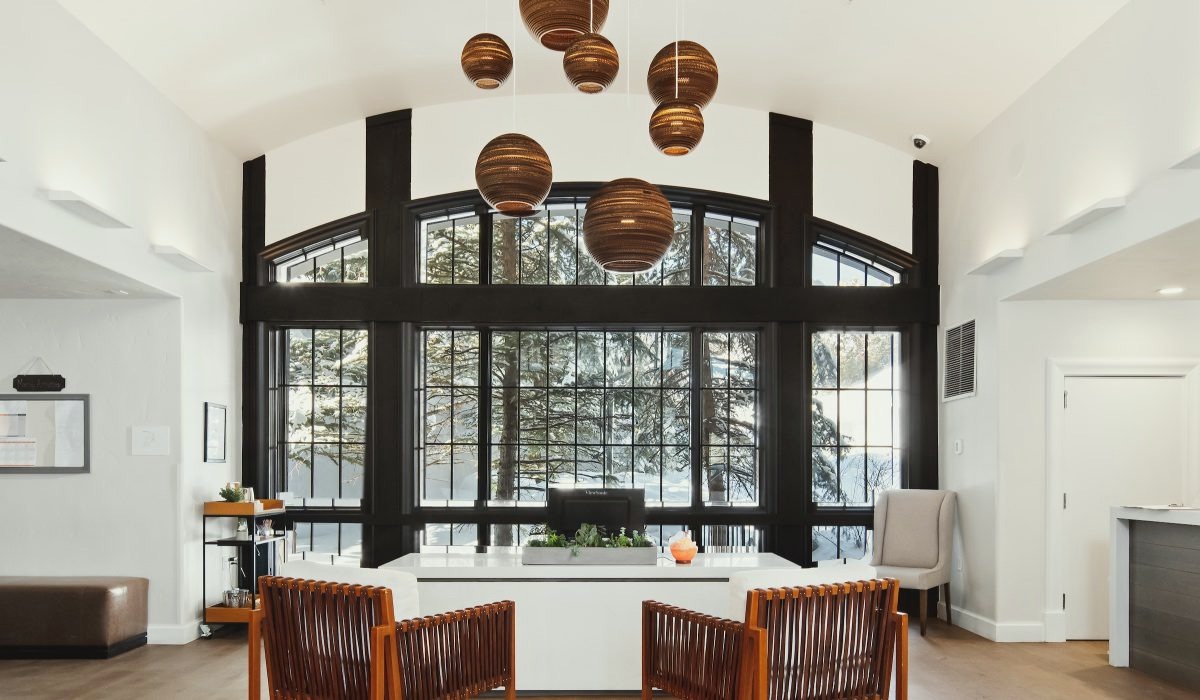
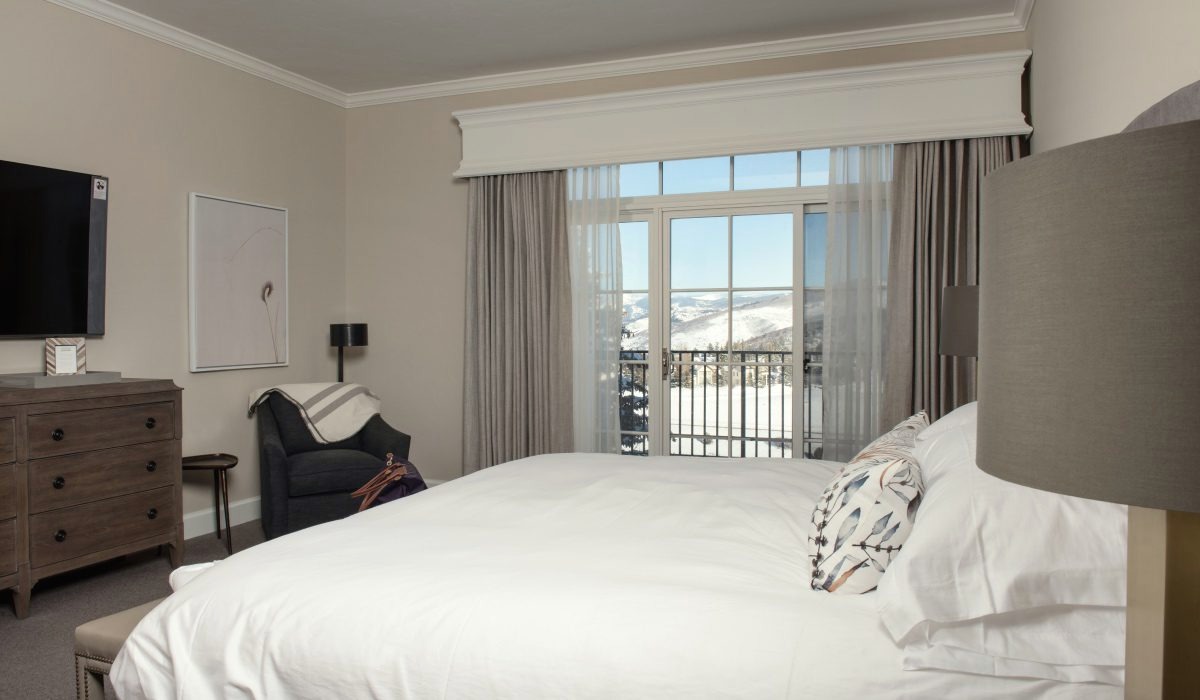
All Points North Lodge 3 photos
Comparison facts and sources
APN's Edwards campus provides residential treatment, PHP and IOP for mental health, addiction, trauma and co-occurring needs. Medical detox is located at APN Denver and APN Dallas–Fort Worth, not at the Lodge. · 2205 Cordillera Way, Edwards, CO 81632, United States
- Published fee information
- Quote required
- Before admission
- This review verifies current campus scope, program levels, duration guidance, payer status, hospitality and aftercare descriptions. It does not independently assess clinical quality or guarantee insurance coverage, pricing or optional-service availability.
- Continuing care
- Personalized discharge and aftercare planning may include step-down PHP, IOP or virtual support. APN's alumni network advertises recurring in-person and virtual events, recovery-support groups and online programming.
Source record · October 16, 2026
Current provider-published location, FAQ, program, insurance, accommodation and alumni pages checked October 16, 2026.. No license or accreditation conclusion was inferred beyond provider-published claims.
Luxury rehab comparison · Fees and inclusions · Selection methodology
Provider overview
All Points North Lodge is APN’s Edwards, Colorado campus at 2205 Cordillera Way. Current provider pages list residential treatment, partial hospitalization (PHP) and intensive outpatient programming (IOP) for mental health, addiction, trauma and co-occurring needs. APN also advertises private, semi-private and double suites plus a separate private-residence option.
The Edwards Lodge should not be confused with APN’s other locations. APN places 24/7 medically supervised detox and withdrawal management at APN Denver and APN Dallas–Fort Worth, not at the Lodge. The Lodge offers residential, PHP and IOP care; confirm any detox-to-Lodge transfer plan directly with admissions.
APN recommends at least 30 days, while many clients benefit from 60, 90 or more days. Current program pages describe residential and PHP stays of roughly 30–90 days, with discharge timing based on clinical recommendations rather than one fixed standard.
No universal cash price is published. APN says cost varies with insurance, program, duration and accommodation choice. For Lodge RTC and PHP, the provider states that it is in-network with First Health and is a TriWest-approved provider; other benefits may be handled out of network and require individual verification. Request a written USD quote covering accommodation, taxes, insurance responsibility and optional services. APN identifies personal training and spa services as additional-cost items, while accommodation pages describe meals, housekeeping and core amenities.
Discharge planning can include step-down care, virtual support and a personalized aftercare plan. APN’s alumni network advertises recurring in-person and virtual events, recovery-support groups and online programming.
Choosing the appropriate APN level of care
APN’s levels-of-care guide describes several possible starting points, with assessment used to decide which is suitable. Residential care at the Lodge combines a live-in setting with individual and group therapy, medication management, and other clinically selected services. Partial hospitalization provides a substantial daytime schedule, while intensive outpatient treatment offers fewer hours and greater independence. Movement between these programs should follow the person’s needs and progress.
The same guide places medically supervised detox at APN Denver and APN Dallas–Fort Worth. That location distinction is important when arranging travel to Edwards: the Lodge should not be assumed to provide the initial withdrawal-management service. If detox is needed first, the proposed admission should identify the receiving facility, the transfer arrangements, and the clinical criteria for moving to the Lodge. Different levels may also require separate insurance authorization and financial arrangements.
Private, semi-private, and double suites explained
The accommodation descriptions explain meaningful differences between the Lodge’s room categories. A private suite provides single occupancy with a private bathroom. A semi-private suite accommodates two clients in separate bedrooms with a shared bathroom. A double suite places two clients in one living space divided by a bookcase or wall. These options offer different amounts of personal space and should be compared by layout, rather than by the word “suite” alone.
APN describes mountain views, meals, housekeeping, and access to Lodge amenities as elements of the setting. Before choosing an option, confirm the room category available for the actual admission dates and whether the quoted cost includes it throughout the stay. Sleep needs, comfort with sharing, and any accessibility requirements belong in that conversation. Clinical treatment and accommodation are connected parts of the proposal, but a more private bedroom does not itself establish a different clinical treatment schedule.
The separate private-residence option
APN’s Private Residence is described as a standalone estate serving one principal at a time. The published facilities include four bedrooms and a nursery, an executive office, a conference room, a private chef’s kitchen, a gym, a sauna, and a cold plunge. The provider emphasizes arrangements for family visits, work communications, transport, and staffing, with access to Lodge facilities also described.
This option requires a different practical discussion from booking a private bedroom in the main Lodge. Establish where individual appointments take place, which group services are part of the plan, how family members may participate, and what work commitments the clinical team considers compatible with treatment. APN’s description of a tailored household and schedule is not an itemized quotation. The written agreement should specify the people accommodated, the services and transport included, and the price of optional spa or other additional services.
Medical leadership and psychiatric expertise
The provider’s biography of Dr. Jonathan P. Rosman identifies him as Medical Director at APN Lodge in Edwards. It describes training and experience in psychiatry, addiction psychiatry, forensic psychiatry, and sleep medicine, with medical education in South Africa and subsequent training in Canada and the United States. These are provider-published credentials; this profile does not substitute for an independent licensing check.
The role is relevant when a person’s treatment involves both substance use and psychiatric symptoms, or when sleep and medication questions require medical review. A medical director’s presence on the team does not guarantee that the director will conduct every appointment. Admissions should identify the clinician responsible for the individual’s psychiatric care, the planned review schedule, and how medical decisions will be coordinated with the primary therapist. Those details make the published leadership information useful for an actual treatment decision.
What partial hospitalization in Edwards involves
The Edwards PHP page describes an assessment-led program for addiction and mental health needs. A primary therapist, individual and group sessions, repeated clinical check-ins, medication management when indicated, and planning for the next stage of care form part of the description. The page presents around 30 days as a common PHP period, with treatment adapted to the person’s progress rather than guaranteed to finish on a fixed date.
Partial hospitalization is a specific level of care, even when it is delivered on a campus that also offers residential treatment. Clarify the daily clinical schedule, the accommodation or evening arrangements, and what support is available outside program hours. A proposed transition from residential care should explain why PHP is appropriate at that point and how the therapeutic work will continue. This is also the time to identify any change in insurance benefits or personal costs.
The published Edwards outpatient schedule
APN’s Edwards intensive outpatient page gives a more specific timetable than the general residential descriptions. It advertises a usual duration of eight to twelve weeks, with three-hour group sessions on three days each week and one hour of individual therapy weekly. The program is nonresidential and serves adults with depression, anxiety, trauma, substance use, and co-occurring concerns. Psychiatric evaluation and medication management are also described.
This structure may be relevant to someone stepping down from residential or PHP care, or someone who needs more support than an occasional appointment while continuing to live at home. The published timetable is a useful basis for checking work, travel, and family commitments, although the actual plan can change with clinical progress. Optional family therapy is listed separately. Confirm the current group schedule, who will provide individual care, and the aftercare arrangements expected when the outpatient course ends.
Therapy, daily structure, and length of stay
In its treatment FAQ, APN describes individual therapy, multiple daily groups, case management, psychiatry, wellness programming, and activity-based work. Cognitive behavioral therapy and dialectical behavior therapy are identified as core approaches, while clinicians adapt their methods to the individual. The FAQ recommends allowing at least 30 days and explains that discharge timing follows clinical recommendations; some people remain for 60 days, 90 days, or longer.
Those descriptions should help shape the proposed schedule, rather than turn a length-of-stay recommendation into a promise of a particular result. Ask the team to explain the initial goals, how progress will be reviewed, and what would justify an extension or a move to a different level of care. The Lodge’s activities sit alongside substantial therapeutic work. Someone expecting a primarily recreational stay should understand the participation required before making arrangements.
Family therapy and support from home
The family-therapy service is delivered through the APN Connection telehealth platform. APN describes weekly one-hour sessions with licensed family therapists and says this service is complimentary for families of clients in its residential or PHP programs. The stated focus includes communication, boundaries, relationship strain, trust, and the impact of addiction or mental health difficulties on the family. Participation can involve partners, parents, adult children, or chosen family, depending on the goals.
Families outside those programs may also access the service through self-pay or out-of-network arrangements. That is a separate payment pathway, so the complimentary provision should not be generalized to every APN service or every period after discharge. Confirm who will attend, consent for information sharing, the expected session schedule, and any location-related telehealth requirements. For relatives who cannot travel to Colorado, the online format is a concrete feature to discuss during admission planning.
How the APN Pathways framework guides treatment
The provider’s APN Pathways framework describes eight areas of work across its treatment journey. These include clarifying motivations and goals, examining relationships, practicing daily wellness routines, addressing trauma where appropriate, developing healthier connections, and preparing for life after structured care. The early stages emphasize assessment and personal goals, while later stages include reviewing progress and planning ongoing support.
This is a description of APN’s treatment framework, not a timetable showing that every person will complete eight stages in a set number of weeks. Its practical value is in making the proposed plan easier to discuss. A client can ask which areas are most relevant now, how the chosen therapies connect to those goals, and what progress would look like outside the campus. The framework also gives family conversations and discharge planning a shared structure without implying a guaranteed outcome.
Additional services at the Lodge
The Lodge location page lists services available through Plus by APN, including ketamine-assisted therapy, deep transcranial magnetic stimulation, an accelerated deep TMS protocol, and hyperbaric oxygen therapy. It separately lists additions such as acupuncture, personal training, massage, a float tank, and some chiropractic or physical therapy services. Availability can vary, and outings depend on the level of care and therapist approval.
These listings establish what the provider advertises; they do not establish that every option is appropriate, included in a package, or supported for every diagnosis. Any proposed intervention needs its own explanation of purpose, evidence, risks, alternatives, and cost from the treating clinician. Keep that discussion separate from the appeal of the setting or the name of a technology. A clear proposal identifies which services are central to the clinical plan and which are optional additions.
Verifying benefits for the exact program
APN’s insurance-verification process includes contacting the insurer and reviewing covered levels of care, network status, deductibles, estimated personal costs, and prior authorization. Its network-wide page names several contracted payers and distinguishes them from plans commonly handled out of network. It also states that APN does not currently accept Medicare, Medicaid, or HMO plans.
The network-wide list should be reconciled with the exact location and program in the proposal, particularly if care starts at a detox facility and then moves to the Lodge. A named insurer may offer several products with different benefits. Obtain confirmation for the intended facility, level of care, and dates, along with the estimated personal responsibility. Submitting the verification request is described as free and without an obligation to enroll. The results help with planning but should not be treated as a guarantee that every subsequent service will be paid.
Alumni support after structured treatment
The APN Alumni Network advertises recurring in-person and virtual events, recovery-support meetings, online resources, and opportunities to stay connected with other alumni. Its published team includes a Director of Alumni and Partnerships, and the page describes both online meetings and local community activities. This is a specific way to maintain contact after leaving a structured program, especially for someone returning to a different city.
Alumni participation and ongoing clinical treatment serve different purposes. The discharge plan should identify any continuing therapist, psychiatric care, outpatient program, or other professional support alongside the alumni opportunities. Confirm which activities are available from the person’s home location and how current schedules are communicated. A support meeting or social event does not itself provide the same service as an individual clinical appointment. Making those arrangements before departure helps connect the campus experience to ordinary life afterward.
Source check: October 18, 2026, for the additional provider details above.
Sources and verification
Official Lodge location page; official FAQ; official levels-of-care page; official insurance-verification page; official accommodation page; official alumni page. Checked October 16, 2026. This summary reflects provider-published information, not an independent clinical assessment or guarantee of coverage.