Annandale Behavioral Health
Comparison facts and sources
residential_addiction · Pasadena, California, United States
- Published fee information
- Quote required
- Before admission
- Individual recommendation; monthly cost guidance does not establish a fixed stay.
- Continuing care
- Annandale Post offers individualized home/private-location continuing care in Los Angeles and surrounding areas.
Source record · 2026-10-20
Official provider information checked October 20, 2026.
Luxury rehab comparison · Fees and inclusions · Selection methodology
Annandale Behavioral Health is a residential addiction treatment provider in Pasadena, California. It describes a six-bed setting, medical detoxification, individualized residential care, and a separately developed aftercare program. Its residential overview combines substance use treatment with attention to co-occurring mental health concerns. The scale of the residence and the continuity between different phases of care are more useful defining features than a general promise of luxury.
The program is based in Pasadena. Pages discussing Los Angeles, Beverly Hills, or other service areas should not be interpreted as evidence of additional residential campuses in those places. The address labeled as an office address on the website is also distinct from the private residence. A prospective resident should obtain the actual arrival instructions from admissions and confirm where each phase of the proposed treatment will take place.
A six-bed residence in the Pasadena hills
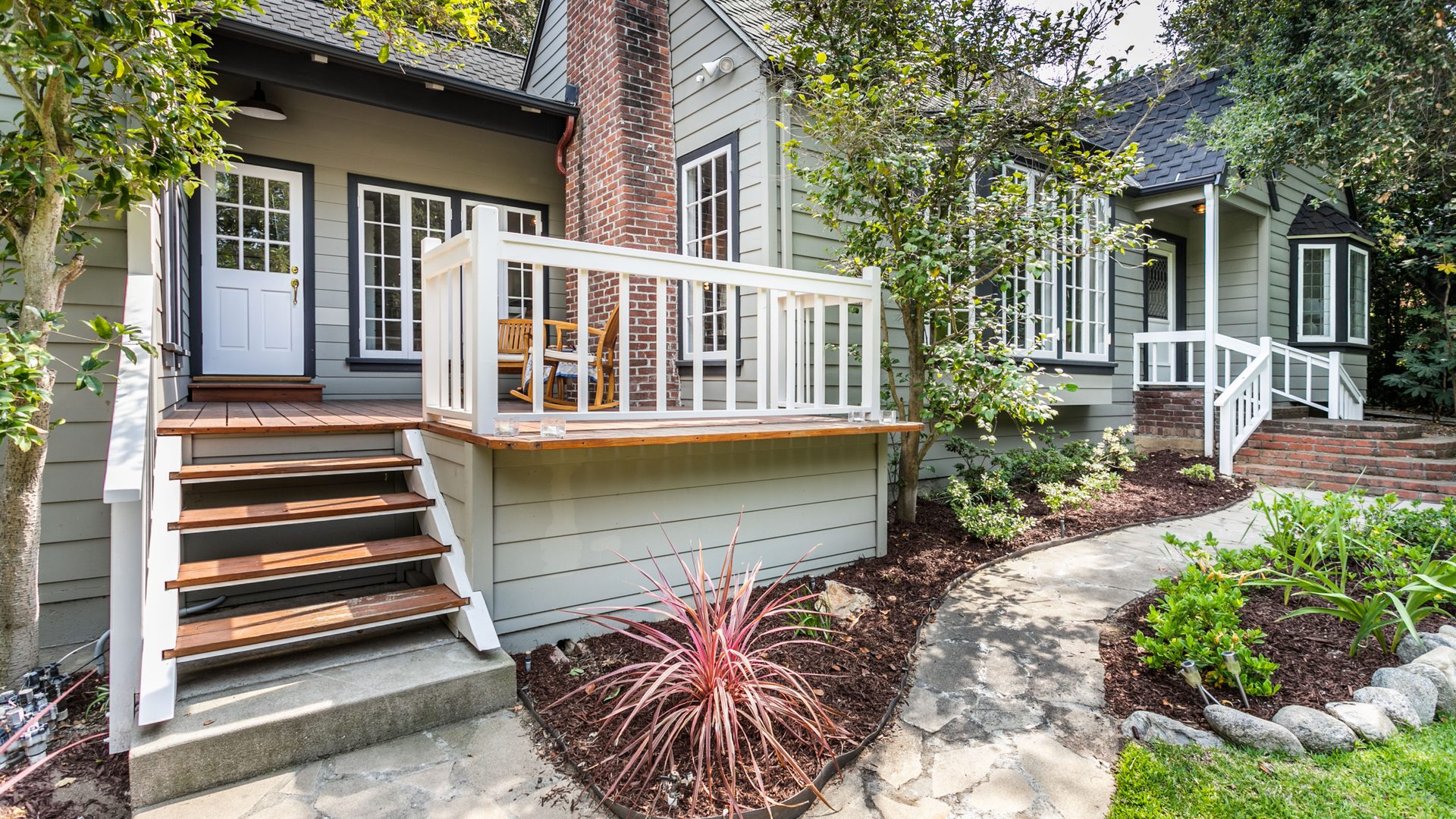
The provider describes a contemporary farmhouse in a landscaped setting, with gardens and an outdoor fireplace. Its facility tour identifies private accommodation, common areas including a library and meditation garden, and a chef’s kitchen. The small residential community is intended to offer a more personal setting than a large institutional campus. It remains a shared program, with other residents, scheduled activities, and clinical expectations as well as time in an individual room.
The facility page also describes workspaces and rooms used for individual therapy, small groups, and psychiatric consultations. Some activities take place through off-site partners, including equine-assisted and other wellness sessions. This distinction helps a resident understand the daily experience: not every advertised activity necessarily occurs within the house. Ask how transport is organized, how participation is selected, and whether any accessibility or physical needs affect the proposed schedule. The available room and its specific features should be confirmed before arrival.
Medical detoxification and the residential phase
Annandale’s detox program describes assessment, medical supervision, and support during withdrawal, followed by planning for the next level of care. The residential page presents detox and subsequent treatment as parts of a wider continuum. This is a helpful distinction for someone who is unsure whether the immediate need is stabilization or a longer therapeutic stay. The admission assessment should establish that sequence and determine whether the center can meet the person’s current medical and psychiatric needs.
Detoxification and residential therapy should not be treated as interchangeable services. The provider describes the residential phase as involving a structured daily routine and sustained participation in therapy. Before admission, ask how the transition between phases is decided, whether the same accommodation is used, and how the proposed duration is calculated. A published description of detox services does not establish a universal timetable for every substance or person. The plan should be based on the individual assessment and current clinical circumstances.
An individualized clinical program
The residential treatment page lists one-to-one therapy, groups, motivational interviewing, family systems work, relapse-prevention planning, dialectical behavior therapy, cognitive behavioral therapy, and 12-step facilitation. The breadth of that list describes options within the program. It does not mean every resident receives an identical combination. The practical admission question is which services are proposed, how often they are scheduled, and who will coordinate the resident’s overall plan.
Co-occurring mental health concerns
Annandale presents itself as a dual-diagnosis provider, with mental health assessment and psychiatric care alongside substance use treatment. Its residential information discusses concerns such as anxiety, depression, and trauma. These are areas the team considers, not a guarantee that every severity level can be managed in this setting. An admission conversation should include current diagnoses, prescribed medication, recent changes, and the involvement of any outside therapist or psychiatrist so the team can assess the whole picture.
For someone whose symptoms have changed during periods of substance use or abstinence, the useful question is how the assessment will be revisited over time. The public program description cannot determine which concern should take priority for an individual. Ask how clinical findings are explained to the resident and how the team coordinates medication decisions with psychotherapy. The discharge plan should also identify who will continue mental health care after the residential phase, especially when the person will return to an established clinician elsewhere.
Family, work, and personal arrangements
The admissions page directs professionals with confidentiality and work requirements to discuss the executive track. The facility description mentions workspace within the accommodation. Together, these features provide a basis for planning essential contact, but they do not establish unrestricted device access or a normal work schedule. A resident should explain the exact tasks that cannot be delegated and ask how they can fit around required treatment without creating conflicting expectations.
Family systems therapy appears in the residential program, and family circumstances are considered during intake. Before relatives arrange visits or expect updates, clarify the resident’s consent and the intended form of participation. A therapy session, a practical conversation with admissions, and an ordinary social visit serve different purposes. Where a partner or family member will be involved in aftercare, it may be useful to discuss that role during the residential phase so the transition is understood by everyone who will take part.
Annandale also describes a dog-friendly environment. This can be a meaningful logistical feature for someone whose pet care would otherwise be a barrier to entering treatment. It should still be confirmed individually before bringing an animal to the residence. Ask about approval, vaccination or care requirements, where the dog may go, and who is responsible during appointments. A broad statement that dogs are welcome does not establish that every animal or circumstance can be accommodated without advance planning.
Admissions and practical preparation
The provider describes a confidential telephone assessment followed by evaluation of immediate needs and an initial medical and psychological review. Its admission process considers substance use, co-occurring conditions, prior treatment, family circumstances, and payment arrangements. The recommended starting point may be detoxification, stabilization, or direct residential entry. This sequence is important: the advertised range of services should be translated into an actual plan before the prospective resident makes travel or leave arrangements.
The team also offers private tours by arrangement. A tour can help someone understand the setting, but it does not replace a clinical assessment or a financial proposal. Useful preparation includes an accurate medication list, relevant records, and any non-negotiable accessibility or dietary requirements. If another professional is making the referral, establish what information can be shared and who will coordinate the handover. These practical steps help align the proposed residence, clinical schedule, and the person’s immediate needs.
Published cost guidance and insurance
Annandale’s official California cost guide explicitly includes the center within an indicative range of US$40,000 to US$70,000 per month. That is published provider guidance, not a fixed tariff or an individual quotation. The page also describes an all-inclusive approach to its six-bed residential program, but the exact period, inclusions, and any exceptions need to be documented for a proposed admission. A reader should retain both the currency and the monthly period when comparing this information.
The admissions page describes private payment and consideration of private PPO, federal employee, and union insurance arrangements. Coverage depends on the particular policy and proposed care, so benefit verification and the resident’s expected responsibility should be obtained directly. Ask how detox, residential treatment, and later aftercare are priced or authorized. A single monthly range does not establish that every phase is included for the same amount, nor does it indicate what an insurer will pay for a particular person.
Annandale Post and continuing care
A distinctive part of the provider’s offering is Annandale Post, its individualized aftercare program. The page describes support delivered at home or another private location in Los Angeles and surrounding areas. It includes case management, counseling, family sessions, medication review, nursing support, phone contact, and selected groups. These are described as services that can be tailored to the person, so the published list should not be assumed to represent a fixed package automatically included with every residential stay.
The aftercare description gives examples such as weekly individual sessions and psychiatric medication reviews once or twice a month. It also mentions helping a person visit a sober-living residence with a counselor before moving. Those details make the offer more concrete than a simple list of referrals. The individual proposal should clarify the schedule, geographic reach, practitioners involved, and price. A resident returning outside the local service area needs a separate discussion of what can be delivered remotely and what should be arranged locally.
Annandale Post is especially relevant to ask about before discharge because it concerns the environment to which the resident will return. Home-based family work, for example, is different from a session at the treatment house. The plan should identify the participant’s goals, how contact is initiated, and who coordinates with any existing professionals. Ongoing phone support is also distinct from an emergency medical service or a scheduled clinical appointment. Clear definitions help the resident understand what each part of continuing care actually provides.
Frequently asked questions
Is the US$40,000–US$70,000 figure a confirmed price for my stay?
No. It is the monthly range in which Annandale places itself in its official cost guide. The exact fee depends on a current individual proposal. Request the duration, accommodation, included services, and any separately priced phases in writing.
Is the residential facility in Beverly Hills?
The provider identifies its residential program with Pasadena. Service-area pages aimed at other Los Angeles communities do not establish separate residential houses there. Confirm the private residence’s arrival details with admissions.
Does residential treatment automatically include all aftercare services?
The aftercare program is described as individualized, with services selected according to need. The public pages do not establish that every Annandale Post service is included in the residential fee. Ask for a separate explanation of availability, duration, location, and cost.
Explore related treatment options
For further comparison, explore treatment centers in California and addiction treatment providers. Review each provider’s clinical setting, accommodation, admissions requirements, and continuing-care arrangements.
Sources
Official provider information reviewed October 20, 2026.