Borden Cottage
Comparison facts and sources
residential_addiction · Camden, Maine, United States
- Published fee information
- Quote required
- Before admission
- Published minimum 45 days; stays up to 90 days according to clinical needs.
- Continuing care
- Individual transition planning and follow-up contact over the year after discharge. Confirm the personal schedule.
Source record · 2026-10-20
Official provider information checked October 20, 2026.
Luxury rehab comparison · Fees and inclusions · Selection methodology
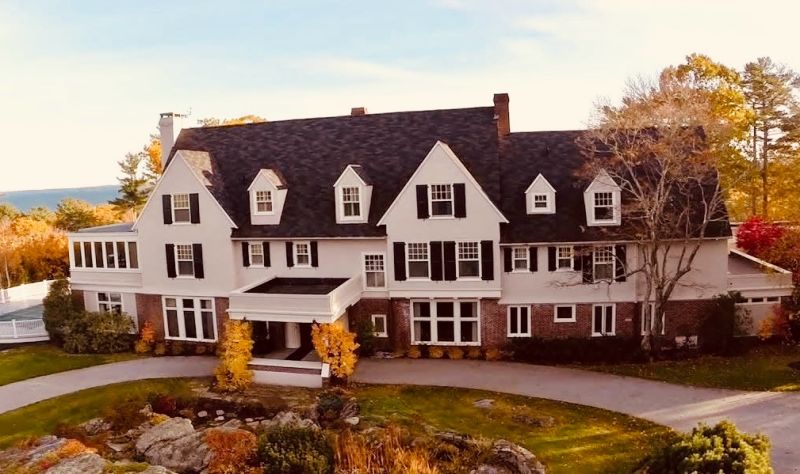
Borden Cottage is a residential treatment center in Camden, Maine, for adults seeking help with substance use and accompanying mental health concerns. Its coastal estate setting, private accommodations, and individually organized clinical care place it within the luxury residential category. The useful distinction is how the stay is structured: the provider describes a multidisciplinary program with individual therapy, medical and psychiatric involvement, family work, and planning for life after discharge. Its official overview locates that work on a former summer estate overlooking the Maine coast.
A coastal residential setting in Camden
Borden Cottage describes a 14-acre property with a main building, guest cottages, and an activity barn used for wellness and recreation. Its facilities page lists a gym, outdoor swimming pool, art and yoga spaces, a music studio, a theater, a bowling alley, and a billiards room. These features provide different ways to spend time outside formal clinical sessions. Outdoor activities mentioned by the provider include hiking, kayaking, cycling, and sailing; their availability should be understood in the context of the season and a resident’s treatment schedule.
The accommodations page describes private bedrooms with en suite bathrooms in the main house and guest cottages. For someone who values time alone between appointments, a private room is a meaningful practical feature. It also makes it sensible to discuss room accessibility, proximity to shared spaces, and any physical limitations before arrival. The published material does not justify assuming that every bedroom has an identical layout or view. Room assignment and the exact accommodation available for a particular admission should be confirmed directly.
Substance use and co-occurring mental health care
The center presents its residential service as treatment for substance use together with related emotional and psychiatric difficulties. On its co-occurring treatment page, it identifies concerns including depression, anxiety, trauma, bipolar disorder, attention difficulties, and obsessive-compulsive symptoms. This is useful evidence of the issues its team considers during assessment. It should not be read as a promise that every presentation, severity level, or combination of diagnoses can be managed in this setting.
A careful referral should describe both the substance use concern and the current mental health picture. That includes existing diagnoses, prescribed medication, recent treatment, and the type of support that has or has not helped before. The value of a co-occurring approach is that these areas can be considered together when developing the plan. Whether Borden is the right level of care remains an individual admission decision. The public description alone cannot establish suitability for a person whose needs are still changing.
How the clinical program is organized
According to its treatment approach, Borden organizes care around assessment, engagement, skills development, integration, and transition. The center describes frequent individual therapy and regular psychiatric and medical appointments, with its multidisciplinary team communicating about treatment. It lists cognitive behavioral and dialectical behavior therapy, mindfulness, and trauma-informed work among its approaches. Neuropsychological assessment is described as available when clinically indicated, so it should not be assumed to be an automatic component of every admission.
The residential treatment description also includes group therapy, psychoeducation, clinical assessment, peer support, and aftercare preparation. A prospective resident can use those categories to ask for an example weekly schedule: how much time is spent in individual appointments, which groups are recommended, and how the plan changes as treatment progresses. A useful schedule should clarify both clinical contact and the spaces between sessions. It can also reveal how a resident’s goals will be revisited during the stay.
Borden includes creative and physical activities alongside its clinical work. These may offer additional ways to engage with the daily routine, particularly for someone who does not want every part of treatment to involve sitting in a consulting room. Their presence does not establish that a particular activity will produce a medical benefit for a particular person. The relevant question is how the team selects activities, connects them to an individual plan, and accommodates residents with different interests, energy levels, or physical abilities.
Peer support and family participation
The provider describes access to more than one form of peer support, including 12-step and other recovery communities. This breadth matters for someone whose previous experience with a particular group was helpful, uncomfortable, or simply not a good fit. When discussing an admission, it is reasonable to explain those experiences and ask how participation is selected. The most useful answer will identify which meetings are available during the actual stay and how the clinical team helps the resident think about support after returning home.
Family involvement is addressed in the admissions FAQ. Borden welcomes family visits and describes opportunities for family or couples sessions, in person or by telehealth, according to the treatment plan and preferences. That flexibility can be useful when relatives live far from Maine or cannot take extensive time away from work. It does not mean every visitor will take part in clinical discussions. Consent, scheduling, and the role of each family member should be established with the team before making travel arrangements.
Length of stay and the admission conversation
The published FAQ states a minimum stay of 45 days and describes stays extending up to 90 days according to clinical needs. A prospective resident should therefore budget time for a program that is longer than a conventional one-month booking. The center’s current recommendation may depend on assessment and progress. It is worth asking when the initial length is agreed, how any extension is discussed, and what happens if the treatment team recommends a different level of care during the admission process.
The admissions page is the appropriate starting point for discussing a particular case. Before traveling, the resident and referring professionals should have a shared understanding of the immediate care needs, the medication plan, and any additional preparation required. An individualized recommendation is especially important when someone is moving from another facility. A scenic destination and private room do not answer questions about clinical readiness; those questions belong in the admission assessment and in communication between the relevant treating teams.
Privacy, devices, and work responsibilities
Borden’s FAQ says residents may use phones and laptops and that work responsibilities can be considered individually. This is a potentially important feature for professionals or business owners who cannot become entirely unreachable. It is best understood as a subject for planning with the team, rather than a guarantee of unrestricted availability. A resident should explain the nature of any work obligation, the hours involved, and whether confidentiality or video meetings create practical requirements before assuming that a normal working week can continue.
The private accommodation offers personal space, while treatment still takes place within a residential community. It is helpful to distinguish those two aspects of privacy. A private bedroom does not mean the entire program is delivered one-to-one, nor does it remove the need to participate in shared activities. Someone considering the center should ask about communication arrangements, visitors, delivery of personal items, and how the team handles outside contact. Specific answers make it easier to decide whether the setting supports a realistic period of focus.
Fees and payment arrangements
Borden’s insurance information identifies it as a private-pay program and says it does not accept insurance as payment. It also describes access to an outside insurance advocate who may assist with seeking reimbursement; the advocate’s fee is separate. These are different financial arrangements. A possibility of reimbursement should not be treated as an insurer’s commitment to cover the stay, and a resident should understand the payment obligation to the center independently of any later claim.
No fixed current treatment tariff was verified on the official pages reviewed for this profile. A written quotation should identify the proposed duration, the services included, any separately billed assessment or outside care, and the terms that apply if the stay changes. Since the published minimum is 45 days, comparing an unverified monthly figure from another website can be misleading. The most useful comparison is between complete, dated quotations for the actual programs under consideration, using the same assumptions about room type, duration, and additional services.
Continuing care after the residential stay
Borden describes a dedicated continuum-of-care role and a personalized transition plan in its treatment materials. Its published approach includes follow-up contact over the year after discharge. This is a concrete feature to discuss, although the frequency, format, and scope of contact should be confirmed for the individual plan. A follow-up conversation with a former residential team is different from an ongoing local therapy or prescribing appointment. The discharge plan should make clear who is responsible for each part of continuing care.
Planning ahead is particularly relevant for residents traveling from another state. They may need to establish a local therapist, psychiatrist, peer community, or another appropriate service before leaving Maine. A useful handover identifies the first appointments and how records will be shared with consent. It also accounts for practical pressures that will resume after discharge, including housing, family relationships, and work. The estate provides the setting for the residential phase; the longer-term plan needs to make sense in the resident’s own circumstances.
Frequently asked questions
Is Borden Cottage still operated by McLean Hospital?
Borden Cottage previously operated in affiliation with McLean. A provider announcement in 2023 states that it transitioned to independent ownership and operation effective October 1, 2023. Current inquiries should be directed to Borden Cottage itself. Older descriptions using the McLean name should not be taken as evidence of the present operating arrangement.
Does every resident receive the same treatment schedule?
The provider describes individualized assessment and planning, including services used when clinically indicated. That means a list of available therapies is not a promise that every resident will receive all of them. Ask which appointments and groups are proposed for the specific admission and how the team reviews that plan over time.
What should be confirmed before reserving a place?
Confirm clinical suitability, the initial length of stay, accommodation, device and work arrangements, family participation, and the complete private-pay quotation. If an outside professional is involved, discuss the handover before travel. These details turn the center’s broad program description into an understandable plan for a particular person.
Explore related treatment options
For further comparison, explore treatment centers in Maine and addiction treatment providers. Review each provider’s clinical setting, accommodation, admissions requirements, and continuing-care arrangements.
Sources
Official provider information reviewed October 20, 2026.