Comparison facts and sources
Adult residential mental health, addiction, and co-occurring conditions with outpatient continuation; no on-site detoxification · Epen, South Limburg, Netherlands
- Published fee information
- Quote required
- Before admission
- Official pages differ: the homepage describes six weeks inpatient, potentially followed by eight weeks outpatient; dedicated English admission and approach pages describe seven or nine inpatient weeks. Confirm the applicable pathway in writing.
- Continuing care
- Outpatient continuation, future development planning, and online support are described. Confirm the individual schedule, length, format, international availability, prescribing arrangements, and charges.
Source record · 2026-10-20
Official provider information checked October 20, 2026.
- U-center: Current Treatment Overview
- Treatment and Communications Locations
- The Epen Treatment Center and Facilities
- Multidisciplinary Treatment and Outpatient Continuation
- Clinical Admission and Residential Pathway
- Costs, Insurance, and Supplemental Contributions
- Eligibility, Language, and Practical Questions
- Addiction Treatment and Detox Eligibility
Luxury rehab comparison · Fees and inclusions · Selection methodology
U-center provides residential treatment for adults with mental health conditions, addiction, and combinations of these concerns in Epen, the Netherlands. Its model brings several areas of difficulty into one treatment plan, followed by outpatient continuation where appropriate. The setting offers private bedrooms and hotel-style amenities within a shared treatment community. This makes U-center a relevant option for someone seeking structured clinical work in a comfortable environment. Explore U-center’s current overview.
Three details deserve attention before an admission: residential treatment takes place in Epen, the published program lengths differ between official pages, and a frequently quoted €5,000 contribution is a specific insurance-related supplement. None of these details should be replaced by assumptions based on a general luxury-rehab description. The practical decision depends on the proposed clinical pathway, full cost, and arrangements for continuing care at home.
The residential clinic in Epen
The treatment center is at Julianastraat 23A, 6285 AH Epen, in South Limburg. U-center separately operates a communications center in Driebergen for inquiries and admission coordination. Driebergen is not the residential treatment location. Confirm the Epen arrival instructions when arranging transport or accommodation for accompanying relatives. Check U-center’s official locations.
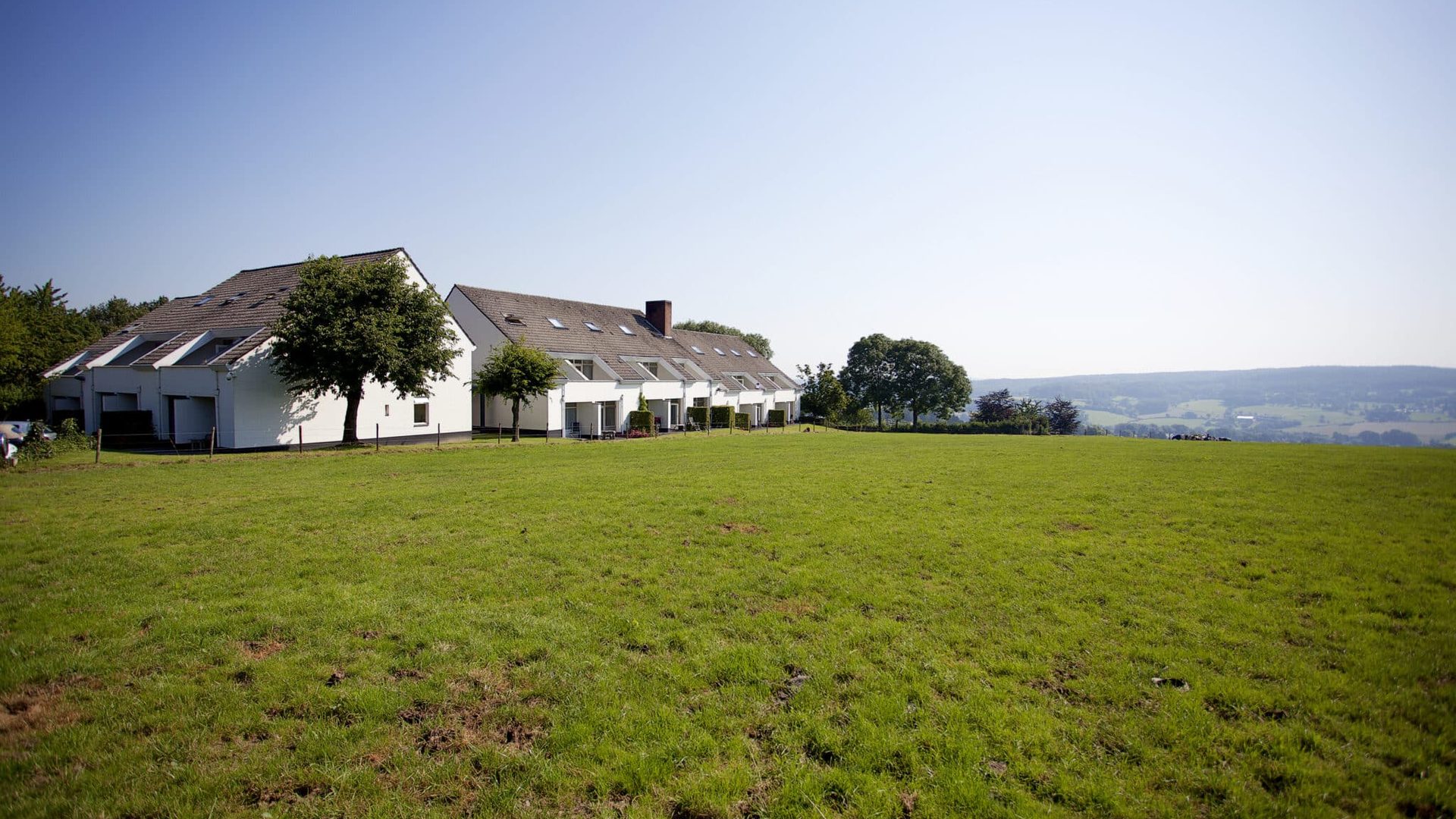
The Epen clinic occupies a former hotel on a hillside overlooking the Geul valley, near Maastricht. The provider describes a restaurant serving fresh meals, a swimming pool, sauna, gym, lounge, creative spaces, and terraces. These amenities support the residential experience, while the clinical timetable remains the reason for the stay. View the Epen treatment center.
When evaluating the setting, consider how it fits the person’s daily needs. Ask about access between bedrooms, dining areas, and therapy rooms, particularly if fatigue or mobility difficulties matter. Someone who wants a quiet room can explain that preference before a room is assigned. A private bedroom offers personal space, but dining, activities, and parts of treatment involve other patients.
Who can be considered for treatment?
U-center’s published focus includes depression, anxiety, trauma, personality-related problems, addiction, and multiple diagnoses. Admission is voluntary. Its FAQ states that patients must be at least 18 and have sufficient command of Dutch or English for treatment. It also describes limits where a person requires intensive daily physical care or repeated hospital visits. Clinical screening is needed to establish suitability. Read the eligibility and language information.
The admissions process includes an introductory conversation and digital questionnaires. A treatment plan is developed from the assessment, with medical screening at the beginning of the admission. Prospective patients should prepare previous treatment records, current medication information, and a clear account of what has and has not helped before. Review the admission pathway.
For a person with several concerns, a useful question is which problems the team proposes to address together and which may need another service. The answer should describe responsibilities, priorities, and the first stage of care. It should also explain how progress will be reviewed, rather than relying on a broad list of conditions that the clinic treats.
Addiction and co-occurring mental health needs
The addiction service covers substance-related problems involving alcohol, drugs, or medication, as well as behavioral difficulties such as gambling and gaming. U-center describes attention to the relationship between addictive behavior, psychological symptoms, lifestyle, relationships, and the person’s history. Its published approach combines individual work, groups, and involvement of loved ones where relevant. Read the addiction treatment information.
The same page states that treatment begins after physical dependency has resolved. Its detox FAQ explicitly says U-center does not provide detoxification and that some people need this elsewhere before admission. Anyone who may need withdrawal management should discuss the sequence with the admissions team and their treating clinician. This profile should not be interpreted as an offer of on-site medical detox.
Where another service is needed first, ask who coordinates the transfer, which discharge records are required, and how admission timing is confirmed. A clear handover matters more than simply reserving a room. The person should know what needs to be completed before traveling and how the proposed U-center program connects with that earlier care.
Individual therapy, groups, and the daily structure
U-center describes a multidisciplinary approach with individual and group treatment. Its method pages name cognitive behavioral therapy, EMDR, schema therapy, psychoeducation, lifestyle work, and online support. These are components from which a plan may be developed; the public menu does not establish that every patient receives every method. Explore the treatment approach.
The illustrative schedule places therapeutic work in morning and afternoon blocks, with meals, breaks, and evening time around them. Ask for a sample week that distinguishes individual psychotherapy, group sessions, assessments, physical or creative activities, and independent work. That makes it easier to understand the actual intensity than a single total of scheduled hours.
For international patients, language arrangements should be specific. Confirm the language of the intended group, individual therapy, written materials, and conversations with clinical staff. Fluency sufficient for everyday travel may feel different from discussing distress or working through exercises. Admissions can explain the level of participation expected and whether the proposed group is appropriate.
How long is the program?
The current official homepage describes six weeks of inpatient treatment, potentially followed by eight weeks of outpatient care. The dedicated English admissions and approach pages describe an inpatient period of seven or nine weeks before outpatient continuation. Because the public descriptions differ, a single standard duration cannot be stated confidently for every applicant. Compare the homepage program description with the English admission information.
Ask the communications center which pathway applies to the proposed admission and have the dates included in the written plan. Clarify whether outpatient appointments are part of the same package, when reviews occur, and what happens if the recommended duration changes. Work leave, insurance authorization, and return travel should be based on those confirmed arrangements.
Rooms, shared spaces, and personal privacy
The admissions information describes private bedrooms with private bathrooms. The treatment-center page presents communal facilities and areas for relaxation alongside the clinical setting. U-center’s comfort offering therefore includes personal accommodation within a larger residential program; it is not described as a villa reserved for one client. Review the accommodation and facilities.
Ask which room is available, how housekeeping works, and whether particular dietary or accessibility requirements can be met. Discuss phone, computer, and work expectations before arrival, since a residential timetable may require changes to normal routines. A person hoping to manage a business during treatment should obtain a realistic account of available time and applicable house rules.
Costs, insurance, and the €5,000 supplement
No complete current self-pay treatment price was verified in the official material reviewed. The cost page explains that insurance reimbursement depends on the person’s country and policy. It publishes a €5,000 supplemental contribution for international clients who have Dutch health insurance. That contribution covers additional services and activities; it is not the total price of an inpatient stay. Read the official costs and insurance guidance.
The described extras include access to facilities and selected movement, wellness, or creative activities, subject to availability. The page says the contribution is indexed annually and identifies personal services such as hairdressing, beauty treatments, and pedicures as additional charges. The current applicable amount and included services should be confirmed for the admission date.
Request a full written financial proposal that separates insured clinical treatment, accommodation, supplements, optional services, and outpatient continuation. Ask the insurer to confirm its contribution directly, including any authorization period or personal liability. A supplementary charge cannot be converted into a meaningful weekly or monthly treatment rate without knowing the underlying bill.
Continuing care after Epen
U-center describes preparing a future development plan during treatment and continuing work with a therapist after the residential phase. Its online tools include modules, diaries, messaging, and video contact. The intended purpose is to connect work in the clinic with routines and support after discharge. Read about outpatient continuation and online support.
Before leaving, establish the number, frequency, and format of planned appointments. Patients returning abroad should clarify time zones, prescribing arrangements, record transfer, and which local professional will provide any care that cannot be delivered remotely. Ask who to contact between appointments and what happens when the planned outpatient period ends. The published continuation model does not establish unlimited follow-up.
Family involvement and arrival planning
The FAQ says information is shared with relatives only with the patient’s written consent. It also describes weekend visiting arrangements and states that patients cannot have their own motorized transport during the Epen stay. Confirm current visiting hours and travel guidance before arrival, especially if a relative plans to stay nearby. Check practical questions about the stay.
Agree what family participation is intended to achieve and who will take part. A relative may need a separate conversation about practical support, while joint therapeutic sessions need their own preparation. Clarify the boundaries of consent so that everyone understands what can be discussed and how the patient can change those arrangements.
Frequently asked questions
Is U-center located in Driebergen?
The residential treatment center is in Epen. Driebergen is the communications and admissions location. Use the Epen instructions supplied with the admission confirmation when planning arrival.
Does U-center provide detox?
The official addiction FAQ says it does not provide detoxification. Where this is needed, the admission sequence must include appropriate care elsewhere before the U-center treatment program begins.
Is €5,000 the full residential fee?
No. It is a published supplement for a defined group of international clients with Dutch insurance. Obtain an individual estimate for the total clinical and residential cost.
What should be settled before committing?
Confirm clinical eligibility, any pre-admission care, treatment language, the applicable duration, the full financial agreement, and outpatient arrangements. Those details make the Epen program understandable and allow a useful comparison with other residential options.
Explore related treatment options
For further comparison, explore treatment centers in Netherlands and depression treatment providers. Review each provider’s clinical setting, accommodation, admissions requirements, and continuing-care arrangements.
Sources
Official provider information checked October 20, 2026. Services, availability, and fees should be confirmed directly.
- U-center: Current Treatment Overview
- Treatment and Communications Locations
- The Epen Treatment Center and Facilities
- Multidisciplinary Treatment and Outpatient Continuation
- Clinical Admission and Residential Pathway
- Costs, Insurance, and Supplemental Contributions
- Eligibility, Language, and Practical Questions
- Addiction Treatment and Detox Eligibility