Windmoor Healthcare of Clearwater

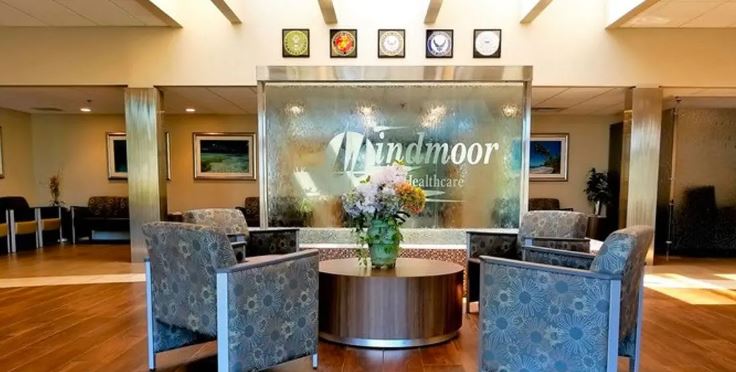
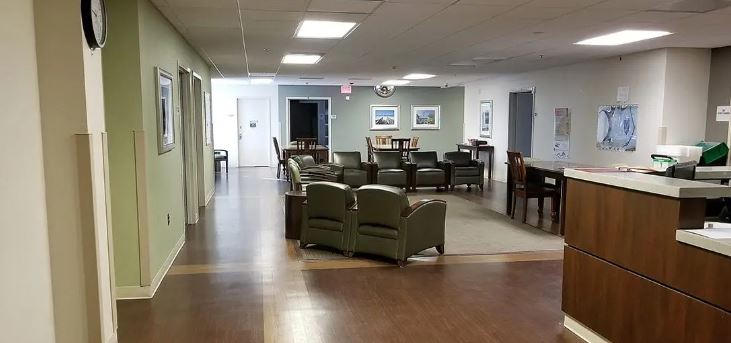
Windmoor Healthcare of Clearwater 3 photos
Windmoor Healthcare of Clearwater is a behavioral-health hospital serving adults and older adults in Clearwater, Florida. It provides inpatient and outpatient treatment for psychiatric conditions, substance-use disorders and co-occurring conditions. Admission and level of care are determined through a clinical assessment.
The Clearwater hospital offers psychiatric inpatient care, substance-use and dual-diagnosis stabilization, crisis stabilization and electroconvulsive therapy. Adult PHP and IOP services are available in Clearwater and at a separate Tampa outpatient location. Windmoor is a hospital rather than a private residence; inpatient length varies with medical necessity, and its aftercare network and community resources support continuing care.
A hospital admission starts with the level of care
Windmoor’s inpatient overview describes psychiatric hospital treatment with a length determined by medical necessity. It lists substance-use and dual-diagnosis care, crisis stabilization, and electroconvulsive therapy among its services. Admission follows a level-of-care assessment; the outcome may instead be a recommendation for outpatient care.
This distinction is useful when comparing Windmoor with a longer residential rehabilitation program. The relevant question is what the patient currently needs from a hospital, what the immediate treatment goals are, and what support should follow. A hospital’s list of services does not mean that every person receives each intervention or stays for a standard number of days.
Ask which program would receive the patient, who coordinates treatment, and how existing clinicians will be involved. Explain medical needs and previous treatment so that the team can assess suitability. Discharge planning should identify the next clinical contact, medication arrangements, and practical support outside the hospital. A recommendation to use the aftercare network should be translated into named services and accepted appointments, rather than treated as a complete continuing-care plan on its own.
What the admissions assessment involves
The admissions guide says patients are assessed for medical stability and the appropriate degree of care shortly after arrival. It describes vital-sign checks, a urine sample, review of medication, secure storage of belongings, and a noninvasive body assessment. Staff use this information to determine whether Windmoor can appropriately treat the person.
The provider also describes tele-assessments and around-the-clock crisis assessments by appointment, asking referring teams to call ahead. These access routes are not a guarantee of an immediate bed or a particular service. Confirm how the assessment will happen and what the receiving staff need before arranging a planned arrival.
Tell the team about a healthcare proxy, advance directive, or guardian, as well as relevant existing clinicians. Ask how information-sharing permissions work and how the patient can raise concerns about the assessment. If another hospital is arranging the transfer, clarify who confirms medical suitability, transportation, and handoff of records. Someone with an immediate medical or psychiatric emergency should receive urgent appropriate care rather than wait for an ordinary referral or an unanswered online message.
The adult dual-diagnosis program includes detox assessment
The dedicated substance-use and dual-diagnosis page describes care for adults eighteen and older with co-occurring psychiatric and substance-use concerns. It explicitly includes medically assisted detox, with nursing checks around the clock and medication when clinically appropriate. The published five-to-seven-day treatment-goal estimate can be longer in complex cases.
That estimate belongs to the inpatient program, not the entire recovery process. Ask how withdrawal risks, current prescriptions, medical conditions, and psychiatric symptoms will be assessed together. Existing medication treatment requires a clear plan; do not assume that every admission involves stopping a prescription or following the same withdrawal timetable.
The page describes adjusting the pace when early withdrawal makes participation difficult, then introducing the next clinical work as appropriate. Listed methods include dialectical behavior therapy, motivational interviewing, trauma-focused work, and structured recovery groups. Confirm the treatments proposed for this patient and the actual appointment schedule. Before discharge, identify the next provider, prescription arrangements, and continuing addiction or psychiatric care. Completing inpatient stabilization does not automatically establish that every longer-term need has been addressed.
Crisis stabilization focuses on immediate clinical needs
The crisis-stabilization program describes intensive, short-term support for severe psychiatric symptoms and safety concerns. Examples include psychotic episodes, hallucinations, major mood difficulties, and thoughts of harming oneself or others. These are reasons for an urgent professional assessment, not a checklist that confirms a routine rehabilitation booking.
The page discusses physician-directed treatment involving medication, case management, and individual, family, or group work. It also lists medication education, discharge groups, recreational therapy, and other structured activities. Ask which parts apply to the person’s plan and how the team will review changes in symptoms and support needs.
The purpose of the next-step discussion is to establish what can be managed safely outside the hospital and what assistance is required. Family involvement depends on the person’s circumstances and appropriate consent. Clarify the receiving outpatient service, clinical follow-up, and the route for reassessment if concerns increase. A short-term crisis program should not be described as a fixed long-term residence or as proof that every advertised outpatient service is immediately suitable after discharge.
Partial hospitalization is a weekday treatment program
The PHP page describes a weekday program for adults eighteen and older. It lists five therapy groups per day, with psychiatric oversight of medication and group work led by mental health professionals. Current admission, the precise timetable, and the receiving location should be confirmed with the outpatient team.
Published group topics include coping with stress, relationships, grief, boundaries, understanding a diagnosis, and building support. The program also describes groups for people with co-occurring substance-use needs. A broad topic list does not mean each person receives every group in the same week or that group time equals an individual psychiatric consultation.
PHP can follow hospital care or be considered after assessment without assuming a previous inpatient admission is required. The patient needs a workable overnight arrangement and transportation for the actual schedule. Ask how medication, clinical concerns between visits, and changes in intensity are handled. If IOP is proposed afterward, confirm its separate attendance and authorization requirements. Progress through the provider’s continuum should follow individual need, rather than become an automatic sequence that everyone must complete.
Resolve the conflicting IOP schedule before enrollment
The dedicated IOP page describes six hours of group treatment per day. The outpatient overview instead describes five days and three groups a week for IOP. These descriptions do not establish one consistent timetable. Request the current days, hours, number of groups, and appointment types for the proposed program.
The overview identifies separate Clearwater and Tampa outpatient locations and says previous inpatient admission is not required. Confirm which location is accepting the patient. A shared program name does not establish identical staffing, scheduling, or availability at both sites.
The dedicated IOP page describes group work, medication review, and support for co-occurring mental health and substance-use concerns. It is intended to help people apply skills while returning to ordinary life. Discuss the home environment, transport, work, and caregiving against the confirmed schedule. An outpatient service does not provide overnight hospital supervision. Ask who will reassess the plan if symptoms become more difficult, and arrange any prescription handoff or first appointment before leaving a previous level of care.
Outpatient ECT is located in Clearwater
The outpatient ECT page identifies Clearwater as the treatment location. It describes psychiatric and medical evaluation, anesthesia clearance, and a discussion of benefits, risks, alternatives, and consent before treatment. The presence of a Tampa outpatient office should not be taken to mean ECT is performed there.
The provider describes an initial course commonly involving several treatments each week, with the actual course and any later maintenance sessions individualized. Its published operating window is Monday, Wednesday, and Friday mornings. Confirm the appointment, arrival time, and expected recovery period rather than assume the whole process takes only the procedure’s brief duration.
The page discusses confusion, memory or concentration changes, headache, nausea, and other possible effects. Ask the treating team to explain the individual risk assessment and what to report afterward. Obtain preparation and medication instructions directly from those clinicians. A responsible adult must accompany the patient home after same-day discharge. Clarify transport, support after treatment, the usual prescriber’s involvement, and any authorization or separate charges before beginning a planned course.
Prepare belongings for a hospital setting
Windmoor’s packing instructions ask patients to bring five changes of clothing and identify restrictions intended for the hospital environment. Items that can form a ligature, including belts, shoelaces, and scarves, are prohibited. Clothing displaying alcohol, drugs, or gambling is also restricted.
The list excludes recording devices, cameras, certain grooming items, outside blankets and pillows, and opened food or cigarette packages. Ask for the current instructions before arrival rather than bring a larger collection of belongings that staff cannot accept. Explain any essential disability-related item or medical equipment so the receiving team can advise on an appropriate arrangement.
A hospital packing list is separate from medication instructions and the clinical decision about treatment. Confirm how to provide prescription information and what staff need from the usual pharmacy. Also ask how valuables are stored, how family can supply permitted items, and how communication works during the stay. These practical details can be planned in advance, while any urgent need for assessment should take precedence over having every item ready.
The Business Office assesses payment options individually
The financial information page says the Business Office checks eligibility and estimates patient responsibility. It lists insurers and funding routes including Medicare, TRICARE, and VA benefits. The actual policy, program, authorization, and personal charges still require verification; a listed payer is not approval of every proposed service.
For people without coverage, the provider describes a financial assessment to consider charity care or other arrangements. It says there are no standard discounts, although an individual payment plan may include a reduction. Eligibility for charity care is assessed, not guaranteed by making an inquiry.
Request the estimated hospital bill and ask about professional, medication, transport, or other charges that could be separate. If the plan includes PHP, IOP, or ECT afterward, establish those financial terms independently. Ask what documents are needed, when a funding decision will be communicated, and what happens if treatment length or authorization changes. A public service-bundle estimate is not a personalized quote. The goal is a clear explanation of the accepted arrangement before a planned admission or outpatient start.
Official Windmoor pages were reviewed through current indexed retrieval on October 19, 2026; direct website access was restricted. The retrieved pages carry differing outpatient schedule descriptions. Confirm the receiving location, current timetable, clinical eligibility, funding and availability directly. This profile does not set an individual hospital stay or treatment course.
Related guides: co-occurring mental health and substance-use care and depression treatment.
Windmoor lists 11300 U.S. 19 North, Clearwater, FL 33764 and a main number of +1 727 541 2646. The provider says it accepts most insurance policies, including Medicare and TRICARE, and its Business Office checks eligibility and estimated patient responsibility; professional and ambulance services may be billed separately. Sources checked October 13, 2026.