WhiteSands Treatment

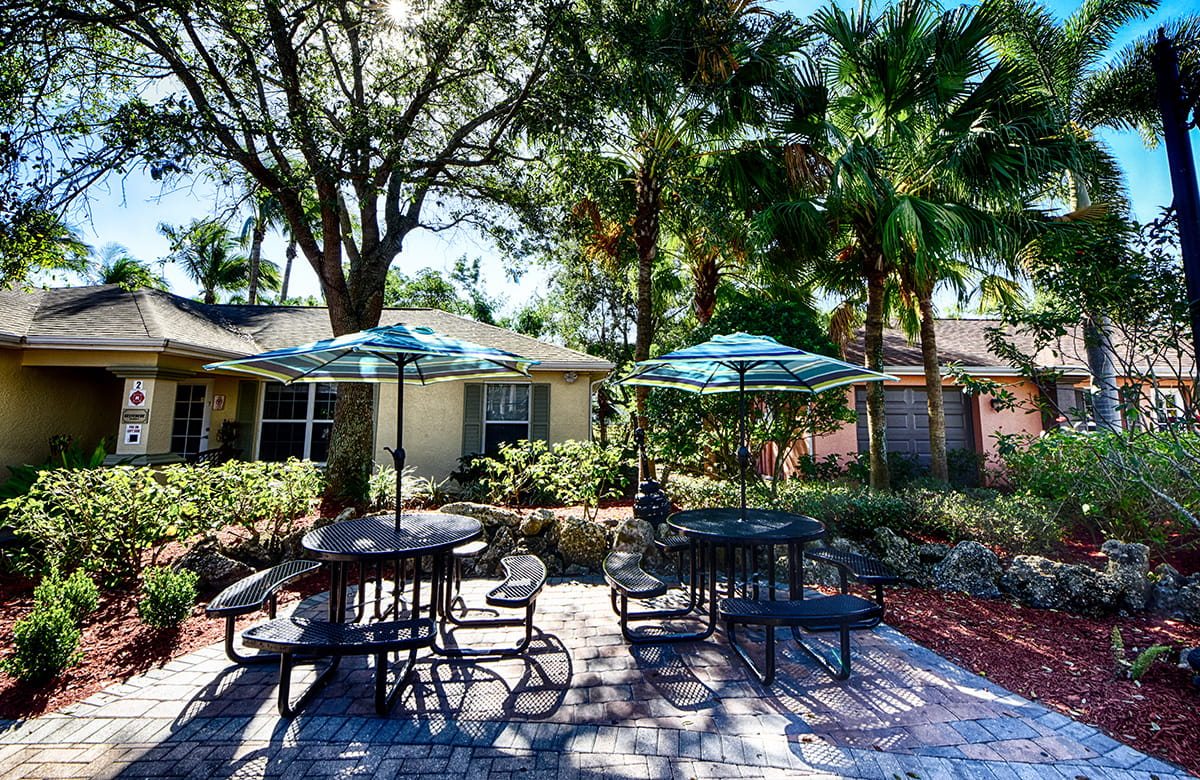

WhiteSands Treatment 3 photos


WhiteSands Treatment Fort Myers is an adult addiction-treatment campus at 1820 Colonial Boulevard, Fort Myers, Florida. It is one location in a wider Florida network, so services at other WhiteSands offices should not be assumed to be available at this campus. The current Fort Myers pages describe medical detox, residential inpatient treatment, day/night partial hospitalization, intensive outpatient, standard outpatient and medication-assisted treatment.
The campus treats alcohol, opioid and painkiller, fentanyl, cocaine, methamphetamine, benzodiazepine and prescription-stimulant or sleep-medication problems, with on-site psychiatry for co-occurring depression, anxiety, PTSD and bipolar disorder. Current materials also describe CBT, DBT, EMDR, medication management, recovery coaching, family support and alumni transition services. Adults are housed in private rooms; later phases may use on-property recovery residences.
Confirm the Fort Myers campus details before booking
The Fort Myers campus page identifies the adult program at Colonial Boulevard and distinguishes it from Plant City. Its campus comparison describes about 45 patients in Fort Myers villas and assigns the 10-acre athletic campus to Plant City. However, the separate Fort Myers facility page still describes 10 acres, 72 beds and nine homes. Those published figures do not establish one consistent current capacity.
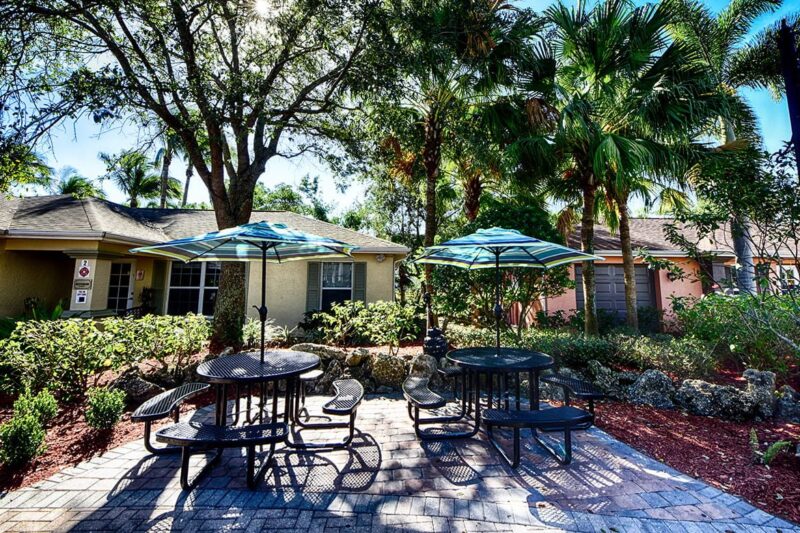
Ask admissions which building and program you would enter, whether any stage requires a transfer, and which accommodation and recreational facilities belong to that address. Request the current room arrangement rather than relying on network photographs. A stated number of beds is also different from an available, clinically suitable place on your arrival date. These questions are particularly useful when comparing Fort Myers with another WhiteSands location.
What the detox assessment should establish
WhiteSands’ Fort Myers detox page describes medical assessment, monitoring, medication management and support during withdrawal. The assessment considers substance use, medical history and co-occurring mental health concerns. The practical question is which withdrawal-management setting can meet the person’s actual needs, including complications that may require a hospital.
Provide an accurate list of substances and prescribed medications, when they were last taken, previous withdrawal difficulties and any current health concerns. Ask who reviews that information before travel, what monitoring is available overnight and how staff arrange a transfer if needs exceed the program’s resources. Do not use a website’s general detox description to change medication or plan withdrawal independently.
The provider presents detox as preparation for further treatment. Before admission, clarify the proposed next step, whether a residential place has also been assessed, and whether authorization or payment arrangements must be renewed when the level of care changes.
The residential routine and transition to day treatment
The levels-of-care guide gives a residential example of 21–28 days, with two individual or family sessions weekly, daily Life Skills Guide check-ins, daily nursing evaluation, and medical and psychiatric appointments at least weekly. These are published program descriptions, not a fixed prescription for every patient.
The guide also describes daily planning around sleep, exercise, therapy and nutrition. A useful admissions discussion is how those activities fit around individual treatment goals and how progress changes the plan. Ask which sessions are individual, which are groups, and how family involvement is agreed.
For PHP, the same page describes five hours of groups daily and uses both six-day and five-to-six-day weekly descriptions. Participants may live at home or use provider housing. Confirm the actual weekly timetable and accommodation arrangement for the assigned track. Moving to PHP changes the clinical schedule; it does not automatically mean that lodging, transport or payment arrangements remain identical.
Mental health IOP while living in the community
The dedicated mental health IOP page describes adult day and evening tracks, generally around three hours a day on three to five days weekly. It gives six to twelve weeks as a common course while emphasizing individual goals and progress. This is the mental health program’s description; confirm the timetable for a substance use or combined-care referral.
Its listed components include groups, individual sessions, psychiatric follow-up when indicated, case management and skills practice between visits. The page names symptom questionnaires used to inform care, but questionnaire use alone does not establish a particular recovery rate.
Ask for a written first-week schedule, the frequency of individual appointments and the process for contacting the team between sessions. Someone returning to work or caregiving should also discuss travel time and a realistic attendance plan. Active withdrawal or unstable symptoms may prompt assessment for a different level before outpatient participation.
Medication support for opioid use disorder
WhiteSands’ Fort Myers Suboxone clinic page describes medication-assisted treatment alongside counseling and behavioral therapies. It discusses both short-term withdrawal support and longer-term maintenance, with duration based on individual need. A medication consultation is therefore different from assuming that everyone follows the same taper or ends medication at discharge.
Tell the intake team about an existing prescriber and current prescriptions. Ask whether the proposed program can continue them, who makes prescribing decisions, which appointments are required and how prescriptions are managed when you change levels or return home. These details should be settled with the clinical team before altering treatment.
The page also describes support when alcohol and opioid problems occur together, as well as family education. Ask how the team addresses both conditions within one plan and which family members can participate with permission. A list of medication services does not confirm that a particular medicine is appropriate for an individual.
Clarify the mental health treatment being offered
The behavioral health page describes psychotherapy, psychiatric medication management, individual and group counseling, and family work. It names approaches such as CBT and DBT, with complementary activities including yoga, meditation and nutritional counseling. The relevant comparison is the actual clinical plan, rather than how many therapies appear in a list.
Explain whether the main concern is substance use, a mental health condition, or both. Ask which Fort Myers track treats that combination, whether the proposed clinician provides the particular therapy being discussed, and how often it is scheduled. A broad website list should not be read as confirmation that every condition or level of psychiatric acuity is accepted.
For someone already receiving mental health care, discuss consent for communication with existing clinicians and the plan for follow-up after discharge. Clarify how medication monitoring and psychological treatment work together, and how the team responds if the person’s needs change.
Understand the clinical and support roles
The Fort Myers staff page describes a multidisciplinary team of medical and psychiatric providers, nurses, psychologists, therapists, addiction counselors and behavioral health technicians. It identifies medical and clinical leadership across WhiteSands facilities, so a network leadership biography should not be assumed to mean that person conducts every local appointment.
Ask who will assess you, who is assigned as the primary therapist and who handles medication questions. The page describes at least weekly medical and psychiatric contact during residential care and continuous support from nursing and behavioral health staff. Confirm the actual coverage for the intended unit and how an urgent concern reaches an appropriate clinician.
It is useful to distinguish a scheduled psychiatrist visit, a nurse’s assessment and support from a behavioral health technician. Those roles contribute different services. Request details about continuity when moving from residential care to outpatient treatment, including any change in therapist or prescriber.
Prepare belongings and agree on family communication
The provider’s Fort Myers FAQ recommends practical clothing, alcohol-free personal hygiene products, reading or writing materials, insurance information and relevant medical records. Prescriptions should arrive in their original containers for staff review. It also describes designated smoking areas and the option to discuss smoking cessation with the medical team.
Ask for the current program-specific packing list before purchasing supplies. Clarify storage, approved purchases and any restrictions that apply during detox or a particular treatment phase. Bringing a prescription does not replace the team’s medication review, so raise continuity questions before arrival.
The FAQ says staff require the patient’s disclosure authorization before giving a relative progress information. Discuss who may receive updates, what may be shared and how to change those permissions. Family education or counseling is a separate decision from simply being named as an emergency contact. Agree on a practical contact plan rather than assuming relatives can obtain updates whenever they call.
Check access to amenities and everyday activities
The amenities page describes outdoor common areas, exercise facilities, meals, recreation and spaces for family contact. It also says access varies by level of care. That makes the assigned program’s daily rules more useful than a general promise that every amenity is available throughout a stay.
Ask about mobility access to the actual bedroom, bathroom and treatment rooms, since the page describes wheelchair access throughout much of the property rather than every space. Discuss dietary needs, medically appropriate exercise and whether an activity requires additional approval or payment. Recreational choices should support a workable daily routine without being mistaken for clinical treatment.
The page contains device-use and family-visit information alongside differing property descriptions. Obtain the current written phone, internet and visiting policy from the admitting team. Someone relying on evening contact with children or an employer should confirm that arrangement for the specific phase before committing to a stay.
Arrange continuing support before discharge
The Fort Myers alumni program describes peer connections, follow-up contact, recovery activities, family resources and a buddy arrangement linking recently discharged clients with other alumni. These are useful topics for discharge planning, but they do not replace individually arranged therapy, prescribing or other clinical follow-up.
Ask who introduces you to the alumni team, how contact works if you live elsewhere and what happens if you need another clinical assessment. Request the current meeting calendar: the page retains examples of events from 2017–2019, which should not be treated as upcoming activities or proof of today’s schedule.
A practical discharge plan should identify the next appointment, who manages prescriptions, the preferred support contacts and any outpatient attendance commitments. Confirm which alumni services are included and which clinical services require a separate booking or benefits check. Continued connection can be part of the plan without being presented as a guarantee against relapse.
The Fort Myers admissions number is 239-237-5473. WhiteSands describes detox as generally 5–10 days with an average stay of seven days, a structured 30-day residential example, and IOP attendance of about three hours a day on three to five days per week; individual plans vary. The provider states that Fort Myers accepts private insurance and does not accept Medicaid, while benefits and patient cost require verification. Sources: Fort Myers campus, facility and levels of care, mental-health IOP and levels of care, checked 2026-10-13.