We Level Up Treatment Centers
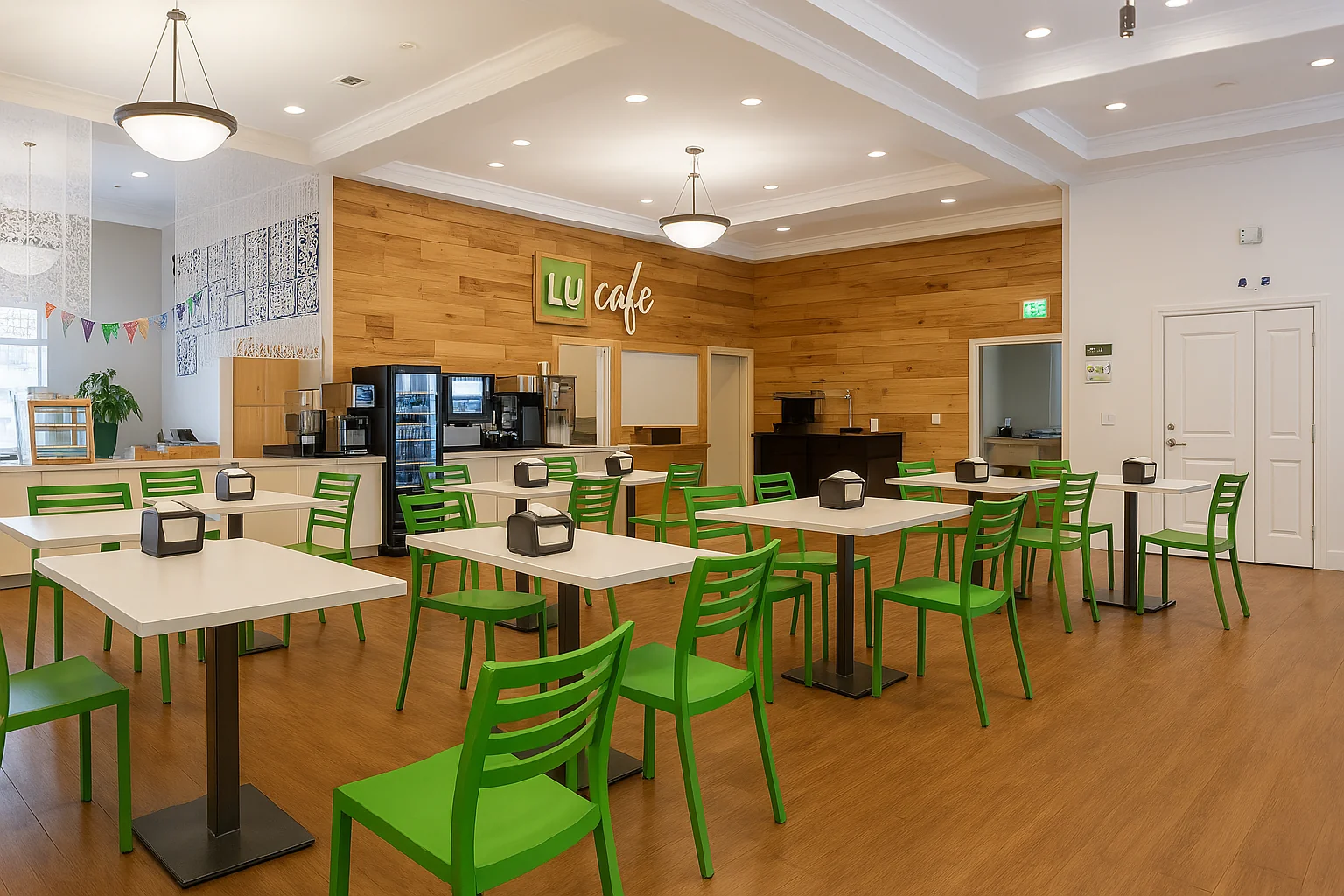


We Level Up Treatment Centers 3 photos

We Level Up is a multi-state network of addiction and mental-health treatment facilities, not a single New Jersey clinic. Program type and clinical scope vary by location.
Network services
The network publishes medical detoxification, residential addiction treatment, inpatient mental-health care and dual-diagnosis services. Its current locations include facilities in Florida, New Jersey, Washington, California and Texas. A service described at one campus should not be assumed to be available across the network.
The national hotline is 844-597-1011. The provider offers insurance verification and says many plans are accepted, but coverage, the treating campus, program length and client costs require individual confirmation. No universal weekly price is published.
Start with the specific campus and clinical purpose
The current locations directory identifies seven treatment destinations: Lake Elsinore in California; Lake Worth, Tamarac, and West Palm Beach in Florida; Lawrenceville in New Jersey; Spokane Valley in Washington; and Kingwood in Texas. The locations have different clinical descriptions and should not be compared as though they offer an identical package.
A useful inquiry identifies whether the main need is addiction treatment, primary mental health care, or both. Ask which campus is being recommended and why its resources fit that need. Confirm the actual address before arranging travel, especially when the central admissions team coordinates across states. A city mentioned in a network article can describe an area served rather than another physical facility. Likewise, a network-wide list of detox, residential, PHP, and IOP services does not establish that every one is provided at every location. The proposed care plan needs a named receiving program.
Lake Elsinore focuses on addiction and co-occurring care
The California campus describes primary addiction treatment with co-occurring mental health support. It identifies medical detox, residential addiction care, individual and group therapy, and alumni support at its Lake Elsinore location. Those descriptions should remain separate from the network’s primary mental health campuses.
Ask which level is proposed at arrival and whether withdrawal assessment is needed before therapy begins. The provider describes ongoing clinical support during detox, but an admission still requires review of the person’s medical and psychiatric needs. Confirm what happens if a different setting is necessary and how subsequent care is arranged. A renovated facility or list of amenities does not establish private-room occupancy, exclusive treatment, or a guaranteed outcome. The practical comparison should cover the actual clinical plan, room arrangements, daily schedule, and the services included in the estimate.
Lake Worth has its own addiction-treatment setting
The Lake Worth provider site describes medical detox, inpatient addiction treatment, and care for accompanying mental health conditions. It gives 9935 Palomino Drive as the treatment address. Its stated focus is substance use, even though mental health support forms part of the wider approach.
Confirm whether the referral is for detox, residential treatment, or another arrangement and how the team coordinates the next stage. Someone comparing Lake Worth with Tamarac or West Palm Beach should ask about the clinical reason for the recommendation rather than choose solely by distance or room photographs. The site describes family and alumni support, but those services need to be distinguished from individual clinical appointments and their charges. A planned transfer should identify the responsible team, medication information needed, and the accepted arrival date. Network membership alone does not guarantee identical services or immediate availability.
Tamarac is presented as a mental health center
The Tamarac campus describes primary mental health treatment with support for co-occurring conditions. It lists concerns including depression, anxiety, bipolar disorder, and schizophrenia, alongside behavioral and other therapeutic approaches. The provider describes a nursing and behavioral team available around the clock.
Those statements are specific to the Tamarac clinical setting. They should not be used to assume that every person referred through the network receives the same level of supervision or that a primary mental health admission includes an addiction detox service. Ask how the team evaluates medical needs, current medications, safety, and the ability to participate in treatment. The plan should explain which therapies are proposed and how individual contact fits around groups. A list of diagnoses does not establish suitability for every level of severity. Confirm the actual acceptance criteria, room arrangements, expected reviews, and continuing care before a planned admission.
West Palm Beach is a separate mental health destination
The West Palm Beach site describes mental health care at 1017 North Olive Avenue. It lists behavioral therapy, co-occurring care, and approaches such as cognitive behavioral and dialectical behavior therapies. Nursing and behavioral staff are described as available around the clock within the treatment setting.
Although the site shares the We Level Up name with Tamarac, it is a different physical destination. Ask which program has assessed and accepted the referral and whether the proposed treatment is available there now. Also clarify the schedule for individual appointments, group participation, medication review, and family communication. Published language about complex conditions does not mean every medical or psychiatric need can be accommodated. A plan should explain the service’s limits and the next steps if more intensive assessment is needed. Room photographs and catered-meal descriptions are practical features, not evidence of one-client care or particular treatment results.
Lawrenceville describes both mental health and substance-use programs
The current Lawrenceville site explicitly describes two adult treatment areas: mental health care and substance-use or co-occurring care. It lists detox, residential treatment, partial care, and IOP within its continuum. This local description is broader than a network listing focused mainly on addiction.
Some wording on the local page labels a service outpatient while also describing round-the-clock care. Confirm the exact program and overnight arrangements rather than using that label alone. Ask whether the proposed placement is residential, PHP, or IOP, what attendance is required, and where the person lives outside sessions. The published range of residential durations is not an individual prescription or a promise of coverage. A written proposal should name the receiving program, clinical responsibilities, expected reviews, and transition arrangements. That allows an informed comparison without treating every local service description as one interchangeable course.
Spokane Valley emphasizes primary psychiatric care
The Washington campus describes a Spokane Valley mental health setting with primary psychiatric treatment and secondary co-occurring substance-use care. Its published examples include depression, anxiety, bipolar disorder, and schizophrenia. It also describes residential treatment, nursing and behavioral support, and catered meals.
That focus differs from selecting an addiction program primarily for withdrawal management. Ask how active substance use or a need for detox affects the proposed admission and whether another service must be involved. The clinical team should explain the treatment setting, participation requirements, medication arrangements, and limits of medical support. A website reference to serving people from other states does not establish acceptance, benefit coverage, or practical suitability for interstate travel. Confirm the receiving address and a plan for ongoing appointments near home before departure. Specific services should be verified at Spokane Valley rather than inferred from another campus’s detox or outpatient description.
Kingwood lists both addiction and mental health treatment
The Texas provider site identifies the Kingwood facility and describes on-site detox, addiction treatment, and inpatient mental health services. Its program description includes individual planning, groups, recreational activities, and family and alumni support. Clinical, nursing, and behavioral teams are described within the treatment setting.
Ask which of those services fits the person’s current needs and whether they are delivered in the same program or separate tracks. Detox should follow clinical assessment rather than be assumed necessary for every mental health admission. Likewise, a full-continuum description does not establish that every client completes each phase. Confirm who reviews medication, how physical health needs are handled, and how the next level is arranged. The final proposal should distinguish clinical care, accommodation, transportation, and any additional charges. Do not treat a general network price discussion as a specific quote for Kingwood.
Family support and family therapy need separate clarification
The family program page describes both clinical family work and educational or supportive activities. It advertises free virtual support sessions while also stating that programs vary with client needs, authorization, and insurance. Those statements should not be interpreted as unlimited free individual or family therapy.
Ask which format is offered to the family, who leads it, and whether it is a general group or part of the client’s clinical treatment. Confirm current dates, participation rules, and any cost. The described topics include communication, boundaries, and understanding recovery, but joint participation should depend on the person’s circumstances and relationship safety. Access to a support group is also different from permission to receive private clinical information. Families who need their own ongoing counseling should clarify that arrangement separately. Participation may offer support without guaranteeing reconciliation, disclosure, or a particular treatment outcome for their relative.
Alumni support continues contact after treatment
The alumni program describes virtual meetings, in-person gatherings, individual contact, and connections to further care. It explicitly distinguishes alumni support from addiction treatment itself. The page also explains that participation and duration vary with the person’s preferences and needs.
Before discharge, ask how to join the relevant activities and who coordinates them after returning home. A peer meeting, social event, or check-in should not be mistaken for an ongoing appointment with a clinician. Therapy, medication follow-up, and any new outpatient program need their own named providers, dates, and financial arrangements. The alumni team may help locate additional care, but that does not establish that every referral is delivered by We Level Up or included in the original fee. A practical plan separates the community activities the person chooses from the clinical appointments needed to maintain continuity and respond to changing symptoms.
Payment plans have facility-specific restrictions
The payment options page describes insurance, private payment, and possible payment plans. Its monthly-plan discussion specifically notes restricted availability at Florida centers. A general statement that financing is possible should not be read as approval of a particular agreement or availability across all seven facilities.
Request the actual estimate, deposit, payment dates, and terms for the selected program. Clarify any interest, fees, eligibility conditions, and responsibility for charges if the clinical plan changes. Financial approval should be distinguished from admission acceptance and from an insurer’s authorization. The provider says cost depends on the care level, duration, and services needed; it does not establish one network-wide weekly package. If more than one campus or provider is involved, obtain the terms for each stage. Review accommodation, transport, professional appointments, and later care explicitly rather than assuming they are all included in one figure.
An insurance check is an estimate of individual benefits
The insurance verification service offers a no-obligation check of benefits and potential personal costs. It names major carriers such as Aetna, Blue Cross Blue Shield, and Cigna, while acknowledging that coverage varies. A carrier name by itself does not establish the status of every policy, facility, or treatment level.
Ask for verification using the actual receiving campus and proposed service. Clarify authorization requirements, covered days or appointments, deductibles, copays, coinsurance, and any separate professional charges. A rapid benefits check also does not guarantee admission on the same day. Someone traveling from another state should confirm the applicable network and the financial terms before making nonurgent travel commitments. The written estimate should distinguish expected insurer payment from the amount the patient remains responsible for. If the treatment plan changes, ask who updates the estimate and communicates any additional responsibility.
Use the receiving team for arrival and follow-up arrangements
The contact page separates general inquiries, pre-arrival support, feedback, and medical-record requests. It directs new patients with concerns to their assigned representative and notes that travel-related support availability may vary. An after-hours support contact is not the same as confirmed transportation or a clinical emergency service.
Before a planned journey, obtain the arrival address, accepted program, representative’s details, and instructions for medications and records. Confirm any pickup arrangement, charges, and what to do if travel is delayed. For later records, the network asks people to identify the treating facility and dates, which reinforces the importance of knowing the actual campus. The page directs overdose and medical emergencies to emergency services rather than ordinary inquiries. The administrative contact should help coordinate logistics, while the receiving clinical team remains responsible for assessment and treatment decisions.
Individualized treatment should have an understandable plan
The network overview describes interdisciplinary care using individual appointments, group therapy, continuing support, and goal review. It also describes coaching and personal-development services. Those broad components need to be translated into the specific plan proposed by the selected campus.
Ask which professionals will be involved, how often individual reviews occur, and how progress is discussed with the client. Coaching and community activities should be distinguished from psychiatric evaluation, prescribed treatment, or psychotherapy. A broad therapy list does not establish that every approach is available or appropriate for every admission. Likewise, testimonials and network-wide experience figures should not be treated as a prediction of an individual’s result. The useful comparison is the program’s actual clinical fit, the schedule and staff responsibilities, the support needed outside treatment, and the practical plan for the next stage of care.
Provider information reviewed October 19, 2026. Confirm the exact We Level Up campus, receiving program, current clinical criteria, accommodation, arrival arrangements, and personal costs.
Official sources checked October 13, 2026: network overview, current locations and contacts.