Warriors Heart
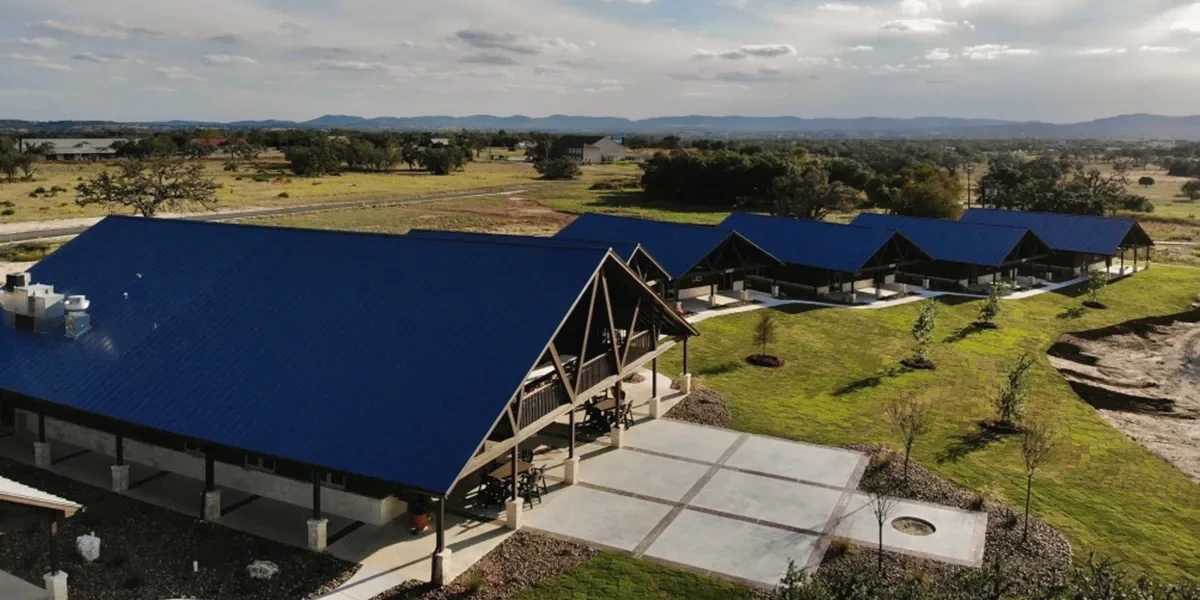
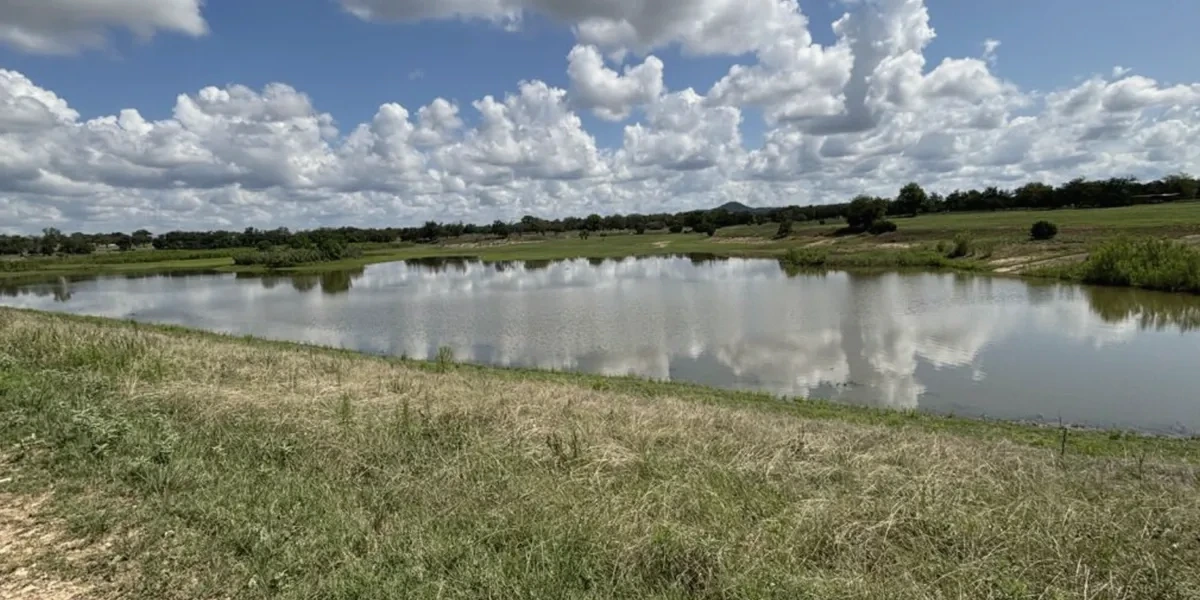
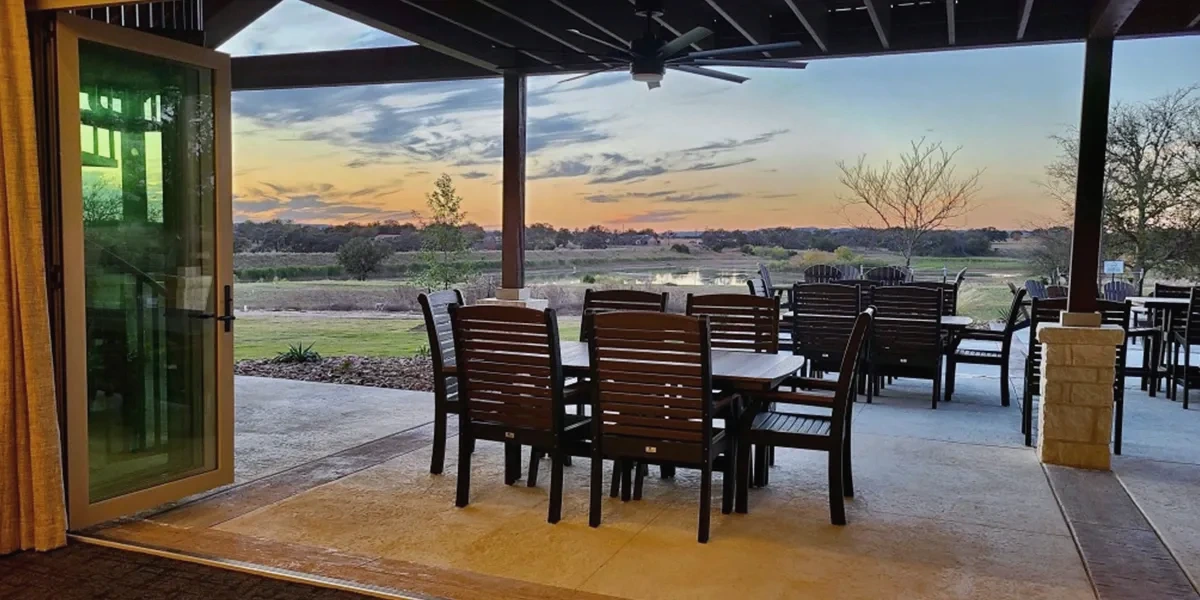
Warriors Heart 3 photos
Warriors Heart provides addiction and co-occurring PTSD treatment exclusively for veterans, active-duty military, law-enforcement personnel, firefighters, EMS and other first responders. It does not treat the general public.
The provider operates residential campuses in Bandera, Texas, and Milford, Virginia. Its current residential program lasts 42 days after medical detox and stabilization; detox days are not included in that count. The separate Warriors Heart Lodge in Bandera offers sober living with a 60-day minimum and optional intensive outpatient support.
The admissions number is +1 844 448 2567. The provider works with commercial insurance, TRICARE, VA Community Care and private pay, and says it does not currently accept Medicaid or Medicaid-related plans. Eligibility, benefits and patient cost require confirmation.
The Texas property has two residential sections
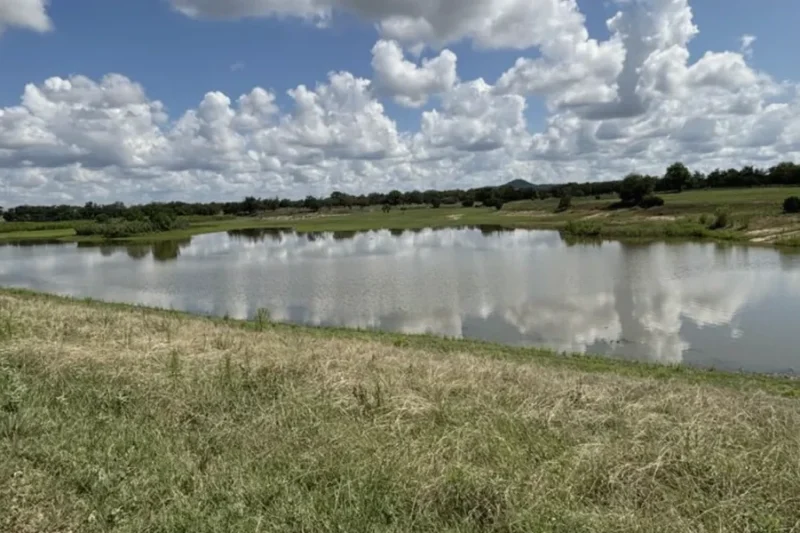
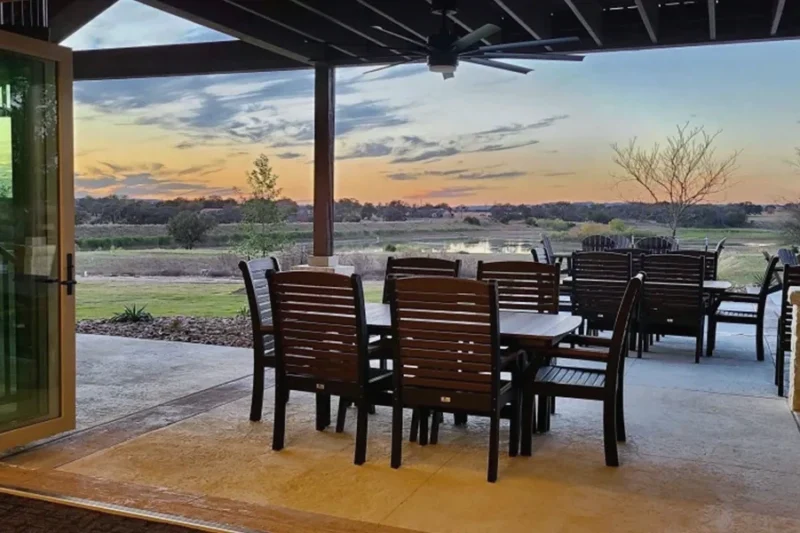
The Texas campus guide describes a 543-acre property in Bandera with a Main Campus and a Lakeside Campus. Each section has accommodation, dining, fitness, and clinical facilities, while residents participate in shared programming. The separate Warriors Heart Lodge provides a later sober-living option.
Published facilities include a lake, swimming pool, fitness spaces, workshops, equine facilities, art spaces, and walking trails. Those features describe the setting; participation in an activity depends on the program and the person’s needs. A prospective resident should establish which section and room are proposed and where clinical appointments will take place. The guide also describes transport assistance from San Antonio International Airport. Confirm the arrangement with admissions before travel, including the actual arrival location. Residential treatment at the main property and a stay at the separate sober-living Lodge involve different expectations and should be identified clearly in the booking.
The Virginia campus offers a separate East Coast location
The Virginia campus is in Milford and covers 516 acres. Warriors Heart names three accommodation lodges: Blue Sky, Morning Star, and Timberline. The published facilities include a lake, gymnasium, equine spaces, workshops, hiking trails, and a canine training area.
The residential population remains veterans, active-duty personnel, and first responders. Choosing Virginia instead of Texas changes the location and practical travel arrangements; it does not make every service associated with the wider organization available on that campus. For example, some later outpatient options are specifically described as Texas services. Someone comparing the two campuses should request the proposed clinical pathway, accommodation, and current activity schedule at the actual destination. The Virginia guide identifies Richmond International Airport as a nearby major airport and says transport assistance can be coordinated. The admissions agreement should make the starting location and any later move for continuing care clear.
The forty-two-day residential program begins after detoxification
The residential program is published as forty-two days, excluding time needed for medical detoxification and stabilization. Warriors Heart describes an early adjustment phase, a central period of therapy and experiential work, and a later phase focused on preparation for discharge.
The clinical schedule includes individual and group therapy, trauma-focused approaches, medication support when appropriate, and relapse-prevention work. The provider describes care from two collaborating licensed clinicians, one focused on addiction and one on mental health. Residents also participate in activities and peer support designed around the service population. The stated duration should be used accurately when arranging time away from work or home: detoxification may add time before the residential count starts. Admissions should explain the expected initial sequence and how the team will review clinical needs. The program’s structured format does not itself guarantee a particular outcome or remove the need for continuing support afterward.
Medical detoxification is integrated with residential treatment
The detoxification service is described as available at both campuses, with continuous nursing, physician oversight, monitoring, and medication when indicated. The provider states that it is part of a wider treatment course and is not offered as a standalone detox-only program.
On arrival, the medical team reviews substance use, current health, withdrawal risk, and medication history to establish an individual plan. The transition into residential care follows medical clearance. This makes the initial screening especially important for someone who has been using alcohol, benzodiazepines, opioids, or other substances regularly. The team should know about previous withdrawal experiences and other health conditions before travel arrangements are finalized. Practical preparation also includes confirming how prescribed medicines will be brought and managed. The service description establishes the planned sequence, while the person’s actual medical needs determine the details and timing of stabilization before fuller participation in the residential schedule.
Residential dual-diagnosis care has a primary addiction focus
The dual-diagnosis program describes Warriors Heart as a primary substance-use treatment provider with coordinated mental health care. Its two-clinician model addresses addiction alongside concerns such as trauma, depression, anxiety, sleep difficulties, or other relevant symptoms. Published therapies include cognitive behavioral therapy, EMDR, and accelerated resolution therapy.
This distinction matters for someone whose main need is psychiatric treatment without a substance-use disorder. Eligibility for residential addiction care should be assessed separately from eligibility for an outpatient mental health service. The treatment plan should identify how the two clinicians collaborate, what psychiatric or medication support is needed, and which concerns require additional assessment. Existing diagnoses and records can help the team understand the current situation. The program’s military and first-responder focus may shape peer experience and discussion, but service history alone does not establish the appropriate level of care or mean every clinical presentation can be managed in the residential setting.
Experiential options vary by activity and campus
The experiential program includes equine work, canine activities, art, wood and metal workshops, fishing, yoga, and nature walks. Warriors Heart specifically identifies jiu-jitsu as a Texas elective, while several other activities are described at both campuses.
These offerings are presented as part of the therapeutic schedule, alongside clinical sessions. They should not be interpreted as a guarantee that every resident will take part in every activity or receive a service dog. The relevant questions concern availability, physical suitability, the practitioner’s role, and how participation connects with treatment goals. Someone with a service-related injury, chronic pain, or limited mobility can discuss adaptations before arrival. An activity may offer a different way to practice communication, attention, or cooperation, but the provider’s broad claims about nervous-system healing are not adopted here as established outcomes. The actual care plan should explain the purpose of the selected activity for the individual.
The Texas daytime program has different eligibility from residential addiction care
The outpatient service guide describes a Texas-only partial hospitalization program with published hours of 8 a.m. to 4 p.m. and an eight-week format. It states that eligible warriors may attend even without a substance-use disorder. This is a material difference from the primary addiction focus of the residential program.
Daytime treatment provides a defined clinical schedule while requiring a separate plan for the hours outside programming. The person should confirm where they will live, how they will travel, and what support they need in the evenings. The wider outpatient guide also lists sober living and additional Texas services, but those options have their own terms and clinical decisions. A request for information should therefore name the partial hospitalization program and describe the person’s main concerns. That helps admissions assess the correct service, rather than applying residential eligibility or accommodation assumptions to a daytime mental health placement.
The Bandera Lodge provides structured sober living after treatment
The Warriors Heart Lodge is a separate sober-living residence in Bandera with a sixty-day minimum stay. It is described for people who have completed residential treatment and need additional structure before returning to their usual environment. Intensive outpatient participation is an available option rather than an automatic requirement of every stay.
Published expectations include household responsibilities, attendance at recovery meetings, sobriety, and drug testing. The residence offers shared kitchen and recreation spaces, with weekday meals and different weekend food arrangements. These details help distinguish the Lodge from the earlier residential clinical program. A prospective resident should confirm the room type, included meals, clinical appointments, and any additional treatment fees. The appropriate length and level of support depend on the transition plan. Having a stable place to live may support that plan, but housing, peer meetings, and professional treatment serve different roles and should each be arranged deliberately.
Admissions includes arrival preparation and consent for family communication
The admissions guide describes an initial discussion, insurance review, clinical screening, and coordinated arrival. New residents receive an orientation and are introduced to a peer who helps them become familiar with the campus and daily expectations. Packing guidance includes identification, insurance information, comfortable clothing, and prescribed medicines in their original containers.
The provider states that communication with relatives requires a signed release of information. After consent is in place, the treatment team can provide the designated contacts with information about the stay and how communication will work. The guide also says family visits are not permitted during the forty-two-day residential program. Families should understand that rule before planning travel. It makes the agreed contact arrangement especially relevant: who may receive updates, how questions should be raised, and what involvement is appropriate during discharge planning. Those details can be settled without assuming that relatives have unrestricted access to private clinical information.
Mission My Life organizes the plan for discharge
The aftercare program describes an individualized discharge plan called Mission My Life. It includes relapse-prevention strategies, recovery contacts, sponsor information, and connections to ongoing services. Options may involve outpatient care, sober living, or Warriors Anonymous meetings, depending on the person’s needs.
The provider also offers alumni communication channels, an app, reunion events, and opportunities to return for refresher programming. These resources should be distinguished from a continuing clinical appointment or a new treatment admission. Before leaving, the resident can identify which contacts and appointments are confirmed, where they will take place, and how any records will be shared. Someone returning far from either campus may need local clinicians alongside online peer support. The value of the plan is its practical detail: the next appointment, the person responsible, the support available between appointments, and the steps to take if circumstances change after returning home.
Insurance and assistance depend on the proposed service
The payment guide describes commercial insurance, VA Community Care, private payment, and possible financial assistance. Warriors Heart states that it is in network with some carriers and can work with out-of-network benefits for others. Medicaid is excluded.
Benefits should be verified for the actual campus, program, duration, and additional services. A written estimate should identify the personal contribution and explain what happens if treatment extends or changes level. The provider also describes scholarships and possible support from military or first-responder foundations, with limited funding and eligibility requirements. Those options should not be treated as a confirmed award before an application is reviewed. Work-related funding may involve another approval process. Keeping each payer’s decision separate from clinical eligibility makes the arrangement easier to understand and prevents a general list of payment options from being mistaken for a guarantee that the whole proposed stay will be funded.
VA Community Care requires a separate authorization
The Warriors Heart VA information page describes its community-care arrangements and makes clear that VA determines eligibility and issues the referral or authorization. Warriors Heart can explain its program and help verify an authorization once issued; it cannot make the VA eligibility decision or guarantee approval.
A veteran considering this route should coordinate with the VA care team and confirm the authorized service before beginning a planned non-emergency admission. The authorization should match the receiving provider, level of care, and approved period. If the recommendation changes during treatment, clarify how continued care will be reviewed and who handles that communication. This process is separate from the provider’s own clinical screening. Being eligible for Warriors Heart’s service population does not by itself establish VA funding, and a discussion with admissions is not the same as an authorization. Keeping the documents and clinical recommendation aligned helps avoid uncertainty about the proposed course of care.
Source check: October 18, 2026, for the additional provider details above.
Official sources
Sources checked October 13, 2026.