Priory Eden House (formerly The Elphis)

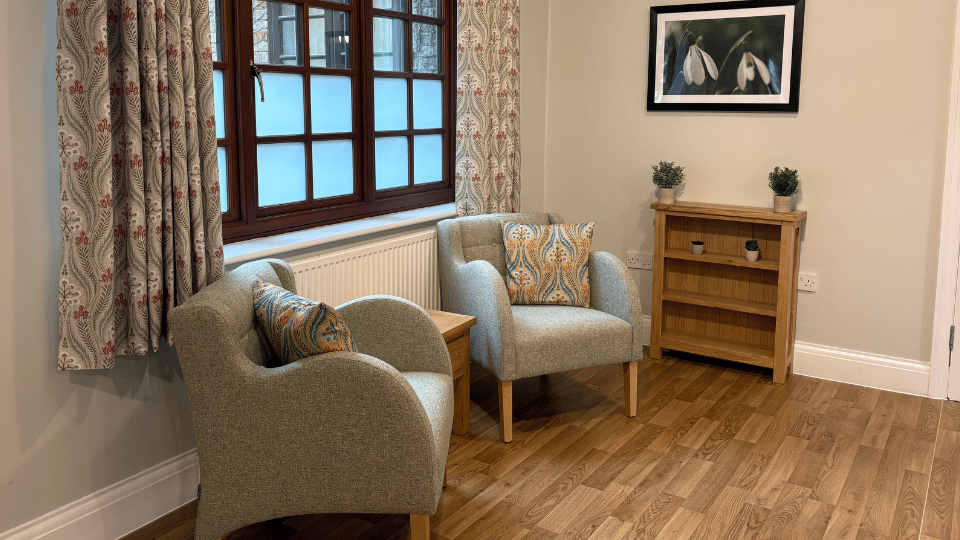
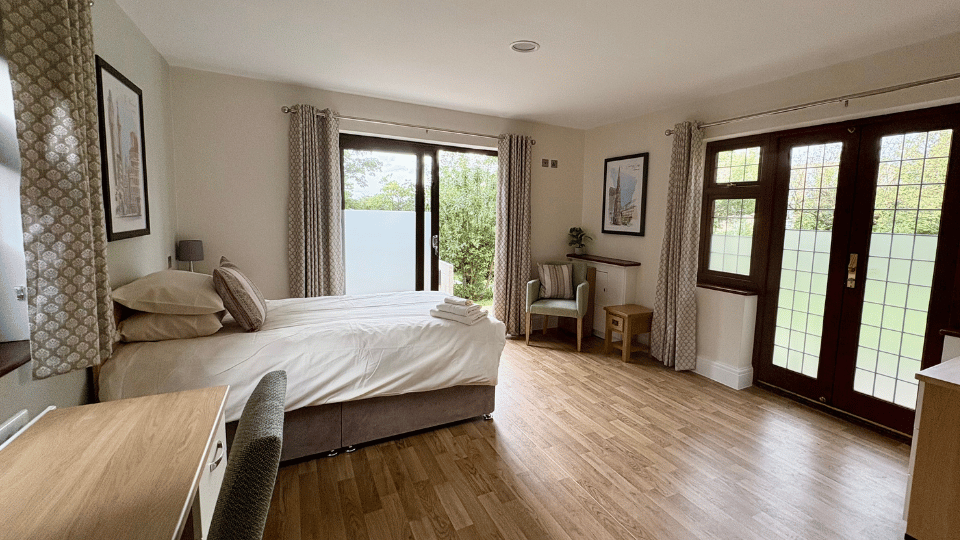
Priory Eden House (formerly The Elphis) 3 photos

Priory Eden House is an 18-bed residential addiction service in Mill Hill, North London. The current Priory page lists Eden House at The Ridgeway, London NW7 1RH, the same address previously used for The Elphis. The historical name remains in this profile title for continuity.
Treatment and admissions
Eden House delivers Priory Flourish, a therapy-led residential program for alcohol, drug and behavioral addictions. It is a non-medical service for people who do not need ongoing clinical care or an on-site medical detox. Priory says people who need detox can receive it at Priory Hospital Woking before entering Eden House, with transport available between the services.
The provider also describes an adapted recovery model for neurodivergent and high-functioning clients, designed to reduce rigid group structures and sensory overload. Treatment can include group and individual therapy, psychoeducation, cognitive behavioral therapy, trauma therapy, exposure work, creative therapies, family involvement and practical recovery support. Treatment starts with a minimum 14-day stay and can be extended according to assessed needs.
Accommodation and continuing support
The provider describes 18 single-occupancy bedrooms, including economy, standard en-suite and premium en-suite options, plus gardens and shared living areas. Current official material also describes 12 months of free online aftercare after completing at least 14 residential days and three months of Recovery 360 digital support, with an extension option. Pets may be considered at admission following a risk assessment.
Fees and duration
Published pricing starts at £315 per night. Priory material describes 14-, 28- and 42-day options, with longer stays available where appropriate. The provider does not publish one universal itemized inclusion list for that starting price. Medical detox at Priory Hospital Woking, room choice, eligibility, final duration, aftercare access and the written quotation should be confirmed directly with Priory.
Use the first assessment to establish the right starting point
Priory’s free addiction assessment is an initial conversation about substance use or other concerning behavior, its effects, and possible treatment routes. The provider describes an online-questionnaire pathway and a telephone assessment route, and allows a relative to participate when the person wants that support. This is an opportunity to explain previous treatment, current prescriptions, physical health concerns, and what has become difficult in everyday life.
For an Eden House inquiry, ask why a therapy-led residence is being recommended and whether any medical assessment is needed first. An initial discussion with an addiction therapist should not be mistaken for a complete medical examination or an accepted residential place. The next step may involve another professional or setting. A useful outcome is a clear explanation of the proposed care, the questions that remain unanswered, and who will resolve them before admission. Availability and payment arrangements should follow that clinical discussion.
Keep hospital detox and the residential stay distinct
The Eden House pathway can involve a separate admission at Priory Hospital Woking when medically assisted withdrawal is required. Woking describes consultant-led hospital care, nursing support, and access to an on-site doctor. Those hospital resources should not be transferred to Eden House’s description simply because both services belong to the same organization.
Before arranging the sequence, identify the first receiving team, what medical information it needs, and how readiness for transfer will be assessed. Ask who arranges transport, how prescriptions and records move between services, and whether the quotation covers both admissions. A booked residential room does not establish that withdrawal can be managed there. Any decision about stopping alcohol, drugs, or prescribed medication needs appropriate clinical advice. The transition should also have a plan if medical needs change or the expected transfer date moves, so that an accommodation booking does not determine clinical timing.
Compare the actual room and shared living arrangements
The current Eden House overview distinguishes economy, standard, and premium bedrooms. Economy accommodation can involve a shared or separate bathroom, while the standard and premium options are described as en-suite. All are single-occupancy bedrooms within a communal residential service. A private bedroom therefore does not mean exclusive use of the house or an individual clinical team.
Ask which room category is included in the offer and whether the bathroom arrangement meets any accessibility or personal requirements. Shared dining, living spaces, activities, and therapy remain part of the experience. Discuss sleep needs, dietary requirements, mobility, and how much time is spent with other residents. The brochure also mentions access to local community facilities; this should not be interpreted as unrestricted leave or an on-site amenity. The admission agreement should explain which activities require permission, supervision, transport, or an additional payment.
Understand the therapy model behind Flourish
The Flourish program page describes a flexible model that combines psychological work, practical recovery skills, and community participation. It presents the program as an alternative to a fixed 12-step framework, while allowing people to use 12-step groups if they find them helpful. This distinction matters for someone whose previous experience of a particular recovery philosophy was either helpful or uncomfortable.
Ask how the proposed work relates to the person’s actual difficulties and goals. The description includes individual therapy, group work, psychoeducation, and exposure-based exercises, but those elements need an understandable individual plan. A technology demonstration or broad therapy menu does not establish that every method is appropriate for every resident. Discuss preferences, consent, pacing, and how the clinician will review whether an intervention is helping. The program should also explain how it accommodates neurodivergent needs in practice, including communication, sensory preferences, and participation in shared activities.
Use the stages as planning points, not a recovery deadline
The Flourish information leaflet separates an initial residential stage of at least fourteen days from later work on relationships, independence, and returning to ordinary life. It describes progression according to individual needs rather than requiring everyone to buy the same complete sequence. A minimum booking period is different from the time an individual may need to achieve a particular clinical goal.
Before admission, agree what the first stage is intended to accomplish and when progress will be reviewed. Ask how a recommendation to extend the stay will be explained, what other options are available, and how additional costs are authorized. Someone arriving after treatment elsewhere should clarify whether the previous work changes the starting point. Planning for home should begin early, including the support and appointments needed after departure. Completing one stage should lead to a clear next step, without suggesting that recovery is guaranteed by a certain number of days.
Read the example timetable with its publication date in mind
The linked Eden House example timetable carries a July 2024 revision date. It shows how group process, education, relationship work, creative activities, individual contact, peer meetings, and free time can fit together. It is useful as an illustration of residential routine, but it should not be treated as confirmation of the exact schedule for a future admission.
Request the current timetable and distinguish therapist-led treatment from peer-led meetings, optional fellowship attendance, recreation, and unstructured time. If an individual session appears within a wider afternoon window, ask about its actual frequency and duration. Discuss how appointments are adjusted when someone is tired, has sensory needs, or cannot participate comfortably in a particular group. Work calls and family visits should be planned around the agreed program. Knowing the current expectations before arrival can make the transition easier and reveal whether the service fits the person’s practical circumstances.
Confirm aftercare eligibility and the next clinical appointments
The current Eden House location page offers twelve months of online aftercare after a minimum fourteen-day residential stay. The overview brochure linked above uses a twenty-eight-day threshold in one aftercare statement. Because those published terms differ, the written offer should confirm eligibility for the particular stay rather than leaving the person to reconcile the documents after discharge.
The location page describes weekly online meetings. Ask about the current schedule, facilitation, access from outside the UK, and what happens if additional professional treatment is needed. A group meeting has a different role from individual therapy, a prescribing appointment, or urgent medical care. Before leaving, identify the clinicians who will continue any necessary treatment and how they will receive relevant records. The aftercare plan should name both the support included by Priory and the services that must be arranged separately, including their costs and first appointment dates.
Know what the digital recovery service monitors
Recovery 360 combines a breathalyzer, an app, and clinician contact. Priory describes alcohol and craving tracking, a journal, goal setting, and optional companion access. Its published monitoring terms specify weekdays. These details describe a particular digital support service; they do not establish continuous emergency monitoring or replace an agreed plan for urgent help.
Ask whether the service is appropriate to the person’s treatment goals, whether access is included, and what happens after the initial period. Someone treated primarily for a behavioral concern should not assume that an alcohol-focused device is automatically relevant. Discuss the practical use of the equipment, communication times, and what the clinician does if a reading or message raises concern. Companion participation should reflect the client’s choice, with clarity about which information is shared. The app can be one part of continuing care alongside any therapy, medication review, and community support that remain necessary.
Make family involvement specific and consensual
Priory’s family support guidance discusses preparation, communication during treatment, and the return home. The relevant question for Eden House is which activities are included in the particular residential offer. A general network description of visits, educational groups, or family therapy does not establish that all formats are available on every date or after every length of stay.
Ask who can participate, whether sessions are remote or in person, and whether the client attends with relatives or separately. Consent should identify what may be shared and with whom; paying for treatment does not automatically give a family member access to clinical information. The discussion can address responsibilities at home, helpful communication, and realistic boundaries. Some relationships may be unsuitable for joint work, and relatives may need independent support. An agreed plan should support the person receiving treatment without making family members solely responsible for recovery or requiring contact that feels unsafe.
Request a quotation for the complete sequence of care
Priory’s payment and funding information distinguishes self-payment from care authorized through private medical insurance. It explains that policy terms and referral requirements need checking. A network’s insurer relationships do not establish coverage for a particular Eden House stay, room category, or separate hospital admission. Obtain the answer for the exact proposed service.
The written quotation should identify the residential dates, accommodation, included therapy, and any separately billed medical appointments, medication, transport, or extended stay. Keep a hospital detox quote distinct from a therapy-led residence quote when both are recommended. Ask about deposits, cancellation, early departure, and how additional costs are approved. If reimbursement is expected, establish the upfront payment and who submits the claim. The price comparison should reflect the full clinical sequence and continuing care, rather than assuming that a published nightly starting rate covers every possible need.
Expanded October 18, 2026 from the linked official provider materials. Different published aftercare thresholds are identified for confirmation; no treatment outcome is guaranteed.
Compare the London treatment guide and United Kingdom guide for location and care-format context.
Sources and verification
Official sources checked October 15, 2026. The identity continuity is inferred from the matching current Priory address and the historical address retained by this profile.