SandyPines Residential Treatment Center


SandyPines Residential Treatment Center 3 photos
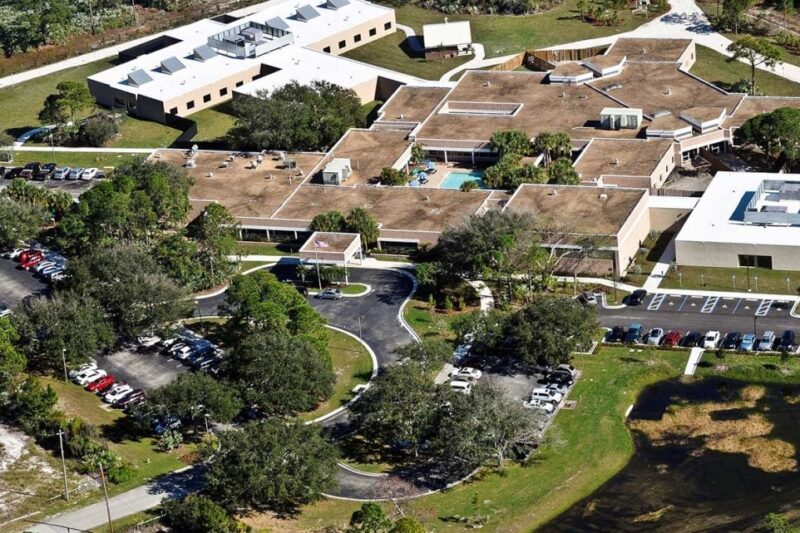
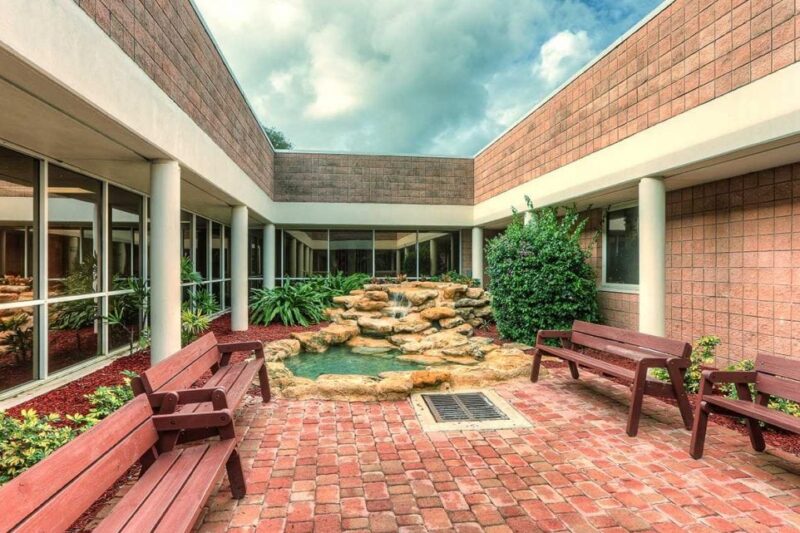
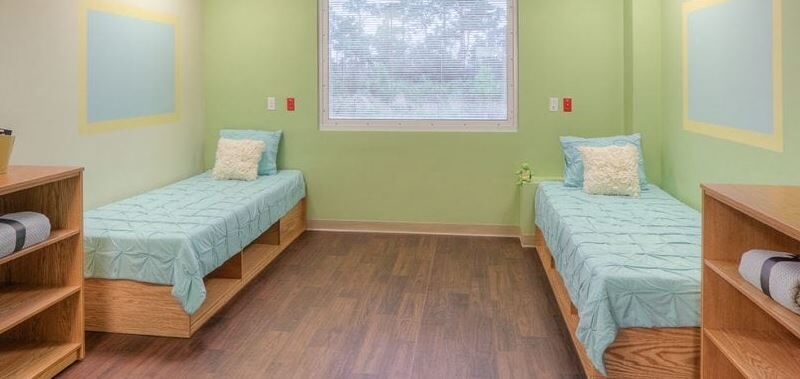
SandyPines Residential Treatment Center in Jupiter, Florida, provides psychiatric residential treatment for children and adolescents aged 5–17. Its Just for Kids program serves ages 5–12, with a separate adolescent behavioral program for ages 13–17.
The provider describes individually planned clinical care, individual and group therapy, family involvement, recreational therapy and on-site education. Program selection and changes are guided by the treatment team. These are youth mental health services, not a general adult addiction or medical-detox program.
The published address is 11301 SE Tequesta Terrace, Jupiter, FL 33469, and the telephone is 561-744-0211. The provider currently lists Aetna, Amerigroup, AVMED, Beacon, Blue Cross Blue Shield, Cigna, Humana Commercial, Magellan, Optum, TRICARE, United Behavioral Health, WellCare and other plans, subject to benefit verification. Request an individualized estimate of charges and ask which services may be billed separately.
Placement should match the child’s age and clinical needs
The clinical-program overview describes psychiatric residential care for ages 5–17, with a children’s program for ages 5–12 and an adolescent program for ages 13–17. The treatment team determines programming at admission and can change it as needs become clearer. Individual and group work, schooling, family involvement, and recreational activities are organized around the young person rather than offered as an adult rehabilitation package.
Ask which unit is being considered, how its daily structure fits the child’s developmental needs, and what the team expects residential treatment to accomplish. A shared age range does not establish that two young people need the same interventions or supervision. Describe existing diagnoses, recent changes in functioning, previous services, and any developmental or communication needs. The proposed plan should explain both why this level of care is appropriate and how the family will participate in reviewing progress and planning the next step.
The children’s program combines clinical work with age-appropriate routines
The Just for Kids description identifies a structured setting designed for children ages 5–12. It describes collaboration among psychiatric, therapy, recreation, and case-management staff. The environment includes supervised play and activities adapted to younger children, alongside education and treatment. The program also describes recognizing positive behavior through a token-based reinforcement system.
Parents can ask how that system is explained to a child, how goals are individualized, and how staff respond when distress or developmental differences make participation difficult. Discuss sensory needs, learning differences, communication preferences, and routines that help the child feel understood. Play and recreation should be connected to the clinical plan rather than interpreted as evidence that the setting is appropriate for every child. Before discharge, ask which routines or coping strategies the family should continue and what support is needed from community clinicians and the home school.
Language and spiritual support are separate parts of program fit
SandyPines’ programs-and-services page describes multidisciplinary, individualized plans and a multicultural environment. It specifically discusses clinical and educational services for Spanish- and Haitian Creole-speaking families. The page also describes opportunities for spiritual participation regardless of religious practice, including a non-denominational visiting speaker and arrangements for families observing religious holidays.
During referral, explain the child’s preferred language and the language in which caregivers need clinical information. Ask how communication support works during assessment, family meetings, school coordination, and discharge planning. If spiritual practice matters to the child, discuss preferences and any concerns about participation. These questions help establish whether the setting can support the family’s needs without assuming that a general statement about cultural inclusion answers every practical issue. The young person’s own views should be part of that discussion, alongside the information provided by parents or other authorized caregivers.
A referral needs clinical history rather than a diagnosis alone
The referral information accepts inquiries from families, professionals, schools, child-welfare organizations, and other referral partners. It describes a primary mental health diagnosis, with substance-use concerns potentially secondary, and asks about previous psychiatric treatment, psychotherapy, medication management, and other services. This supports understanding SandyPines as a youth psychiatric residential program rather than a general substance-use or detox destination.
Useful records include recent psychiatric and psychological evaluations, the presenting concern, current and previous medications, medical history, the legal guardian’s details, and funding information. Ask the admissions team what is needed for this particular referral and how records should be transferred securely. Previous treatment should be described accurately, including what helped and what did not. A residential application is a placement process; it should not replace immediate assessment when the child’s condition is urgent or when the current setting cannot keep them safe.
Assessment availability and the admission date are different questions
The admissions page states that a face-to-face assessment may be required and is often completed at admission. It describes admissions on weekdays, with weekend arrangements considered individually when needed. Families should therefore obtain a confirmed plan rather than assume that an inquiry, referral, or initial assessment automatically establishes a bed or arrival time.
Ask who makes the admission decision, which records remain outstanding, and what must happen before travel. Clarify whether the child needs additional medical evaluation, whether the proposed funding is authorized, and who will accompany them. If the plan changes while the family is waiting, tell the current treating professionals and the admissions team so the recommendation can be reconsidered. Keep contact details for both services. Clear coordination is especially important for an out-of-state referral, where transport, current treatment, and the timing of a new placement need to work together.
Riverbend Academy supports education during residential care
The education page describes Riverbend Academy as the on-campus school under the Martin County School District. It follows the district calendar and describes certified teachers, academic interventions, and support for students with additional learning needs. Extended School Year participation depends on an Individualized Education Program team recommendation. Educational support is integrated with the residential setting, rather than requiring families to assume school will simply pause.
Share the current school timetable, recent work, relevant testing, and any IEP or other learning plan. Ask who will coordinate with the home school and how assignments, grades, examinations, and credits will be handled. These arrangements should be confirmed for the individual student rather than treated as an automatic guarantee. Also discuss the balance between education and treatment, especially when symptoms affect concentration or attendance. Planning for the return to school should begin before discharge and include the people responsible for implementing any agreed accommodations.
Family therapy prepares for the transition home
The family-therapy page describes sessions once a week, or more often when indicated, with a master’s-level or licensed clinician. It connects family participation with preparation for discharge and the transition home. The program is intended to help families understand treatment and develop practical ways to support the young person, rather than simply receive occasional progress updates.
Ask who should participate, how the child’s perspective will be included, and how difficult family circumstances will be addressed. If a caregiver cannot attend in person, discuss an appropriate alternative with the therapist. Sessions can be used to clarify routines, communication, boundaries, and responses to distress that the family will need after residential care. A useful plan identifies what each person can realistically do and which needs require professional support. Participation should be organized around therapeutic goals and the child’s circumstances, rather than assumptions about every family’s relationships or availability.
Agree on a reliable communication plan during the stay
The family FAQ says caregivers can contact staff at any time regarding their child. It describes a 7–8:30 p.m. window for direct calls with residents, generally limited to ten minutes, and advises families to discuss alternative arrangements with the therapist if that timing is difficult. It also explains that a confidentiality code is used when information is requested. Confirm the current arrangements for the assigned unit.
The FAQ describes an individualized multidisciplinary plan developed within ten days of admission and encourages parents to join the initial treatment-team meeting. Ask how to obtain a copy, who explains updates, and how to raise a concern between meetings. The plan should connect the reasons for admission with observable goals and next steps. Keep routine family communication distinct from urgent concerns that need staff attention. Discuss what the young person wants from calls and how contact can support treatment without becoming another source of pressure.
Check visitor approval before making travel plans
The published visitor information describes two visitors at a time and a usual minimum visitor age of 12. Younger visitors require advance consideration and approval. The page also explains that clinically appropriate restrictions may apply when a visit would interfere with care. These rules should be checked for the particular patient and visit, especially when siblings or several family members hope to attend.
Ask the unit about the current visiting schedule, identification requirements, items that can be brought, and how any requested exception is considered. Do not assume that traveling a long distance changes approval requirements. If a visit is not workable, discuss another form of contact with the treating team. It is also useful to ask how visiting time relates to family therapy: a supportive visit and a scheduled clinical session serve different purposes. Planning both in advance can make limited travel time more useful for the child and family.
Request an individual financial assessment and estimate
SandyPines’ financial-information page describes benefit checks, individual financial assessment, possible payment plans, and charity-care assessment. It states that there are no standard discounts. The page also explains that practitioners may bill separately and may not participate in the same insurance networks as the facility. A general insurance listing therefore does not establish the total amount a family will owe.
Ask the business office for a personal estimate, which services it includes, and which professionals may issue separate bills. Discuss authorization, deductibles, coinsurance, and what happens if the recommended stay changes. If financial assistance is needed, ask about eligibility and the documents required rather than assuming approval. The provider publishes business-office hours for estimate requests; routine billing questions can be directed there while clinical suitability remains a matter for the treatment team. Keep written estimates and coverage explanations together so differences can be clarified before commitments are made.
Use the right contact route for urgent and routine questions
The contact page gives 561-744-0211 for immediate contact and states that licensed mental health professionals are available around the clock. Its general web form is monitored only during normal business hours and is not intended for emergencies. For a mental health crisis, the provider directs families to call 988 or seek the nearest emergency room. A routine message should not delay urgent assessment.
For a planned referral, ask how to schedule a level-of-care assessment and which staff member should receive the clinical information. For an existing resident, follow the agreed unit and treatment-team contact arrangements. The listed campus address is used for visits and arrival planning, but a confirmed admission should come before arranging a journey. Keeping emergency assistance, current treatment communication, admissions, and business-office questions separate helps the family reach the people equipped to respond to the particular concern.
Evaluate the setting and patient feedback in context
The SandyPines homepage describes a campus with multiple units and presents patient-satisfaction information from a July–December 2025 collection period. Its environment and feedback can help families identify questions about the experience of care, but neither the size of the facility nor satisfaction statements establish the right placement for an individual child. Satisfaction measures also differ from evidence about a particular diagnosis or longer-term functioning after discharge.
Ask which unit the child would join, how the team manages supervision and daily routines, and what information is available about the proposed program. When reviewing outcome claims, check what was measured, whose responses were included, and when follow-up occurred. The decision should connect the child’s current needs with the actual clinical plan, family involvement, education, and arrangements for returning to the community. Photographs and testimonials can illustrate a setting; the assessment and program-specific answers should carry more weight in placement planning.
Official sources
Children and adolescent program; Clinical programs and ages; Insurance information; Campus and photo gallery. Checked October 13, 2026.