Rosecrance Griffin Williamson Campus
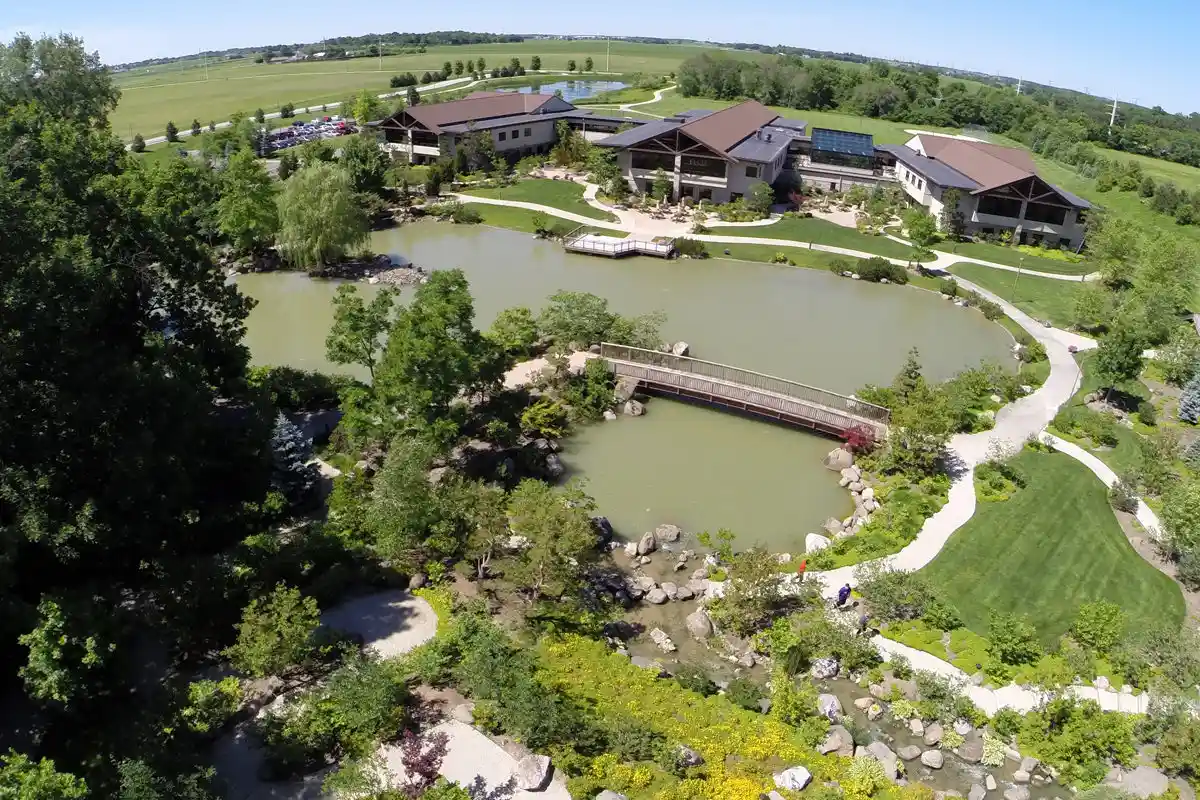
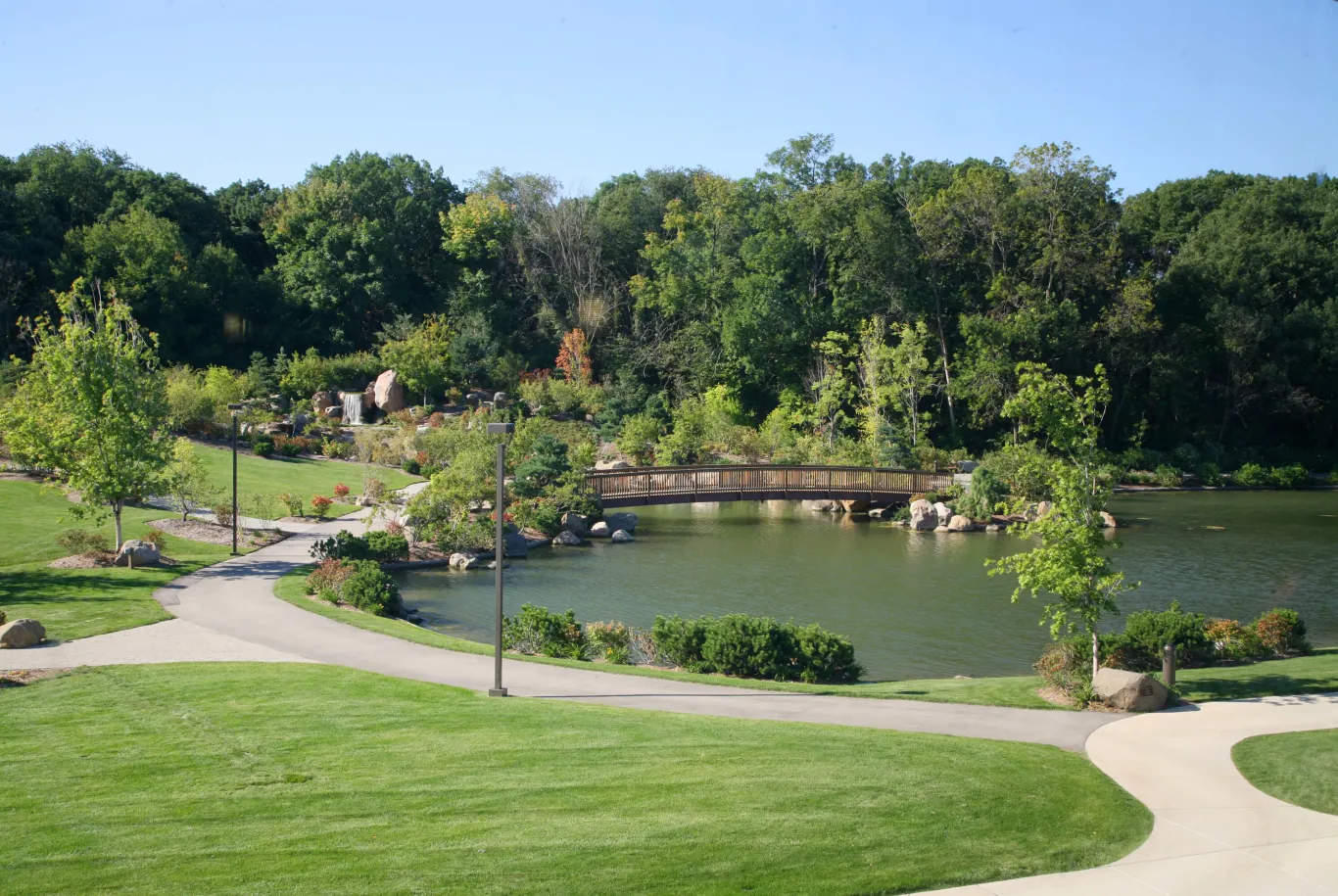
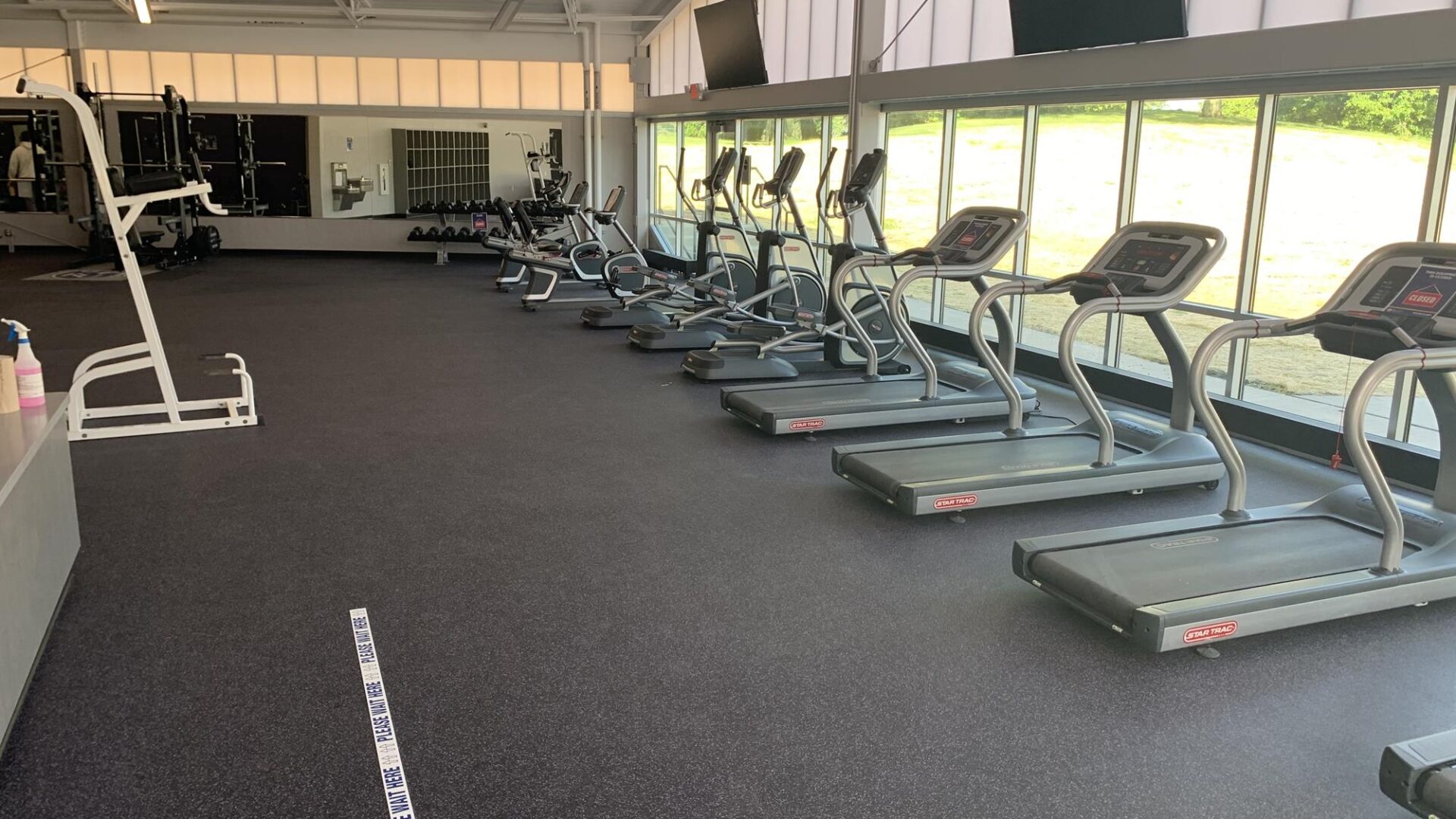
Rosecrance Griffin Williamson Campus 3 photos
Provider overview
Rosecrance Griffin Williamson Campus is a 24-hour residential treatment setting at 1601 N. University Drive in Rockford, Illinois. It serves adults, young adults and adolescents with substance-use and co-occurring mental-health concerns.
Residential care
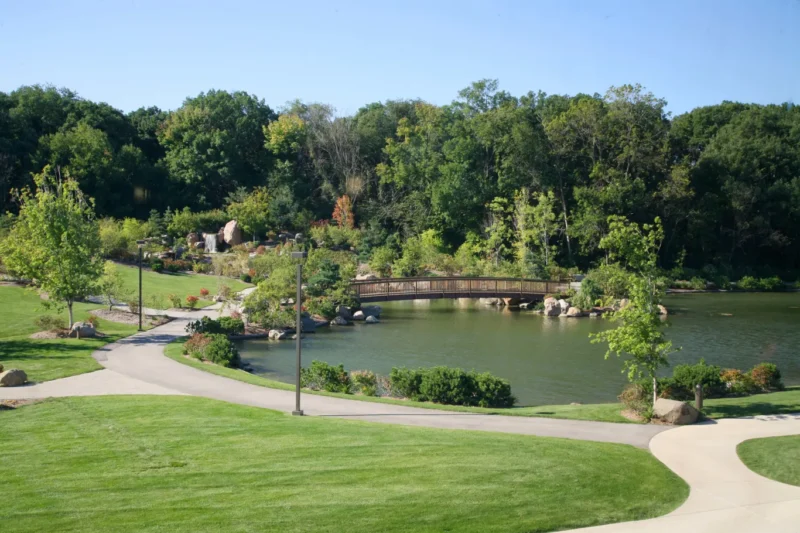
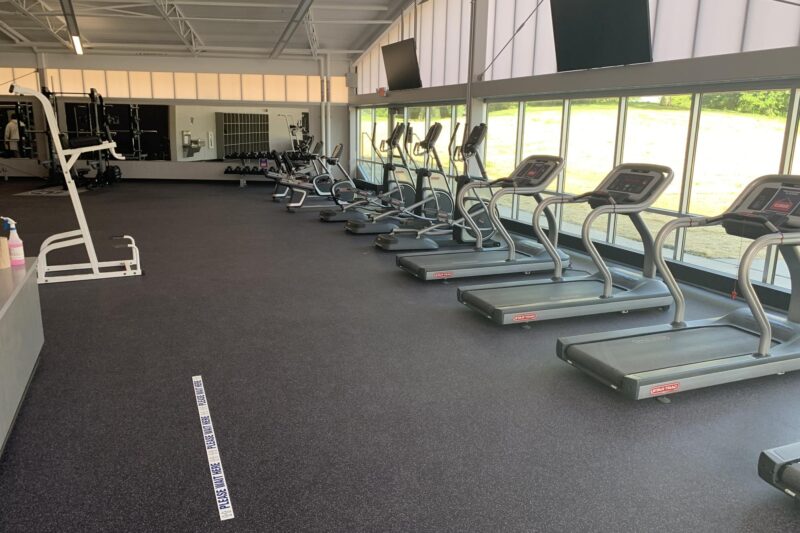
Current official services include medical and clinical oversight, individual, group and family therapy, psychiatric care, medication-assisted treatment, medication management, adolescent education coordination and discharge planning. The campus has an on-site school for adolescents as well as a chapel, gymnasium, outdoor dining patio, conservatory and healing garden.
Duration, transition and cost
Rosecrance states that length of stay depends on clinical need, progress and next-step planning. Discharge planning connects clients to ongoing support, outpatient services and peer or alumni connections. The official campus page does not publish a universal weekly self-pay fee or tax treatment; admissions should confirm eligibility, coverage, proposed duration and personal cost.
A Rockford campus for adults and adolescents
The current Griffin Williamson campus page explicitly describes residential services for adults and adolescents. Its facilities include an on-site school, chapel, gymnasium and fitness space, outdoor dining area, conservatory, and healing garden. Residential care operates around the clock, while listed office hours refer to administrative availability rather than the duration of treatment support.
The setting is intended to provide structure and distance from usual daily pressures. Treatment includes substance use and co-occurring mental health concerns, with educational coordination for teenagers and planning for ongoing care after the stay. Families should establish which age-appropriate program is being proposed and how communication will work. A campus serving several age groups should not be described as exclusively for teenagers, nor should its adult service be assumed to have the same school, visiting, or personal-item arrangements as adolescent care.
The adult residential treatment model
Rosecrance’s adult residential guide describes individual, group, and family counseling alongside education, life skills, relapse prevention, and discharge planning. It identifies cognitive behavioral therapy, dialectical behavior therapy, and motivational interviewing among the approaches used. Psychiatric services and medication management are available according to clinical need.
The network guide describes many residential addiction stays as approximately thirty-five to forty days. That is a general description rather than a guaranteed Griffin Williamson admission length. The individual proposal should set an initial expectation and explain how progress or a change in need may affect it. The program also uses 12-step education and community connection, so prospective patients can ask how those elements fit with individual therapy and their own preferences. The relevant comparison is the actual treatment plan, not simply the number of nights in residence.
Adolescent treatment includes developmental needs
The adolescent residential program description brings together therapists, counselors, physicians, psychiatrists, nurses, recreation specialists, and chaplains. It addresses substance use and mental health concerns with attention to the developmental needs of teenagers. Published approaches include CBT, DBT, motivational interviewing, and age-appropriate life skills work.
The program directory also describes experiential activities such as art, horticulture, fitness, and mindfulness. Availability should be confirmed for the specific campus and treatment plan rather than inferred from a network-wide list. Parents should discuss the main clinical goals, the teenager’s willingness and ability to participate, current school needs, and family involvement. A broad program description does not establish eligibility for every severity of illness. The admission review should determine whether residential care can provide the required level of medical, psychiatric, and daily support.
Medication-assisted treatment is individualized
The medication-assisted treatment page describes medication used alongside counseling and other recovery services. It lists buprenorphine-based treatment, naltrexone, acamprosate, and disulfiram among medications used within Rosecrance services. The choice depends on the substance-related condition and the person’s medical assessment; a list of available medications is not a recommendation that everyone receive one.
For a prospective residential patient, the important questions concern the prescribing clinician, continuity of current treatment, follow-up after discharge, and any separate medication costs. Discuss existing prescriptions and previous treatment responses with the team before arrival. The plan should explain how medication-related care connects with psychological treatment and ongoing support. A resident returning to another community also needs a confirmed continuation arrangement, rather than assuming that admission alone establishes an indefinite prescribing relationship after the residential course ends.
Withdrawal management must be arranged at the appropriate site
Rosecrance’s detox service page describes medically supervised withdrawal care tailored to the individual, followed by residential or outpatient treatment when appropriate. Medical monitoring and the readiness to take part in programming are considered during that phase. The service is part of the broader Rosecrance network.
That network offering should not be used to assume that every residential campus provides the same withdrawal service. Someone considering Griffin Williamson should have admissions identify the correct location for any required detoxification and explain how a later transfer would work. Recent substance use, current medication, previous withdrawal experiences, and other health concerns need to be reviewed by the clinical team. The sequence should be clear before travel, including the responsible providers and charges at each stage. An average duration on a detox page cannot determine an individual’s medically appropriate withdrawal plan.
Family sessions can include relatives living elsewhere
The family therapy service offers individual-family sessions, groups involving several families, and support adapted to different family arrangements. Work may address communication, boundaries, understanding mental health and substance use concerns, and preparing for recovery at home. Participants can include parents, siblings, grandparents, or other people central to the family, depending on the goals.
Rosecrance describes both in-person and virtual formats, including remote participation for relatives of residential patients who live out of town. The schedule is individualized and reviewed as needs change. Families should establish who is expected to attend, how sessions relate to the resident’s treatment, and what information can be shared with permission. A family therapy appointment is different from a social visit or a general progress update. Clarifying those roles helps relatives plan a useful contribution without assuming unrestricted access to the patient’s clinical discussions.
Packing and technology rules differ by age group
The campus links separate adult and adolescent packing lists. The adult list says phones are secured and may be used for virtual visits, while other internet-enabled or photographic devices are restricted. The adolescent list includes school books, assignments, and a school-issued laptop or tablet, while limiting other connected devices. These are practical rules to confirm before arriving with electronics.
Both lists address clothing, toiletries, and medication arrangements. Prescribed medication is handed to staff on admission, with preparation instructions subject to clinical approval. Families should clarify those requirements with admissions and the existing prescriber rather than change treatment independently. For a teenager, coordinate school materials and the permitted device with the educational team. The separate lists also show why adult expectations about phones, personal belongings, or nicotine products should not be applied to adolescent residence.
How the multidisciplinary team coordinates care
The Rosecrance team model describes collaboration among counselors, therapists, nurses, physicians, psychiatrists, social workers, chaplains, educators, and other specialists. The team meets to discuss progress and treatment needs and develops a plan for continued recovery after discharge. The exact mix of professionals depends on the service and individual plan.
For a Griffin Williamson admission, establish the primary clinical contact, the professional responsible for psychiatric or medical decisions, and the person coordinating family communication and next steps. A large network’s staff roster should not be mistaken for a promise of sessions with every specialty. If a particular need influences the choice of campus, such as psychiatric review or school coordination, ask how it will be provided in the actual program. Clear responsibilities make it easier to understand who will respond when the treatment plan changes.
Residential care connects therapy with everyday routines
The residential service overview describes therapeutic recreation, health and wellness activities, spiritual support, family education, and alumni connection alongside formal treatment. Examples across the network include art, horticulture, and music. These activities are presented as part of a broader residential routine intended to support engagement and practice beyond individual appointments.
The same overview covers multiple campuses and several patient populations. It therefore provides context for the treatment approach rather than an exact inventory for every Griffin Williamson resident. Confirm which activities are available, how they relate to the person’s goals, and whether physical or accessibility needs require adjustments. A residential schedule should leave the clinical purpose clear: treatment, skills practice, and preparation for continuing life outside care. Recreational facilities alone do not establish the intensity or suitability of the psychiatric and addiction services.
Intensive outpatient care after the residential stay
The IOP guide describes structured outpatient care for adolescents and adults through in-person and virtual programs across the wider network. Services can include group and individual counseling, education, special-topic groups, and relapse-prevention planning. Published examples include an initial schedule of about nine hours weekly for eight to ten weeks, followed by less frequent support when appropriate.
The actual program, schedule, and duration depend on diagnosis, age, location, and progress. A Griffin Williamson discharge plan should name the next service and arrange a practical first appointment, especially when the person will return outside Rockford. Ask which sessions are clinical treatment, whether prescribing continues, and how family participation is handled. A network IOP listing does not mean every format is offered at the residential campus or available immediately in every community.
Partial hospitalization is a separate location decision
The current PHP page describes an in-person adult substance-use day program in Chicago. It gives a typical commitment of roughly twenty to twenty-four hours a week in a structured daytime setting, with duration individualized. Patients live outside the program rather than occupying a residential bed as part of PHP.
This location detail matters when planning a step down from Griffin Williamson in Rockford. A recommendation for partial hospitalization should identify whether the next service is in Chicago, with another provider, or in a different appropriate setting. Transportation, housing, and support outside program hours need to be considered alongside the therapy schedule. The existence of PHP in the Rosecrance network should not be presented as proof that it takes place on the Griffin Williamson campus. Confirm the complete transition plan before making accommodation or work arrangements.
Financial information should be specific to the proposed admission
The insurance and financial page lists plans Rosecrance has worked with by state, including commercial and public-payer arrangements. It also describes benefits review, financial explanations before treatment, and help exploring assistance where needed. These network-level lists do not establish coverage for every campus, service, or individual policy.
For Griffin Williamson, request the proposed level of care, authorization status, expected duration, and estimated personal responsibility. The estimate should distinguish the residential service from any separate withdrawal care, additional treatment, or later outpatient program. Insurance approval may need review as the clinical plan changes. A resident paying privately should obtain a current written quotation with inclusions and additional charges. The current campus page does not publish a universal weekly cash price, so a fixed figure should not be inferred from another Rosecrance location or service.
Source check: October 18, 2026, for the additional provider details above.
Official source
Rosecrance Griffin Williamson Campus: services, ages, duration, aftercare and contact, checked October 13, 2026.