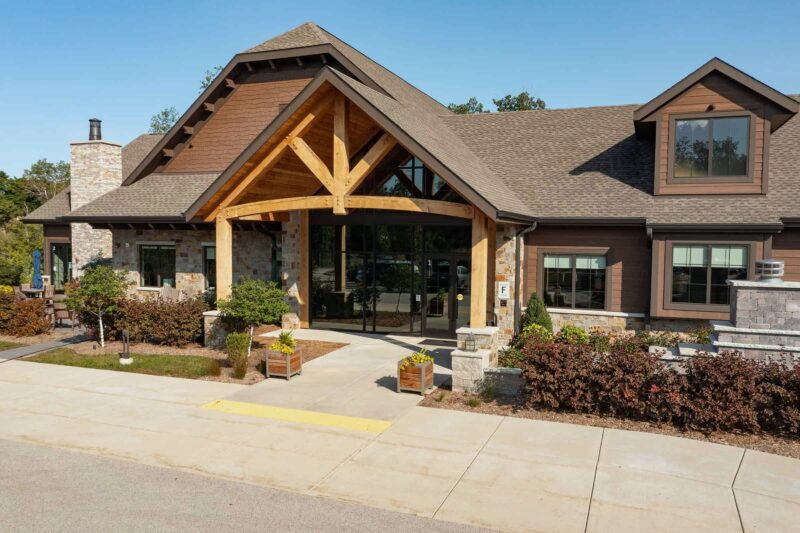
Current programs include adult inpatient addiction withdrawal management; eating-disorder inpatient care for children, adolescents and adults; eating-disorder residential care for adolescents and adults; residential depression care; general inpatient mental health care; adolescent inpatient mental health and addiction care; adult residential mental health and addiction recovery; and residential OCD and anxiety programs for adults and young people. The Nashotah DBT program serves female adolescents.
Rogers offers an immediate screening at 833-308-5887. The provider reports an average residential stay of 30–90 days; PHP and IOP commonly last 4–8 weeks. Acute inpatient duration and other pathways remain individualized. Insurance benefits and patient responsibility vary by plan, most insurers require prior authorization, and medication and laboratory charges may be billed separately for residential, PHP and IOP care. Rogers also offers payment-plan and financial-assistance resources but publishes no single campus-wide self-pay fee.
Oconomowoc includes more than one treatment address
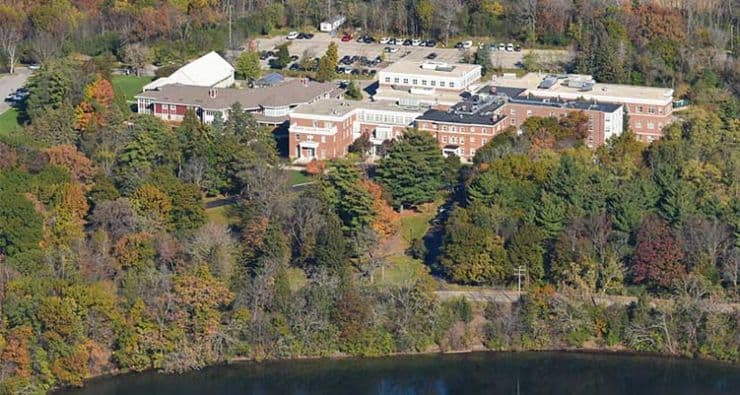
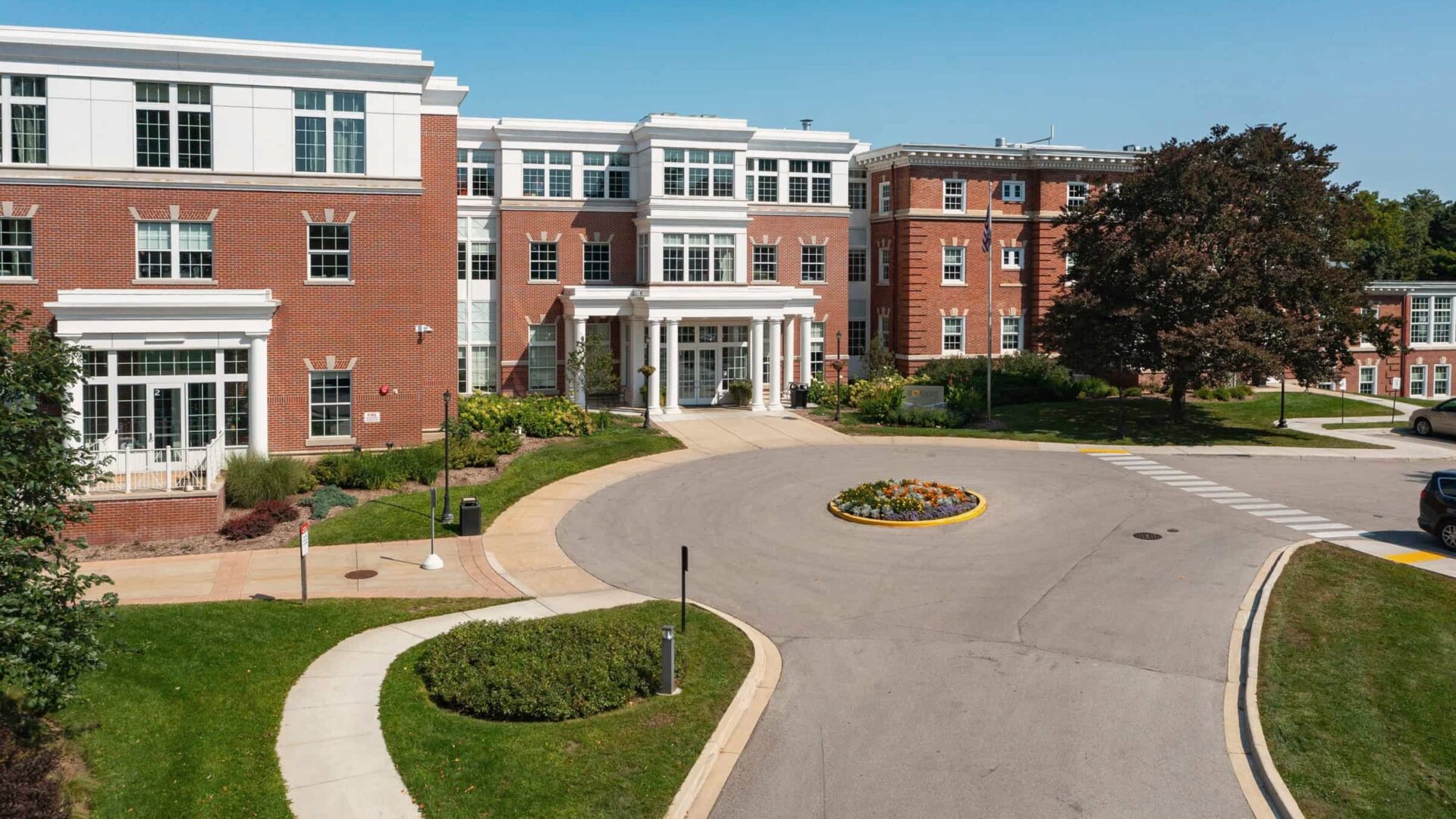
The Oconomowoc location page distinguishes the main campus on Valley Road from the Silver Lake and Silver Lake North outpatient centers on Corporate Center Drive. The main campus provides inpatient and residential programs, while the outpatient locations have their own program offerings. A referral to Rogers in Oconomowoc therefore needs a specific program and receiving address.
Before making travel arrangements, establish whether the proposed assessment or admission concerns inpatient care, a residential residence or an outpatient group. The location page lists programs for different ages and clinical needs, but those listings do not mean that every service is available to every patient or at every building. Ask how the receiving team determines fit and whether another Rogers site or another provider would be more appropriate. The same distinction matters when comparing accommodation: an outpatient appointment at Silver Lake does not include an overnight place at the main campus. Separate the clinical plan, address and living arrangements when discussing the offer.
Acute inpatient treatment and stabilization
Rogers describes inpatient treatment as hospital care for people who need stabilization and support available around the clock. Its Wisconsin inpatient services address acute mental-health needs, with dedicated services that can include withdrawal management or nutritional stabilization. The relevant service depends on the presenting problem and assessment.
This differs from selecting a longer residential program for ongoing therapeutic work. Families should ask what the inpatient team is trying to stabilize, how clinical progress is reviewed and what criteria guide the next transition. The provider identifies inpatient locations in Oconomowoc, West Allis and Brown Deer, so a network description should not be used as proof that an individual has been accepted at Oconomowoc. Confirm the named unit and any age-specific requirements. Admission to hospital care does not establish a universal duration or guarantee a subsequent residential placement. A useful discharge discussion includes the recommended level of care, follow-up appointments and the responsibilities of the clinicians who will continue treatment.
Residential OCD and anxiety care for younger patients
The children’s and adolescents’ OCD and anxiety program describes separate residences at Oconomowoc. Its published age ranges are eight through fourteen for children and thirteen through seventeen for adolescents. The overlap at thirteen and fourteen should be resolved through assessment, rather than assuming a family can choose either cohort without clinical consideration.
The treatment description includes cognitive behavioral therapy and exposure and response prevention, with individual, family and group involvement. Behavioral specialists support the program, and licensed teachers work with a young person’s home school. Ask how school information is obtained, what family participation involves and how the team prepares for returning home. The page also describes co-occurring concerns that may be considered, but a list of diagnoses is not a guarantee of admission for every combination or level of severity. A proposed plan should explain why residential care is appropriate for the particular child and what needs would require another setting. The residential program’s published structure should not be confused with short-term acute hospitalization.
The Nashotah program has a distinct population and approach
Rogers’ emotional-dysregulation information describes the Nashotah residential program for female adolescents up to age eighteen. It identifies a sixteen-person setting and a typical duration of sixty to ninety days, subject to individual needs. Those details apply to this named program, rather than establishing the population or length of every Oconomowoc residence.
Nashotah uses dialectical behavior therapy and includes family involvement. The description addresses severe difficulties with emotions and related behaviors, including self-injury and co-occurring mental-health concerns. Families should ask about the assessment process, participation expected from caregivers, and the plan for applying skills after leaving the residence. The age description also warrants direct clarification for someone approaching eighteen. A residential program is not a substitute for an immediate assessment when a person is in acute danger. The practical decision is whether this particular treatment model and level of supervision are appropriate once urgent needs have been addressed, not whether a diagnosis or difficult behavior automatically calls for a long residential stay.
Co-occurring needs and the limits of a network description
The co-occurring-disorders page describes treatment when substance use and mental-health problems occur together, as well as combinations involving OCD, anxiety or depression. Rogers offers several levels of care across its network. Those options need to be matched to the actual Oconomowoc program rather than treated as a menu available in every residence.
The page also describes a young-adult group aged eighteen through twenty in connection with OCD, anxiety and depression. That age-specific description should not be generalized to all addiction services. Ask which problem the proposed program is primarily designed to treat and how other needs will be addressed. It is also useful to establish whether medication review, substance-use treatment and family work occur within the same team or need coordination with another service. A network’s ability to describe several specialties does not confirm that one setting can safely manage every combination. The assessment should produce a clear explanation of the recommended program and any limits on its scope.
Silver Lake North outpatient care
The Silver Lake North page identifies a separate outpatient location at 1230 Corporate Center Drive, Suite 400. Its listed programs include adolescent depression and child or adolescent eating-disorder, OCD and anxiety care. These are program-specific descriptions, not evidence that each service is offered to adults at that address.
Partial hospitalization and intensive outpatient treatment allow a patient to spend part of the day in treatment while living elsewhere. Ask which group is recommended, how long each treatment day lasts and what support is needed outside program hours. The location also describes outpatient psychiatric services and selected virtual options. Remote availability depends on the particular service and the patient’s location, so an online option should be confirmed directly rather than assumed to be nationwide. Families comparing travel and local treatment should establish the actual attendance requirements, school arrangements and prescribing responsibility. An outpatient center’s treatment schedule does not itself provide lodging, continuous nursing or the same level of supervision as an inpatient unit.
Published durations are estimates for different levels of care
Rogers’ levels-of-care guide reports an average residential stay of thirty to ninety days. It describes PHP as commonly lasting four to eight weeks, usually Monday through Friday for approximately six and a half hours a day. IOP is also commonly four to eight weeks, with treatment for approximately three hours a day. These are network descriptions and remain subject to the particular program and clinical plan.
The guide separately identifies outpatient psychiatric appointments and counseling, which are different from PHP or IOP attendance. It also locates its supportive-living service in Sheboygan. That housing arrangement should not be attributed to an Oconomowoc outpatient address. When considering a move between levels, clarify the expected schedule, where the patient will live and whether a new assessment or authorization is required. A published average is useful for initial planning but cannot predict an individual discharge date. Ask how the plan will be reviewed if progress, family circumstances or available follow-up care differs from the initial expectation.
Insurance authorization and separately billed services
Rogers’ financing guidance explains that most insurers require prior authorization. A benefits estimate and an authorization are separate steps, and the patient may remain responsible for charges that the insurer does not cover. Ask what has actually been approved, for which program and dates, rather than relying on the insurer’s name appearing in a network list.
The guidance also explains that facility and professional charges can generate more than one bill. For residential, PHP and IOP care, Genoa pharmacy services and outside laboratory services may be billed separately. Confirm those arrangements with the proposed program, especially if a budget assumes medication and testing are included in one daily rate. Out-of-network treatment can involve additional responsibility beyond a standard copayment. A written financial discussion should identify the receiving program, the patient’s benefits and any remaining uncertainty about authorization. If the clinical recommendation changes during care, ask the team to explain the revised coverage and billing position alongside the treatment plan.
Financial assistance has a separate application process
The financial-assistance information describes eligibility requirements, including current-patient status, U.S. residency for at least a year and the use of available insurance benefits. Assistance depends on financial circumstances and the policy’s conditions; it is not automatic because a family faces a large bill.
For inpatient, residential, PHP and IOP care, the provider explains that applications are processed after discharge and after insurance claims have established the remaining balance. Its guidance gives a deadline of 240 days from the first bill and distinguishes assistance from refunds of payments already made. Costs such as travel, outside lodging, food and some other expenses are outside the program’s scope. Ask a financial representative for the current application and an explanation of which charges it can address. This helps a family separate the possibility of assistance with a Rogers bill from the wider cost of attending treatment. A submitted application should not be treated as approval or as a guarantee that all expenses will be covered.
Education and participation for families
Rogers describes Friends and Family University as education for families supporting a person in treatment. Content is tailored to the condition and program and can address practical ways of responding at home. The information emphasizes child and adolescent services; families of adults are advised to ask the treatment team about the relevant opportunities.
This education is different from assuming that every relative receives individual therapy or unrestricted access to the patient’s sessions. Ask who is invited, how participation fits with consent and privacy, and whether attendance is in person or remote. Parents may also want to discuss how new skills will be practiced at home and communicated to other caregivers. The goal of the inquiry is to understand the actual family role in the proposed program. A general description of family support does not specify the number of sessions, the clinician involved or arrangements for a family that lives far from Oconomowoc.
Herrington alumni support and continuing clinical care
The Herrington McBride Alumni Association is linked to Rogers’ Herrington addiction services. Its description includes peer connection, sponsorship, communications and events intended to support people during treatment and after they leave. Joining is described as free and without an obligation to participate in every activity.
That peer resource should be distinguished from scheduled clinical follow-up, medication prescribing or an entitlement to further hospital treatment. Ask the discharge team which appointments and prescriptions need to be arranged and how alumni activities might complement the clinical plan. The association’s scope also should not be extended automatically to every child, adolescent or adult in another Rogers program. People considering involvement can confirm current meetings, participation requirements and ways to connect, rather than relying on an old event listing. Continuing care is most useful to understand as a specific set of arrangements: named clinical contacts where needed, an appropriate living setting and optional peer support with a clear role.
Official Rogers sources reviewed October 19, 2026. Campus, age group, program availability, clinical suitability, insurance authorization and personal costs require confirmation for the proposed treatment.