Priory Wellbeing Centre Oxford
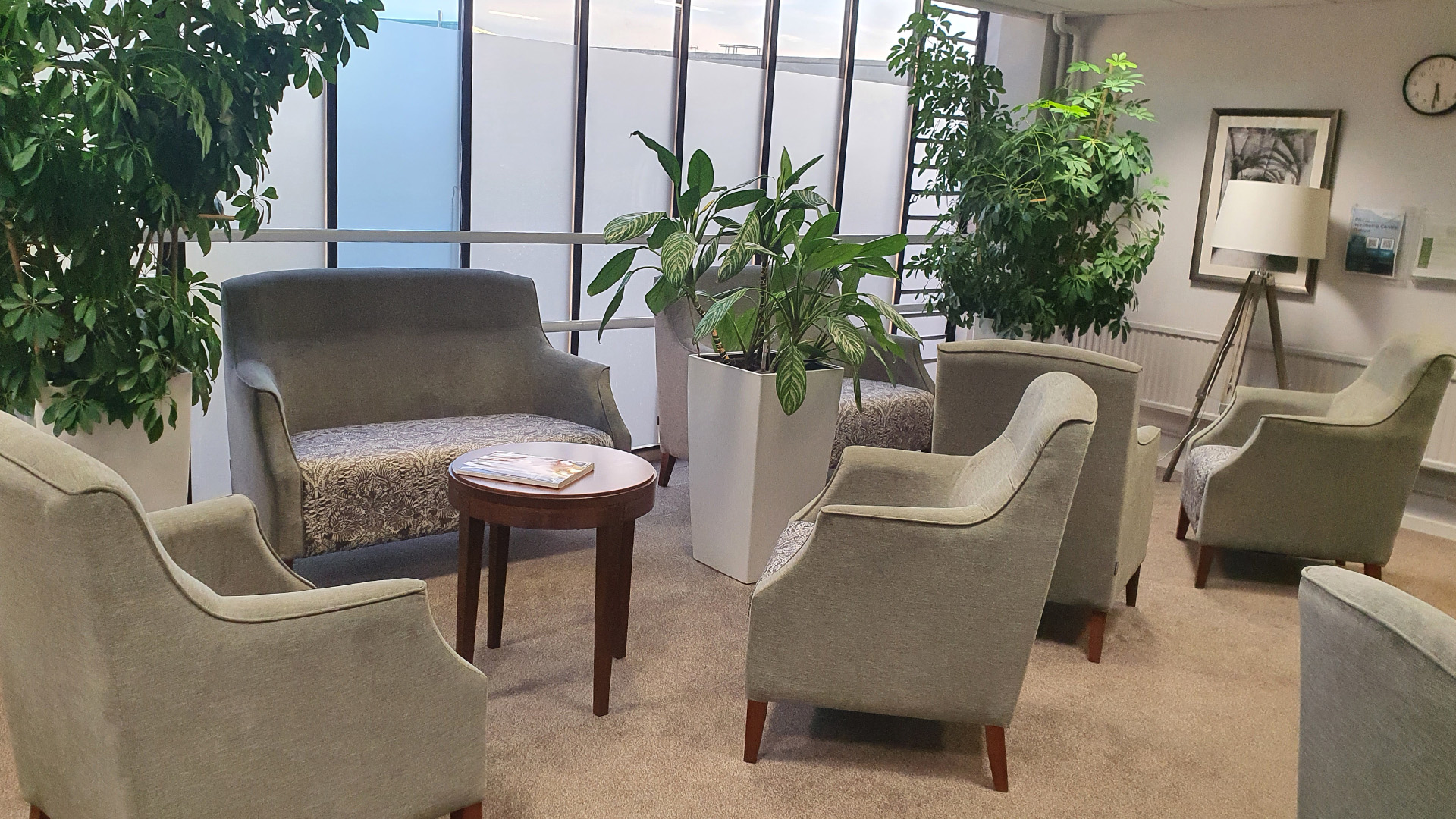


Priory Wellbeing Centre Oxford 3 photos
Priory Wellbeing Centre Oxford: current service status
Current appointments at Priory Wellbeing Centre Oxford remain unverified. The Care Quality Commission location record is archived, and the former Oxford location page was unavailable when checked on October 22, 2026. Priory still hosts an Oxford brochure and a clinician biography referring to the center. Those retained documents do not establish that the Oxford address is currently accepting patients. This page explains the evidence, the historical outpatient service, and practical routes for obtaining a current assessment or continuing care.
The available evidence does not establish a closure date, relocation, or replacement provider. Before arranging travel or paying for treatment, ask Priory to confirm the exact service, clinician, appointment format, address, and relevant registration. Someone seeking a new appointment and someone requesting records from earlier treatment may need different contacts. Explain the purpose of the inquiry clearly so it can reach the appropriate team. A historic local telephone number should not be treated as proof that an appointment is available at the former premises.
What the archived CQC entry means
CQC states that the Oxford service was archived on November 21, 2025. It identifies Priory Healthcare Limited as the historical provider and lists Third Floor, Thomas Hull House, 3–7 New Inn Hall Street, Oxford OX1 2DH. The displayed inspection report was published September 3, 2019 and rated the service Good. That rating describes the inspected service at that time. It is not a newly issued assessment of a current appointment, a replacement location, or every service offered by the wider Priory organization.
CQC’s regulatory-history guidance explains that a service can sometimes require a new registration following changes such as ownership or address. Its history-search guidance explains how archived records are used. Neither general explanation identifies what happened at Oxford. If Priory proposes care at another location or under a different registered entity, request the relevant current record and compare the names and address. Do not transfer the archived Oxford rating to that service automatically.
The retained materials describe outpatient care
The Oxford service brochure describes individual outpatient appointments for mental health concerns and assessment services, including autism and ADHD assessments for adults and young people. It also describes clinical links to other Priory hospitals when more intensive treatment is required. These are historical service descriptions, rather than confirmation of present availability. The Oxford listing should therefore not be read as a residential rehabilitation campus, a medical detox facility, or a place where overnight care has been verified.
When seeking a new service, describe the actual reason for the appointment: therapy, psychiatric review, a diagnostic assessment, medication follow-up, or support for a young person. Ask whether the receiving team offers that service and what information it needs before acceptance. A broad list of conditions does not specify the clinician, appointment length, assessment process, or level of support available between visits. If an inpatient referral is discussed, establish the separate hospital, admission assessment, responsible team, and financial agreement rather than assuming the Oxford arrangements apply there.
An old course listing is not a current intake
Priory also retains an Oxford coping-with-OCD course document describing a ten-week adult CBT group. That course length does not define the duration of all therapy at the former center, and the document does not confirm a current group start date. If a group is of interest, ask whether it is running now, who facilitates it, where or how it meets, and what assessment is required before joining. Confirm the complete cost and what happens if sessions are missed.
The same distinction applies to individual clinicians. Priory’s Sanya Arapovic biography continues to refer to outpatient work associated with Oxford. A biography can help identify professional background, but it does not establish an available appointment at a particular address. Ask Priory to confirm the clinician’s present practice location, appointment format, referral requirements, and scope. If care will be remote, clarify whether that format is suitable for the requested assessment and how follow-up is organized.
Contact Priory about a present offer of care
Priory’s current contact page provides routes for service inquiries and other requests. Its former wellbeing-centers link now leads to the outpatient treatment overview. Use those current routes to ask specifically about Oxford, rather than assuming a network-wide service description confirms local appointments. Request written confirmation of the receiving service and its address. If a central team refers the inquiry onward, establish who will assess suitability and who is responsible for booking and billing.
It can help to prepare a concise account of the main concern, age, previous assessments, current clinicians, medication, and practical needs. Ask whether a GP referral is needed, whether an existing report can be reviewed, and how long the initial assessment usually lasts. Discuss accessibility and communication requirements before agreeing to a venue or online format. For a child or young person, ask who should attend, how parental involvement is managed, and how information is shared with other professionals with the appropriate agreement.
The archived address was on the third floor, but its current availability and access arrangements have not been established. Ask the actual receiving venue about step-free access, elevators, accessible toilets, hearing or communication support, and a suitable waiting area. For an online appointment, ask what technology is required and how interruptions or connection problems are handled. These questions should be answered for the appointment being offered, even if a previous visit to Oxford was straightforward. Confirm arrival instructions after the location has been established.
For a diagnostic assessment, ask what the written report will contain, when it will be issued, and whether feedback and recommendations are included in the fee. Clarify the separate arrangements for any treatment that follows. An assessment appointment should not be assumed to include ongoing prescribing, school liaison, workplace documentation, or a transfer to another clinician. Discuss those needs before booking so the service can explain which parts it provides and which require an additional appointment or referral.
Fees and insurance require a current agreement
The retained Oxford brochure describes self-payment and private medical insurance, with insurer-dependent referral requirements. It does not provide a universal current Oxford price. Obtain a written fee for the specific clinician and service now being offered, including any assessment report, follow-up, medication review, or additional testing. Ask about payment dates, cancellation terms, and charges for work outside appointments. A historical brochure cannot establish the price or contractual terms of a different service, even where it belongs to the same wider provider.
If insurance is involved, confirm the named clinician, receiving location, covered service, authorization requirements, session limits, and any personal contribution with the insurer. Diagnostic assessments and ongoing therapy may be handled differently, so ask about each requested component. If care is self-funded, discuss the expected review points and how further appointments are agreed. The aim is to understand the actual proposed course and financial responsibility without assuming that an archived course length, a network advertisement, or an old appointment schedule determines today’s offer.
Existing patients and requests for records
Someone who previously attended Oxford may need a report, discharge summary, invoice, or information to support a transfer of care. Priory’s privacy and data-request page provides a route for requesting information it holds. Identify the former center, approximate treatment dates, and the documents required, using the provider’s designated process. Confirm any identification requirements directly. Avoid sending sensitive documents to an unverified address simply because an older listing still displays it.
For continuing treatment, ask the current clinician what information is most useful and how it should be transferred with consent. Establish the next appointment, responsibility for prescriptions where relevant, and whom to contact about questions between appointments. If the former clinician is no longer available through the same service, ask how follow-up can be arranged elsewhere. A records request and a clinical appointment are separate processes; make both needs clear when coordinating the handover.
NHS options for adults in Oxfordshire
Oxford Health’s Talking Therapies information describes free NHS support and direct self-referral for people registered with a GP in Oxfordshire or Buckinghamshire. The Oxfordshire self-referral page provides an online route and telephone 01865 901 222 for its anxiety and depression service. This is a distinct NHS pathway, with its own assessment and eligibility process. It should not be presented as an automatic substitute for every assessment or psychiatric service described in the historical Priory brochure.
For adult ADHD, check the current pathway before submitting documents or assuming that a local service is open to new referrals. The Oxfordshire Adult ADHD Service continues to publish a pause on new referrals dating from February 5, 2024. Discuss appropriate assessment routes with the GP or relevant treating clinician. That notice applies to the named adult service; it should not be generalized to all Oxfordshire mental health care, children’s services, or every private assessment option.
Children, young people, and urgent support
Oxfordshire CAMHS provides information about local services for children and young people, including community care and specialist pathways. The service page identifies GP or self-referral routes and links to more detailed information. Check the current referral instructions for the specific need and age group. A young person’s assessment should be directed to the appropriate service rather than assumed to follow the adult Talking Therapies or adult ADHD process. Existing school, GP, or specialist reports can be discussed with the receiving team.
If help is urgent, Oxford Health’s mental health helpline guidance directs people of all ages in Oxfordshire and Buckinghamshire to NHS 111 for round-the-clock mental health support. It directs immediate emergencies to 999 or A&E. These routes are separate from a routine private appointment inquiry. The uncertainty around Priory Oxford should not delay seeking appropriate urgent help or a current assessment through another service.
Sources checked October 22, 2026. The Oxford CQC entry is archived; current Priory Oxford appointments remain unverified. Historical services, local alternatives, and urgent-help routes are distinguished throughout. No closure, relocation, or replacement provider is inferred.