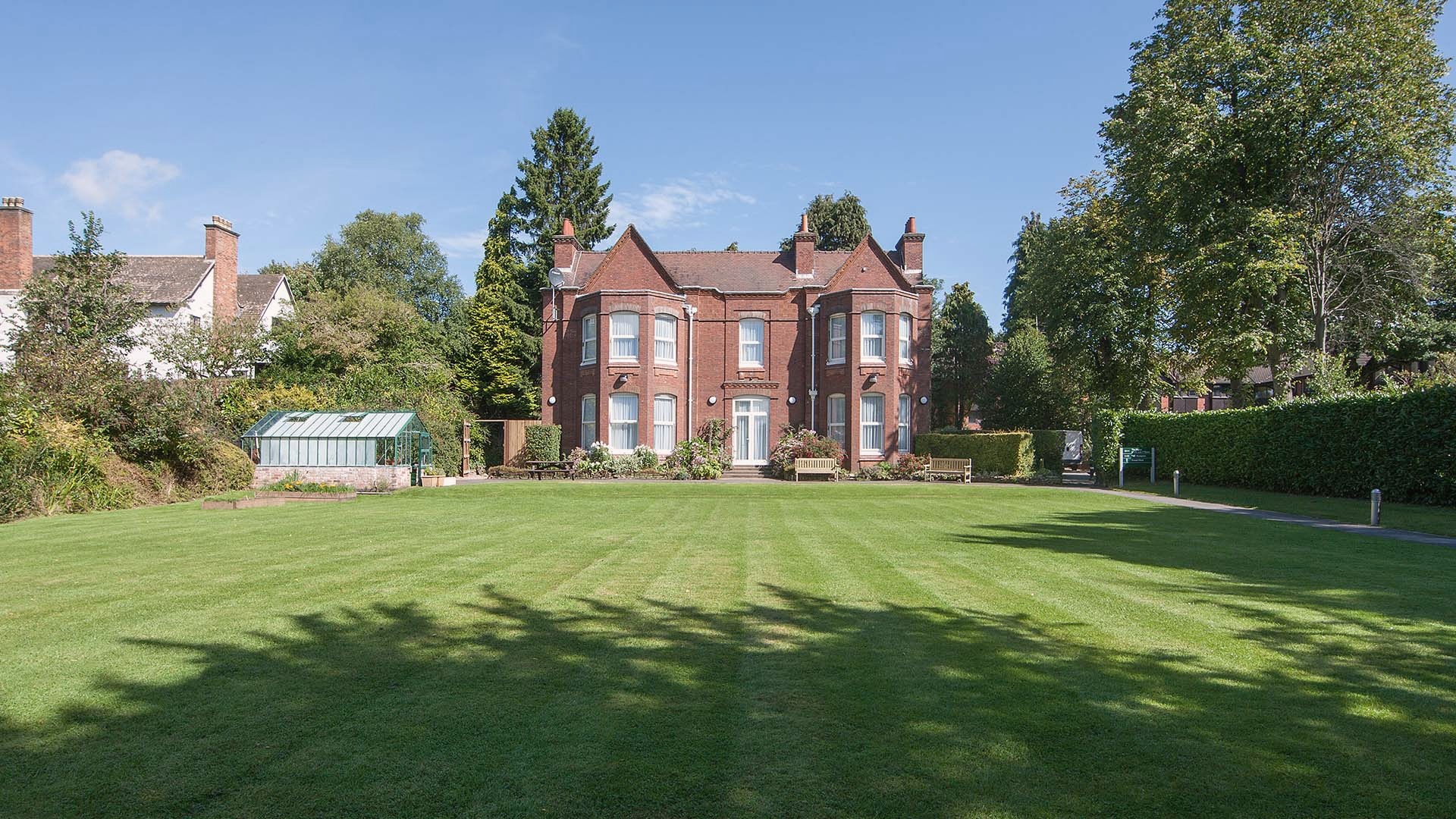
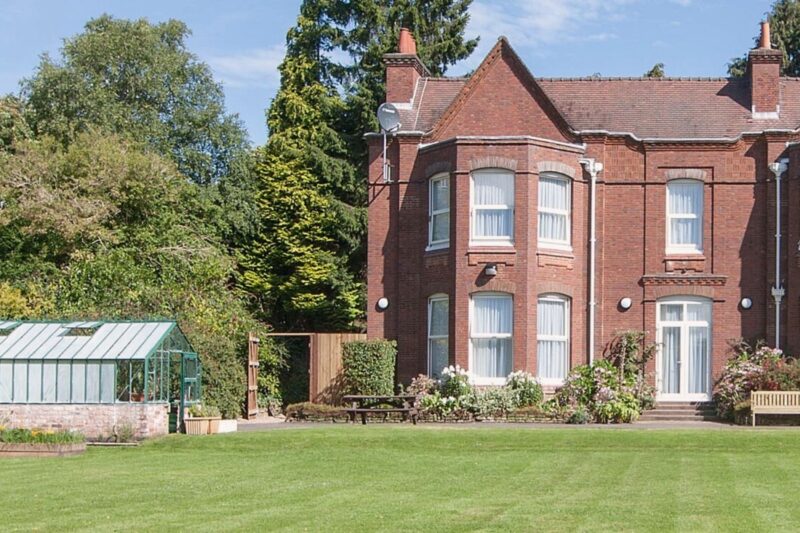
Priory Hospital Woodbourne in Edgbaston, Birmingham provides inpatient and outpatient mental-health and addiction treatment. It also lists eating-disorder and neurodiversity services. The former Priory Wellbeing Centre Birmingham profile now represents this hospital location rather than a separate outpatient center.
Current addiction pathways include Transform 28, a 28-day inpatient program; Foundations 16, combining inpatient detox with day-care therapy; Reset 7/10, a 7- to 10-day medically supervised inpatient detox; Anchor 1:1 flexible outpatient therapy; and Elevate 12, a 12-week online program. Mental-health treatment may be inpatient or outpatient, with suitability set by assessment.
Choosing between the hospital and its outpatient clinic
The current Woodbourne hospital page describes private inpatient and outpatient mental-health and addiction care in Edgbaston. Its clinic services also include outpatient eating-disorder treatment, support for children and young people, and neurodiversity assessments. These services should not be treated as one admission route or as evidence that every concern requires a hospital stay.
For someone seeking an assessment, clarify whether the appointment is with the outpatient clinic or relates to a proposed inpatient admission. The hospital lists approaches including cognitive behavioral therapy, dialectical behavior therapy, EMDR and family work, but the appropriate combination depends on assessment. Its current neurodiversity information separates initial screening from a full diagnostic assessment and from subsequent support. Ask what the quoted appointment includes, whether an existing diagnosis changes the pathway, and who provides follow-up. A screening price is not the price of a complete assessment. Similarly, outpatient eating-disorder services should not be assumed to establish a dedicated inpatient eating-disorder program at Woodbourne.
The Manor Ward setting and practical arrangements
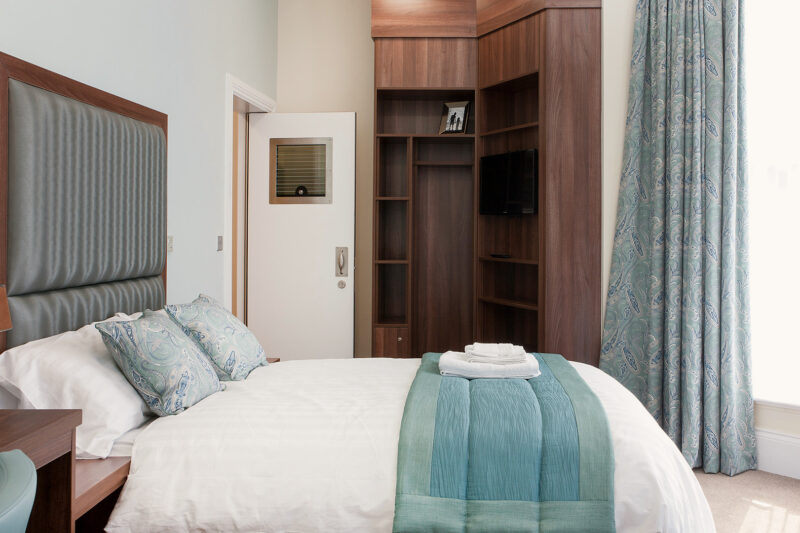
Woodbourne’s linked hospital overview brochure describes Manor Ward as a small private setting with nine single bedrooms, each with an en-suite bathroom, television and telephone. It also describes grounds and spaces for treatment and everyday activities. These details concern the named ward; they should not be extended to every service at the hospital or assumed to establish current room availability.
The brochure distinguishes activities included in the program from some optional services that may cost extra, such as individual personal training, individual yoga or complementary appointments. Ask for the current ward information and an itemized agreement before relying on an amenity description. A single room does not specify the frequency of individual therapy, access to a consultant or the staffing arrangement overnight. Those clinical details deserve separate confirmation. The brochure also discusses referral and insurance arrangements, including situations in which a GP referral is preferred or required by an insurer. Contact admissions about the route appropriate to the proposed treatment instead of assuming one referral rule applies to all patients.
What the addiction brochure says about treatment and family work
The linked addiction treatment brochure describes a free initial addiction assessment, a consultant-led plan, individual therapeutic work, groups, education and a twelve-step component. An initial discussion helps identify a possible pathway; it does not replace the medical assessment needed to determine whether detoxification or hospital care is appropriate.
The brochure also explains family involvement and support after residential treatment. Its descriptions connect some aftercare eligibility to completing the agreed program, including references to a twenty-eight-day course. Families should therefore ask what their particular package includes, who can attend family sessions and how support continues after discharge. Do not assume that a shorter detox admission carries exactly the same arrangements as a longer therapeutic program. The document contains older material, so its service description should be read alongside current program pages and the written offer from Woodbourne. The useful comparison is the proposed clinical plan, family participation and continuing-care arrangements, rather than an outcome percentage or a general promise that one program suits every addiction.
Transform 28 and the longer inpatient pathway
Priory describes Transform 28 as a twenty-eight-day inpatient addiction program, with a published network starting price of £21,813. The program includes medically supervised detoxification when indicated, described as lasting up to ten days within the package, and therapeutic work. A person may begin parts of therapy while detoxification is still being completed if the clinical team considers this appropriate.
The current program page also describes twelve months of aftercare. Its Recovery 360 offer for people completing alcohol treatment has its own eligibility and operating arrangements. Where monitoring is provided, the page describes weekday support; this should not be understood as an emergency response service available at any hour. Ask Woodbourne which components apply to the individual admission, what happens if detoxification or another clinical need requires more time, and how follow-up is arranged locally. The network starting price is a reference point, not a confirmed Woodbourne invoice. A written quote should identify the proposed dates, treatment components and any separately charged services.
Reset 7/10 is a detoxification pathway
The Reset 7/10 page describes a shorter inpatient pathway centered on medically supervised detoxification. It publishes starting prices of £6,540 for seven days and £8,722 for ten days. Which option is appropriate depends on assessment; choosing a price or number of days cannot determine whether a withdrawal plan is clinically sufficient.
This pathway has a different purpose from a longer admission with more extensive therapeutic work. Priory explains that some people may need a longer program, including Transform, rather than the shorter option. Ask what assessment takes place before admission, what support is included during the stay and what follow-up will be available afterward. If more time is required, the clinical and financial implications should be made clear. Medication use and changes should remain with the treating professionals. The published durations are program formats, not instructions to complete withdrawal within a deadline, and a short admission should not be treated as confirmation that further treatment is unnecessary.
Anchor outpatient therapy and the conflicting starting prices
Anchor 1:1 is Priory’s flexible individual outpatient addiction therapy, offered online or in person. It can be relevant to someone seeking earlier support or continuing therapeutic work after a more intensive program. The dedicated page says prices start at £124 per session, while Priory’s general addiction price table lists £155 per session. Both figures were visible during this review; neither is presented here as a confirmed Woodbourne quote.
Ask which tariff applies to the chosen clinician, location and appointment format, how long the session will last, and whether assessment is charged separately. The individual-therapy pathway is not a substitute for medically necessary withdrawal management. Its suitability needs to be established before someone relies on outpatient appointments alone. A clear comparison with inpatient treatment should consider what support is needed between appointments and the treatment plan, as well as the session price. The two published amounts should be resolved in writing before booking.
Adult autism support takes place in a defined Birmingham cohort
Priory’s current adult autism post-diagnostic pathway is a twelve-week program for adults with a formal diagnosis. It combines individual appointments with eight ninety-minute group sessions. The central page places all group sessions face to face in Birmingham, while individual appointments may be online. A reference to another Priory clinic should not be taken to mean the groups meet there.
The closed group has a maximum of eight participants. Suitability includes being able to take part in the group; the page identifies exclusions involving acute crisis, severe psychiatric symptoms and significant substance-use difficulties. Published self-pay prices are £1,150 for people diagnosed by Priory and £1,250 for people with an external or NHS diagnosis, with the latter including an initial suitability appointment. These are autism-support prices, not ADHD assessment fees. Ask for the exact group dates, meeting location, accessibility arrangements and individual appointment schedule. Receiving an autism diagnosis does not itself establish a need for hospitalization, and participation in this support program remains a separate decision from any other treatment.
Cognitive stimulation for memory difficulties
The Birmingham cognitive stimulation program is described as eight weekly, ninety-minute, face-to-face sessions in a closed group. Its intended participants have early to moderate memory difficulties that have been present for at least six months. The provider distinguishes this from support for advanced impairment. Assessment is therefore needed to establish whether the group is appropriate rather than treating memory concerns as interchangeable.
Activities described include discussion, games, reminiscence and practical exercises, with material to use between sessions. The published course price is £695, covering the eight sessions, materials and therapist involvement. Ask what information is needed before joining, whether a family member can help with preparations, and what happens if the person misses a session. The closed format also makes the starting date relevant; it is not simply an appointment that can be joined at any point. This is a specific outpatient offering. Its activity list and price do not establish a guaranteed cognitive improvement or replace an assessment of the causes of new memory changes.
The depression group has limits on severity and suitability
Woodbourne’s depression therapy group is described for adults with mild to moderate depression. It runs as a six-week closed course totaling twelve hours. The page distinguishes the group from care for severe symptoms, acute risk or significant substance-use difficulties, so a prospective participant should have the appropriate suitability discussion before enrolling.
The course addresses understanding depression, feelings, sleep, rest, movement, nutrition and a sense of purpose. These are topics within a therapeutic program, not claims that changes in food or exercise alone treat every depressive illness. Ask how the group relates to any existing individual therapy, psychiatric care or medication follow-up. A course delivered on set dates requires planning for attendance, and a missed session may affect the experience differently from an individual appointment. Priory describes self-pay and insurance routes, but the page does not provide a single guaranteed personal price. Confirm the current fee, coverage requirements, course dates and who to contact if symptoms become more severe while waiting or attending.
Exam-stress groups differ for adults and teenagers
The exam-stress program sets out different formats for adults and young people. Adults attend four online sessions over two weeks, with two weekday evening sessions each week. The course for ages fifteen through seventeen runs weekly over four weeks and may be face to face or online according to local demand. It also describes individual appointments before and after the group and parental consent for younger participants.
The published price is £195 for the course. Both formats use closed groups, with a maximum of eight participants, and focus on mild to moderate exam stress rather than acute psychiatric risk. Ask which age-specific course is currently running, whether the proposed format meets the student’s needs, and how the individual appointments are scheduled. Exam pressure does not automatically imply a mental-health disorder or a need for residential treatment. The practical question is whether this short group is appropriate, or whether the concerns need a different assessment or more sustained support.
Official pages and linked brochures reviewed October 19, 2026. Current clinic availability, individual suitability, appointment arrangements and all costs require confirmation with Woodbourne. Older brochures are distinguished from current program pages.
Priory publishes network starting prices of £21,813 for Transform 28, £10,260 for Foundations 16, £6,540 for Reset 7/10, £4,128 list price for Elevate 12 (currently promoted at £3,302 for November virtual groups) and £155 per Anchor 1:1 session. Costs can vary by location, and Woodbourne availability and a written quotation should be confirmed. Self-pay and private medical insurance routes are available. The hospital is at 21 Woodbourne Road, Edgbaston, Birmingham B17 8BY; call 0121 434 4343.