Priory Hospital Woking: mental-health and addiction treatment
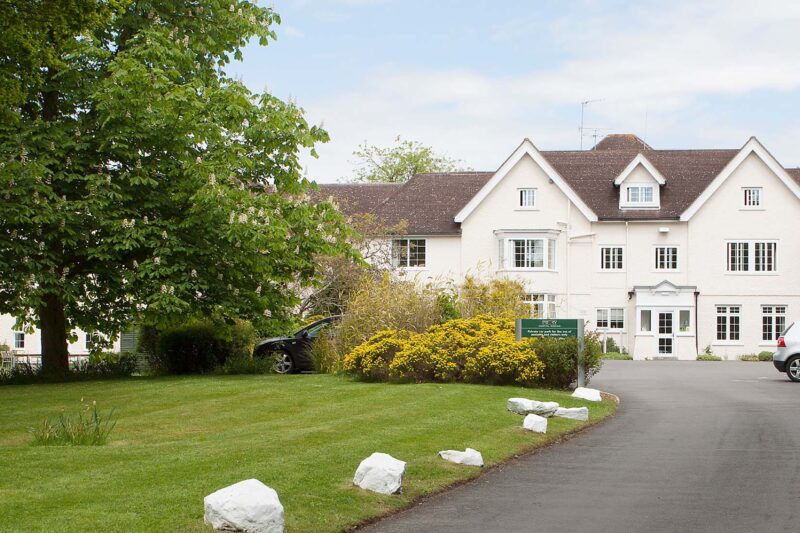
Priory Hospital Woking provides inpatient and outpatient treatment for mental-health conditions and addictions in Knaphill, Woking. Its outpatient clinic also offers private autism assessments and support for adults aged 18 and over.
Programs and duration
Current addiction pathways include Transform 28, a 28-day inpatient program; Foundations 16, blending inpatient detox with day-care therapy; Reset 7/10, a 7- to 10-day medically assisted detox; Anchor 1:1 flexible outpatient therapy; and Elevate 12, a 12-week online program. Program suitability remains subject to assessment.
Adult autism assessment at Woking Lodge
The current Woking hospital page identifies its outpatient clinic as an access point for adult autism assessment, alongside the hospital’s broader psychiatric and addiction services. Assessment is available for adults aged 18 and older. The advertised assessment starts at £2,222, with a separate £49 suitability assessment beforehand. A formal general practitioner referral is not required for this particular assessment route. These details describe a diagnostic service; an autism assessment does not itself establish a need for inpatient treatment.
Someone considering this pathway should ask what the assessment includes, which clinician will conduct it, what information from childhood or other informants is needed, and when the written report will be available. Explain any communication or sensory accommodations before booking. Also distinguish the diagnostic appointment from subsequent psychological support: they have different eligibility, appointment structures and fees. If another organization will need the report for support or further care, clarify its requirements in advance rather than assuming a particular assessment automatically secures those services.
Hospital accommodation and psychiatric support
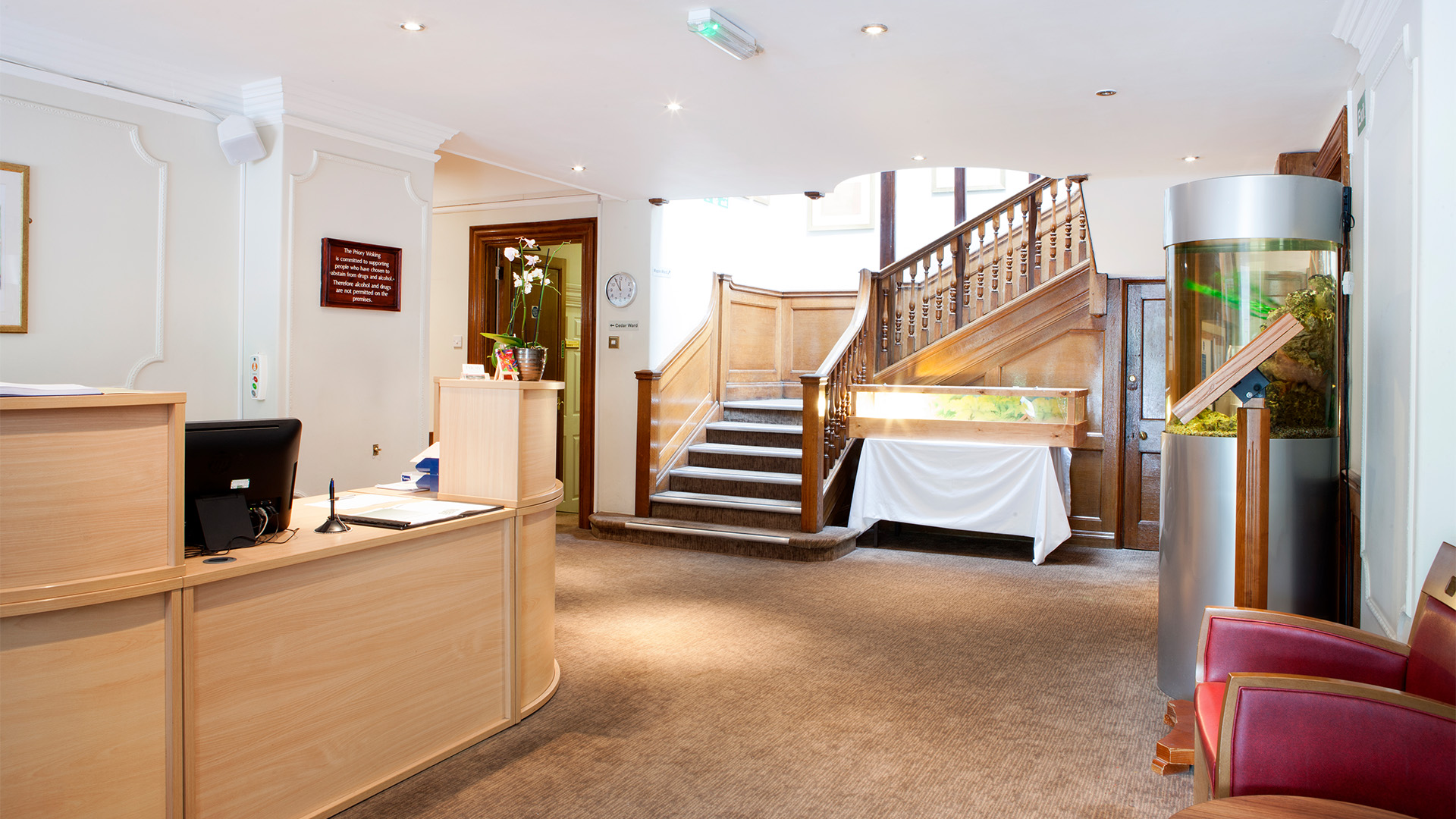
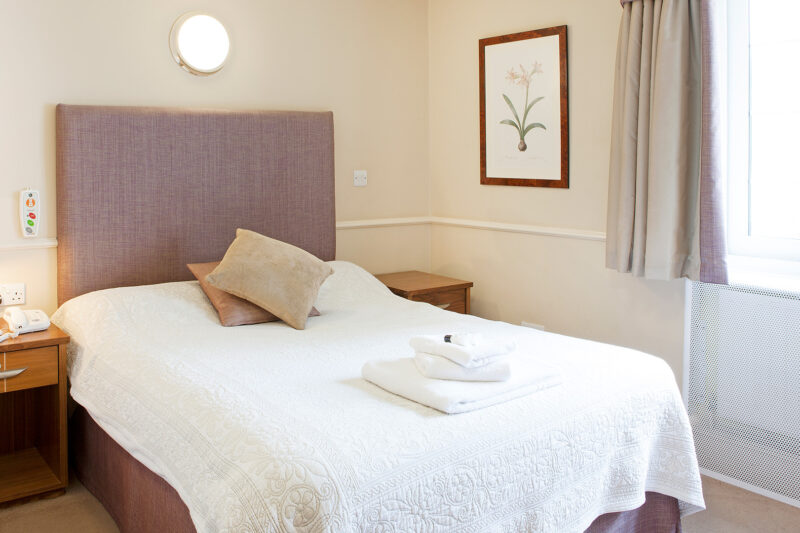
Woking’s linked mental health and wellbeing brochure describes private, single-occupancy bedrooms with en-suite facilities, communal living areas, gardens and dietary catering. It also describes access to an on-site doctor and nursing support around the clock. These are provider descriptions of the hospital setting, rather than a promise that a particular room or every clinical service will be available on an intended admission date.
The brochure separates inpatient care from day treatment and outpatient appointments. Its general mental health program includes group work, individually selected therapies and a weekly meeting with a designated nurse. For a prospective inpatient, useful questions concern the responsible consultant, the frequency of medical reviews, help available overnight and arrangements for physical health needs. Accommodation preferences should follow that clinical discussion. A private bedroom does not establish suitability for every psychiatric presentation, and the ability to travel to Surrey does not replace an assessment of the support someone needs.
Day treatment and continuity without an overnight stay
The hospital’s overview brochure describes specialist day groups both for people who do not need an inpatient admission and for those continuing treatment after one. Examples include a ten-week bereavement program, anxiety and self-esteem work, art therapy, cognitive behavioral therapy and a longer DBT-informed pathway. The brochure’s menu is a starting point for discussing current groups, rather than a timetable or confirmation that each course has an immediate opening.
For someone living locally, the practical comparison is the frequency and intensity of support between appointments. Ask which group addresses the agreed treatment goals, whether it accepts new participants now, and how it connects with any existing therapist or psychiatrist. Someone traveling from farther away should establish attendance requirements before arranging accommodation. The brochure refers to free day-care assessments, while other specialist pathways describe separately priced psychiatric consultations. Obtain the terms for the actual referral route so that an introductory assessment is not confused with the complete diagnostic or treatment process.
The six-week DBT skills group
A separate low-intensity DBT group leaflet describes six weeks of skills teaching, with one 90-minute session each week. Topics cover mindfulness, distress tolerance, understanding emotions and interpersonal effectiveness. Sessions combine discussion, guided practice or role play, reflection and work to practice between meetings. This is a skills-focused course, so its description should not be treated as interchangeable with the longer, individually supported DBT pathway.
The leaflet calls the group open and rolling, but explicitly says participants sign up for the complete course and cannot attend casually. That distinction matters when planning work, caregiving or travel. It advertises £125 per group, with self-payment or private insurance subject to the policy’s cover. Ask how the six sessions are scheduled, when the next entry point falls, and whether an introductory assessment or other appointments add to the charge. Discuss the help available between sessions and whether this level of support fits the person’s current needs before committing to the course.
The longer DBT-informed pathway
Woking’s 26-week DBT-informed program leaflet describes a different commitment: a weekly two-and-a-half-hour skills group, regular key-worker or individual sessions, consultant follow-up and a therapist consultation process. It covers four skills modules and says the pathway can also be offered remotely. The named targets include self-harm, behaviors that interrupt therapy and difficulties affecting daily life, with suitability and commitment assessed before entry.
The leaflet lists £9,295 for the full course. It distinguishes the consultant’s separately priced initial mental health assessment from the included pre-group assessment and commitment session. Calling the whole assessment process free would therefore be misleading. Confirm the proposed delivery format, appointment frequency outside the group and what the package covers. A planned weekly course also needs a clear arrangement for urgent deterioration between appointments. Someone in immediate danger needs urgent assessment rather than waiting for a group start date or assuming a remote session provides continuous crisis care.
Addiction treatment, family work and aftercare
The linked Woking addiction program brochure describes an abstinence-based approach drawing on the Minnesota and 12-step models. It combines individual work with group sessions, education, relapse-prevention planning and family involvement. It also describes medically assisted detoxification when needed, with the decision based on assessment. A behavioral concern or an interest in the program does not mean everyone needs medical withdrawal treatment.
The brochure describes therapist-led family support and a facilitated family session addressing relationships and onward planning. For people completing its described program, it offers weekly therapist-led aftercare for twelve months and, with permission, follow-up calls every three months. Confirm how those arrangements apply to the specific current pathway, particularly when choosing a shorter or partly outpatient option. Ask whether family participation can be remote and how consent governs the information shared. The continuing-care plan should identify the next clinician and available local support, rather than treating completion of the residential portion as the end of care.
Confirm the location of autism support groups
The linked Woking autism support leaflet describes a closed group of up to eight adults over twelve weeks, combining individual appointments with face-to-face groups at Woking. It lists £1,250 for people diagnosed outside Priory and £1,150 for those diagnosed within Priory. However, Priory’s current central pathway page says its group sessions take place at the Birmingham facility, while individual appointments can be online. The available materials therefore do not establish a single consistent group location.
Before paying or making travel plans, obtain the actual cohort address, start date, price and format in writing. Ask whether the local leaflet still describes an available Woking cohort or whether the central arrangement applies. The pathway provides post-diagnostic understanding and support; it is separate from autism diagnosis and from treatment for an acute psychiatric crisis. The local leaflet sets suitability limits for significant distress and other complex needs, so an assessment should consider appropriate alternatives when this particular group cannot provide sufficient support.
How the Foundations pathway divides treatment
The current Foundations program page explains the partly residential pathway in more detail than its short name suggests. It combines an initial inpatient week with nine day-care treatment days over the following three weeks, alongside individual therapeutic support. This differs from spending the entire period in hospital. The initial stage addresses detoxification or stabilization according to the person’s assessed needs, followed by work that continues while they are living outside the inpatient setting.
For a Woking referral, confirm the starting service, the hospital days and the exact day-care timetable. The ability to attend repeatedly after discharge is central to deciding whether the format is practical. Discuss transport, the home environment and how the team will respond if someone needs more support between treatment days. The page describes twelve months of aftercare, but individual eligibility and delivery should be included in the offer. A branded package describes a service structure; it does not establish that the same sequence is appropriate for every substance, withdrawal history or co-occurring condition.
What Recovery 360 monitoring can provide
Priory’s Recovery 360 page describes remote alcohol-recovery support using an app and connected breathalyzer, with clinical review on weekdays. It also offers a way to involve a nominated companion, with access controlled by the client. Clinical messages remain private. This is a distinct monitoring and support service, so the presence of connected technology should not be read as continuous clinician observation or an emergency response arrangement.
The page advertises three months of standalone access for £1,012 and included access after completion of specified Priory pathways. Ask which completion criteria apply, when access starts and what happens when the included period ends. Establish who reviews results, when contact is available and what to do outside those hours. Discuss how any companion role will work before enrolling, particularly where family relationships are strained. Monitoring may be one part of an agreed continuing-care plan, but it should sit alongside a clear arrangement for ongoing clinical treatment and urgent help when needed.
Compare a written Woking quotation with network prices
Priory’s published addiction pricing page provides starting figures for several named pathways, rather than one standard Woking admission price. The programs differ in their inpatient days, outpatient contact and overall format. A short detox package, a longer residential program and online treatment therefore should not be compared solely by the headline total. Ask the hospital to identify the exact pathway and location to which its quotation applies.
A useful written breakdown distinguishes assessment, medical support, therapy, accommodation where applicable and continuing care. It should also explain the financial consequences of a clinically necessary extension, a change of level or an early departure. For insured treatment, establish authorization before relying on a network’s general acceptance of an insurer. Promotional online-group prices may apply to a particular start date rather than to an inpatient service. Confirm current Woking availability and all individual costs separately; the published figures are reference points for that discussion, not a guarantee of the final bill.
Fees, insurance and contact
Priory publishes network starting prices of £21,813 for Transform 28, £10,260 for Foundations 16, £6,540 for Reset 7/10, £4,128 list price for Elevate 12 (currently promoted at £3,302 for November virtual groups) and £155 per Anchor 1:1 session. Costs can vary by location, so Woking availability and a written quotation should be confirmed. The hospital accepts self-pay and leading UK private medical insurers. Adult autism assessments are advertised from £2,222. The hospital is at Chobham Road, Knaphill, Woking, Surrey GU21 2QF; call 01483 489 211.