Priory Hospital Roehampton
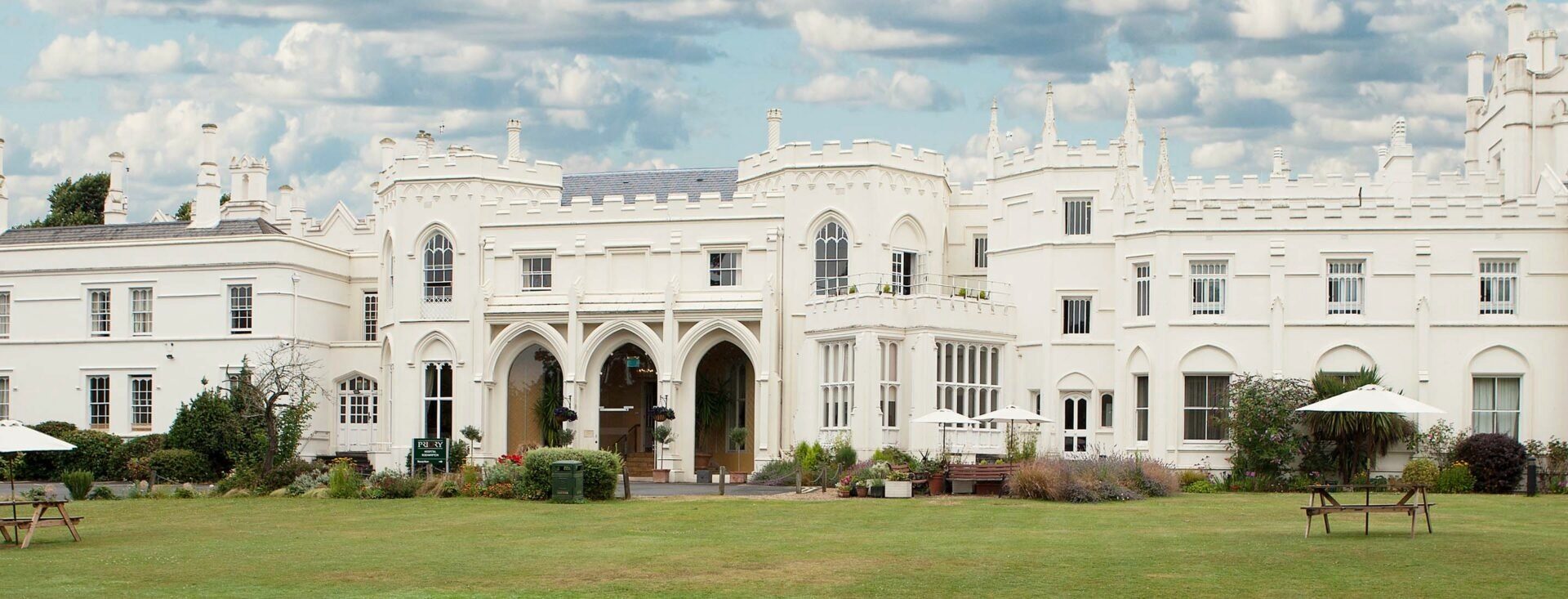
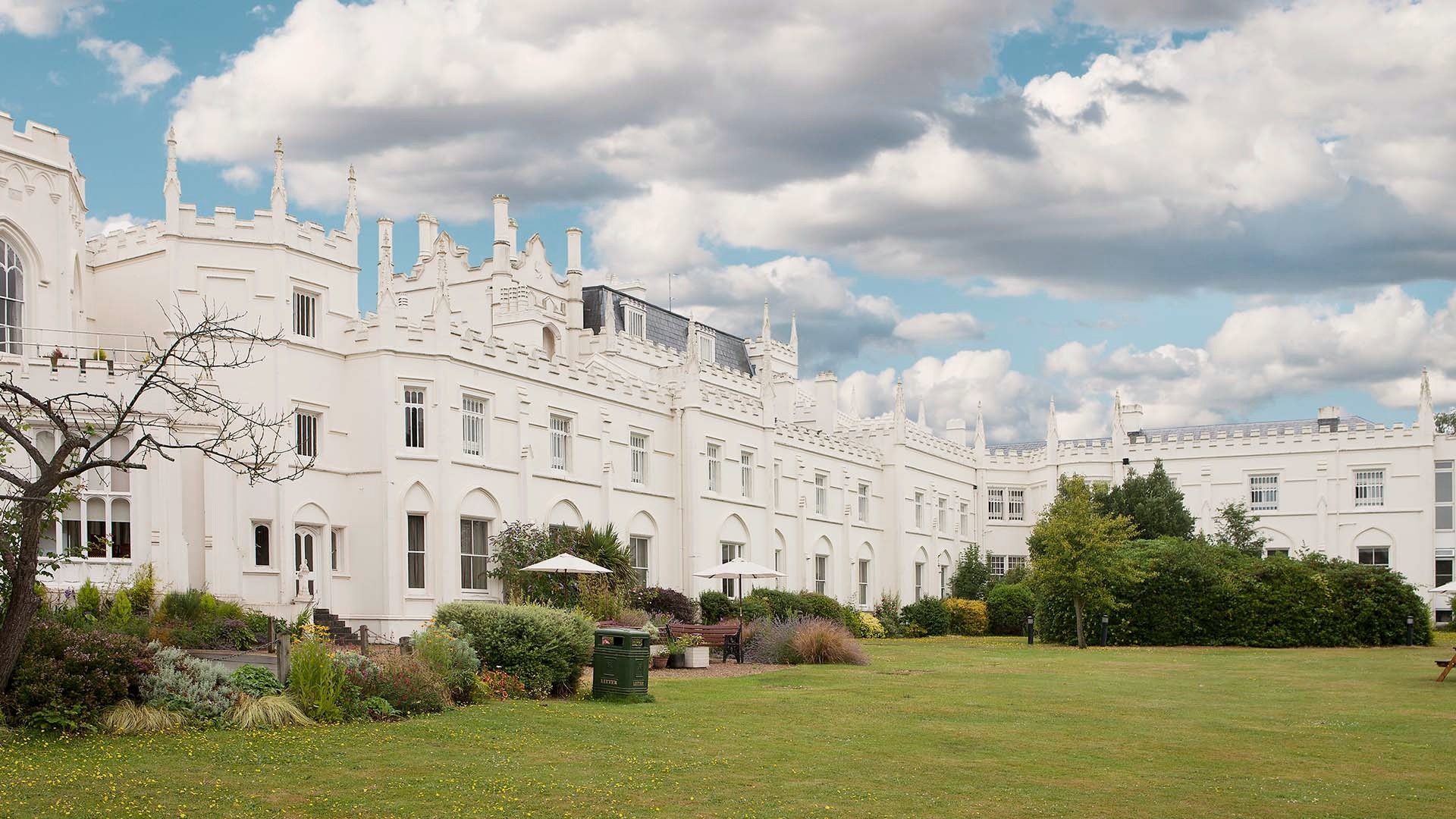
Priory Hospital Roehampton 2 photos
Priory Hospital Roehampton is a private hospital in southwest London providing mental-health, addiction, eating-disorder and young people’s services. The hospital offers inpatient, day-care, outpatient and online treatment, with program eligibility determined by assessment.
Treatment at Roehampton
Addiction options published for this hospital include the 28-day Transform inpatient program, the Foundations 16 blended inpatient-detox and day-care program, medically assisted Reset 7/10 detox, flexible Anchor 1:1 outpatient therapy and the 12-week online Elevate program. Priory publishes a network starting price of £21,813 for Transform 28, including 12 months of aftercare. The current Elevate 12 offer is £3,302 for eligible new self-paying clients joining November start dates, subject to the program terms and confirmation. Mental-health care includes individual plans and one-to-one or group therapy. Adult outpatient eating-disorder support is also available.
Young people aged 4–17 can access outpatient support, while day-care and inpatient care are available for ages 12–17. The dedicated young people’s service page describes 16 single-occupancy bedrooms in total across Richmond Court and Kingston Court, with term-time education. Confirm current ward arrangements and availability directly.
Contact, funding and fees
The hospital is at Priory Lane, Roehampton, London SW15 5JJ and lists local telephone 020 8876 8261. Priory accepts self-payment and leading UK private medical insurers, subject to authorization and policy terms. Network examples include Transform 28 from £21,813 and Elevate 12 from £4,128; the advertised £3,302 Elevate offer applies to eligible new self-paying clients for November start dates, with full-program commitment and payment conditions. These examples are program-specific and should not be treated as a universal hospital fee.
What hospital support means at Roehampton
The Roehampton hospital page describes consultant-led care, an allocated primary nurse, and junior medical staff onsite around the clock for inpatients. The wider team includes psychologists, therapists, occupational therapists, nurses, and dietitians. Private inpatient rooms are described as single en-suite rooms with nurse-call facilities. These arrangements concern hospital admission, rather than every outpatient or online program associated with Roehampton.
Ask which ward and clinical team would be involved in your care and how often reviews are expected. The hospital also directs some outpatient work to Wimbledon Park Clinic, so confirm the address for each appointment. Visiting arrangements vary by ward and should be checked before relatives travel. A hospital’s range of services is useful only when the proposed plan identifies the particular service, staff responsibilities, and follow-up that match your assessed needs.
Young people’s pathways and ward capacity
The dedicated London young people’s service page describes 16 single-occupancy bedrooms in total across Richmond Court and Kingston Court. Its inpatient and day pathways cover ages 12–17, while outpatient support extends to ages 4–17. The page distinguishes day care from the more intensive day-hospital option: the latter can involve attendance between one and five days weekly, with therapy and education while the young person continues living at home.
Confirm the current ward arrangement and available places rather than reading the broad campus description as 16 beds on each ward. Families should also ask which program is proposed, how schooling is coordinated, and how information is shared with existing clinicians. The dedicated service describes planning for discharge and school reintegration from admission. Age eligibility and intensity should be confirmed for the exact pathway, particularly when comparing it with a separate short course.
School-avoidance support is a distinct educational pathway
Roehampton’s emotionally based school avoidance program is described for ages 12–18. It combines occupational therapy and educational support in the onsite school, with 10 sessions over five weeks, each lasting 2.5 hours. The provider lists a £155 suitability assessment and a £3,375 program price, with the assessment cost included in the overall program cost if the young person proceeds. This is a specific course, not the fee for general CAMHS treatment.
A diagnosis is not required, but the service assesses whether this level of support is appropriate. Its exclusions include an acute mental health crisis, significant suicide or self-harm risk, and needs requiring specialist eating-disorder or inpatient care. Ask how family reviews and school liaison would work for your child. The course’s age range differs from the inpatient service, so an 18-year-old’s eligibility for this pathway does not establish eligibility for a youth inpatient bed.
Online RO-DBT differs from the standard DBT group
The Roehampton radically open DBT program focuses on patterns of excessive control, rigidity, and social disconnection. Priory describes a 26-week online group on Fridays, delivered through Zoom, with written materials and work between sessions. It uses an open-group format in which participants can join during the cycle. The published self-pay example is £315 per class, with insurance funding subject to authorization.
The provider distinguishes this from its standard DBT group, which has a different treatment focus. Ask the assessing clinician why one pathway is being suggested and whether the format suits your needs. A program name or an informal description of your personality is not sufficient to choose treatment. Confirm session length, current start arrangements, and how progress is reviewed before calculating the cost or committing to a lengthy course.
The trauma pathway has its own structure
The Roehampton trauma pathway is described as eight full treatment days across eight weeks, with the same group starting and finishing together. The provider includes eight individual therapy sessions alongside group work and describes educational, reflective, creative, and movement-based elements. It publishes £632 per day for self-paying participants, with an initial clinical assessment to determine suitability and a keyworker as the main contact.
These details explain the format without guaranteeing a particular outcome. Ask which individual treatment would address your symptoms and how it relates to the group sessions. Clarify whether the quoted daily fee includes all individual appointments and what support is available between treatment days. A closed group also has different entry arrangements from an open rolling course. If the pathway does not fit your current needs, ask the clinician which alternative service is appropriate.
Promoting wellbeing is not an acute-care program
The hospital’s promoting wellbeing pathway runs onsite over eight consecutive Tuesdays. Priory describes a full-day format with psychoeducation, practical skills, creative activity, mindfulness, and review, with lunch and a designated keyworker. The published price is £632 per day. It is presented for adults seeking structured support, including people stepping down from more intensive treatment, without requiring a specific diagnostic label.
The same page says the course is unsuitable for active psychosis, mania, or acute suicidal thoughts. That limit should remain clear despite the hospital’s broader clinical capabilities. Ask whether the proposed course provides the intensity you need and what support is available between Tuesdays. If your circumstances change, the plan should identify whom to contact and how care would be reassessed. A full day of therapeutic activity is not equivalent to overnight medical or psychiatric care.
Interpersonal work includes an offsite component
The interpersonal pathway is described as six consecutive Mondays, with open entry into the cycle following assessment. Its schedule includes communication and relationship work, supportive psychotherapy, and an equine-assisted session at nearby Richmond Park. Priory specifies that the horse activity is ground-based rather than riding, with taxis arranged and a member of the therapy team accompanying the group. The published self-pay example is £632 per day.
This is a useful practical distinction for someone with mobility needs, concerns around animals, or difficulty attending a full day. Ask whether adjustments are possible and how the offsite element relates to your treatment goals. Confirm the total package and any extra charges before enrolling. The provider’s descriptions of intended benefits should be discussed as treatment aims, rather than a promise that six sessions will resolve relationship difficulties or another mental health condition.
Transform 28 includes a planned transition beyond admission
Priory’s Transform 28 program page describes 28 days of inpatient addiction care, with medically assisted detox when needed, individual and group therapy, and family support. The published network starting price is £21,813. The program also includes 12 months of aftercare after the hospital stay, which explains why some materials describe a longer overall support period. It does not mean 13 months of hospital accommodation.
Ask how the assessment will determine the need for withdrawal care, when therapy can begin, and what the discharge plan will include. The clinical timetable should reflect your condition rather than assuming everyone completes identical activities on the same day. Confirm the Roehampton quote and the form of aftercare included. Additional outpatient therapy or another program after discharge may be a separate service, so discuss likely continuing needs and costs before admission.
Check the conditions attached to the Elevate promotion
The current Elevate 12 page gives a standard starting price of £4,128 and advertises £3,302 through a 20% offer for new self-paying clients joining November start dates. Its terms require commitment to the full program and full payment at the start, prohibit combining discounts, and allow withdrawal of the offer. The price should therefore be confirmed for the person’s actual start date rather than treated as a permanent Roehampton tariff.
Elevate is a 12-week online addiction program, with evening groups and weekly individual therapy. It is separate from an inpatient stay and is not the starting point for someone who needs medically supported withdrawal. Ask whether the online format is clinically suitable, which time zone and session schedule apply, and how support continues afterward. A promotional price should be considered only after the level of care and practical commitment are clear.
Digital continuing support has defined monitoring limits
Recovery 360 combines an app, a connected alcohol breathalyzer, clinician messaging, and review of recorded activity. Priory specifies that clinical monitoring takes place on weekdays. The service also has optional companion access, with the participant controlling who can view shared progress. The independent plan is advertised at £1,012 for three months; complimentary access is linked to selected treatment pathways and should be confirmed for the particular package.
Ask what happens outside monitoring hours, what response times apply, and which parts of your information are shared. This is not described as continuous emergency supervision or a substitute for a clinically required appointment. Before leaving hospital or completing an online course, agree who manages ongoing prescribing and other treatment needs. Digital monitoring, weekly aftercare groups, and individual clinical follow-up are different forms of support and should be identified separately in the continuation plan.
Related guides: London treatment options, teen programs, and trauma and PTSD care.
Official provider sources reviewed October 19, 2026. Confirm program suitability, age eligibility, ward availability, fees, and payer authorization directly.
Official source: Priory Hospital Roehampton. Official sources checked October 19, 2026.