Priory Hospital Glasgow


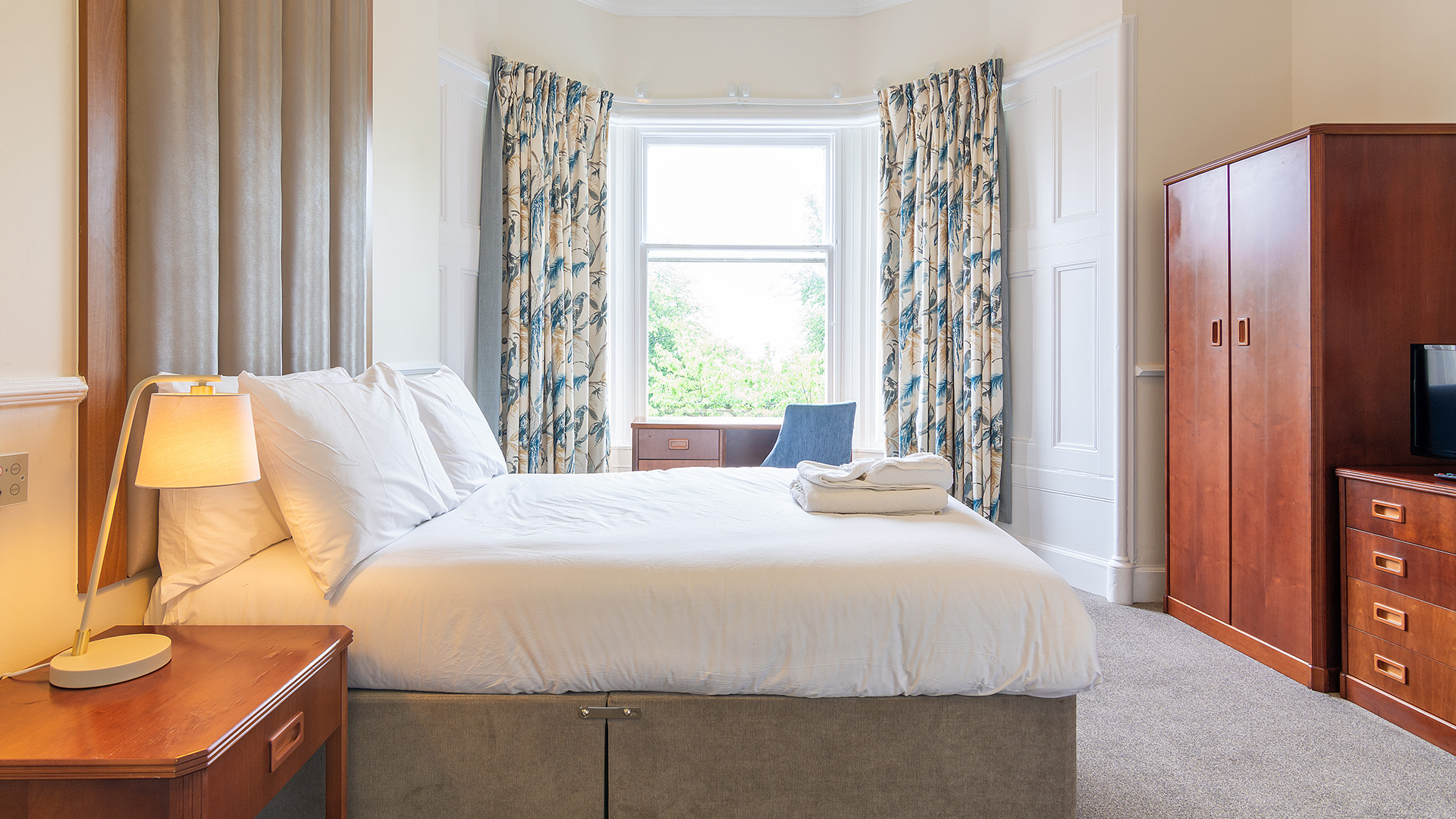
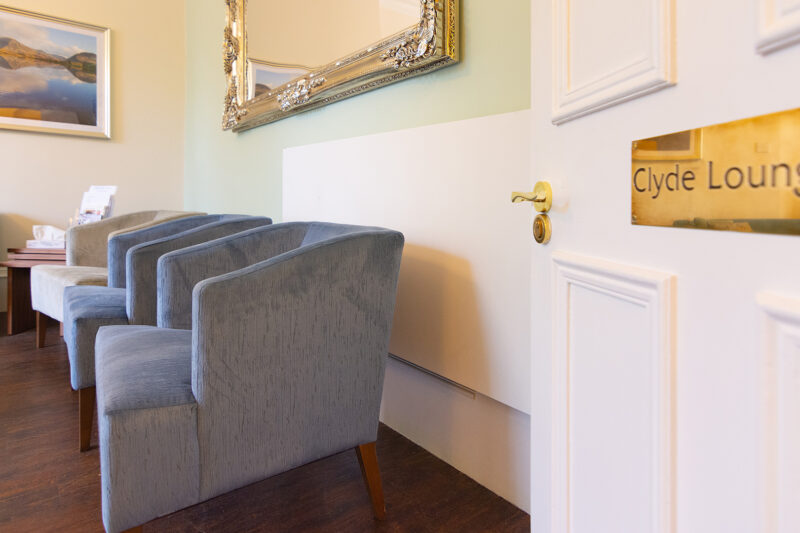
Priory Hospital Glasgow 3 photos


Provider overview
Priory Hospital Glasgow is an inpatient mental-health and addiction hospital at 38–40 Mansionhouse Road, Glasgow G41 3DW. The current official page also lists outpatient and day-care options, private adult autism assessments and a specialist NHS adult eating-disorder service.
Treatment and services
Addiction services include Transform 28, a 28-day inpatient program with medically assisted detox when needed; Foundations 16, a four-week pathway beginning with 7–10 days of inpatient detox and followed by nine day-care sessions over three weeks; Reset 7/10, a 7–10-day inpatient detox; weekly Anchor 1:1 outpatient therapy; and the 12-week online Elevate program. Mental-health care is individualized and can be inpatient, day care or outpatient.
Admissions, duration and payment
The location number is 0141 636 6116 and Priory lists 0330 056 6041 for treatment inquiries. Priory publishes network starting prices of £21,813 for Transform 28, £10,260 for Foundations 16 and £6,540 for Reset 7/10; Glasgow’s adult autism assessment starts at £2,222. Glasgow accepts self-pay and private medical insurance. Confirm program availability and the final written quotation.
Understand the hospital setting and the proposed admission
The Glasgow hospital page describes private inpatient, day-care and outpatient mental health and addiction services. It lists single bedrooms with en-suite facilities and an on-site doctor available around the clock. The page also describes regular consultant review and a designated nurse and therapist, rather than an accommodation-only retreat.
Ask which team and program would receive you, how often individual appointments are planned and how the schedule changes when medical needs take priority. Discuss accessibility, dietary needs and the clinical arrangements relevant to your condition before confirming a stay. A private room does not mean that all therapy takes place individually; clarify the balance of group treatment, individual work and time outside sessions. The hospital’s multiple services have different purposes and admission routes. An inquiry about one program should therefore lead to a specific treatment recommendation, rather than an assumption that every listed service forms part of the same package.
Transform 28 combines an inpatient stay with continuing support
Transform 28 is Priory’s 28-day inpatient addiction program. It includes medically assisted detox when needed, group and individual therapy, family support and a year of aftercare after the inpatient phase. The provider describes a 12-step-informed approach alongside other therapeutic and wellbeing activities.
The program page says participation in therapy can begin during detox when the consultant considers the person ready. That makes the daily plan dependent on clinical condition, rather than a requirement to complete an identical first week. Ask what Glasgow will include in your individual timetable and what the later aftercare consists of. A description of a 13-month pathway refers to the inpatient period followed by continuing support, not 13 months of hospital residence. Before discharge, confirm the next appointments, any day-care or outpatient recommendation and the arrangements for prescribed medication. Separate included aftercare from any additional service you may decide to purchase.
Foundations 16 includes a return-home phase
The Foundations 16 description combines an initial inpatient week with nine day-care days over the following three weeks. During the day-care phase, the person attends three days weekly and also receives weekly individual support. The full program includes 12 months of aftercare.
This structure is different from spending 16 consecutive nights in hospital. Ask Glasgow to confirm the planned inpatient duration, the exact attendance days and whether your home circumstances support the day-care phase. Travel, work and family arrangements need to cover repeated return visits as well as the initial stay. The program information says the later phase is for people who are medically stable and able to engage in therapy. If that changes, the clinical team should review whether the pathway still fits. Clarify who to contact between attendance days and which extra visits, accommodation or treatment would fall outside the agreed package.
Reset 7/10 focuses on detox and the next step
Reset 7/10 is the network’s short inpatient detox program, with a proposed duration of seven to ten days according to clinical needs. It includes medical assessment, continuous monitoring and help with withdrawal symptoms. Its stated purpose is stabilization and planning for further support.
Explain recent substance use, prescriptions, previous withdrawal problems and relevant medical or psychiatric history during assessment. A short program name is not a reason to expect that everyone can leave safely on a particular day. Priory’s page says some people may need detox within a longer inpatient program instead. Ask what the team recommends afterward and whether continuing therapy, day care or another service has been arranged. The cost of a detox admission should also be distinguished from the cost of any subsequent treatment. Obtain a written outline of the expected stages and the process for reviewing a change in care needs.
Anchor 1:1 is outpatient therapy rather than detox
Anchor 1:1 offers individual addiction therapy in person or online. The program description gives weekly 50-minute sessions, with the format and frequency discussed according to need. It can be used for earlier difficulties or continuing support after more intensive treatment.
The page explicitly distinguishes this service from medical detox. Someone who needs support to withdraw safely may require a different starting point. Ask the assessment team what the sessions will address, who will provide them and how progress will be reviewed. If combining online and in-person appointments, confirm the practical arrangements and continuity with the same therapist. A weekly appointment does not provide round-the-clock supervision or a substitute for urgent care. Before choosing this route, discuss whether the level of contact fits the person’s current circumstances and which service to contact if additional support becomes necessary between sessions.
Elevate 12 has a defined online commitment
Priory describes Elevate 12 as a 12-week online program. Its published schedule includes Tuesday and Thursday evening groups from 6:30 to 9 p.m. and a weekly individual therapy session. The program also describes family support and 12 months of aftercare.
Check that the current cohort schedule fits your time zone, work commitments and ability to join privately. Online delivery still involves a substantial, regular clinical commitment. Ask what attendance is expected, how missed sessions are handled and who can help with technology or clinical concerns. The provider says the program is not the appropriate starting point for someone who currently needs medical detox. An assessment should determine whether online care fits the person’s needs after any necessary stabilization. Confirm the complete fee and any promotional conditions separately; a time-limited offer does not establish eligibility or change the clinical requirements for participation.
Mental health assessments have different purposes
The network assessment page distinguishes a digital questionnaire from a virtual appointment with a therapist. These self-funded routes are intended to help identify an appropriate next step. The virtual option includes a recommendations report; the digital option does not include a written report.
Neither should be confused with every type of specialist diagnostic assessment. The page says the virtual service does not provide a psychiatric diagnosis or medication review, and excludes people in crisis or with needs outside its scope. Ask whether your inquiry requires a consultant appointment, the separate Glasgow adult autism assessment or a different service. If using private medical insurance, clarify the insurer’s referral and authorization requirements before booking a self-funded route. The cost of an initial assessment is not the cost of ongoing treatment. A useful outcome is a clear recommendation about the appropriate clinician, setting and next appointment.
Inpatient mental health care is structured around clinical need
Priory’s inpatient treatment explanation describes a predominantly group-based program, supported by individual therapy, key working and family involvement. Treatment approaches are selected for the person’s condition and goals. The purpose is more intensive support when symptoms, safety or physical stabilization needs cannot be managed adequately through occasional appointments.
Ask the Glasgow team how that general model will apply to the proposed admission. Discuss the expected balance of therapy, psychiatric review, medical care and rest, including any changes needed while symptoms are acute. Family involvement should reflect the patient’s preferences and consent. A broad list of techniques on a network page does not mean that every technique will be included in every local timetable. Discharge planning should identify the ongoing clinician and the level of support required at home, including whether a day-care or outpatient phase is recommended after the hospital stay.
Day care and outpatient treatment have different rhythms
The day-care and outpatient guide describes outpatient appointments as individually scheduled visits that may involve therapy or consultant psychiatry. Day care provides a more structured program over full or half days while the person continues living at home.
Clarify which Glasgow service is being offered, how many hours and days it involves and whether online participation is appropriate. A general reference to outpatient treatment does not establish a fixed number of sessions or a particular clinician’s availability. Discuss travel, responsibilities between visits and the support available at home. The network describes these routes both as initial treatment options and as steps after a more intensive stay. Ask what would prompt a change in level of care and how that decision would be communicated. If medication management is part of the plan, confirm the prescriber, review interval and arrangements for sharing information with existing clinicians.
The NHS eating-disorder service has a separate referral route
The NHS service page identifies adult eating-disorder care at Glasgow. It describes Coll, a 14-bed ward for men and women, and Barra, a nine-bed ward for women. The service is intended for a primary eating-disorder diagnosis, with additional mental health needs considered alongside that diagnosis.
The page states that referrals for NHS or local-authority-funded care must come from a referring organization; an individual or family inquiry is not itself a funded admission. Discuss the appropriate route with the current treating team and confirm the receiving ward’s assessment criteria. This service should not be combined with the private addiction programs when comparing eligibility, funding or daily treatment. Its listed multidisciplinary input includes dietetic and occupational support as well as psychological and medical care. Confirm the individual plan and any later placement separately, rather than treating a network step-down example as an automatic part of a Glasgow admission.
Compare complete program quotes rather than weekly averages
Priory’s cost guide presents starting prices for different programs and says costs can vary by location and clinical needs. The underlying services differ: an inpatient hospital package, short detox, repeated day-care attendance and online therapy do not provide the same type of support or accommodation.
Ask for the Glasgow quote for the specific recommendation, including the anticipated duration, medical input, therapy and aftercare. Clarify what an extension would cost and which services are separately billed. For insurance-funded care, obtain confirmation of authorization, policy limits and any personal contribution before a planned admission. The starting prices already listed in this profile should not be converted into a universal weekly rate or interpreted as a guarantee of an available place. If a program changes after assessment, ask the team to explain both the clinical reason and the financial implications.
Keep inspection findings tied to their date
Healthcare Improvement Scotland’s January 2025 report page records an unannounced inspection on November 19 and 20, 2024. Its summary says that inspection resulted in no requirements and no recommendations.
This is a dated regulator finding, not a promise about current vacancies, every clinician or an individual’s treatment outcome. When comparing care, review the latest available regulator information and ask the hospital about the current service and how concerns are handled. Keep an inspection result separate from patient testimonials or the hospital’s own outcome claims. A prospective patient still needs a specific assessment, an understandable treatment plan and clear information about the program they would actually enter.
Provider-specific information reviewed October 19, 2026 using current official program pages and the explicitly dated regulator report. Confirm Glasgow program availability, assessment route, individual suitability and the complete written quotation directly.
Sources and verification
Priory Hospital Glasgow official page and Priory addiction-treatment pricing, checked October 15, 2026. This is a provider-source summary, not an independent clinical assessment.