Priory Hospital Chelmsford
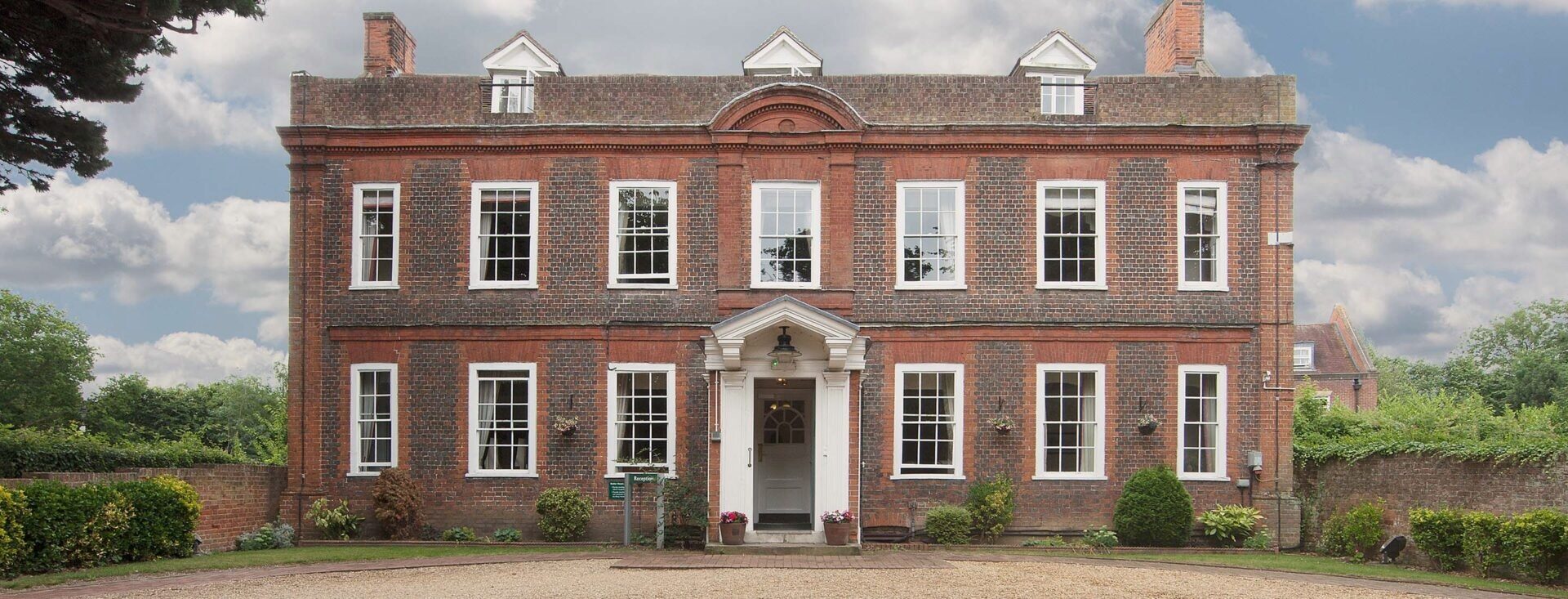
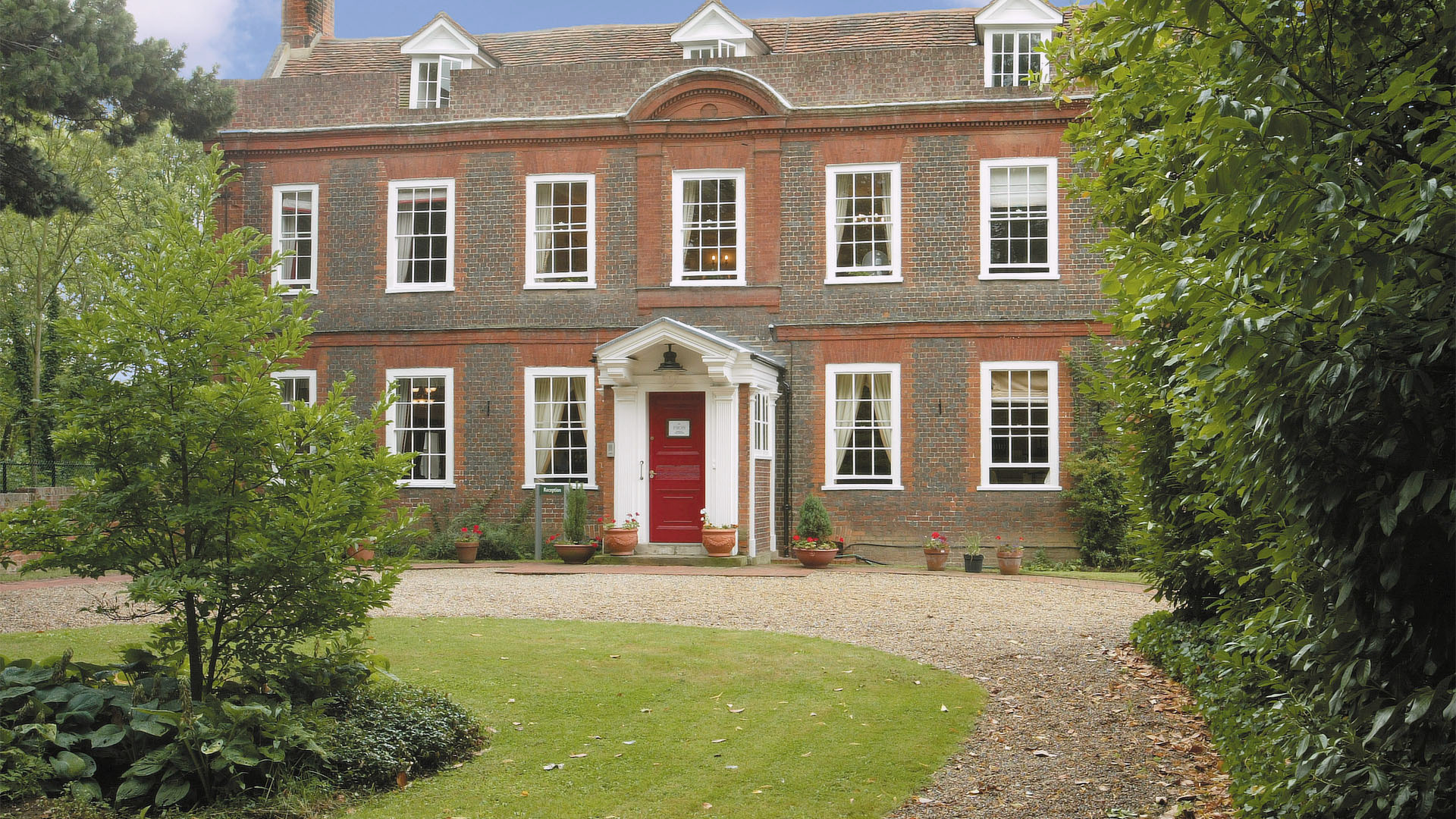
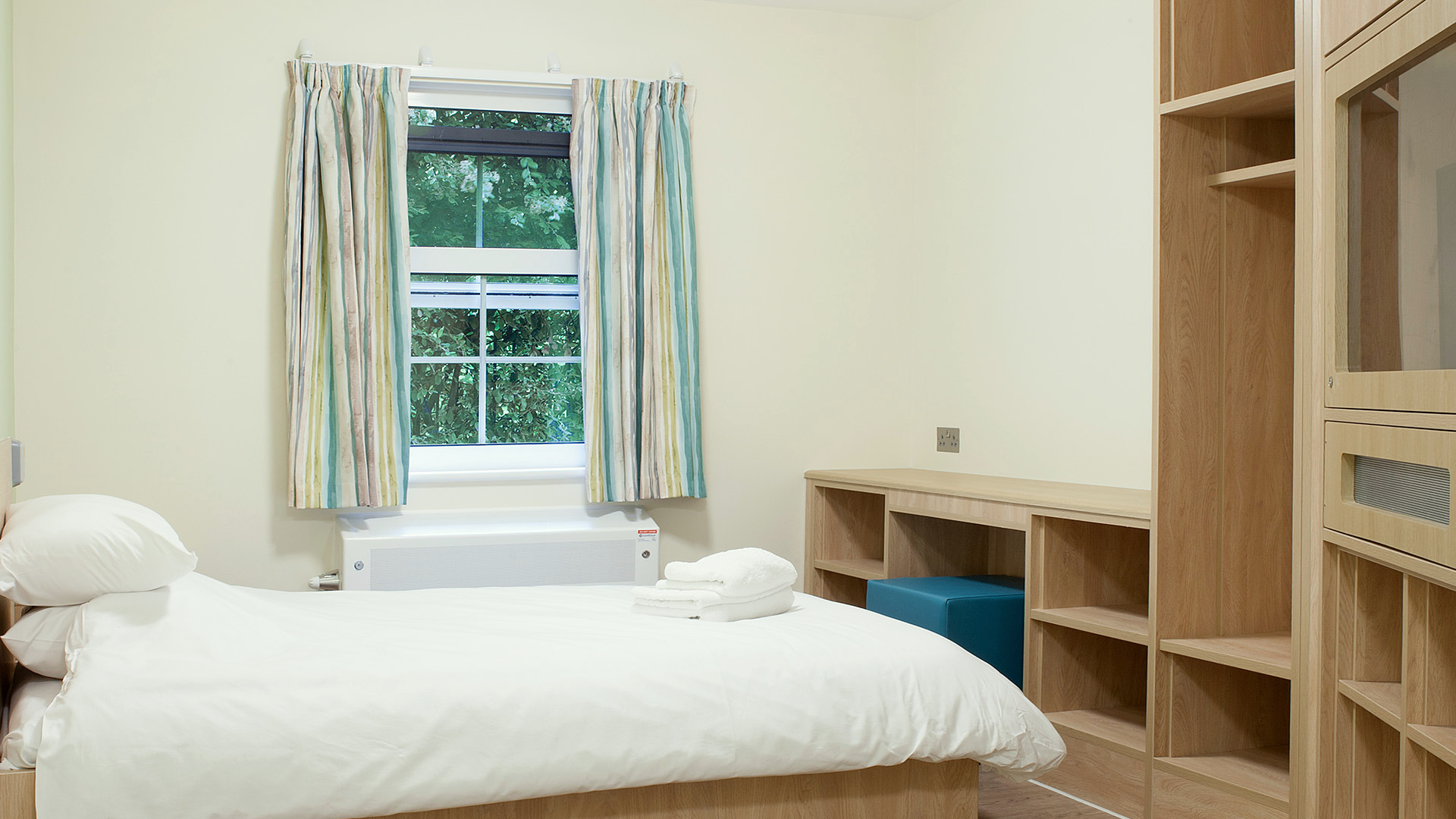
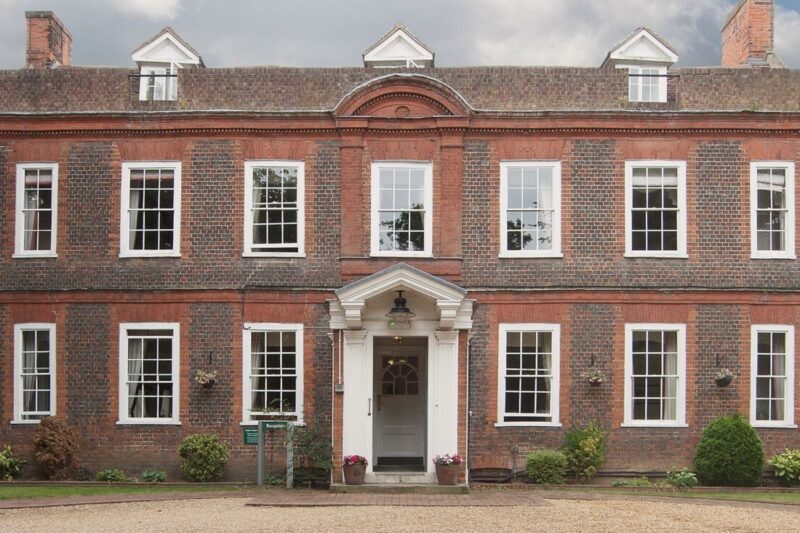
Priory Hospital Chelmsford 3 photos
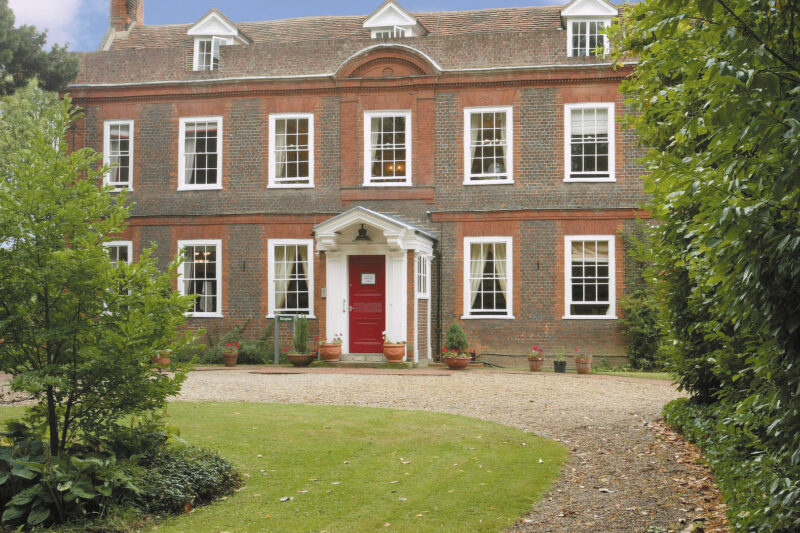

Provider overview
Priory Hospital Chelmsford is a private mental-health and addiction hospital at Stump Lane, Springfield Green, Chelmsford, Essex CM1 7SJ. Adult services include inpatient, day-care and outpatient pathways. Its dedicated service for ages 12 to 17 is described as day and outpatient care. It also offers autism assessments for adults and children and child ADHD assessments. The Care Quality Commission rates the 56-bed independent mental-health hospital Good, updated October 17, 2025.
Treatment and services
Addiction services include Transform 28, a 28-day inpatient program; Foundations 16, a 16-day program blending inpatient detox with day care; Reset 7/10, offering 7–10 days of medically assisted detox; and the 12-week online Elevate program. The hospital also treats mental-health conditions and offers individualized pathways for young people aged 12 to 17. Many addiction packages include 12 months of free aftercare.
Admissions, duration and payment
The local number is 01245 345 345 and Priory’s treatment-inquiry line is 0330 056 6041. Priory publishes network starting prices of £21,813 for Transform 28, £10,260 for Foundations 16 and £6,540 for Reset 7/10. The dedicated Elevate 12 page lists a £4,128 starting price and a £3,302 offer for new self-funding clients starting in November, subject to full-program commitment and payment conditions. Self-pay and private medical insurance are accepted; confirm eligibility, availability and the final quotation.
Confirm the pathway and age group at Chelmsford
The current Chelmsford hospital page describes adult mental health and addiction care alongside a dedicated service for young people aged 12 to 17. Its youth section specifies day and outpatient treatment. Families should therefore confirm the actual youth pathway rather than infer access to an inpatient bed from the hospital’s broader description. The local page also distinguishes adult and child autism assessments from its child ADHD assessment service.
For an inpatient admission, Priory describes psychiatric and physical assessment, a named nurse with an associate nurse, and subsequent therapist assessment. For a day or outpatient referral, the practical arrangement is different: the person returns home between appointments and needs a workable plan outside the hospital. The first conversation should identify the presenting concern, existing treatment, current risk, and proposed setting. A hospital address alone does not establish that every listed condition or age group receives the same level of care.
What the regulator says about the different wards
The CQC inspection summary updated October 17, 2025 describes a 56-bed hospital and distinguishes its services. Chelmer is described as a 12-bed ward serving privately funded patients, including people using medical insurance. Danbury’s 17 beds and Springfield’s 12 eating-disorder beds are described as NHS-funded. The Lodge is described as a three-bed house providing an addiction rehabilitation program. These are inspection-period descriptions rather than a live availability list.
The overall rating is Good, but a useful comparison also matches the particular ward, service, and inspection date to the proposed admission. Someone seeking private eating-disorder care should not interpret an NHS-funded ward entry as a direct private booking option. Similarly, the hospital’s overall bed count should not be advertised as the number of private rooms available. Ask admissions to identify the intended ward, its funding route, and whether the proposed care is delivered there throughout the stay.
Child psychiatry is a separate specialist decision
The hospital’s listed child and adolescent psychiatrist, Dr. Catherine Rowlands, has a provider biography describing assessment and management of young people with a particular interest in anxiety, depression, and neurodiversity. It records experience in both inpatient and outpatient work. That professional background helps explain the advertised specialist service, but does not establish that every setting in the biography remains an available Chelmsford pathway.
For a family considering an appointment, the useful distinction is between a psychiatric assessment, a diagnostic assessment for a particular concern, and continuing therapy. Each may involve different information, appointment lengths, and professionals. Explain previous diagnoses and treatment, current medication, school difficulties, and the young person’s own account of what is happening. The clinician can then discuss what needs further exploration and whether the hospital’s day or outpatient service fits. Confirm current availability and who will coordinate communication with existing clinicians.
Using the young people’s intake route appropriately
Priory’s digital assessment for young people is a national introductory service for ages 4 to 17, costing £69. It gathers information from caregivers and, for ages 13 to 17, a separate young-person questionnaire. This wider national age range does not change the Chelmsford day and outpatient program’s stated ages of 12 to 17. The intake can recommend therapy, psychiatric assessment, or another service; it does not guarantee a local placement.
The provider excludes urgent crises, high-risk presentations, and needs requiring a full multidisciplinary public mental health team from this digital route. Families facing those circumstances need an appropriate urgent assessment rather than waiting for routine online review. For a planned referral, clarify how consent and confidentiality are handled, what documents are useful, and who receives recommendations. A screening payment also should not be assumed to include a full diagnostic report, subsequent consultations, or the price of treatment.
Foundations 16 combines a stay with return visits
Foundations 16 is described as seven days of inpatient detoxification or stabilization followed by nine day-care attendance days over three weeks. The day phase includes group work and weekly individual sessions, followed by 12 months of aftercare after completing the program. Priory lists a network starting price of £10,260. The program name therefore does not mean sixteen consecutive residential nights.
This format has practical consequences for someone traveling to Chelmsford. The day phase requires safe accommodation, transport, and an appropriate home environment between visits; the program fee should not be assumed to cover a hotel or an additional residential stay. Priory describes the return-visit phase for people who are medically stable and ready for therapeutic work. The advertised schedule remains subject to clinical suitability. Before committing, obtain the exact attendance pattern and the plan if a person needs longer inpatient support or cannot manage the transition home.
Reset is a detox option with a separate next step
The Reset 7/10 description presents an inpatient detox program with continuous monitoring and individualized clinical assessment. Published network prices start at £6,540 for seven days and £8,722 for ten days. These are package descriptions, not a prediction of how any person’s withdrawal will progress. The appropriate setting and duration depend on assessment, and Priory notes that some people may need a longer inpatient pathway instead.
For comparison purposes, separate withdrawal management from the therapy and support that may follow. The provider describes planning subsequent care, which might involve outpatient therapy, day treatment, or another program. That planning does not make every later service part of the detox fee. A useful written plan identifies the expected discharge destination, the next clinician or program, medication arrangements, and charges for any extension. Avoid treating the seven-day starting price as a complete cost estimate for every stage of recovery.
Transform 28 and the transition after discharge
Priory’s Transform 28 program combines a planned 28-day hospital stay with 12 months of aftercare. The provider includes medical detox when needed and describes individual therapy, group work, relapse-prevention planning, and family involvement. Its description of a thirteen-month overall pathway includes the aftercare period; it does not mean thirteen months of inpatient accommodation.
The decision is whether that intensity and format fit the person’s assessed needs. Someone comparing Transform with a shorter admission should examine what happens during the stay and after returning home, including the format and schedule of aftercare. Confirm which consultant oversees treatment, how co-occurring concerns are addressed, and whether any additional specialist work is separately billed. The program’s network starting price is not a personalized quotation. Travel, time away from work, and arrangements for dependents also need to match the actual admission and discharge plan.
The Elevate offer has specific payment conditions
The Elevate 12 page describes a twelve-week online addiction program with two evening groups each week and an individual session. Its standard starting price is £4,128. The advertised £3,302 offer is for new self-funding clients starting in November, with commitment to the full twelve weeks and payment in full at the start; it cannot be combined with another discount and may be withdrawn.
Those conditions matter when comparing an online program with a hospital package. The promotional amount is not the usual fee for every start date or funding route, and online attendance does not include inpatient accommodation or medical detox. The provider states that people needing detox may require another service first. Confirm the current offer, the group timetable, confidentiality arrangements at home, and what happens if attendance is interrupted. These are enrollment terms to review alongside clinical suitability, rather than a reason to rush a decision.
Autism assessment is not an admission program
Priory’s autism assessment information lists Chelmsford among participating locations and describes a process involving developmental history, specialist tools, observation, multidisciplinary review, and an outcome meeting. A report explains the findings and recommendations. The local hospital advertises assessments for adults and children, but arranging one does not imply that inpatient treatment is needed or that a diagnosis is assured.
For someone comparing assessment services, relevant details include the professionals involved, whether appointments are online or in person, and how information from caregivers or school is gathered. It is also useful to clarify accommodations for communication or sensory needs before arrival. The published starting fee for a full assessment is £2,222, with introductory assessment fees described separately. Request a complete quotation and ask which subsequent appointments are included. Support recommendations should reflect the person’s actual needs, including any co-occurring difficulties, whatever the diagnostic outcome.
Resolve the child ADHD fee difference before booking
Chelmsford’s location page lists £1,500 for a full child ADHD assessment. The separate Priory ADHD assessment page lists £1,250 for children and young people, with £69 screening charged separately. These figures should remain attributed to their respective pages until the clinic confirms the applicable service and price. The national adult figure of £1,028 should not be substituted for a child’s appointment.
The dedicated pathway describes consultant psychiatric assessment, information about development and symptoms across daily settings, and a report. An assessment can conclude that ADHD criteria are not met. If treatment is recommended afterward, clarify the follow-up plan and the costs of specialist reviews or medication monitoring. Where school information is requested, find out what is needed before the appointment to avoid an incomplete assessment. A price comparison is more meaningful when it includes the same assessment components and clearly separates continuing care.
Match private funding to the proposed service
Priory’s payment guidance describes self-funding and private insurance, with authorization determined by the policy. The insurer may require a GP referral and will need to confirm the covered level of care and number of sessions. The guidance includes a referral requirement for under-18 treatment through its insurance process. An insurer’s relationship with Priory does not establish approval for every Chelmsford service or named clinician.
Before admission or a course of appointments, request the written scope of care and identify any excess, excluded consultation, or additional diagnostic charge. For a combined inpatient and day pathway, confirm authorization for both stages rather than assuming one approval covers everything. Publicly funded wards have their own commissioning routes, so their presence on the campus does not make private treatment available through an ordinary direct NHS booking. The admissions and funding teams should reconcile these details before a financial commitment.
Compare other services in our England treatment guide, and read more about alcohol treatment and care for teenagers.
Provider and regulator sources reviewed October 19, 2026. Published package prices and inspection-period ward descriptions do not establish current availability or an individual quotation.
Sources and verification
Priory Hospital Chelmsford official page, Priory addiction-treatment pricing and Care Quality Commission profile, checked October 19, 2026. This is a provider-source summary, not an independent clinical assessment.