Priory Hospital Bristol

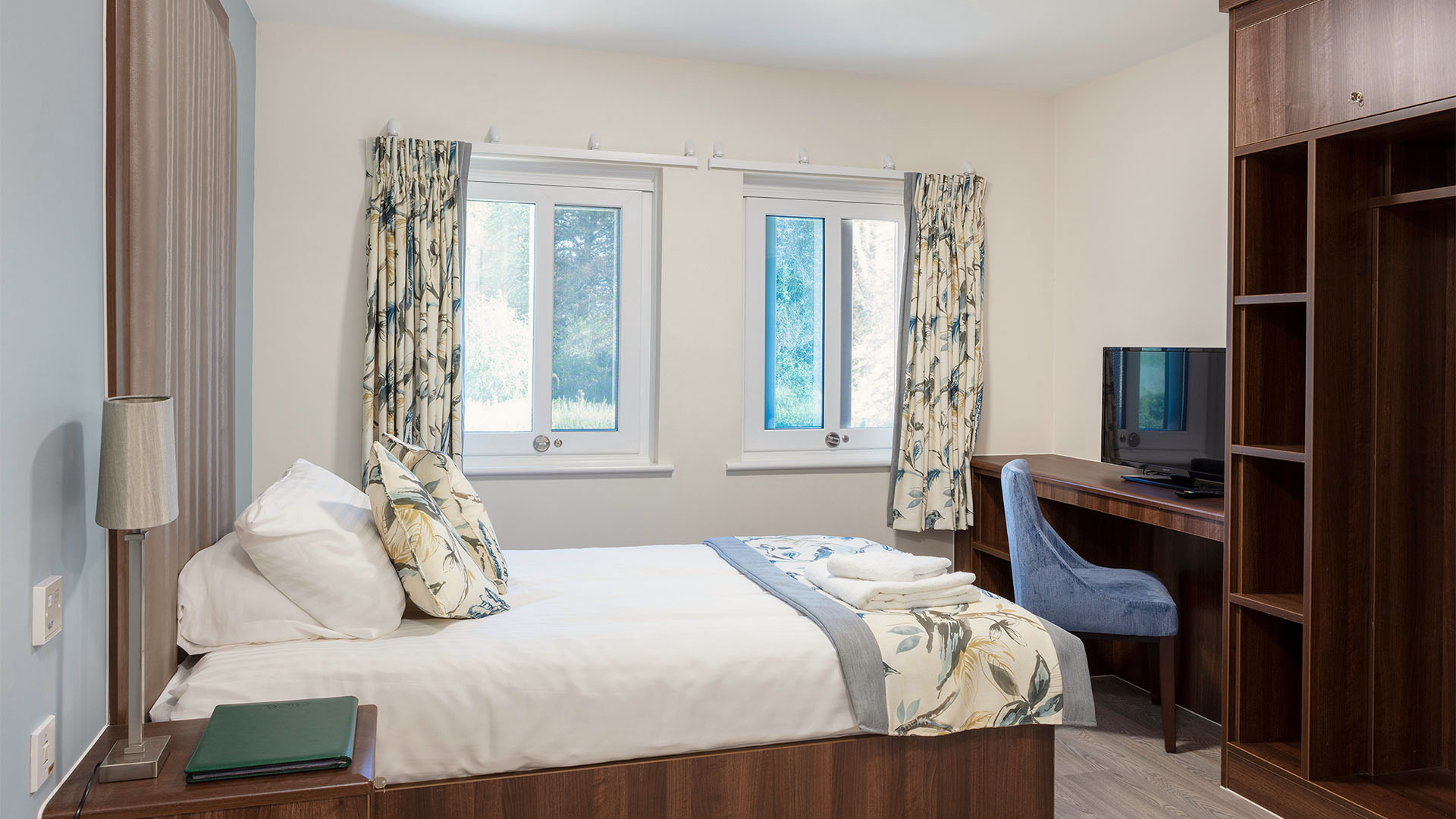
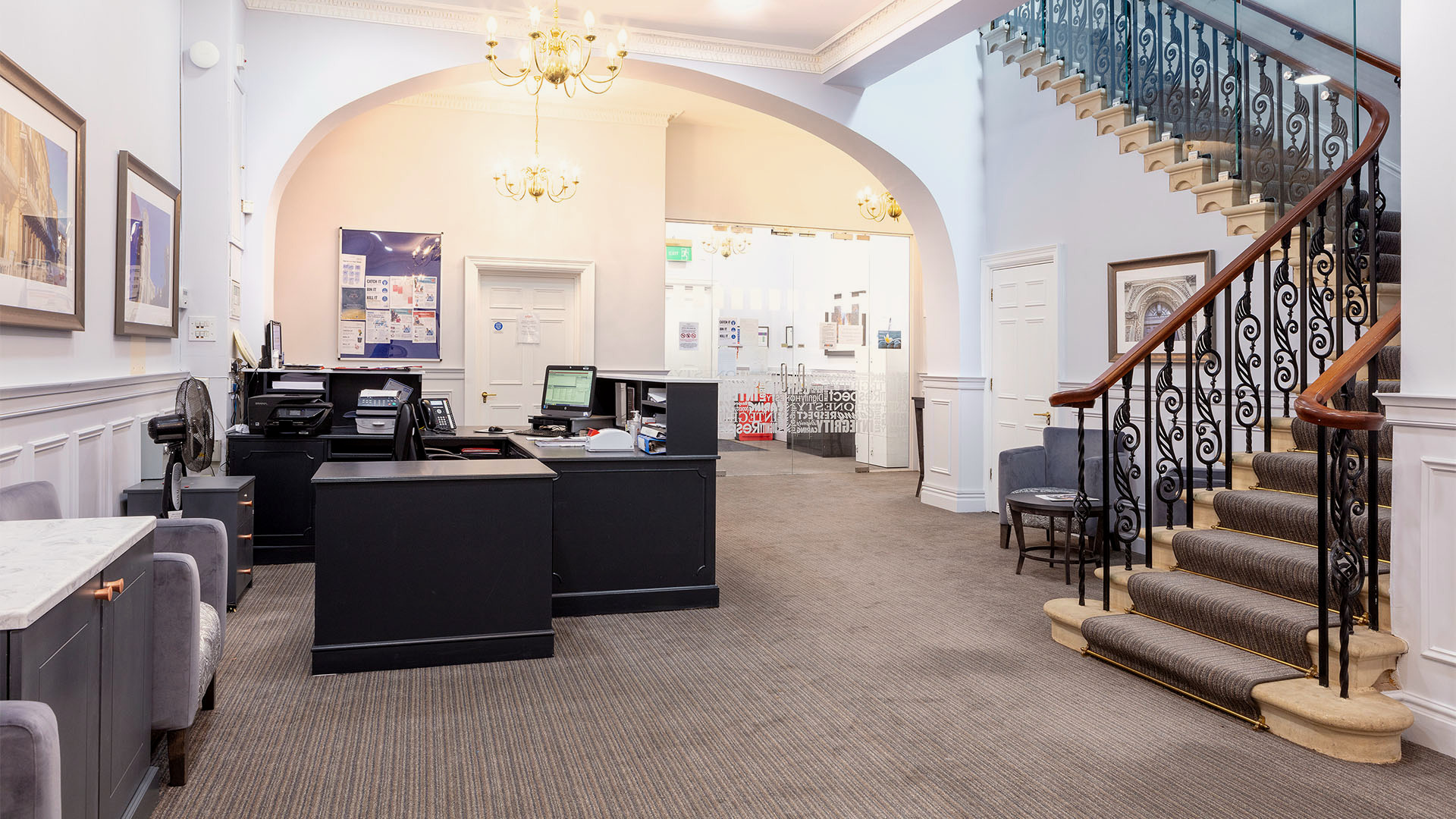
Priory Hospital Bristol 3 photos


Priory Hospital Bristol is a private mental-health and addiction hospital at Heath House Lane, Stapleton, Bristol. Priory’s current campus page describes inpatient, day-care and outpatient pathways for mental-health conditions and addictions.
Treatment and services
The official Bristol page, checked October 15, 2026, lists support for depression, anxiety, stress, OCD, PTSD, specialist old-age psychiatry, and substance and behavioral addictions. Transform 28 is a structured 28-day inpatient addiction program with medically assisted detox when needed, individual and group therapy, consultant-psychiatrist support, family support and wellbeing activities. Reset is a medically assisted inpatient detox lasting 7–10 days. Anchor 1:1 is usually weekly outpatient therapy, while Elevate 12 is a 12-week online program.
Aftercare, facilities and admissions
Transform 28 includes 12 months of free weekly group aftercare. Priory describes a private ward with en-suite bedrooms, private grounds, communal areas, housekeeping and high-quality catering; this is a hospital campus rather than a private residence. The hospital’s local number is 0117 952 5255 and Priory’s central treatment-inquiry number is 0330 056 6041. The provider page does not publish a universal campus package price, so current self-pay quotes and insurance terms should be confirmed directly.
Independent regulation
The Care Quality Commission profile, checked October 15, 2026, lists the hospital as an independent mental-health service registered for up to 85 people. Its overall rating remains Good; the latest overview was published July 28, 2021, with Safe rated Requires improvement and the other four key areas rated Good. Current services and age eligibility should be confirmed for the particular hospital ward or clinic.
How hospital care is organized
The current Bristol hospital page describes a team that includes psychiatrists, doctors, psychologists, therapists, mental health nurses, and occupational therapy staff. It says inpatients are allocated a named nurse and therapist, typically see their consultant twice weekly, and have access to an on-call doctor around the clock. These are hospital-care arrangements; they should not be read as the schedule for an outpatient appointment.
During assessment, ask which clinician will coordinate your care and how the proposed ward or program fits your needs. Confirm the expected frequency of individual therapy and medical review in the written plan. If a health concern needs additional specialist input, establish whether that is available at Bristol or requires an outside appointment. Knowing who makes each decision is more useful than assuming every discipline is involved in every patient’s care.
Bristol Hospital and Bristol Park are different sites
Priory Clinic Bristol Park is an outpatient service in Aztec West Business Park. Its current page advertises adult autism assessments and mental health support for young people aged 11 and over, alongside adult outpatient treatment. The hospital directs its adult autism assessment inquiries to this neighboring service. An assessment offered within Priory’s Bristol network is therefore not necessarily delivered at the hospital on Heath House Lane.
Check the exact address on the appointment confirmation, particularly when different clinicians or services are involved. Ask whether an assessment, therapy, and any follow-up will occur at one site or several. A Bristol Park appointment does not include an inpatient bed at the hospital. If more intensive care is recommended, the clinical referral and admission arrangements need to be agreed separately rather than inferred from the shared Priory name.
What the outpatient route can provide
The joint Bristol outpatient brochure describes individual appointments delivered on a session-by-session basis across the hospital and Bristol Park Clinic. It presents this format as a way to fit treatment around other commitments. The brochure also distinguishes self-payment from insurance funding and notes that an insurer may require a GP referral even when Priory can accept a self-paying inquiry without one.
Ask which professional the first appointment is with and what it is intended to establish. A therapy assessment, psychiatric consultation, and specialist diagnostic evaluation are different services. Request the session fee, expected appointment length, and approach to reviewing progress. If continuing with the same clinician matters to you, discuss that before booking a series. Outpatient care should have a clear plan for what happens if your needs change between appointments.
Mental health day care has a defined scope
Bristol’s mental health day-care leaflet describes an adult service for people 18 and older, with full- or half-day attendance and an initial therapist assessment. It generally describes six weeks, adjustable to clinical need, and requires patients to be under a Priory consultant. Published examples are £309 for a half day and £586 for a full day; these are day-care charges, not inpatient accommodation rates.
The leaflet explicitly says this program does not directly address trauma and is not suitable for people seeking treatment of complex PTSD through that pathway. That limit matters even though the wider hospital advertises PTSD services. Secondary autism or ADHD can be considered within the day program, but this is not the same as a specialist diagnostic assessment. Ask the team to identify the precise pathway being proposed and confirm current eligibility, attendance, and charges.
Addiction day care is separate from an inpatient stay
The Bristol addiction day-care brochure describes an adult program that can follow previous treatment or serve as the starting point when assessment finds it appropriate. Its published model is five days weekly over four weeks, with other options including half days. Content includes group work, family sessions, and access to fellowship meetings; individual therapy is described as available when it is the appropriate option.
This is a specific day-care model, not a minimum stay for everyone with an addiction. Clarify whether withdrawal treatment is needed first, how attendance would fit your circumstances, and which services are included in your package. The brochure contains historical outcome statistics, which should not be treated as a personal prediction. Ask for the current timetable and follow-up arrangements rather than relying on a brochure schedule alone.
Understand what each therapy group is intended to do
The Bristol therapy overview describes a mixture of structured skills groups and reflective sessions. Examples include work on anxiety, emotional regulation, self-compassion, and relationships, as well as addiction groups identified for Transform 28 participants. Its introductory trauma group is described as exploratory and educational, without opening up traumatic experiences during that session. Attendance at that group should not be mistaken for a complete course of trauma processing.
Ask which groups have been selected for your situation and how they connect to individual therapy. A varied timetable does not mean every activity is clinically necessary for every person. Discuss communication, sensory, mobility, or other access needs before starting. If a topic is difficult or does not fit your goals, establish how you can raise that with your therapist and review the plan.
Check the ward and intensity of support being proposed
The hospital’s linked further-information booklet describes Holbrook Ward as a 10-bed mixed-gender inpatient service for more acutely unwell patients. It also outlines general mental health care, specialist older-adult psychiatry, and addiction pathways. That ward description is distinct from the hospital’s total registered capacity and should not be interpreted as the number of private places currently available.
Ask the admitting team which ward would receive you, whether the bed is available, and what clinical support is appropriate for your presentation. A named ward in a brochure is not an admission decision. If another condition or medical issue requires a different setting, the team should explain the recommendation and any transfer arrangement. Confirm how family contact, review meetings, and discharge planning operate on the particular ward rather than relying on general campus information.
Consider the environment alongside practical access
The location and environment brochure describes the Grade II listed hospital, gardens, shared living areas, and catering. It also identifies both general psychiatric and addiction care within the setting. These details can help you understand the environment, but the photographs and building description do not establish that every room or route meets a particular access need.
Before arrival, explain any mobility requirements, dietary needs, sleep difficulties, or concerns about communal spaces. Ask about the exact room, bathroom access, distance to therapy sessions, and help available outside appointment times. If relatives plan to visit, confirm arrangements with the ward and account for travel. A setting is useful when its practical features support participation in care; its appearance should be assessed alongside staffing and the treatment plan.
Match the clinician to the clinical question
Dr. Lucy Griffin’s provider biography identifies her as a general adult psychiatrist working independently at Priory Hospital Bristol. It describes adult inpatient and outpatient work, training in liaison psychiatry and addiction medicine, and experience with psychiatric concerns alongside physical illness. The biography also lists separate work involving capacity, employment, and medico-legal assessments.
These roles illustrate why it is worth specifying the purpose of a referral. A treatment consultation does not automatically include an occupational or legal report. If you need a particular assessment, ask whether the clinician accepts that work, what records are required, and how the report is charged. Availability and the most appropriate clinician should be confirmed directly. The existence of a biography is not a guarantee that a named psychiatrist will oversee every program at Bristol.
Interpret published prices by program and location
Priory’s addiction pricing page publishes network starting prices, including £21,813 for Transform 28, £6,540 for Reset 7/10, and £155 per Anchor 1:1 session. These are different services and units of purchase. The page says costs can vary with location and individual requirements. None is a universal weekly rate for all care at Bristol, and an outpatient session should not be compared directly with a hospital package.
Request a Bristol-specific written quote that identifies medical review, therapy, accommodation where applicable, medication, and aftercare. Ask what happens financially if the planned level of care changes. For insurance, confirm the authorized service and any limits with the insurer. Keep day-care leaflet prices and addiction package prices separate so that the comparison reflects the treatment actually recommended rather than an attractive headline figure.
Read the regulatory record at the appropriate level
The CQC hospital record displays an overall Good rating from the report published July 28, 2021, with Safe rated Requires improvement. It also links ratings for specific services within the hospital. The date and service scope matter: an overall historical rating is not a current inspection of every treatment group, clinician, or proposed private placement.
Use the record to identify questions for the provider, including how concerns relevant to your care have been addressed and which service registration covers the proposed admission. The hospital’s clinical team can explain present arrangements, while the regulator’s record supplies independent published context. Recheck the record before making a decision because later findings may change the picture. Neither a directory profile nor a favorable overall rating should replace individual assessment of suitability.
Related guides: Bristol treatment options, alcohol treatment, and trauma and PTSD care.
Official provider and regulator sources reviewed October 19, 2026. Program availability, clinical suitability, fees, and insurance authorization require confirmation.
Sources and verification
- Priory Hospital Bristol — official provider page
- The Priory Hospital Bristol — Care Quality Commission
Official sources checked October 15, 2026. Services, eligibility, availability, fees and coverage can change; confirm current details directly with the provider.