Priory Hospital Barnt Green


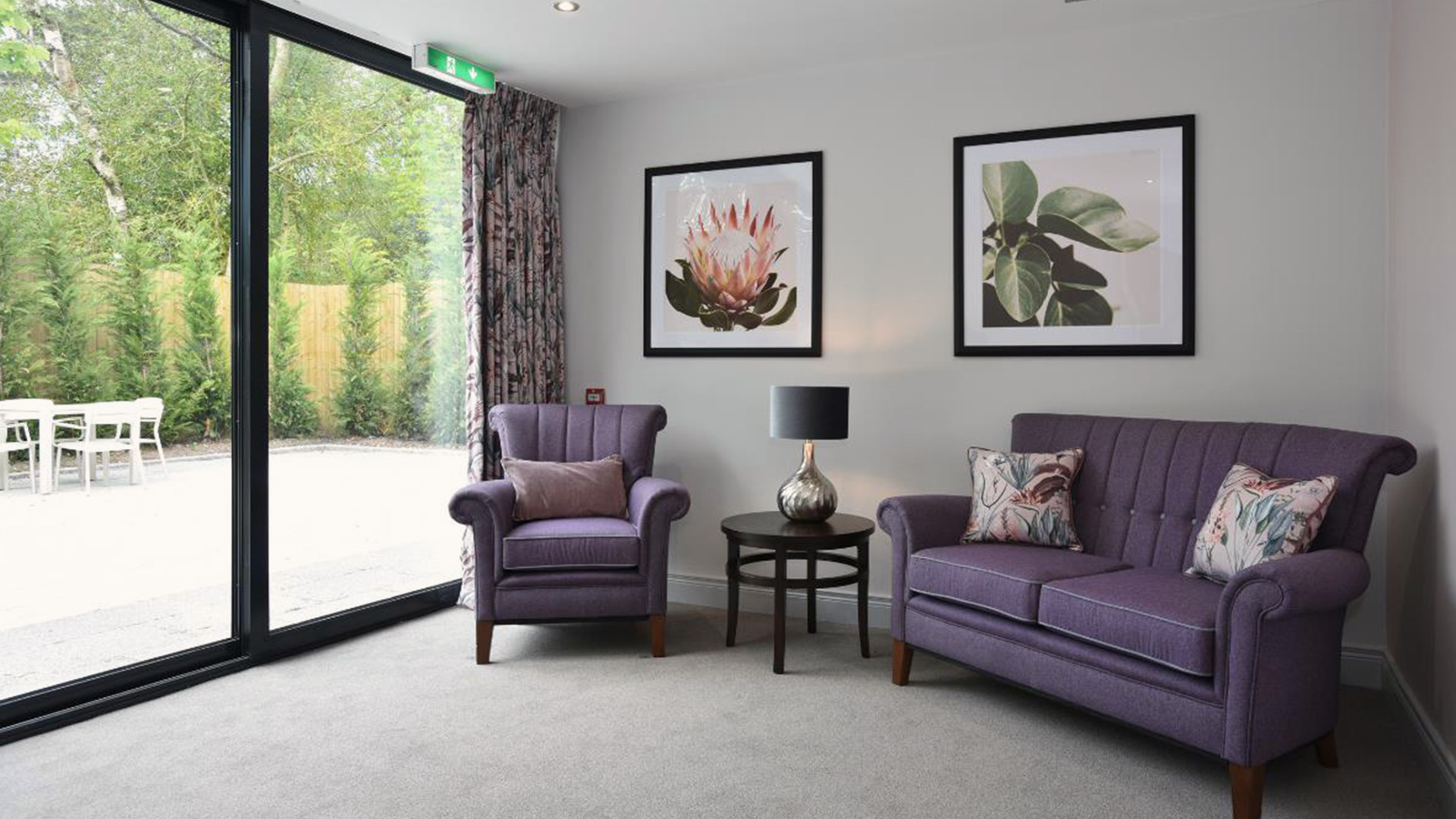
Priory Hospital Barnt Green 3 photos
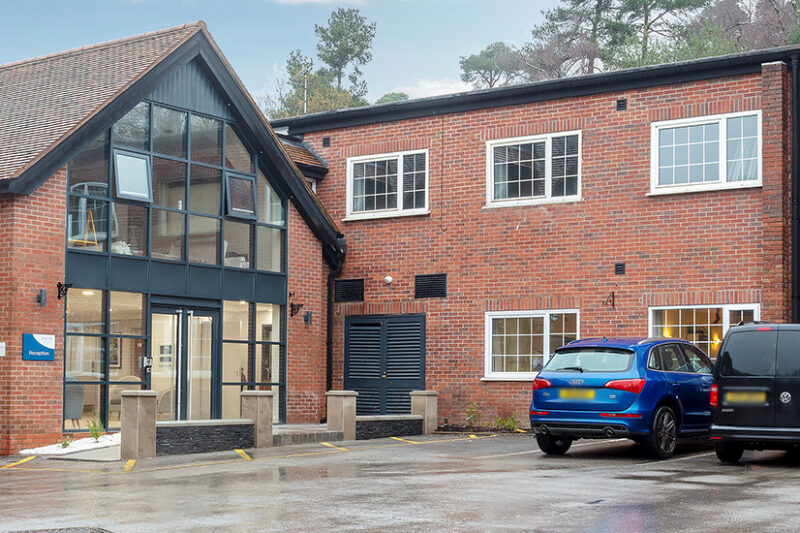

Priory Hospital Barnt Green is a purpose-built independent mental-health hospital in Lickey Hills Country Park, about 10 miles south of Birmingham. Its private service uses a 10-bed mixed-gender acute ward, while the registered 33-bed hospital also has NHS acute and female psychiatric intensive-care wards. The Care Quality Commission rates Barnt Green Good in its report published August 7, 2026.
Who it supports
Current services include care for depression, anxiety, obsessive compulsive disorder, PTSD and other trauma-related conditions. The hospital also offers flexible therapy for young people aged 5 to 17; a parent or caregiver must remain on site during sessions for children under 14.
Treatment and facilities
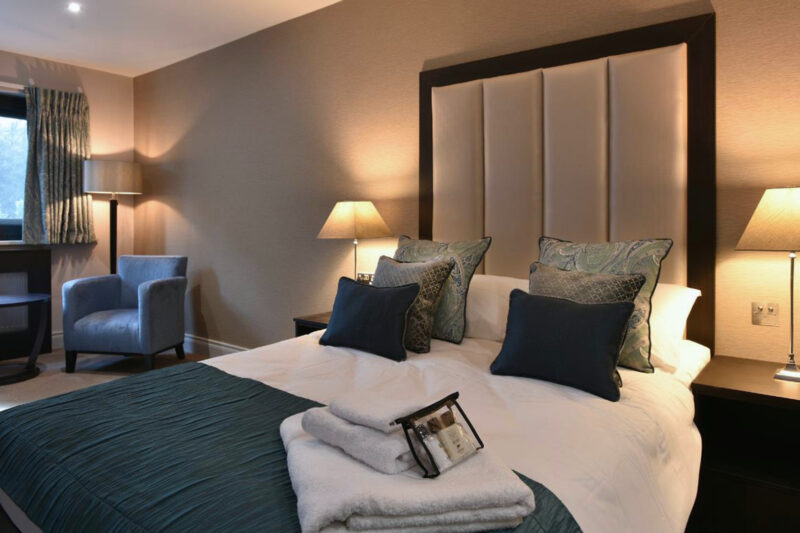
Depending on assessment, treatment may include CBT, ACT, compassion-focused therapy, EMDR, creative therapies, relationship work, yoga and mindfulness. Barnt Green also offers Priory’s outpatient Anchor 1:1 addiction program; inpatient addiction treatment is provided at nearby Priory Woodbourne rather than this hospital. Facilities include en-suite bedrooms, lounges, quiet spaces, a gym and private and group therapy rooms.
Payment and duration
Priory accepts self-pay and leading UK private medical insurers. Mental-health assessments start at £49 and young people’s assessments at £69. Private autism assessments start at £2,222, ADHD assessments at £1,077, ongoing ADHD or autism therapy at £155, and the ADHD post-diagnosis support group at £1,250. The ADHD skills pathway lasts 12 weeks; other treatment lengths and total costs vary by pathway and individual plan, so patients should obtain a current written quote.
Understand who coordinates an inpatient treatment plan
The Barnt Green location page describes an allocated care team involving a consultant psychiatrist, therapist, named nurse, keyworker, and other ward staff. It gives regular psychiatric and keyworker reviews as examples of the inpatient arrangements. These are different responsibilities: prescribing, psychotherapy, nursing support, and day-to-day coordination should not be treated as interchangeable contacts.
Before admission, ask who will be responsible for each part of the person’s care and how the team will use existing records. The first plan should identify the problems being addressed, any important uncertainty, and the purpose of the proposed hospital stay. Establish how changes are discussed and how the patient can raise concerns about medication, therapy, or daily routines. A clinician appearing in the website directory does not guarantee that they will be the assigned professional. Confirm the actual team, including cover during absence, and the arrangements for communicating with clinicians at home.
Match the setting to the treatment format
The hospital’s private-services overview distinguishes its inpatient ward from outpatient therapy spaces. It describes en-suite bedrooms, lounges, a gym, a yoga space, and access to nearby woodland for the relevant programs. These facilities can make participation more comfortable, but they are part of a hospital environment with shared spaces and clinical routines.
Ask which facilities are accessible at the proposed level of care and whether activities require supervision or booking. Someone attending a single outpatient appointment should not assume that the residential amenities are included. Inpatients should confirm room arrangements, personal-device rules, visiting, accessibility, and dietary requirements. The brochure’s therapy-room descriptions also distinguish individual appointments from group sessions. A useful comparison therefore looks at the actual clinical schedule and living arrangements together. The presence of private accommodation should not be interpreted as exclusive use of the hospital or continuous individual therapy.
Check the specific scope of the adult day program
The day-care brochure describes an adult program on Tuesdays and Thursdays, with full-day or half-day attendance and a typical six-week course that can be adjusted. It requires an initial assessment and care under a consultant. It also states that this particular course does not directly address trauma and is not designed as treatment for complex PTSD, although preparatory stabilization may be discussed.
That limitation matters because the wider hospital also advertises specialist trauma services. Ask which service is being recommended and why; the availability of trauma treatment elsewhere in the hospital does not make every group a trauma-treatment program. Confirm the current timetable, attendance expectations, and support between days. The quotation should identify the chosen days and format, and whether individual sessions or psychiatric appointments are additional. People returning home each evening need a workable plan for travel, medication, and help outside program hours.
Use the inpatient timetable to distinguish different activities
The published module-one inpatient timetable includes psychological groups, keyworker contact, creative activities, movement, and periods led by patients or ward staff. It helps show why a full residential day is not the same as a full day of individual psychotherapy. Different activities have different purposes and may involve different professionals.
Request the current version for the proposed admission and ask which parts form the person’s treatment plan. The timetable is an example, rather than a promise that every listed session will run unchanged. Someone who finds groups difficult should discuss the reasons, possible adjustments, and the balance with individual work before arrival. Attendance should also fit necessary medical appointments and the person’s ability to participate. Understanding the schedule can help with practical arrangements such as family calls or work leave, while leaving room for clinical review and changes when needs evolve.
Make discharge planning part of the hospital stay
The module-two timetable includes weekend and discharge planning, reflection, and opportunities to practice skills alongside therapy groups. These elements point toward a useful admission question: how will the work in hospital connect with ordinary routines after leaving? A discharge discussion needs more detail than simply deciding the final night of accommodation.
Ask which goals will guide the decision, who arranges follow-up, and whether a day program or outpatient clinician has accepted the referral. Where medication continues, identify the next prescriber and how records and prescriptions will transfer. Discuss work, education, caregiving, and any support needed at home. Planned leave, where clinically appropriate, should have an agreed purpose and review. The written plan should also explain whom to contact if needs change before the first follow-up appointment. A hospital stay can be one stage of treatment, with the next stage organized before departure.
Separate ADHD assessment from post-diagnosis support
The adult ADHD pathway brochure describes support for diagnosed adults, including those assessed outside Priory. It combines individual appointments with a closed group of up to eight people over a course lasting up to twelve weeks. Group sessions are in person; some individual appointments may be online. This is a post-diagnosis program, not a substitute for an ADHD diagnostic assessment.
The brochure lists £1,250 for people diagnosed elsewhere and £1,150 for those diagnosed through Priory, reflecting the additional suitability assessment. Confirm the current offer before relying on either figure. The program has its own eligibility criteria and is not an acute crisis service. Ask whether the group format matches the person’s current needs and what alternative support is available if it does not. Discuss practical goals such as organizing daily life and managing emotions, alongside any separate psychiatric or medication care that remains necessary.
Keep NHS referral routes separate from private admissions
The NHS-services page describes a thirteen-bed adult acute ward and a ten-bed female psychiatric intensive-care ward. These services have different referral and clinical arrangements from the private ten-bed ward described on the private-services page. A photograph or a statement about the hospital as a whole should not be used to assume that every ward offers the same admission route.
Priory says referrals to its NHS-funded services come through referring organizations, with existing health services helping establish the appropriate pathway. A private inquiry does not itself secure an NHS-funded place. Ask the referring team which ward and level of care are being considered, who authorizes the placement, and how continuing care will be arranged. For private treatment, request the separate assessment and funding process. Keeping the routes clear helps families understand whom to contact and avoids confusing a general bed count with availability for a particular person.
Outpatient addiction therapy has a different medical scope
The Anchor 1:1 program provides individual outpatient addiction therapy, with online or face-to-face appointments according to suitability and availability. Priory describes weekly sessions and use either early in treatment or after a more intensive program. The Barnt Green location page specifically identifies this outpatient option and directs inpatient addiction inquiries to nearby Woodbourne.
For someone with possible physical dependence, an outpatient therapy appointment should not be treated as a withdrawal-management plan. Explain current use, prescriptions, previous withdrawal experiences, and other health concerns during assessment. Ask whether a separate medical service is required and how therapy would continue afterward. Confirm the appointment duration, proposed frequency, and expected review point rather than assuming an open-ended package. Work and family commitments can inform scheduling, but clinical suitability should determine whether weekly appointments provide enough support. The residential and outpatient costs should be compared only after their different purposes are clear.
Read the regulator’s record alongside the program proposal
The Care Quality Commission record identifies the service provider, regulated activities, and inspection information for Barnt Green. It includes service-specific information relevant to acute and psychiatric intensive-care wards. Regulatory information is useful context, but a location-wide rating does not explain every detail of a particular private program or predict an individual’s treatment outcome.
Check the date and scope of the report and ask the hospital about any point that affects the proposed admission. Confirm the actual ward, clinical team, and treatment arrangement, especially when the same site has both private and NHS services. A regulator’s registration categories are also broader than an individual patient’s care plan; they do not establish that every advertised condition is treated in every part of the hospital. Combine the public record with a clear clinical explanation, practical admission information, and the person’s preferences when assessing whether the service is appropriate.
Know how to raise a concern during treatment
Priory’s compliments and complaints information provides a route for giving feedback or raising concerns about its services. A prospective patient can ask for the local process before admission, including whom to approach when a concern involves daily care, an appointment, communication, or a financial matter. Different problems may need different contacts.
During treatment, it can help to describe the concern clearly, the effect it is having, and the response being requested. Ask how it will be recorded, when a reply is expected, and what the next step is if it remains unresolved. A patient may want help from a chosen relative or representative, with appropriate consent. This process is separate from obtaining urgent clinical attention: an immediate medical or safety concern should be raised with the treating team promptly. Knowing both routes makes it easier to participate in care and address a mismatch between the agreed plan and the actual experience.
Expanded October 18, 2026 using the linked official provider documents and regulator record. Day-care eligibility, ADHD pathway prices, private admissions, and NHS ward arrangements are kept distinct.
The United Kingdom treatment guide provides wider context when comparing hospital, residential, and outpatient care.
Sources and verification
Official sources checked October 15, 2026.