Primrose Lodge


Primrose Lodge 3 photos
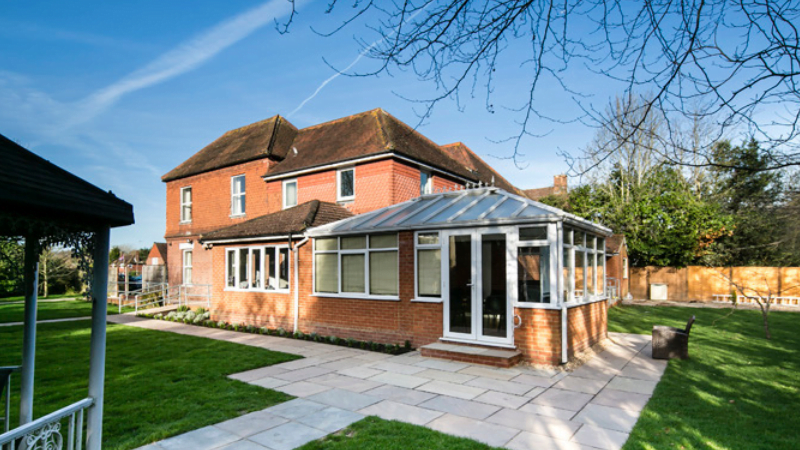
Primrose Lodge is a private residential addiction-treatment clinic in Guildford, Surrey, for adults. It is part of UK Addiction Treatment Centres and provides medically supported detoxification and rehabilitation in a 19-bedroom setting.
The February 2026 CQC report rates the service Requires improvement
The Care Quality Commission assessment, published February 2, 2026 after a September 10–11, 2025 inspection, rates Primrose Lodge Requires improvement overall. Safe and Effective have that rating; Caring, Responsive, and Well-led are rated Good. The earlier 2019 overall Good rating should not be presented as the latest result.
CQC identified a safe-care breach involving admission of some clients whose risks exceeded what the service could safely manage and prescribing decisions made without sufficient medical-history information. It requested an action plan. These are findings from the dated inspection, not proof that the same deficiencies continue unchanged today. Before considering admission, ask the provider what changes followed the assessment, how suitability is now established, and what medical cover is actually available. The report identifies Blue Skies Addiction Centre Ltd as the operator within UKAT. Registration establishes the regulated service and operator; it does not remove the need to consider the assessment findings.
Admission assessment and medical records deserve specific clarification
The inspection’s safety findings describe missing GP summaries in five of six care records reviewed and no in-person doctor or clinician assessment at admission. Inspectors also found occasions when support workers were directed to undertake physical examinations beyond their training. The provider told CQC it had instructed staff to stop that practice.
The same section records positive findings about safeguarding knowledge, cleanliness, and communication of allergies. Read the assessment as a dated account with both concerns and strengths. For a proposed stay, obtain a clear explanation of how previous medical records are collected, who conducts the current assessment, and when an examination takes place. Ask how the team decides that a person needs a hospital or another level of care. Current arrangements and any completed remedial work need confirmation; the inspection should neither be ignored nor treated as evidence that the clinic has closed or that every present admission follows the earlier process.
Room descriptions include both private and shared accommodation
The current facilities page describes 19 en-suite bedrooms and explicitly offers both private and shared accommodation. It also lists common living and dining spaces, a garden, and meals prepared by an in-house chef. A bedroom count is not a guarantee of available beds or single occupancy for a particular admission.
Confirm the room type included in the written offer, whether it can change during the stay, and what additional charge applies if private occupancy is requested. Ask about stairs, access to therapy spaces, dietary requirements, and support for any mobility or daily-living needs. Photographs can help prepare those questions, but they do not establish current occupancy or staffing. The provider presents the setting as countryside accommodation with access from London and surrounding areas. Travel convenience and comfort should be considered alongside the accepted clinical plan, current medical arrangements, and the ability to participate in the proposed program.
The rehabilitation program combines several forms of structured work
The program overview describes a rehabilitation routine that includes 12-step work, therapeutic sessions, family support, and attention to physical wellbeing. Its approach links the residential period with preparation for life after treatment rather than presenting accommodation alone as the service.
Ask for the actual weekly timetable at Primrose Lodge, including individual appointments, group sessions, rest, and any activities proposed for the person. The page’s qualification that programs can vary across UKAT centers matters: a network-wide menu does not guarantee every intervention at Guildford during a particular stay. Discuss how the clinical team chooses the components and reviews whether they remain appropriate. Someone who has previously attended treatment should explain what was useful, what was difficult, and what needs to be different. The resulting plan should identify agreed goals and participation expectations. Completion of a published schedule does not establish a predictable recovery outcome or eliminate the need for continuing support.
Therapy choices should be tied to assessed goals
The therapy directory lists individual and group work, CBT, DBT, trauma-related therapy, art, mindfulness, and other approaches. It also states that availability varies across UKAT centers and depends on the person’s plan and the program available at admission.
A long list of therapies does not mean each method will be delivered, or that a particular therapist has specialist training in every listed approach. Ask which interventions are proposed, who will provide them, and how progress will be reviewed. Distinguish clinical therapy from optional activities intended for relaxation or general wellbeing. The provider’s explanations of addiction and recovery are its treatment narrative, not proof of one universal cause or a guaranteed cure. A useful discussion should make room for medical, psychological, and social circumstances without reducing them to a single explanation. If a particular trauma or mental health need is central, establish whether the local team can manage it within this residential setting.
Confirm today’s clinical arrangements before accepting admission
The provider’s admissions page, updated in June 2026, describes a medical evaluation by an in-house doctor and round-the-clock nursing and clinical support during detox. It also outlines an initial discussion, assessment, and treatment planning. Those current provider statements should be clarified directly in light of the earlier regulator findings described above.
Ask who will assess the person in practice, whether that assessment is face to face, which staff are physically present, and what cover is provided remotely or on call. A phrase such as “medical support” can encompass different arrangements. The accepted plan should explain the limits of care and how a transfer would be managed if needs change. Provide existing prescriptions and relevant medical and psychiatric history so the team can assess suitability. Do not use website descriptions as instructions to stop medication or attempt withdrawal independently. Confirmed clinical acceptance should precede travel and should be distinct from a sales inquiry or room reservation.
The team directory distinguishes therapy, support, and operational roles
The team page introduces management, therapists, recovery support, and catering staff. Its biographies describe a mixture of professional training and personal recovery experience. These are different contributions to a residential program and should not be treated as interchangeable clinical qualifications.
Before admission, ask who will be responsible for individual therapy, medical assessment, prescriptions, and day-to-day concerns. A listed staff member may not personally participate in every client’s care, and a biography does not establish their current availability for the proposed stay. Where a qualification or specialist skill is important, ask how it relates to the work that person will undertake. Lived experience may help a support worker connect with clients, but it does not replace the responsibilities of a prescribing or assessing clinician. The practical aim is to understand the local care team and lines of responsibility, rather than infer the entire clinical model from a collection of biographies or testimonials.
Family sessions need agreed participation and privacy arrangements
The family recovery page describes a weekly family meeting within the wider rehabilitation program. Its stated purpose is to address relationships affected by addiction through discussion and therapeutic support. Participation should be planned around the particular family circumstances and the client’s treatment goals.
Clarify who can attend, whether sessions are in person or remote, who facilitates them, and what information may be shared. A relative’s education, a joint clinical session, and that relative’s own treatment are different services. Families should not assume that admission creates unrestricted access to personal clinical information. If contact with a particular person is distressing or unsafe, raise that privately with the treating professional before arranging a meeting. The provider’s aim of improving relationships is not a promise of reconciliation or a requirement to involve everyone. Current availability, scheduling, and any separate charges should be confirmed for Primrose Lodge rather than inferred from a general UKAT family-program description.
Free aftercare is described as weekly online meetings for one year
The aftercare page offers one year of free aftercare to clients who complete a primary care program. It describes weekly online meetings with former clients and a trained counselor, intended to support the transition back to everyday life.
This is a defined follow-up offer, not an assurance that every type of continuing medical or psychological treatment is free. Ask when eligibility begins, how to join, which time zone and schedule apply, and how missed meetings are handled. Someone leaving with ongoing medication or individual therapy needs should also have named appointments and a responsible clinician. The group can sit alongside those arrangements without replacing them. Before discharge, clarify what support is available between meetings and where to seek a reassessment if needs become more intensive. A remote format may help people who live far from Guildford, but participation still requires suitable timing, privacy, and a connection that allows meaningful involvement.
UKAT alumni activities are a separate community offer
The alumni description presents an ongoing UKAT community with peer connection, events, days out, and a private online group. Its “lifetime support” wording concerns that continuing community relationship rather than a lifetime residential or clinical treatment contract.
Ask what is currently active, how to join, and which activities are practical after returning home. An online group has a different purpose from a confidential clinical appointment, so consider what personal information to share and understand the group’s participation rules. Alumni stories can illustrate individual experiences but do not establish how another person will respond to treatment. The discharge plan should separately name any therapist, prescriber, local support service, and next assessment. Community activities can then be chosen according to preferences and availability. If a person needs further clinical treatment, confirm the referral and financial arrangements directly rather than assuming alumni membership guarantees readmission or a particular package of services.
Secondary care on this website refers to Providence Projects
The secondary care page specifically describes a UKAT program at Providence Projects. It is presented as a stage after primary rehabilitation, combining greater independence with continuing therapeutic support and practical work on routines, relationships, budgeting, and daily living.
Its placement on the Primrose Lodge website does not mean that the secondary-care accommodation is inside the Guildford clinic. If this route is proposed, obtain the receiving address, clinical program, housing arrangements, transport plan, and separate price. The page describes independent accommodation and ongoing sessions, followed potentially by a further sober-living stage. Those stages should not be collapsed into one residential package or treated as automatic entitlements after primary care. Confirm acceptance and the handoff between teams before leaving. A person may instead need another local or specialist service, depending on assessment and preferences. The transition should be planned around that individual need rather than around completion of every stage in a network pathway.
A treatment quote should separate the stay and any additional services
The cost guidance says pricing depends on the treatment type and length. It describes a residential offer involving accommodation, food, therapy, and support, but does not establish one universal fee for all admissions. A current written quote is therefore necessary for a meaningful comparison.
Ask which room type and care period the quote covers, how detox is priced, and whether additional medical appointments, transport, medication, or extended treatment can create further charges. Establish when payment is due and what happens if clinical needs change before or during the stay. A quoted total should not be compared with another provider’s weekly rate without matching the period and inclusions. Continuing treatment at another UKAT location also needs its own terms. The practical financial decision concerns the accepted program and personal resources; promotional comparisons with the cost of addiction do not determine affordability or predict a return from treatment.
Bupa and AXA arrangements require approval before admission
The Bupa and AXA guidance describes an authorization process involving an admissions adviser, paperwork, and assessment with an insurer-approved psychiatrist. The provider says the process typically takes about seven days, with admission confirmed after approval. That is a planning estimate, not a guarantee of authorization or an immediate place.
The page expressly states that these insurance arrangements must be made before admission; they cannot be arranged retrospectively after treatment has started or finished. Tell the admissions team early if insurance is intended to fund care. Confirm the exact policy, authorized treatment, approved number of days, personal excess or other contribution, and any excluded services. The fact that Primrose Lodge works with these insurers does not establish coverage for every member or diagnosis. If authorization is incomplete, do not assume that paying privately will later produce reimbursement. Obtain a clear agreement about both the clinical admission and the financial responsibility before committing to the stay.
Provider and CQC information reviewed October 19, 2026. The CQC assessment was published February 2, 2026 and concerns September 2025 inspection findings. Confirm current remedial work, admission assessment, medical cover, room type, treatment availability, and individual payment terms directly.
Treatment program
Care is tailored after assessment and can include medical detox, individual and group therapy, cognitive behavioral and dialectical behavioral approaches, 12-step work, mindfulness, meditation, family support and recovery workshops. The current drug-rehab page describes programs ranging from 2–12 weeks and advises at least 28 days; Primrose Lodge provides one year of free aftercare to clients who complete primary care.
Contact and payment
The clinic is at Perry Hill, Worplesdon, Guildford GU3 3RF and lists telephone 0203 985 9007. Primrose Lodge works with Bupa and AXA when treatment is authorized before admission. Its current cost page says pricing varies by treatment type and length, so the exact program quote and any detox supplement should be confirmed directly.
Official sources: Primrose Lodge, drug-rehab program, aftercare, cost guidance and Bupa and AXA guidance. Official sources checked October 13, 2026.