AtlantiCare Addiction Services (John Brooks Recovery Center)
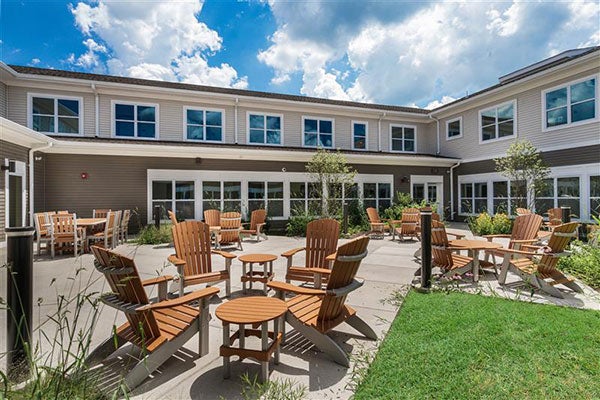
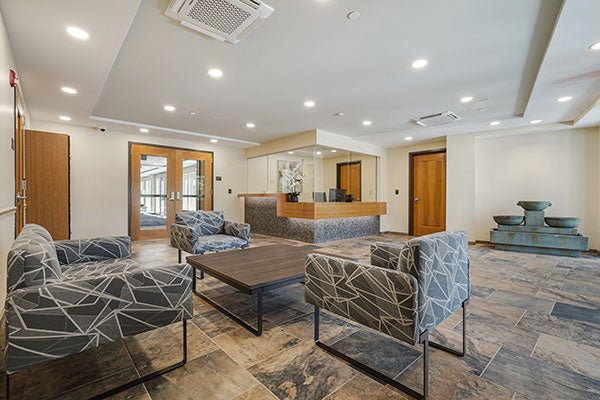
AtlantiCare Addiction Services (John Brooks Recovery Center) 2 photos
John Brooks Recovery Center is now presented by AtlantiCare as AtlantiCare Addiction Services. It is a South Jersey addiction-treatment service with more than one location, so this profile describes the program network rather than a single campus.
AtlantiCare lists detox management, outpatient treatment, inpatient residential treatment, telehealth and medication-assisted treatment. Care addresses substance use and co-occurring mental-health conditions, with individualized plans and family involvement. Provider listings show current John Brooks Recovery Center services in Mays Landing and Pleasantville; confirm the location for the recommended level of care.
The dedicated addiction-services number is 609-345-2020. AtlantiCare publishes insurance-plan information and hospital price-transparency resources, but no single program fee, tax treatment or standard duration was verified for this network profile. Confirm benefits and obtain a location-specific written estimate before admission.
Understand the current AtlantiCare service identity
AtlantiCare Addiction Services presents a South Jersey continuum addressing substance use and co-occurring mental-health conditions. Its public information brings detox, residential treatment, outpatient care, medication services, telehealth, and outreach together under that service name. John Brooks Recovery Center remains a name used within parts of the provider’s information, including its outreach program.
This profile therefore needs to be read as a service-network description rather than one building offering every listed activity. Before arranging care, identify the actual program, clinical level, and receiving address. A residential bed, an outpatient appointment, and a mobile outreach contact are different access routes. The provider describes individualized plans and family involvement, but those network-level commitments do not establish the same schedule or staffing at every location. Confirm which team will handle the admission and how the proposed service connects with any existing treatment.
Care planning can include several recovery approaches
The approach-to-care page lists individual and group therapy, family involvement, psychiatric care, medication options, peer support, and help with smoking cessation. It identifies CBT and DBT among its therapeutic approaches, and lists 12-step, SMART Recovery, and Refuge Recovery mutual-aid options. Spiritual support is also described as one available part of care.
The range allows a prospective patient to ask how a plan will be matched to personal needs and preferences. It should not be read as a promise that every modality is included in every weekly schedule. Clarify the distinction between clinician-led treatment, peer-led recovery activities, and optional spiritual support. The page’s treatment model includes both substance use and co-occurring mental-health concerns; suitability for a particular psychiatric presentation still requires assessment. A useful plan identifies the services actually recommended, who will provide them, and the expected connection with family or outside clinicians.
Detox management includes medical and psychiatric support
The detox description lists 24-hour clinical oversight and a team including physicians, nurses, and psychiatric providers. It discusses medication when appropriate, management of withdrawal symptoms, and stabilization before the next stage of treatment. The service explicitly says it accepts people already receiving methadone maintenance, an important detail for someone arranging continuity of existing care.
Acceptance of maintenance treatment is not a personal prescribing decision or permission to alter a medication plan. The receiving team must review the person’s history and coordinate the actual arrangements. AtlantiCare also describes on-site psychiatric support for co-occurring needs. Confirm the admitting location, the medical assessment required, and any records or medication information needed before travel. Same-day admission is advertised as available, but a particular placement depends on assessment and current capacity. The public page does not establish a universal detox duration or guarantee that every medical need can be managed in that setting.
Residential care provides a structured overnight setting
The residential treatment page describes a daily schedule, individual and group counseling, and round-the-clock nursing supervision. It lists psychiatric care for co-occurring conditions and supports admission for people already on methadone maintenance. The published setting also includes wellness facilities and opportunities for outdoor activities when appropriate.
Mutual-aid groups are available on site, with 12-step, SMART Recovery, and Refuge Recovery identified as examples. Their role should be discussed alongside the clinical schedule rather than assumed to replace counseling or medical care. The description does not specify a universal length of stay or promise a private bedroom. Ask which residential location is proposed, how room arrangements work, and when the team reviews progress and discharge needs. The purpose of the residential plan is to support a return to community life, so the next outpatient service and medication handoff are important parts of the admission discussion.
Outpatient care includes IOP and individual appointments
The outpatient program describes group therapy on multiple days each week, individual therapy, urine testing, medication options, and on-site certified peer recovery specialists. It identifies daytime and evening sessions. People may enter after inpatient care or begin at the outpatient level when it is appropriate for their circumstances.
The page does not provide one fixed IOP timetable or course length for every location. Ask for the recommended attendance, the actual address, and how individual appointments fit around group sessions. Transportation is described from many local sober-living facilities, not as an unrestricted transport service from any address. The source of accommodation and the outpatient clinical provider may be different organizations. Confirm whether a proposed residence is involved in the arrangement, what transportation is available, and how care will continue if the person moves. Medication support and peer activities should be specified separately within the plan.
Medication services require coordination across settings
The MAT page lists methadone, buprenorphine, and naltrexone among the medications available within its addiction-care continuum. It describes support for people starting medication treatment and those already receiving it. Group and individual therapy, urine testing, and peer recovery support may accompany medication services.
The provider also discusses flexible scheduling and virtual options when clinically appropriate. Those descriptions do not mean every medication can be obtained through a video call or that all required in-person care can be omitted. The actual medication, administration arrangements, eligibility, and monitoring need to be established by the treating team. Someone transferring from another program should ask how records and appointments will be coordinated and what must be completed before the first day. The aim of that discussion is continuity through a change in setting, rather than making assumptions based on a network-wide list of medications.
Telehealth is subject to individual eligibility
The telehealth service describes virtual groups and individual sessions, evening or weekend availability, remote testing options, and peer support by video or telephone. It also identifies some medication-related services as potentially accessible through virtual visits, depending on eligibility. These are published options within the service, not a guarantee that the entire recommended treatment plan can take place remotely.
Before choosing telehealth, confirm the actual session schedule, the patient’s physical location during care, technology requirements, and any necessary in-person appointments or testing. A person transferring from residential treatment may need several of those arrangements coordinated at once. Ask who will provide clinical follow-up, how peer contact differs from a therapy appointment, and what to do if remote participation is interrupted. The provider’s description of flexible access should not be treated as confirmation of a specific clinician’s evening or weekend availability until an appointment is scheduled.
Mobile outreach brings access support into Atlantic County
The Mobile Outreach Unit is identified as a John Brooks Recovery Center program within AtlantiCare. Its RV travels around Atlantic County to connect people with medication-assisted treatment, certified peer recovery specialists, health education, wellness screening, and other community resources. This is an access and support route, rather than a mobile residential treatment unit.
The published weekly schedule includes Atlantic City hospital parking-lot stops, Lincoln Park in Egg Harbor City, and a Thursday stop at 660 Black Horse Pike in Pleasantville. Times and locations should be confirmed before visiting, because a mobile timetable is different from a permanently staffed appointment office. Ask what can be completed at the outreach visit, what requires another clinical appointment, and how the team will help coordinate the next step. A connection to treatment does not establish that every service can be delivered immediately from the RV.
Recovery groups and coaching have distinct roles
The recovery-support page distinguishes community-led groups from coaching by certified peer recovery specialists. Its published program includes SMART Recovery, relapse-prevention discussions, mental-wellness sessions, and groups addressing other recovery concerns. It lists activities across several days, including some evening meetings and a Saturday social activity.
This page gives 610 Blackhorse Pike in Pleasantville for the groups. The mobile outreach page uses a different Pleasantville street number, so the intended service and address should be confirmed rather than treating the two as interchangeable directions. A group listing does not establish a residential admission, an individual therapy appointment, or a medical service. Ask which meeting is appropriate, whether registration is needed, and whether the current schedule matches the published one. Peer coaching may help navigate recovery resources, while clinical treatment and medication management require their own agreed appointments.
The team directory separates professional roles
The addiction-services team directory lists clinicians under psychiatry and addiction medicine, alongside program leadership. For example, it identifies Joseph N. Ranieri, DO, under addiction medicine and Brian E. Isaacson, MD, under psychiatry. These are provider-published team listings, rather than a guarantee that either clinician will personally treat every person entering the network.
Before admission, ask who will carry responsibility for the individual’s medical care, psychiatric assessment, counseling, and ongoing medication plan. The appropriate contact may change between residential, outpatient, and remote services. A network directory also does not establish that every listed professional works at every site or attends every clinical shift. Knowing the assigned team and the handoff arrangements is more useful for planning care than assuming that a named clinician’s presence on the website determines the staffing of a particular program.
The admissions conversation covers needs, payment, and logistics
The addiction-services FAQ identifies adults with substance use and co-occurring mental-health concerns as the population served. It describes beginning with a telephone discussion of needs, insurance or payment options, and admission scheduling. The provider says an admission may sometimes occur the same day, while transportation depends on location and level of care.
The packing guidance includes comfortable clothing, toiletries, current medications in original packaging, and emergency contacts, with more detailed instructions provided during the admission call. Confirm those instructions for the receiving program rather than using a general hospital checklist. The FAQ says staff can explore other options when a person lacks insurance, but does not promise free treatment or a universal assistance award. Before arrival, obtain the correct address, the approved start time, any required records, and an explanation of the expected financial responsibility.
Insurance participation differs across AtlantiCare services
AtlantiCare’s insurance participation page separates hospital, physician, urgent-care, behavioral-health, and surgical-center lists. That structure matters: participation shown for one service category should not automatically be transferred to a different program. The behavioral-health list includes several commercial and public-plan options, with site-specific qualifications on some entries.
Use the list as a starting point for verification of the actual addiction service, location, clinician, and policy. Ask about authorization, the expected treatment period, patient responsibility, and any separately billed services. General hospital price-transparency information is not a quoted package price for this addiction-care network. The reviewed sources do not establish one standard residential weekly fee or a universal length of stay. A written estimate tied to the recommended service is necessary before comparing the financial commitment with another provider’s differently structured program.
Official provider information reviewed October 19, 2026. Service pages were captured directly; the system insurance list was reviewed through an official-page web retrieval. Confirm the program, receiving location, eligibility, and payment individually.
Official sources — Checked October 13, 2026: AtlantiCare Addiction Services and dedicated contact; detox; outpatient treatment; residential treatment; MAT.