Isaiah House


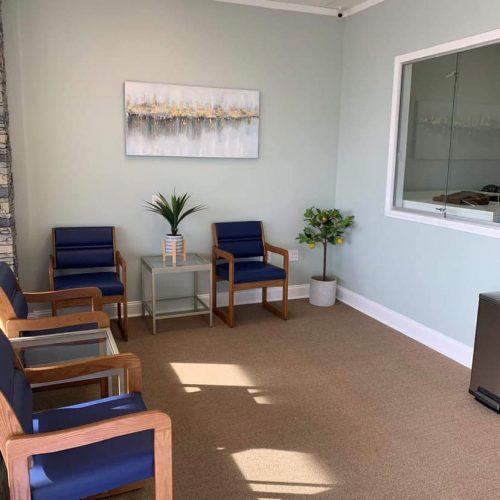
Isaiah House 3 photos

Provider overview
Isaiah House is a Kentucky nonprofit addiction-recovery organization providing residential and outpatient treatment, recovery housing, peer support, case management, education and employment services for adults. Its programs combine clinical care with optional Christ-centered support.
This profile uses the organization contact address at 1090 Industry Road in Harrodsburg. The official location page identifies the on-site Shelley Center as a 104-bed adult women’s substance-use treatment facility with a dormitory, medical office, exercise room, non-hospital detox, medication for opioid use disorder, therapy and peer support. Other services and men’s programs operate at separate Isaiah House locations.
Continuum and duration
The organization describes high- and low-intensity residential treatment, partial hospitalization, intensive outpatient and general outpatient care. Residential stays often run 30, 60 or 90 days, but treatment length and campus placement are individualized. Recovery housing, outpatient care, peer support, aftercare planning, job-readiness support and continuing case management can follow primary treatment.
Insurance and payment
Isaiah House says it works with private insurance, including both in-network and out-of-network arrangements, and commonly works with Aetna, Anthem, Humana, UnitedHealthcare, TRPN, Cigna and First Health. The provider also says it works with Medicaid and helps uninsured applicants explore coverage or payment options. Benefits, eligibility and patient responsibility require admissions verification.
The Shelley Center is a specific women’s program
The current Shelley Center page identifies a 104-bed adult women’s substance use program in Harrodsburg. It describes dormitory accommodation, shared meeting and exercise spaces, a medical office and nursing support. Published capacity should not be treated as confirmation of an available bed or a private room.
The campus description includes non-hospital detox, medication for opioid use disorder, individual and group therapy, peer support and case management. Pregnant applicants may be accepted with a doctor’s approval. Ask the team how it coordinates pregnancy-related care and which medical needs require another setting; the presence of nursing and detox services does not establish hospital obstetric care.
The page also describes opportunities to continue treatment after the initial residential stage. Confirm the proposed clinical level and location, because a longer stay, recovery housing and outpatient treatment involve different arrangements. Families should obtain the correct intake instructions for the women’s program before traveling.
Men’s treatment at Willisburg has a different campus
The Willisburg main-campus page describes a rural property with dormitory accommodation for 92 men, classrooms, a chapel, a dining room and exercise and recreation areas. It separately identifies Patricia’s Place, a 16-bed men’s facility behind the main campus. That building was formerly used for women, so older descriptions should not determine a current referral.
The provider describes movement from short-term treatment at Patricia’s Place to further services at the main campus as an option. Ask whether that sequence is clinically appropriate, what approval is required and whether there will be a change in room, staff or payment arrangements. It is not a promise of an automatic transfer.
This location-specific information matters when comparing Isaiah House programs. A corporate contact address or a photograph of one building does not identify where every client stays. Confirm the admitting campus, transportation destination and program contact for the person seeking care.
Compare the actual intensity of the care options
Isaiah House’s current program guide separates high-intensity residential treatment, lower-intensity residential care, PHP, IOP and outpatient services. Its examples include up to 20 weekly group hours in high-intensity residential care, around ten in lower-intensity residential care, 30 in PHP and twelve in IOP. Individual sessions and other support are described separately.
These figures help clarify what a program label means, but a larger number alone does not establish a better fit. Ask which clinical needs support the recommendation, how individual therapy is scheduled, and what review determines a transition. The program guide’s IOP example spreads twelve hours across four days; that attendance commitment needs to fit the person’s practical circumstances.
For standard outpatient care, confirm the interval between individual appointments rather than assuming it matches the more intensive tracks. Obtain a schedule for the assigned location, including peer support and case-management contacts, and ask how it changes if symptoms or recovery needs change.
Recovery housing has its own responsibilities
The recovery-housing and outpatient guide describes a transition toward independent living, with expectations around employment, saving money, recovery participation and substance testing. It also explains that appropriate applicants may use outpatient care without first completing Isaiah House residential treatment.
Before choosing housing, ask how eligibility is assessed, what the resident contribution covers, how work is scheduled around treatment and what happens if a job or income changes. A place to live and an outpatient clinical program are related services, but they should not be assumed to have identical admission criteria or funding.
The guide lists several outpatient communities and medication-related services. Confirm which office provides the prescribed treatment and whether transport between housing, appointments and work is available. Ask for the current house rules, including attendance and leave requirements, before agreeing to the arrangement. Planning these details makes it easier to compare a recovery residence with returning home and attending outpatient care locally.
Real Hope Behavioral Health offers a separate outpatient route
The Real Hope Behavioral Health page identifies the Danville service and describes IOP, outpatient substance use treatment, individual and group therapy, targeted case management and peer support. It names Suboxone, Vivitrol and Sublocade among medication options, subject to a person’s clinical needs.
The provider presents outpatient care as an option for people who can appropriately maintain family or work commitments, as well as those stepping down from residence. Ask whether a direct outpatient assessment is suitable and who will coordinate with an existing prescriber. A medication list does not establish that all options are appropriate or immediately available to every applicant.
The page also discusses mental health and relationship counseling and court-related assessments. Confirm the particular service, age eligibility and clinician before referral; a broad outpatient counseling scope should not be transferred to the adult residential program. Obtain the actual appointment address rather than relying only on the organization’s general contact details.
Education and employment support need an individual plan
Isaiah House’s education and workforce-development page describes GED preparation, college pathways, vocational learning, resume support and interview preparation. It identifies education partnerships and describes practical skills training as part of longer-term recovery support.
Ask which opportunities operate at the assigned campus and when a person can participate. An education partnership is different from guaranteed enrollment, transferable credit, financial aid or a job offer. Discuss existing qualifications, learning needs and any required documents so that the plan builds on the person’s circumstances.
The page also contains development plans and employment-related ambitions. Confirm which courses and facilities are currently available rather than treating an announced project as already open. For paid work, request details about the employer, wages, hours, transport and how clinical appointments remain protected. Someone with childcare duties, a disability or professional licensing requirements may need a different route from another resident, even when both use the same treatment program.
What happens during the first admissions call
The admissions-process page describes round-the-clock telephone support and an initial questionnaire usually taking around 15–20 minutes. It covers medical, mental health and substance use history, with further clinical or medical review when necessary. Insurance verification or discussion of other payment options follows.
Prepare a current medication list, relevant treatment history and a description of the support needed now. Explain any recent hospitalization, withdrawal concern, pregnancy, mobility need or practical barrier so the team can consider appropriate placement. The purpose of the call is to establish a suitable next step, not merely reserve the first available room.
Isaiah House says eligible applicants may sometimes enter the same day and may receive transportation assistance. Confirm eligibility, the destination, timing and any transport limits before arranging departure. Ask what documentation is still required and who will contact you with a decision. A fast intake example is not confirmation that every applicant can be admitted immediately.
Bring approved items and clarify prescription arrangements
The admissions and packing guidance requests identification, insurance information when applicable, practical clothing and all prescribed medicines in the person’s name and original pharmacy containers. It restricts items such as personal electronics, vehicles, valuables and unapproved products, and describes how personal spending money is held.
Request the current list for the assigned campus, especially where a general checklist and an FAQ give different detail. Ask about medication acceptance before arrival and speak with the prescribing clinician about any concern; a facility’s belongings policy is not an instruction to stop a prescription independently. Confirm how necessary medical devices and supplies are handled.
The same page explains that private-insurance arrangements can be in-network or out-of-network. Ask the team to verify the specific plan, authorized level and expected personal responsibility. An insurer’s name on the website does not establish coverage for every program or length of stay. Obtain the payment and refund terms that apply to the actual admission.
Family visits depend on stage and approval
The family-visitation page describes staged contact. During the first 60 days, it lists weekly calls beginning after the first week and eligibility for a monthly on-site visit after 21 days. Later stages allow more phone contact and may include approved off-site visits after additional time in treatment.
Family Day requires advance arrangements, approved visitors and a signed information release. The page describes two approved adult visitors along with children, and requests submitted at least seven days ahead. Ask the campus for its current date, visitor rules and the person’s actual eligibility before booking transport or accommodation.
The published six-hour and 48-hour leave options have additional prerequisites and approval requirements. They should not be treated as automatic entitlements at a calendar milestone. Discuss whether contact is helpful and safe for the person receiving care, how family education works, and who can answer questions between visits without breaching the agreed privacy arrangements.
Understand the role of faith and the plan after residence
The provider’s resources FAQ describes Isaiah House as Christ-centered while stating that participation in faith-based components is not forced and people of all beliefs are welcome. Applicants can ask how that policy works in the daily schedule and what choices are available around religious activities.
This is a useful conversation for someone seeking explicitly Christian support and for someone whose preferences differ. Discuss those preferences alongside clinical goals so expectations are clear before admission. Spiritual support should not be mistaken for a substitute for needed medical or psychological treatment.
The same FAQ describes residential stays of 30, 60 or 90 days as common examples, followed where appropriate by housing, outpatient care, employment preparation and peer support. Ask how the team develops the discharge plan, which services require a separate application and who coordinates care closer to home. The intended pathway should reflect individual progress and circumstances rather than a universal package length.
Official sources
- Program overview
- Continuum of care
- Recovery housing and outpatient treatment
- Shelley Center, Harrodsburg
- Admissions and insurance
- Treatment duration and aftercare
Official provider information checked October 13, 2026.