Holland Pathways


Holland Pathways 3 photos
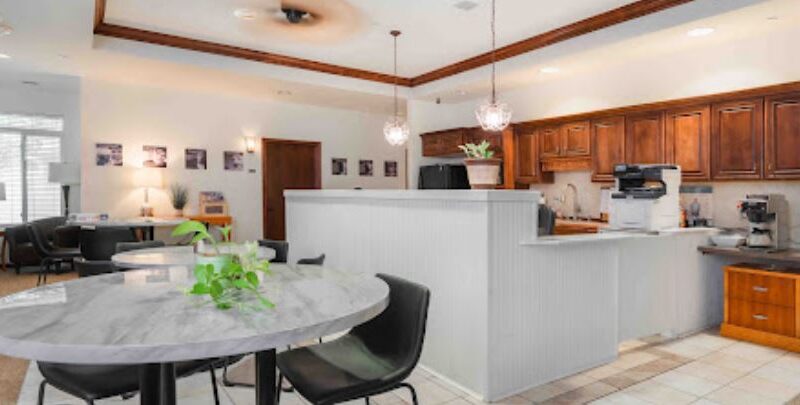
Holland Pathways is a Wichita, Kansas, addiction-treatment provider for substance-use and co-occurring mental-health conditions.
Continuum of care
The provider lists medically monitored detoxification, residential treatment, partial hospitalization, intensive outpatient and standard outpatient care, plus alumni and aftercare support. It also publishes a veterans program. Treatment plans are individualized following assessment.
Start with the Wichita admission and location details
The official contact page identifies Holland Pathways at 551 South Holland Street in Wichita and lists 316-260-1435 for admissions. It advertises admissions contact around the clock and provides a callback option. Use that conversation to identify the proposed care level, any immediate assessment needs, and the actual arrival arrangements.
An inquiry should lead to clear practical information before travel or time away from work is arranged. Ask what records and medication information the clinical team needs, whether acceptance has been confirmed, and who will receive the patient. When someone is transferring from another provider, agree on a secure clinical handoff and the timing of arrival. The campus address establishes a destination, but it does not tell a family whether every appointment, later outpatient session, or accommodation arrangement uses the same part of the site. Confirm the details that apply to the individual treatment proposal.
The provider describes a continuum of addiction care
The Holland Pathways homepage lists medically monitored detox, residential treatment, partial hospitalization, intensive outpatient care, ordinary outpatient care, and ongoing support. Its description combines addiction treatment with attention to co-occurring mental health conditions. This range of services gives a starting point for comparing options, while the actual sequence should follow assessment.
Ask which services are currently available, how the team chooses a starting level, and what would prompt a change. Someone may need a different pathway from another person with the same substance use history. The homepage also discusses privacy and the option to make an initial inquiry before involving relatives. Raise any concerns about workplace communication, family involvement, or shared records with admissions. Obtain an explanation of consent and any applicable disclosure limits rather than assuming that a brief website assurance answers every situation. Clinical arrangements and decisions about who receives information should both be clear.
The campus environment supports a structured stay
The provider overview describes a home-like Wichita setting with a courtyard patio, music room, reading nook, and firepit. It also describes a trauma-informed, dual-diagnosis approach and asks people with particular accommodation needs to discuss them with the team.
These details help a prospective patient picture the environment, but photographs and shared spaces do not establish a specific bedroom assignment, privacy arrangement, or schedule. Ask whether the offered room is shared, what bathroom facilities are available, and how accessibility or dietary needs are handled. Clarify the rules for communication, visitors, and time outside programmed activities before admission. The purpose of the setting is to support the clinical work and everyday routine. A useful comparison considers whether the person can participate comfortably and safely, alongside the actual treatment available. Any requested accommodation should be confirmed directly rather than inferred from general language about welcoming or individualized care.
Medical detox has its own assessment and transition plan
The detox program page describes a dedicated medical detox house with 24-hour care and an individualized plan. It lists alcohol, opioids, methamphetamine, benzodiazepines, cocaine, and other substances among the concerns assessed. The provider advertises medication-assisted approaches and other medical support, followed by a transition to residential treatment when the person is stabilized.
The type of support required depends on the person’s recent use, physical health, medication history, and assessed withdrawal risk. Ask the clinical team how it determines the appropriate setting and how a medical complication would be managed. An advertised treatment method should not be assumed necessary for every patient. Discuss existing prescriptions and the plan for continuing appropriate medication with the receiving clinicians. If residential treatment is proposed afterward, clarify whether that transition is already arranged and how its clinical and financial terms differ. Detoxification and the later work of treating a substance use disorder address different needs.
Residential length is individualized rather than a fixed package
The current residential program page says that the clinical team determines length of stay from the person’s progress instead of a fixed calendar. It describes a personal therapist, structured daily activities, individual and group treatment, shared meals, and additional creative or wellness programming.
Request a representative timetable and clarify the expected individual appointments, medication reviews, and opportunities to discuss the plan. The page also describes spiritual support without requiring a particular belief system. Ask how participation reflects the patient’s preferences. Holland Pathways advertises a collaboration with Huml Health involving wearable information about sleep, stress, and heart rate. If offered, discuss consent, what is collected, who reviews it, and whether it changes any clinical decision or cost. The presence of technology does not by itself establish a better outcome. Agree on how the team reviews readiness for the next level and what happens if the planned stay changes.
Named therapies need a clear individual purpose
The treatment approach page describes CBT, DBT, medication-assisted treatment, trauma-informed care, individual and group sessions, TMS, and brainspotting. It lists co-occurring concerns such as depression, anxiety, PTSD, bipolar disorder, OCD, and ADHD within its addiction treatment approach.
Ask which problems the proposed plan is addressing and how the team selects among those options. A long list of techniques is not the same as a defined course for a particular diagnosis. For TMS or another specialized intervention, clarify the clinical indication, assessment, qualified practitioner, proposed protocol, and financial arrangement. Do not assume that a broad description of a technology establishes suitability for every addiction or mental health condition. Medication decisions should include the current prescriber and relevant treatment history. The page also identifies relapse-prevention work, including triggers, coping strategies, and a crisis plan; ask how those elements will be made practical for the person’s circumstances after discharge.
The veterans program combines addiction and trauma concerns
The veterans program describes addiction and PTSD treatment using counseling, groups, and approaches such as DBT. The provider discusses other concerns that may be relevant to veterans, including depression, anxiety, chronic pain, and traumatic brain injury. These descriptions should lead to an individual assessment of what the program can manage.
Ask how mental health care, medication, physical health needs, and any existing VA treatment will be coordinated. A reference to traumatic brain injury or chronic pain does not establish that every specialist medical service is delivered on the campus. Clarify which clinicians are involved and whether outside care is needed. Holland Pathways says its admissions team has experience working with the VA on financial arrangements. Confirm the actual referral, authorization, and payment responsibilities before admission; veteran status alone does not establish coverage. Also ask how veteran-specific sessions are incorporated into the wider treatment schedule and the patient’s continuing care plan.
Continuing care uses different attendance schedules
The continuing-care page gives specific examples of the step-down structure. It describes PHP daytime care, typically 8 a.m. to 5 p.m., with patients returning home or to sober living in the evening. IOP is described as three three-hour sessions each week. Ordinary outpatient care is described as one weekly group and a monthly individual therapist appointment.
Confirm the current days, hours, and individual recommendation before using those examples to plan work or transport. Housing outside the treatment day needs its own confirmed address, provider, cost, and support arrangements. The page presents step-down as a gradual reduction in clinical intensity, but the sequence and timing should respond to assessed need. Ask who reviews that decision, what happens if more support is required, and how the first appointment at the next level is booked. The alumni coordinator and peer events provide a further connection, separate from any continuing clinical appointments.
Family support is offered through a named external resource
The family resources page describes a partnership with The Family Recovery Foundation. Holland Pathways says this resource offers free support online and in person, including weekly groups, educational material, and individual sessions with licensed professionals. Contact the provider or the foundation to confirm the current access process and available format.
This is a distinct support arrangement, so ask who delivers the service, how appointments are arranged, and what information is shared with the treatment team. A family member’s support needs may differ from the patient’s clinical needs. Participation can help relatives obtain information and work on communication while respecting consent, privacy, and relationship safety. The page’s suggestion of a rapid response should be treated as an expectation to confirm, not an emergency service or guaranteed appointment. Ask whether the support continues after discharge and whether a family member who lives elsewhere can participate remotely.
Insurance verification should produce a usable estimate
The insurance verification page describes a free, confidential inquiry without an obligation to enter treatment. The admissions team reviews benefits, detox and residential coverage, deductibles, and expected out-of-pocket costs, then contacts the person to discuss options.
Provide accurate policy information and ask for the result in writing, including the proposed care level and any authorization conditions. A preliminary benefits check does not establish that all later treatment days or services will be covered. Clarify which charges are included in the estimate and whether a change in duration, clinical level, medication, or accommodation changes the financial responsibility. If more than one payer or referring system is involved, identify who coordinates approvals. The financial conversation should be understandable before a commitment is made. Keep the estimate, relevant insurer communication, and the agreed payment terms together so that questions can be resolved during treatment.
The FAQ clarifies admission timing and ongoing alumni access
The current FAQ says same-day or next-day admission may be possible in many cases. It also reiterates that residential treatment has no fixed number of days and describes the alumni program as free and open to graduates, with a coordinator, peer support, events, and continued community contact.
Those are different commitments: an available intake route does not settle medical suitability, bed availability, or financial authorization. Confirm each of those before arranging admission. For the period after treatment, ask how to contact the alumni coordinator, what events or remote options are currently offered, and how ongoing clinical care is booked separately. Someone returning to another city will need a local plan that can work alongside alumni contact. The FAQ’s broad therapy and treatment descriptions should be narrowed into a personal written plan with clear responsibilities, realistic follow-up arrangements, and opportunities to review progress.
Contact and payment
Holland Pathways is at 551 South Holland Street, Wichita, KS 67209 and lists 316-260-1435. The provider says it is in network with most major insurance plans, subject to verification. Its current residential and FAQ pages describe individualized stays without a fixed number of days, based on clinical assessment and progress.
Official sources: Holland Pathways, contact, campus and levels of care, continuing care and treatment FAQ. Official sources checked October 13, 2026.