Harmony Hills

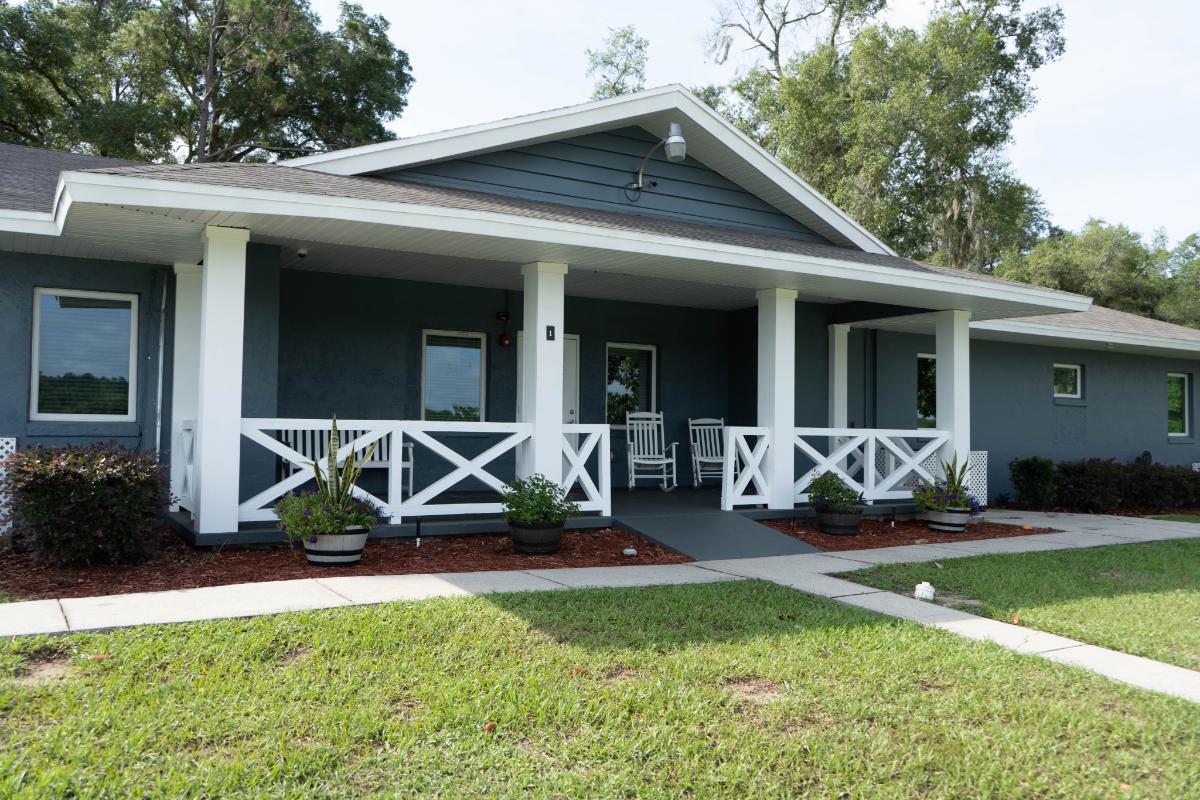
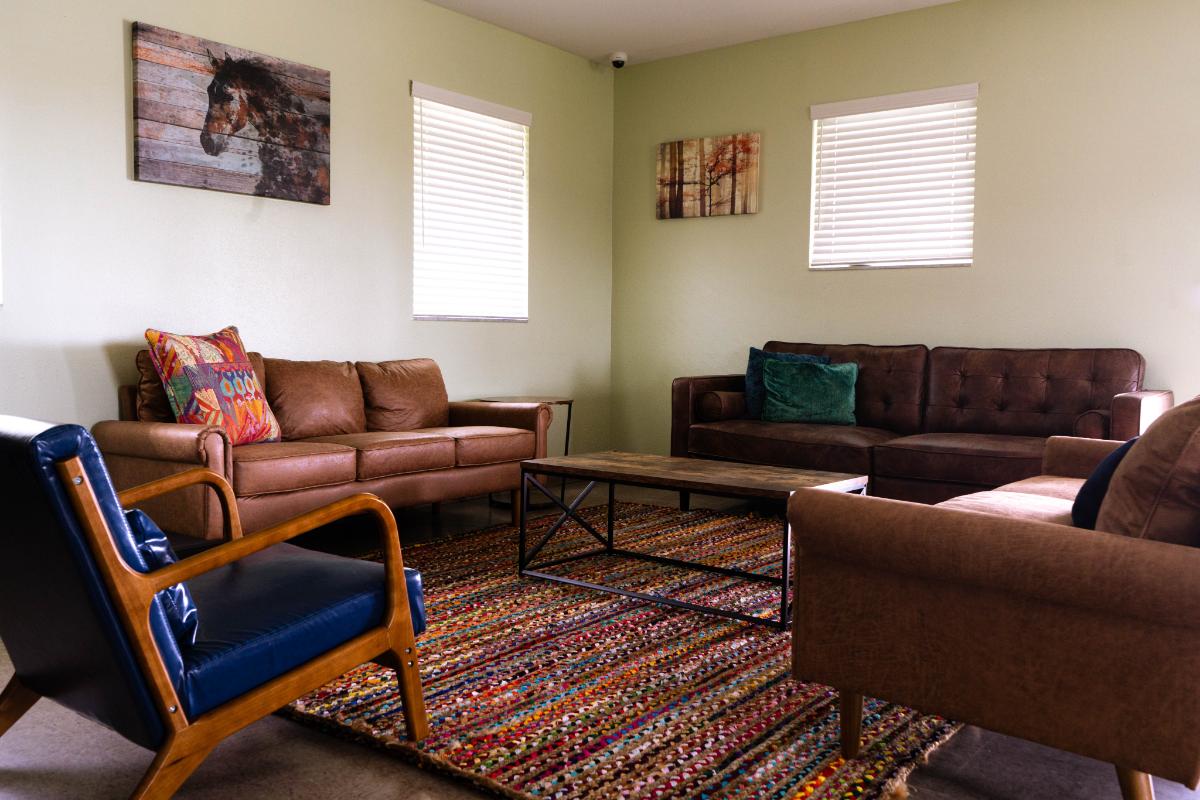
Harmony Hills 3 photos

Harmony Hills is a residential mental-health and addiction treatment provider on a 67-acre campus at 18121 Boys Ranch Road in Altoona, Florida. The current provider describes round-the-clock residential support, individualized treatment and dual-diagnosis care for adults with mental-health, substance-use or co-occurring concerns.
Published services include individual, group and family therapy, CBT, DBT, EMDR, trauma-focused care, medication management, relapse prevention and holistic activities. The admissions process sets length of stay individually; Harmony Hills says some people with severe mental illness and a substance-use history may require up to 90 days. Many clients step down to intensive outpatient and then general outpatient care.
Residential mental health care in Altoona
The residential mental health program provides a live-in setting with around-the-clock support, individual and group therapy, medication management, and structured daily activities. Harmony Hills describes an individualized plan that considers symptoms, previous care, and goals. Its clinical and wellness activities include approaches such as cognitive behavioral therapy, dialectical behavior therapy, mindfulness, and creative work.
Ask how the proposed day balances therapy, appointments, meals, rest, and recreation. A residential stay is a substantial change in routine and should be recommended according to the person’s needs. A broad list of conditions does not establish suitability for every presentation or level of risk. Clarify what the clinical team can manage on site and when another medical or psychiatric setting is needed. The relevant comparison is the actual level of supervision and treatment available, rather than whether different websites use “residential” and “inpatient” interchangeably.
Assessment and the expected length of stay
The admissions description includes medical, psychiatric, diagnostic, functional, and nutritional assessment. Harmony Hills publishes an average residential stay of 30 to 60 days and says some people with severe mental illness and a substance-use history may need up to 90 days. Those figures describe the provider’s stated experience, not a standard requirement for every admission.
Ask how the initial recommendation will be reviewed and how clinical progress, home circumstances, and insurance authorization affect planning. The admissions page describes later transitions into intensive outpatient and general outpatient care. Confirm who would deliver the next service, at which location, and whether it requires a separate intake or authorization. An advertised continuum does not reserve each subsequent place. Families should also establish communication permissions and practical responsibilities with the person receiving care. A general discussion of Florida admission law on the website should not be treated as confirmation that this campus can accept any involuntary admission.
Integrated care for co-occurring conditions
The dual diagnosis program describes treatment for mental health concerns alongside substance-use disorders. Assessment considers the person’s medical and substance-use history, current symptoms, and treatment goals. The provider lists individual, group, family, and relapse-prevention work, together with medication management when appropriate.
The important question is how these needs will be addressed in one coordinated plan. Ask who is responsible for psychiatric care, how therapy goals are chosen, and how changes in symptoms or substance use are reviewed. Do not assume that a condition label alone determines the right program or that all clients need the same withdrawal treatment. Someone seeking help primarily for a psychiatric disorder should make that clear during screening. The plan should identify which concerns Harmony Hills will treat directly and how other medical needs or specialist appointments will be coordinated during the stay.
Substance-use treatment and medical detox
The substance-use program explicitly describes adult residential care, medical detox, behavioral counseling, medication management, and treatment for co-occurring mental health concerns. It presents withdrawal monitoring and subsequent therapeutic programming as parts of its residential care continuum, with aftercare planning before discharge.
This is more specific than a general reference to detox on a condition page, but suitability still needs individual assessment. Explain current substances, recent use, prescribed medicines, previous withdrawal complications, and other health conditions. Ask which risks the proposed unit can manage, what medical coverage is available, and how a transfer would be arranged if another setting is necessary. A published detox service does not mean every person requires withdrawal treatment or that every medical complication can be handled there. Discuss the next therapeutic stage as well, including how participation is adjusted during stabilization and who coordinates ongoing prescriptions.
Medication decisions and follow-up
The medication-management service describes an initial evaluation, discussion of potential benefits and risks, monitoring, and clinician-led adjustments when needed. Harmony Hills says medication is not necessary for everyone and that decisions should be explained sufficiently for the person to make an informed choice.
Bring an accurate medicine list, relevant prescribing history, and information about previous side effects or difficulties. Ask who will prescribe, how often reviews take place, and how the team communicates with existing clinicians. Different appointments may address therapy and medication, so clarify their respective goals and timing. Do not alter or stop a prescription because a residential program is being considered. Before discharge, establish who will take over prescribing, when the next review is due, and how to obtain help with a concern between appointments. The purpose is a clear clinical handoff rather than an assumption that a medication plan ends with the stay.
Trauma-focused work at an appropriate pace
The trauma program describes building a therapeutic relationship and using approaches such as cognitive behavioral therapy and mindfulness, with individual, group, or family involvement according to circumstances. It also discusses coordinating trauma-related work with other mental health and substance-use concerns.
Ask how the clinician establishes readiness, chooses the approach, and responds if a session becomes overwhelming. Participation in a trauma-focused program should not be understood as a requirement to recount personal experiences to every group member. Clarify what is shared privately, what skills are practiced in groups, and how the person can raise concerns about pacing or safety. The provider’s goal of addressing trauma does not guarantee that all experiences will be resolved during one residential episode. A useful plan identifies current priorities and which therapeutic work may continue with an appropriate clinician after returning home.
Family therapy and separate support needs
The family therapy service describes shared sessions and individual work on communication, problem-solving, and the strengths or difficulties within a support system. Harmony Hills presents this as a way to explore relationships without assigning blame to a particular family member.
Discuss whether shared therapy, education, or separate support is most appropriate. The person’s consent, privacy, and relationship circumstances should guide participation; being a relative does not automatically authorize access to treatment information. Ask who facilitates sessions, how attendance is arranged for relatives living elsewhere, and what happens if joint meetings are not suitable. Family goals might concern communication during the stay, practical responsibilities, or expectations after discharge. They should be agreed with the people involved rather than imposed as a condition of support. Confirm which sessions are included and which services may need a separate arrangement.
The Heroes Program for military-related needs
The Heroes Program describes care for current and former military personnel and support for their families. Individual therapy and civilian reintegration are central features. Published areas of work include trauma, relationships, structured routines, employment or education concerns, and rebuilding community connections.
Ask which elements are recommended for the individual’s service history and present circumstances, and whether relevant groups or clinicians are available during the proposed stay. The provider lists several therapies, but this does not mean every participant receives each intervention. It also advertises TRICARE access; confirm the exact plan, authorization, and patient responsibility rather than assuming universal payment. Clinical suitability and benefit eligibility are separate decisions. A person in immediate danger should use emergency help rather than wait for a residential booking. The provider’s veteran information identifies 988, then option 1, for the Veterans Crisis Line and 911 for immediate emergencies.
The campus and daily surroundings
The facility page describes a 67-acre ranch in Altoona, north of Orlando and near the Ocala National Forest. Published amenities include an indoor basketball gym and volleyball courts. These provide context for the residential environment without establishing that every activity is available or appropriate for every resident.
Ask about the actual accommodation assignment, accessibility, movement around the property, and participation in recreational activities. A peaceful setting can be a preference, but the clinical plan and required supervision remain central to choosing care. Proximity to natural attractions does not imply unrestricted leave or a scheduled excursion program. If travel is involved, obtain the confirmed arrival instructions and discuss mobility, dietary, or other practical needs in advance. The provider’s general references to low staffing ratios should also be translated into a clear explanation of the support available for the proposed treatment level.
Preparing for a structured stay
The packing and intake guide describes a pre-admission questionnaire reviewed by the clinical and medical teams, followed by a confirmed arrival date. It asks for identification, insurance and prescription information, medicines, and relevant contact details. The admissions team also discusses practical case-management needs, including work-leave paperwork when applicable.
The published rules are relatively restrictive about technology: bring a phone, but expect no access during treatment; computers and laptops are listed as prohibited, and the guide says internet access is unavailable. Confirm the current rules before assuming that work or online study can continue. Ask how essential communication is handled and how medicines should be packed and handed over. Clothing and toiletries should follow the current list; the guide also restricts outside food and various personal products. An individualized packing discussion is especially useful when a medical or accessibility need requires an exception.
Insurance exclusions and a written estimate
The payment information expressly states that Harmony Hills is not a Medicare or Medicaid facility. It describes helping people understand private insurance benefits and private-payment options. A general statement that mental health care may be covered does not establish coverage for this facility, program, or proposed length of stay.
Request a benefits check and a written estimate for the actual recommendation. Ask what authorization is needed, which services are included, and what patient responsibility remains if treatment continues beyond an approved period. Obtain separate clarification for any outpatient follow-up or external appointments. The page discusses payment assistance generally, so do not assume a particular financing arrangement or discount is available without confirmation. If paying privately, ask for the rate’s unit, expected total, deposit terms, and charges associated with a change in care. The estimate should be considered alongside clinical suitability.
Aftercare beyond the residential episode
The aftercare program describes an individualized plan, continued access to counseling or groups, peer connection, family education, and follow-up contact. It also discusses flexible or virtual support. Its sample checklist illustrates possible appointments and routines, rather than a timetable automatically assigned to every graduate.
Before discharge, agree on the actual clinicians, dates, medication arrangements, and practical supports that will be used. Discuss housing, work, transport, and the circumstances that could make follow-up difficult. Establish which services Harmony Hills provides and which are referrals to local professionals or community groups. This matters particularly when someone returns to another state. The plan should explain how it will be reviewed and whom to contact if needs change. Peer meetings, wellness activities, and clinical treatment can serve different purposes; a general aftercare promise should be converted into specific arrangements that fit the person’s life.
Staying connected through the alumni program
The alumni community is open to people who have completed treatment and includes meetings, check-ins, workshops, and activities. Harmony Hills also describes events during the year, family participation, and an annual retreat. These are opportunities for continuing connection, rather than a substitute for an individually arranged clinical follow-up plan.
Ask how to join, what the current calendar includes, and whether participation is in person or remote. Confirm event registration, accessibility, costs, and any eligibility requirements before making travel plans. References to ongoing professional resources should not be interpreted as unlimited free therapy or guaranteed emergency availability through an alumni contact. Keep the treating clinician’s follow-up instructions and urgent-help arrangements clear. The useful role of the alumni program is to complement those services with familiar people, shared activities, and continued access to the recovery community.
The linked provider pages were reviewed on October 19, 2026. Confirm current program availability, clinical suitability, and personal costs directly with admissions.
The current contact page lists 352-269-9113. Harmony Hills verifies benefits with insurers, but coverage, patient responsibility, self-pay cost and tax treatment require individual confirmation. Sources: provider overview, admissions and duration, programs, facility and contact, checked 2026-10-13.