Glenbeigh Rock Creek

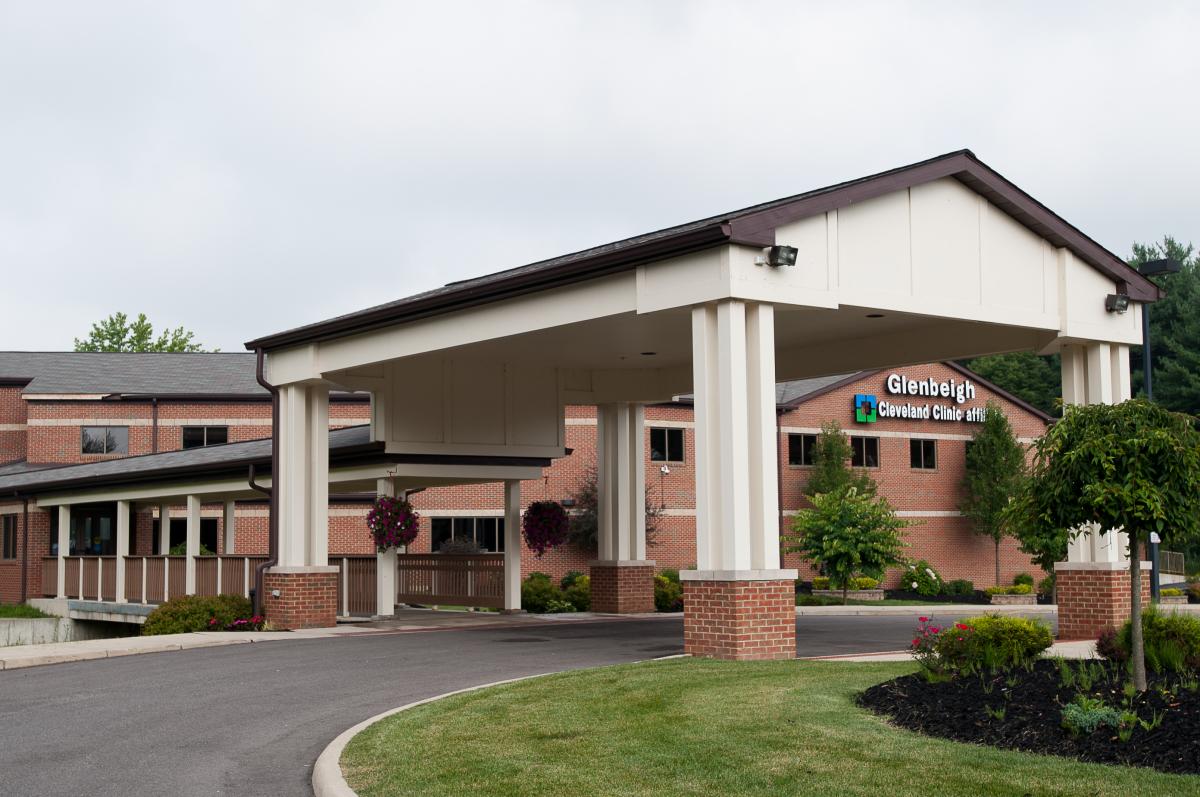
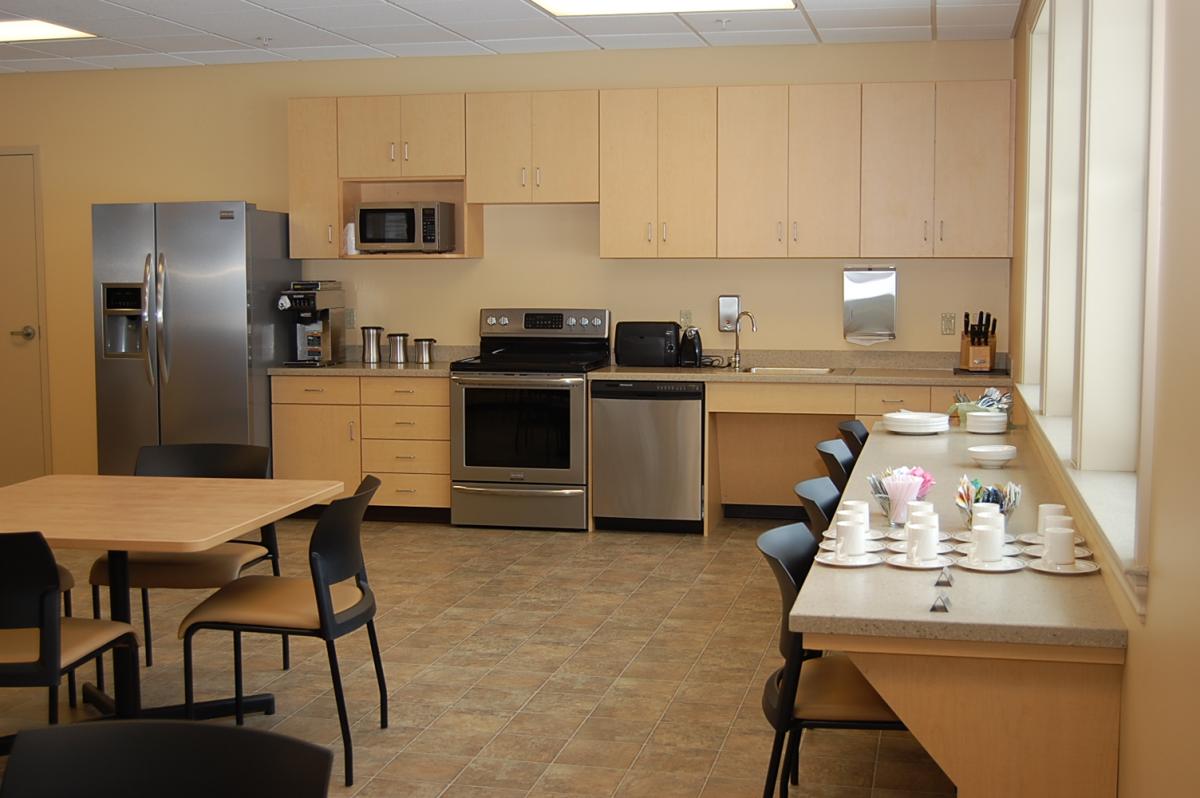
Glenbeigh Rock Creek 3 photos
Provider overview
Glenbeigh Rock Creek is a specialty hospital at 2863 State Route 45 in Rock Creek, Ohio. It treats adults with alcohol and drug use disorders and is not an inpatient psychiatric hospital.
Care at Rock Creek
Following assessment, care may include medically supervised withdrawal management, inpatient rehabilitation or residential treatment. The Rock Creek campus also offers assessments, intensive outpatient treatment, continuing-care groups and recovery housing. Treatment uses the Minnesota Model and combines medical care, counseling, recovery education and 12-step principles. Current provider information also lists family education, co-occurring-mental-health support, a fitness center, sauna, walking trail and outdoor recreation.
Duration, aftercare and payment
Length of stay is individualized and may change as treatment progresses. Glenbeigh coordinates transitions to outpatient treatment, continuing care or recovery housing. The provider works with many commercial plans and certain Medicaid and Medicare providers, offers self-pay options and may offer financial assistance, but coverage and costs vary by plan and level of care.
Adult addiction treatment with hospital and residential levels
Glenbeigh’s inpatient treatment description identifies the Rock Creek facility as a specialty hospital for adults with alcohol and drug use disorders. Its services include medically supervised withdrawal management, inpatient rehabilitation, and residential treatment, with nursing support available around the clock. The named clinical approaches include cognitive behavioral therapy, dialectical behavior therapy, motivational interviewing, trauma-informed care, and selected EMDR treatment. These are components of an individualized plan, rather than a promise that every patient receives every therapy.
The same page describes movement into partial hospitalization, intensive outpatient treatment, recovery housing, and continuing care when appropriate. Glenbeigh can also coordinate a transition to another outpatient provider. Its relationship with the ARMC Healthcare System supports coordination of more acute medical care when needed; this does not mean every medical complication can be managed within the residential setting. Establish the receiving level of care before arranging travel.
Assessment starts with a clinical and practical screening
The provider’s admissions overview describes an initial confidential phone conversation, evaluation and screening, and insurance review. It promotes a rapid response process, but a response target is different from a confirmed admission date or an available bed. A useful initial discussion should establish the substance-use concerns, the proposed level of care, and any records or coordination needed from existing clinicians.
Glenbeigh also describes working with employees and employers on leave, disability, and return-to-work issues. With the patient’s permission, its team may coordinate with an employee assistance program or human resources department about workplace requirements. This is relevant for someone whose admission depends on arranging an absence from work. Agree on who may receive information, what documentation is needed, and who will manage those communications; treatment does not itself guarantee an employer’s approval or a particular workplace outcome.
Daily routines and device rules matter when choosing the setting
Glenbeigh’s current FAQ describes voluntary admission for adults aged 18 and older and says the facility is not locked. It also distinguishes its addiction services from an inpatient psychiatric hospital. The daily schedule generally starts with breakfast around 7:15 a.m. and continues into the evening, with clinical programming, education, and recovery activities rather than an unrestricted vacation schedule.
Personal phones, laptops, and tablets are generally not permitted. Limited, supervised access for essential responsibilities may be arranged, so someone who needs to maintain work contact should settle the specific arrangement in advance. The FAQ also describes designated outdoor smoking areas and prohibits vaping. For packing, it recommends approximately a week of clothing, provides linens and towels, and offers laundry facilities. These practical rules help determine whether the structure is workable for a particular person; exceptions should be confirmed with the receiving team.
Family education has registration and age requirements
The family education page lists an in-person Rock Creek program on Sunday mornings, from 8:15 a.m. to 12:15 p.m., and virtual education on Friday and Sunday afternoons. The in-person sessions cover communication, boundaries, enabling, and recovery planning for both the patient and their support network. They combine education with small-group exercises and provide a handbook and family-support resources.
Participation is organized through the patient’s primary counselor, with registration required by the preceding Thursday. The stated limit is two family members per patient, and participants must be at least 16 and bring identification. This makes early coordination important for a family traveling from elsewhere or hoping to include younger children. Glenbeigh says family education carries no additional charge, while optional lunch is separate. Outpatient centers have their own selected weekday arrangements. Reconfirm the current session, format, and visitor instructions before booking transportation.
Medication decisions belong within the individual treatment plan
The dedicated medication treatment page presents medication as one possible part of care alongside counseling and recovery support. It describes clinical assessment, education, and a decision about whether a medication is appropriate for the person. This is more useful for planning than assuming everyone entering Glenbeigh will start, stop, or continue the same prescription.
Someone already receiving addiction medication should discuss the existing prescription and prescriber before admission. Ask how the team reviews outside records, communicates proposed changes, and arranges prescribing after discharge. A statement that medication is available does not establish the exact medication, monitoring arrangement, or outpatient pharmacy for an individual. The important comparison is whether the admission plan and the next stage of treatment can support the person’s assessed needs without an unplanned gap in care.
Outpatient care is separate from an overnight hospital stay
Glenbeigh’s outpatient overview describes intensive outpatient care for people who are medically stable and able to live at home while participating in structured treatment. Continuing care focuses on applying recovery skills as people return to work, school, and ordinary home responsibilities. The listed services include assessment, family education, discharge planning, and continuing-care groups.
Outpatient services are available at Rock Creek and at five additional centers: Beachwood, Canton, Erie, Niles, and Rocky River. Toledo is labeled an administrative location, so it should not be treated as an equivalent treatment site. The same page limits its advertised telehealth IOP and continuing care to Ohio residents. The presence of the Erie center in Pennsylvania does not automatically extend that virtual eligibility. Confirm the actual receiving location, weekly attendance requirements, and whether the chosen program is in person or online.
Recovery housing supports a different stage of care
The provider’s recovery housing description is directed toward people who need additional time in a structured living environment. Residents participate in intensive outpatient treatment or continuing care while working on their own treatment and discharge plans. The emphasis is on applying recovery skills to daily life and developing supportive connections with other residents.
Glenbeigh encourages residents to work, volunteer, or continue their education when appropriate. That makes this a different arrangement from hospital withdrawal management or an inpatient schedule. Before selecting housing, establish which residence is proposed, which clinical program accompanies it, how transportation works, and what charges apply to each component. The provider states that its Ohio residences are certified by Ohio Recovery Housing; that statement does not establish a current vacancy, a particular room arrangement, or a guarantee of payment by an insurer.
Executive services allow only individually agreed work arrangements
The business executive service addresses professional responsibilities alongside treatment. Glenbeigh describes specialty groups that consider work, family, professional standing, and the consequences of substance use. Its page says accommodations may include limited online communication or remote work when these are appropriate to the treatment plan.
This is not an open-ended promise that a patient can run a business throughout inpatient care. Someone considering the program should identify the genuinely essential tasks, the time they require, and any confidentiality concerns before admission. Glenbeigh also describes coordination with workplace support and licensing contacts and mentions a self-pay option for people who do not wish to use business insurance. Paying privately does not eliminate the need to understand the provider’s documentation and communication practices. The useful question is what can be agreed without undermining the clinical schedule.
Licensed professionals can discuss monitoring and return-to-work needs
Glenbeigh’s services for helping professionals include people such as physicians, dentists, nurses, pharmacists, and teachers. The program description recognizes that substance-use treatment may intersect with professional monitoring, licensing responsibilities, and concerns about returning to practice. Specialty groups address those issues within the broader addiction treatment program.
The provider describes coordination with professional support programs and relevant workplace contacts. A person entering under a monitoring agreement should supply the actual requirements rather than assume the general program description meets them automatically. Clarify which evaluations, attendance records, reports, and follow-up arrangements are needed and who is authorized to receive them. Glenbeigh can explain its own clinical recommendations and documentation, but the profile does not promise a licensing decision, reinstatement, or clearance to return to a particular role. Those decisions require the relevant organization’s confirmation.
First-responder support addresses occupational experiences
The first-responder service identifies firefighters, emergency medical personnel, law-enforcement and corrections staff, and military personnel among the people it serves. Glenbeigh describes counselors with first-responder training and a treatment approach that considers the experiences and workplace pressures associated with those roles.
Its page explains that, after withdrawal management, participants may live with other first responders and professionals while continuing treatment. Discharge planning can involve an employee assistance program and return-to-work requirements. These are specific program features, not a guarantee that a particular peer group is available on an admission date or that an employer will approve the proposed plan. Establish the actual group arrangement and communication permissions in advance. An occupationally focused service should still be assessed against the person’s substance-use needs, medical stability, and proposed continuing care.
Pain education is integrated with substance-use treatment
The pain education service addresses people whose substance-use concerns coexist with chronic pain. Glenbeigh describes education about communicating pain concerns to clinicians, developing coping strategies, and considering physical activity that fits the individual. Massage therapy is also mentioned as an available component, rather than a universally scheduled treatment.
The practical aim is to understand how the addiction team will work with the person’s existing pain history and clinicians. Bring relevant records and discuss functional limitations, previous treatment, and continuing specialist care during assessment. This page should not be read as an instruction to discontinue medication or as a promise that pain will resolve during the stay. Ask which services are actually included in the proposed plan and how follow-up will be coordinated when the person leaves the residential setting.
Relapse-prevention groups have a specific intended audience
Glenbeigh’s relapse-prevention service describes groups for people who return to substance use after six months or more of abstinence, as well as people experiencing repeated relapses. The stated work includes examining recurring patterns and identifying individual changes that may help the person move forward.
This gives someone with previous treatment experience a concrete topic for assessment: how will the proposed plan address what happened after earlier care? Discuss previous discharge arrangements, support, and barriers rather than assuming another stay will simply repeat the same program. The published group criteria do not determine eligibility on their own, and a history of relapse does not establish which level of care is currently appropriate. Glenbeigh’s clinical assessment should connect this specialized work to the rest of the treatment and discharge plan.
Older adults may need additional practical assessment
The older-adult service description considers issues such as retirement, isolation, medication concerns, and changes in family or social support. These factors can make the practical arrangements around an admission as important as the general treatment label. The page invites older adults and families to discuss the situation with Glenbeigh rather than presenting one fixed program for everyone in this age group.
Before choosing Rock Creek, explain any mobility, communication, daily-living, or ongoing medical needs that could affect participation. Ask how these needs will be assessed and which accommodations the receiving team can provide. The page mentions participation with many Medicare Advantage plans, which should be checked against the particular plan and level of care. It is not a promise that every Medicare product covers every service or that insurance approval establishes clinical suitability.
Cost comparisons require a personal estimate
Glenbeigh’s financial information describes managed-care participation, self-pay options, and financial assistance for eligible patients. Assistance may address unpaid deductibles, coinsurance, or noncovered services, but it depends on the application and eligibility review. The business office is the appropriate place to obtain a patient-specific estimate.
The provider explicitly warns that its hospital chargemaster is not a useful prediction of a patient’s bill. Actual responsibility depends on services received, the length and complexity of care, and insurance benefits. It also notes that some physician or pharmacy charges may come from third parties and may not be included in the displayed price information. Compare the proposed clinical level, expected period, estimated patient responsibility, and possible separate bills in writing. A public charge file or a broad statement about insurance participation is not an all-inclusive residential quote.
Accessibility and communication support should be arranged early
The provider’s organizational information describes a multidisciplinary team spanning medical, nursing, counseling, social-work, psychiatric, and pastoral roles. It also sets out communication assistance for people with disabilities and people who need language support, including qualified interpreters and information in accessible formats.
Someone who needs an interpreter, an alternative document format, or support participating in groups should explain the requirement during the first assessment conversation. Confirm how the assistance will work during admission, treatment discussions, family communication, and discharge planning. Those are distinct points in the care process, and an arrangement for one appointment may not answer every practical need during a longer stay. The relevant comparison is the concrete support the receiving team can provide for the person, alongside the assessed addiction treatment plan.
Provider-specific information reviewed October 19, 2026. Linked official pages describe published services and arrangements; individual eligibility, scheduling, clinical suitability, accommodations, and financial terms require confirmation with Glenbeigh.
Sources and verification
Rock Creek campus, inpatient services, outpatient and continuing care, official FAQ and financial arrangements, checked October 13, 2026.