Lightshare Behavioral Wellness & Recovery
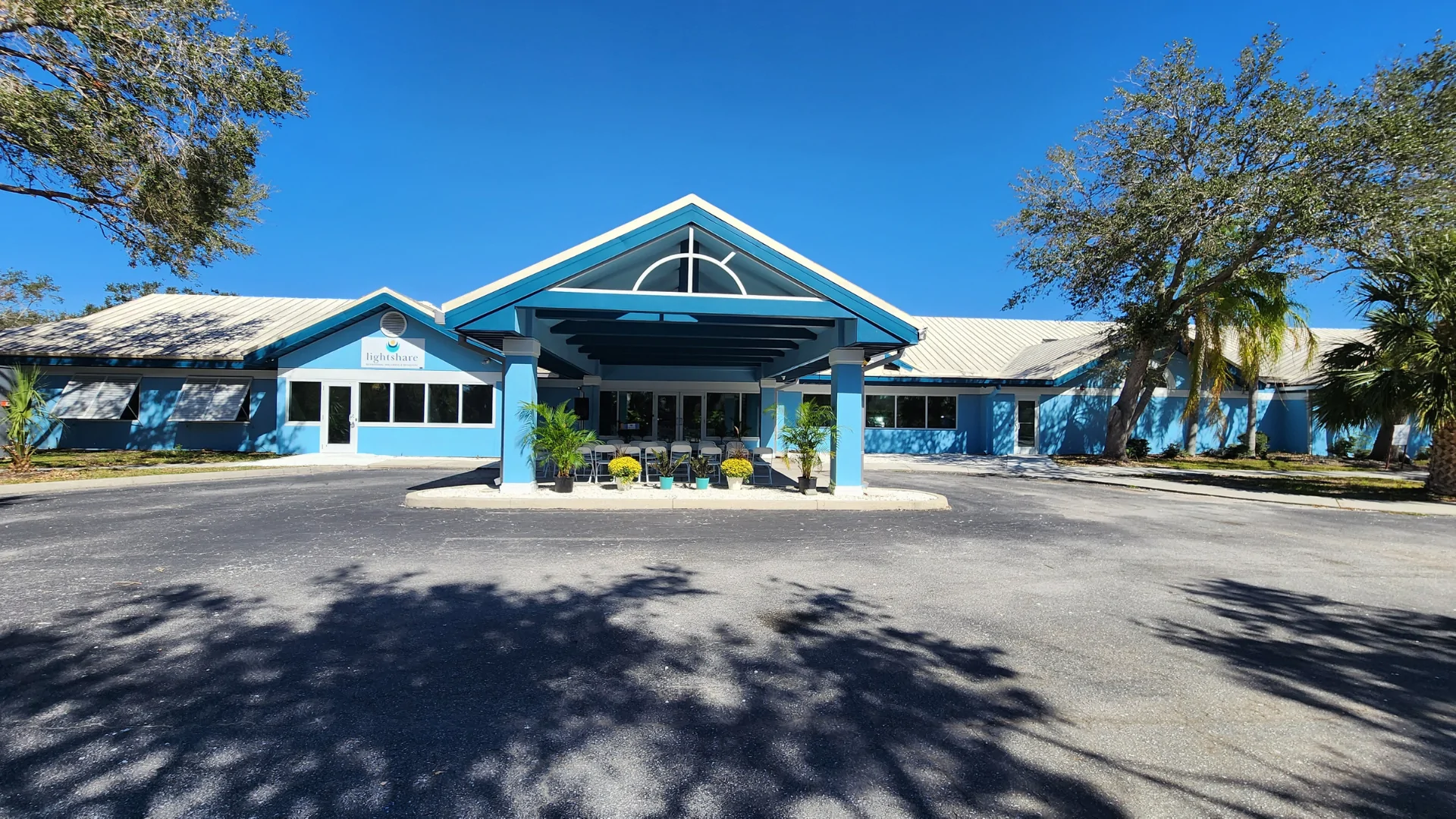
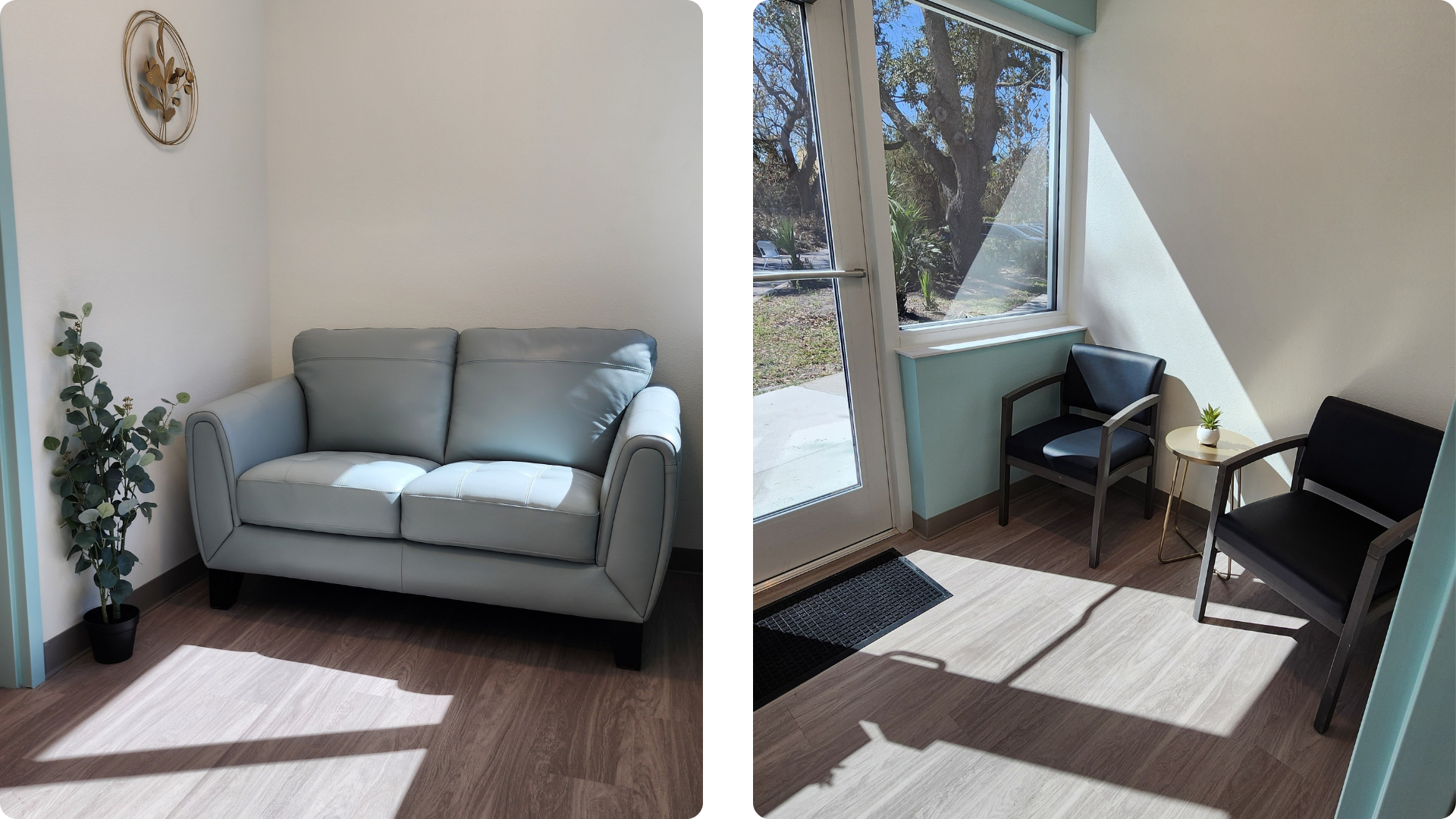

Lightshare Behavioral Wellness & Recovery 3 photos

The former First Step of Sarasota website now redirects to Lightshare Behavioral Wellness & Recovery. Lightshare provides mental health and substance-use services in the Sarasota area, with programs for children, adolescents and adults.
Lightshare provides crisis, medically monitored detoxification, residential, day/night, intensive outpatient, outpatient and telehealth services across distinct Sarasota locations. Its current locations page separates the North Washington residential campus, 18th Street detox and mothers-and-infants buildings, 17th Street outpatient and recovery services, and 10th Street crisis and walk-in access campus; not every program is offered at one address or admits all ages.
Lightshare directs inquiries through 941-732-6837. Its payment page states that clients are accepted regardless of ability to pay and describes insurance, private-pay, financing and payment-plan options; this is not a promise that every program is free. Duration is program-specific: Pathways currently offers 10-day, 28–30-day and extended-stay options, while other services publish different or individualized schedules.
Confirm the receiving campus and Access Center hours
The locations directory separates residential, detox, outpatient, and crisis destinations. It calls the 10th Street Access Center a 24-hour walk-in service. However, the dedicated Access Center page lists Monday, Tuesday, and Thursday 8 a.m.–10 p.m., and Wednesday and Friday 8:30 a.m.–5 p.m. Those descriptions do not provide one consistent current timetable.
Confirm the intended assessment service and arrival instructions directly. The Access Center describes intervention, assessment, care planning, case management, and some medication services; an appointment there is not automatically an admission to residential treatment. Likewise, the existence of round-the-clock crisis care does not mean every outpatient office keeps the same hours. For a planned visit, obtain the specific campus, building, appointment time, and documents required. Urgent safety or medical needs should not wait for an ordinary website inquiry to be answered.
Adult detox is a distinct medically monitored service
The ARF/Detox Unit describes medically monitored detoxification available around the clock for adults aged 18 and older. It accepts both voluntary and involuntary admissions under the relevant process. The page lists Medicaid, commercial insurance, private payment, and eligibility-based access to funded beds.
Those funding categories require individual review; a funded-bed description does not establish that a place is available immediately or that every person qualifies. When asking about admission, explain current substance use, prescribed medications, prior withdrawal complications, and other health needs. Ask who determines the appropriate clinical setting, how monitoring is provided, and what continuing treatment follows stabilization. This service should not be confused with outpatient medication treatment or a long-term residential program. Its adult age criterion also should not be replaced by the organization’s broader statement that some Lightshare services support children and adolescents.
Crisis stabilization has an acute psychiatric role
The Kreisman crisis stabilization service is described for adults aged 18 and older experiencing a severe emotional or psychiatric crisis. The provider identifies it as Sarasota’s public adult Baker Act receiving facility and describes 37 beds across two units. Its work includes screening, risk assessment, crisis intervention, and connections to services after discharge.
This is a different purpose from choosing a scheduled residential stay or an outpatient counseling course. Referrals may come from the person, relatives, hospitals, clinicians, law enforcement, or other agencies, but the receiving team must assess the actual situation. The bed figure is published capacity, not current availability or a promise of a particular room. Families should ask how communication is arranged and how the discharge plan connects with continuing mental health, medical, housing, or other support. The program description does not establish a universal length of hospitalization or automatic acceptance into another Lightshare service afterward.
Pathways offers several residential planning options
The Pathways program is described as residential substance-use treatment with co-occurring capability at the North Washington campus. Its routine includes daily groups, weekly individual therapy, daily 12-step meetings, therapeutic activities, and weekly psychiatric clinics. Published planning options include 10 days, 28–30 days, and flexible extended stays.
Ask how the recommended length relates to the person’s assessment and which services fit within that period. Pathways lists commercial insurance or fee-for-service funding, so its payment model should not be confused with a separately state-funded program. Trauma counseling, anger management, and other specialized work are described as tailored to individual needs rather than guaranteed identical sessions for all residents. Exercise and volleyball facilities are features of the setting, not evidence of private or exclusive treatment. Although the page advertises bed availability, confirm a current acceptance and arrival date before making travel or accommodation commitments.
Mothers & Infants has its own eligibility and funding
The Mothers & Infants program describes four to six months of residential substance-use treatment for pregnant and postpartum women. Its published routine includes daily groups, weekly individual therapy, parenting classes, nutrition and life-skills work, and recovery meetings. Medical care related to pregnancy is described through referrals.
The provider says this particular program is funded through Florida’s Department of Children and Families at no cost to the client. That statement should not be generalized to every Lightshare program or to every outside medical service. Confirm current eligibility, the referral process, and any expenses beyond the residential program. Ask how prenatal or postpartum medical appointments are coordinated and what arrangements apply to infants and other children. The program name alone does not specify every child’s eligibility or imply that obstetric care is delivered within the residence. Planning should account for both the treatment course and the person’s maternity and family needs.
Medication treatment combines prescribing and support
The medication-assisted treatment page describes office-based care for opioid and alcohol use disorders. It names Suboxone and Vivitrol alongside counseling and case management. Its State Opioid Response grant description includes medical screening, medication initiation, and follow-up for people who meet the stated clinical and financial requirements.
The medication names are options described by the provider, not interchangeable recommendations for every diagnosis. Ask which prescriber will assess the person, where appointments take place, what monitoring is required, and how counseling is arranged. Someone already receiving medication should discuss continuity with the treating clinicians rather than stopping it to prepare for an assumed admission rule. Funding eligibility should also be checked separately from clinical suitability. Office-based prescribing is a different service from the detox unit, crisis admission, or residential accommodation; the care plan should make clear which combination, if any, is being proposed.
Outpatient care includes age-specific psychiatric services
The outpatient services description includes psychiatric evaluation and medication management for adults and children, plus individual and group therapy, adolescent therapy, assessment, and treatment planning. The provider identifies psychiatrists, advanced practice registered nurses, and psychiatric physician assistants among the professionals involved in medication-related care.
Ask which professional and program will receive the referral, especially for a child or teenager. A general all-age service description does not establish that every group, medication program, or appointment is appropriate for every age. Clarify whether therapy and prescribing are booked together or separately, how frequently reviews are expected, and what records should be supplied from existing clinicians. Outpatient participation also means that living arrangements and support outside appointments remain separate. The proposed schedule should distinguish an occasional individual visit from a more structured program so the family can plan travel, school, work, and continuing care accurately.
Day treatment and IOP are different from overnight care
The wellness and medical services overview describes day and night treatment as structured care without continuous inpatient supervision. Its IOP description lists up to nine hours of focused care weekly, with counseling, groups, and medication management among the possible components. Participants live at home or in another supportive setting.
These are network descriptions, so obtain the current program address and exact attendance requirement. The phrase day and night treatment should not be assumed to include an overnight bed. Similarly, the published IOP hours do not establish the individual appointment frequency or an identical schedule for every client. Ask how the team decides between standard outpatient visits, IOP, day treatment, and residential care. A useful comparison identifies the clinical hours, the support outside those hours, and any separately arranged accommodation. If symptoms or practical circumstances change, clarify who reassesses whether the current level remains suitable.
Choices and Crossroads are justice-related residential programs
Choices is described for male clients and Crossroads for female clients with felony convictions who are involved with Florida’s Department of Corrections through felony probation or community control. Both pages describe six to 18 months of residential treatment funded through that department. They are not simply longer private-pay versions of Pathways.
The programs describe an initial intensive phase followed by full-time community employment with treatment on return to the residence. Their routines include individual and group therapy, parenting education, recovery meetings, and anger-management work. Ask the referring authority and treatment team to explain eligibility, participation requirements, and how progress affects the proposed duration. Published program length should not be interpreted as a guaranteed legal outcome or release date. The employment phase also does not promise a particular job. Confirm the actual referral and treatment obligations before treating either program as an option available through ordinary self-referral.
Royal Palms supports the transition toward independent living
The Royal Palms description identifies a halfway-house or recovery-housing program with four therapeutic hours weekly and daily participation in 12-step programs. Residents are expected to work or pursue educational or vocational training while preparing for more independent living.
That model should be compared with other housing arrangements using its actual expectations, rather than the schedule of Lightshare’s residential treatment programs. Ask about the receiving residence, room occupancy, staff availability, participation requirements, and charges. Clarify how any outside clinical appointments or medication reviews are coordinated. The published four hours refer to therapeutic services, not four hours of total weekly responsibility. Work, education, meetings, and house requirements can create a much larger practical commitment. Housing support should not be assumed to provide the medical monitoring of detox or the acute care of a crisis unit.
Family Intervention Services follows a defined referral pathway
Family Intervention Services supports parents who have lost, or are at risk of losing, custody in connection with substance use. The page describes referrals through child-welfare partners in Sarasota and DeSoto counties, diagnostic eligibility, and a 12–16-week program. Specialists help people complete case-plan tasks and connect with relevant services.
Listed referrals can include parenting education, anger management, mental health care, medication treatment, and residential services. This is a coordination role rather than a promise that the same specialist directly delivers every treatment. Ask which referral is required, what tasks are agreed, and how progress is communicated with the appropriate parties. Participation does not establish a guaranteed custody outcome or replace the decisions of the responsible authorities. The program’s particular eligibility should also be distinguished from general family therapy or support groups available elsewhere within a treatment plan.
Case coordination addresses repeated use of urgent services
The case coordination program describes linking people with mental health or substance-use needs to services that may help prevent another period of instability. It specifically identifies people who frequently use crisis or detox services and states that care coordinators are available around the clock.
Ask whether a coordinator will be assigned and what that person will arrange: follow-up appointments, communication between services, or connections to community support. Availability of a coordinator is different from continuous access to every clinician or an immediate residential place. The plan should identify a responsible contact and explain how incomplete referrals are followed up. For someone moving between Lightshare programs, this can clarify which team retains responsibility during a transition. It should not be interpreted as a guarantee that further crises will be prevented or that all outside services are funded.
Payment should be reviewed for the particular program
Lightshare’s payment guidance says clients are accepted regardless of ability to pay and describes insurance, private payment, and possible financing or payment plans. These are access and funding options, not a published all-inclusive rate or a promise that every service is free.
Ask for the financial terms attached to the actual referral. The review should identify the service, expected duration or appointment frequency, relevant coverage or public funding, and any personal responsibility. Clarify charges for outside professionals or medical services instead of assuming that they are included in a residential arrangement. A financing offer also needs its own terms, repayment schedule, and eligibility review. If the clinical plan changes, ask when the estimate will be updated and who can explain it. Program-specific funding information elsewhere on the site should remain tied to that program rather than applied across the whole Sarasota network.
Provider information reviewed October 19, 2026. Confirm the named Lightshare service, current hours, referral and age criteria, clinical suitability, availability, and individual funding arrangements.
Official sources
Current provider and continuum; Current Sarasota locations; Programs and services; Pathways duration and payment; Payment options. Checked October 13, 2026.