Farley Center
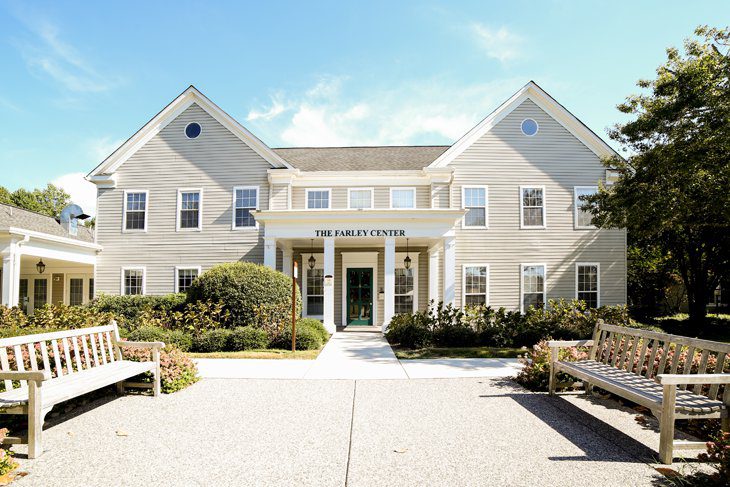
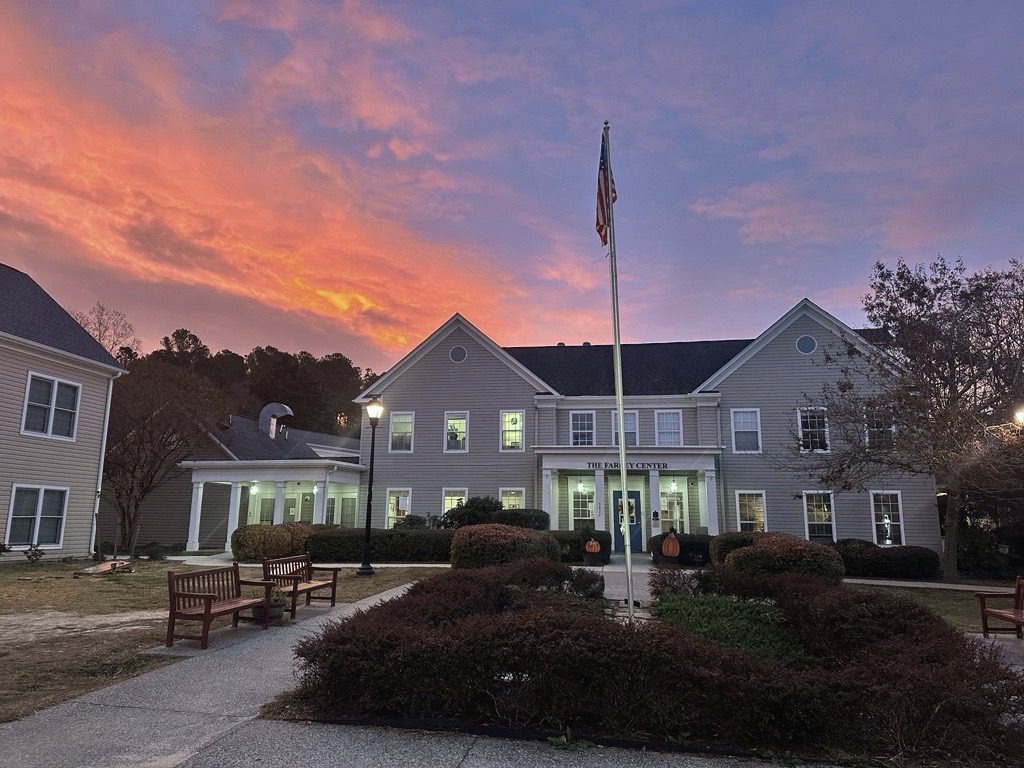

Farley Center 3 photos

Farley Center provides substance-use and co-occurring mental-health treatment in Williamsburg, Virginia, with separate outpatient offices in Hampton and Norfolk.
Services and sites
The Williamsburg residential location offers medically supervised detoxification, residential care, partial hospitalization and intensive outpatient treatment. The provider also lists individual, group and family counseling and a dedicated veterans program. Outpatient offices should not be described as residential campuses.
Locations and payment
Residential care is at 5477 Mooretown Road, Williamsburg, VA 23188. Outpatient offices are at 2208 Executive Drive, Suite B, Hampton and 6350 Center Drive, Suite 102, Norfolk. The current admissions number is 888-707-3220. Farley works with major insurance programs; benefits, individualized duration and costs require verification.
Residential treatment at Williamsburg
The Farley residential program describes a structured setting where clients live while receiving addiction treatment. It combines a treatment plan with therapeutic work and recovery skills. This is the part of the service to consider when a person needs a residential environment; the provider’s other outpatient offices should not be assumed to offer the same overnight arrangements.
Ask for a representative week showing individual appointments, groups, medical review, education, and time outside scheduled treatment. The team should explain how that timetable changes after assessment and who reviews progress with the client. Accommodation, accessibility, and support overnight are separate practical questions. A person comparing Farley with another residential program should identify the specific clinical needs being addressed rather than judge the service only by its location or grounds. Before arrival, clarify the proposed duration and what would lead to an extension, a different treatment level, or a referral elsewhere.
Medical detox requires a clear onward plan
Farley’s detox service is described as medically supervised withdrawal care. The provider places it within a wider treatment pathway that includes therapy, education, and aftercare preparation. The need for detox and the appropriate setting depend on assessment; a general description of withdrawal treatment cannot establish what an individual should do independently.
Provide information about recent substance use, prescribed medication, physical health, and any previous withdrawal complications. Ask which clinicians oversee care and what needs would require hospital treatment. Clarify whether the financial estimate covers detox alone or also the next phase. If a residential admission is planned afterward, confirm how readiness is assessed, how medication information is handed over, and whether the next place has been arranged. Finishing withdrawal monitoring does not automatically determine when the wider treatment plan is complete. The useful comparison is the continuity between stages and the support available for the person’s actual medical and psychological needs.
Farley’s PHP is described as a live-in arrangement
The partial hospitalization program page specifically describes an extended residential, live-in setting. That wording is different from PHP programs elsewhere that expect clients to return to their own accommodation every evening. A prospective client should confirm the Farley arrangement being offered instead of applying another provider’s definition to it.
Ask how the clinical program and accommodation fit together, what supervision is available outside sessions, and whether each component has a separate charge or authorization. The team should explain how this stage differs from its residential program and from IOP. Clarify the weekly schedule, the number of individual appointments, and the criteria for moving to a less intensive level. Living near treatment does not by itself establish hospital-level care. A written description should identify the actual service, room arrangement, and clinical responsibilities so that the person and any payer understand what is included in the proposed extended stay.
Confirm the IOP office and current schedule
Farley’s intensive outpatient information identifies IOP as part of its Virginia treatment offering. The provider operates across more than one location, so an inquiry about outpatient care should begin with the actual office and schedule rather than the address of the Williamsburg residential campus.
Ask which groups are currently available, how often individual appointments occur, and whether the proposed timetable is daytime or evening. Someone stepping down from a stay at Williamsburg needs a confirmed receiving clinician and first appointment. Someone entering directly needs an assessment of whether the available support is sufficient between sessions. Travel, work, family responsibilities, and other medical appointments all affect whether a schedule is practical. Clarify where the client will live and who can be contacted outside treatment hours. IOP enrollment should be distinguished from housing and from informal alumni support, since those involve different services, responsibilities, and possible charges.
Professional treatment includes work-related concerns
The professionals program is intended for people whose substance use intersects with licensed or demanding professional roles. Farley describes cohort-specific work, a multidisciplinary treatment plan, and attention to stigma, accountability, professional relationships, and returning to work. It also lists a physician-led group and Caduceus or legal-professional meetings on campus.
These features help explain the program’s focus, but participation does not guarantee a licensing or employment outcome. Ask how the assessment addresses the person’s occupation and which information may be shared with a monitoring organization, employer, or referring professional. Consent and any applicable reporting obligations should be discussed clearly. A treatment recommendation and a decision about fitness for a particular job are related but distinct questions. Clarify what written documentation is produced, who receives it, and which follow-up requirements may involve outside organizations. The person should understand both the clinical plan and the professional context before agreeing to a program or evaluation.
Public safety programming is a separate area of focus
Farley’s public safety program specifically names police officers, firefighters, emergency medical technicians, dispatchers, and other first responders. It describes peer support, trauma-informed care, and treatment for co-occurring concerns within its wider detox, residential, PHP, and IOP continuum. The occupational focus does not mean every participant has the same diagnosis or treatment needs.
Ask which parts of the current schedule are specific to public safety clients and which occur with the broader treatment community. A person concerned about confidentiality can clarify how workplace contacts, insurance communication, and clinical records are handled. Discussions about returning to a demanding role should identify the responsibilities of the treatment team and any separate occupational assessment. Prior service experience may be relevant to care without explaining every concern. The admission plan should still account for medication, physical health, family circumstances, and the person’s own priorities rather than relying on a professional category alone.
The independent evaluation is a four-day service
Farley’s evaluation service describes a four-day independent assessment during which the client stays on campus. It includes a primary therapist, participation in programming, and appointments with different providers. The page notes its relevance to safety-sensitive occupations while recognizing that other people may also benefit from a comprehensive diagnostic review.
The four-day figure belongs to the evaluation, not to a universal detox or residential treatment course. Ask what questions the assessment is intended to answer, which records are needed, and what written findings will be provided. If an employer, clinician, or professional organization has requested it, clarify the purpose and intended recipients before attendance. An evaluation may recommend further treatment without making that subsequent admission automatic or included in the original fee. The person should understand how recommendations will be explained, what opportunity exists to ask questions, and how any next service will be arranged.
The family workshop has a defined format and age range
The Farley Family Workshop is described as a two-day weekend program for relatives and friends aged 13 and older. Its focus is education, the effects of substance use on relationships, and practical responses during recovery. The provider says participation for two loved ones is included in the patient’s treatment without an additional workshop charge.
Confirm the current dates, eligible attendees, and whether any travel, accommodation, or extra participants create separate costs. The workshop should be distinguished from individual family therapy and from a visit to the residential campus. A teenager’s eligibility for family education does not establish eligibility for Farley’s main treatment program. Discuss the client’s consent and any relationship safety concerns before organizing joint participation. Supporters may benefit from their own education without receiving private details from therapy. The useful outcome is a clearer understanding of communication and practical support, not a requirement that every relationship be repaired during one weekend.
Regional aftercare is different from ongoing residential treatment
The aftercare page describes regional groups for alumni of Farley programs. These offer a way to remain connected after formal treatment. The current group location, calendar, joining process, and suitability should be checked when developing the discharge plan, particularly for someone returning outside the immediate region.
Ask which professional appointments are arranged separately from the alumni group. Therapy, prescribing, peer support, and housing can all be part of continuing care, but they do not serve identical purposes. The plan should identify the receiving providers, transfer of records with consent, and the first follow-up dates. If travel makes a regional group impractical, ask what alternatives can be arranged near home. Clarify any cost and what contact Farley offers if the original plan stops working. The breadth of an alumni network should not be interpreted as unlimited access to clinical treatment or a substitute for necessary medical follow-up.
Insurance and military funding need individual verification
Farley’s insurance page offers benefit verification and describes its Tactical Recovery program in connection with the Department of Veterans Affairs Community Care Network. These are relevant routes to investigate, but a military background or a familiar insurer name does not establish authorization for a particular admission.
Ask which plan and referral process apply to the individual, what service is being authorized, and which costs remain the client’s responsibility. If treatment involves detox, residential care, or live-in PHP, confirm how those components are described financially. An independent evaluation or specialized professional service may need its own estimate. Clarify the process if the recommended duration changes or approval covers fewer days. A private-pay agreement should identify the included services and terms for transfer, extension, or early departure. Written, program-specific information is more useful than assuming that a general insurance relationship covers every service offered across the organization.
Prepare the information needed for admission
The admissions overview explains that an inquiry can begin with the prospective patient, a family member, or a referral source. The initial discussion includes substance use history, current medications and medical information, and insurance details. This gives the team a starting point for assessing the appropriate service.
Prepare a clear account of previous treatment, present concerns, relevant health conditions, and any practical needs affecting a stay. Ask which records should be sent and how the client will participate in the decision if someone else made the first call. An inquiry is not the same as a confirmed place. Before travel, obtain the actual program, location, date, arrival instructions, and financial agreement. If the assessment indicates a different level of care, ask how that recommendation will be communicated and whether a receiving service has been identified. These details help prevent a mismatch between the service requested and the support Farley can appropriately provide.
The linked official Farley pages were reviewed on October 19, 2026. Program-specific care, evaluation, family-workshop, and live-in PHP distinctions are retained; eligibility and current arrangements require confirmation.
Official sources: Farley Center, contact, programs, aftercare and insurance. Official sources checked October 13, 2026.